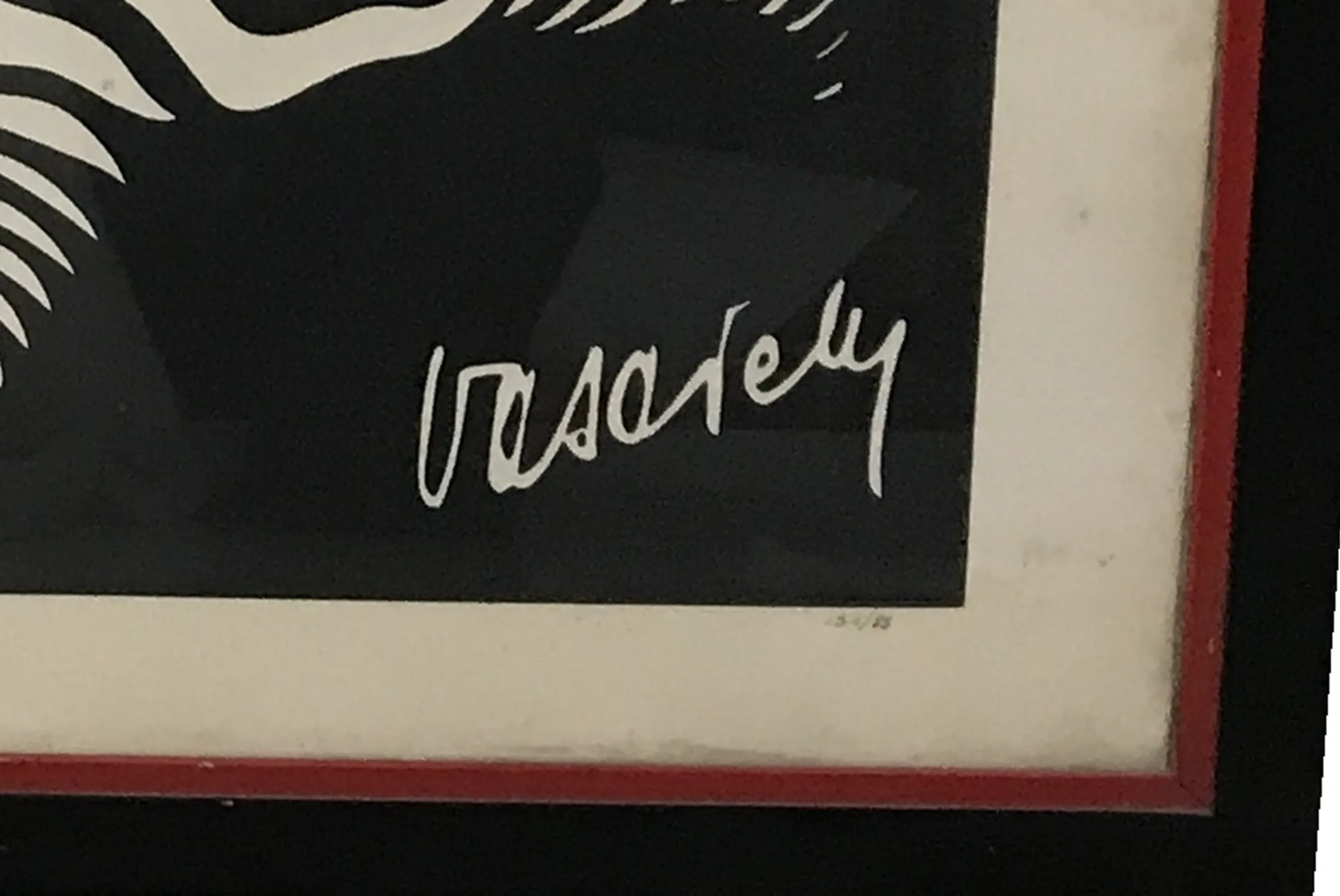
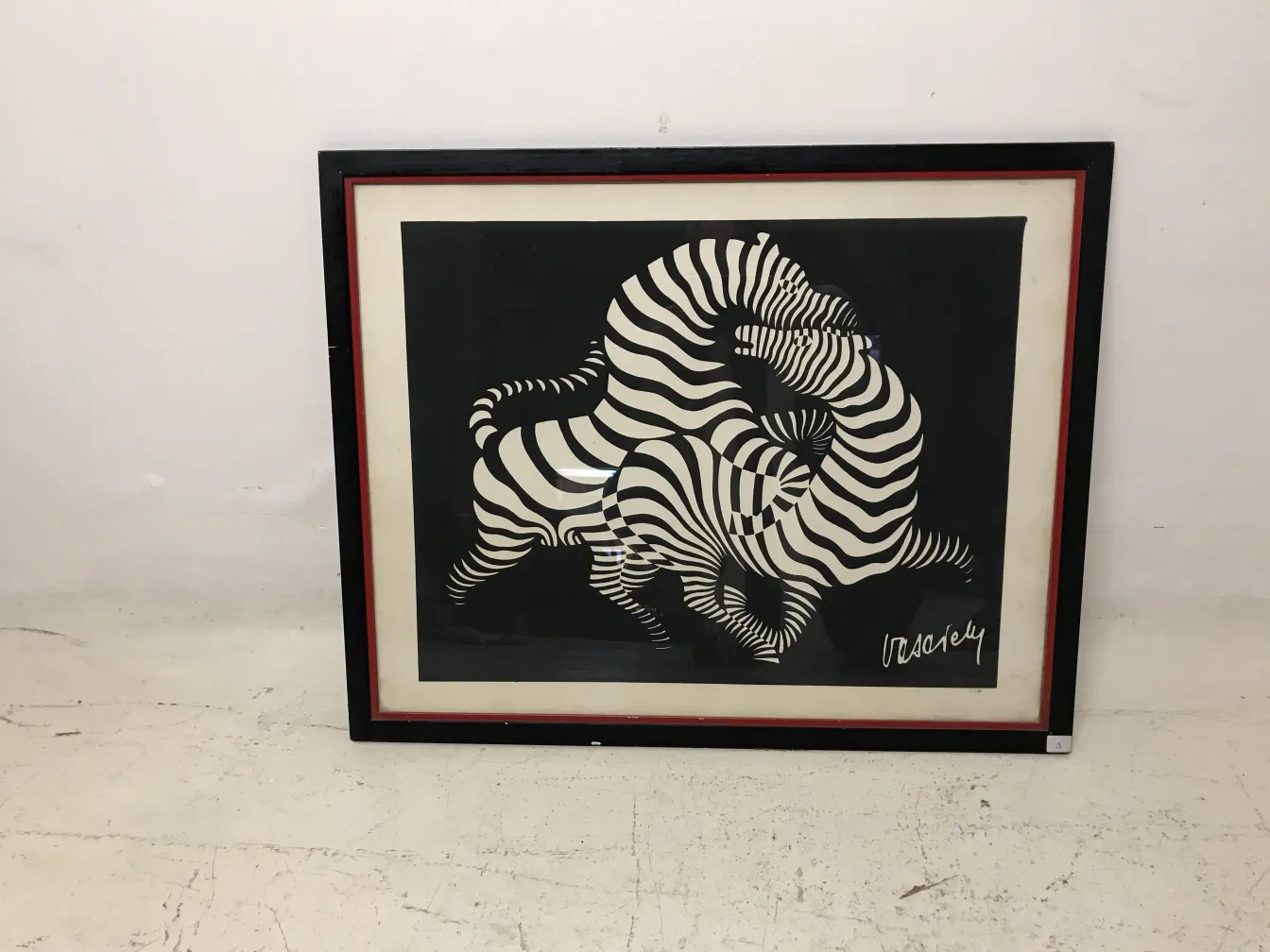
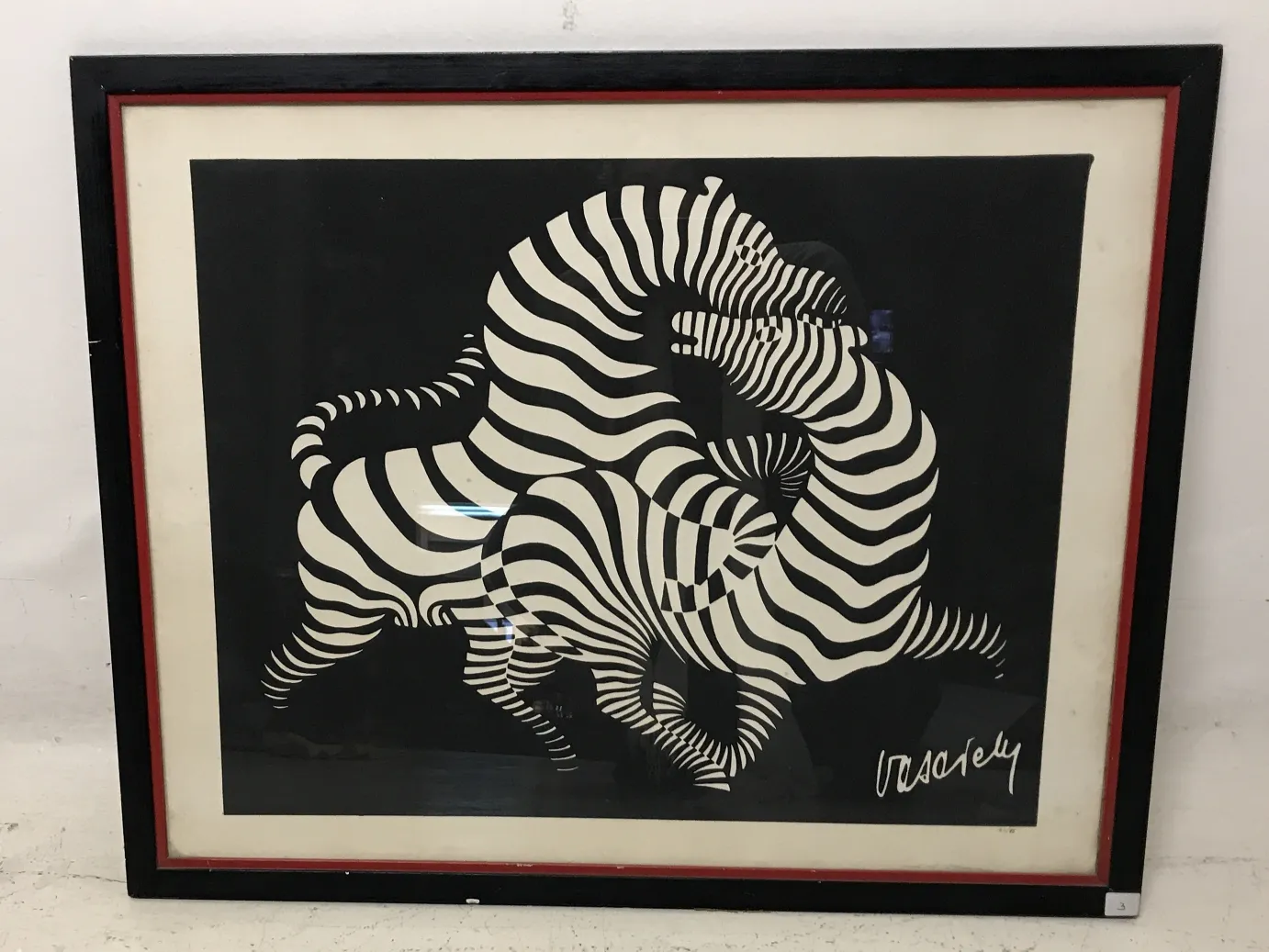
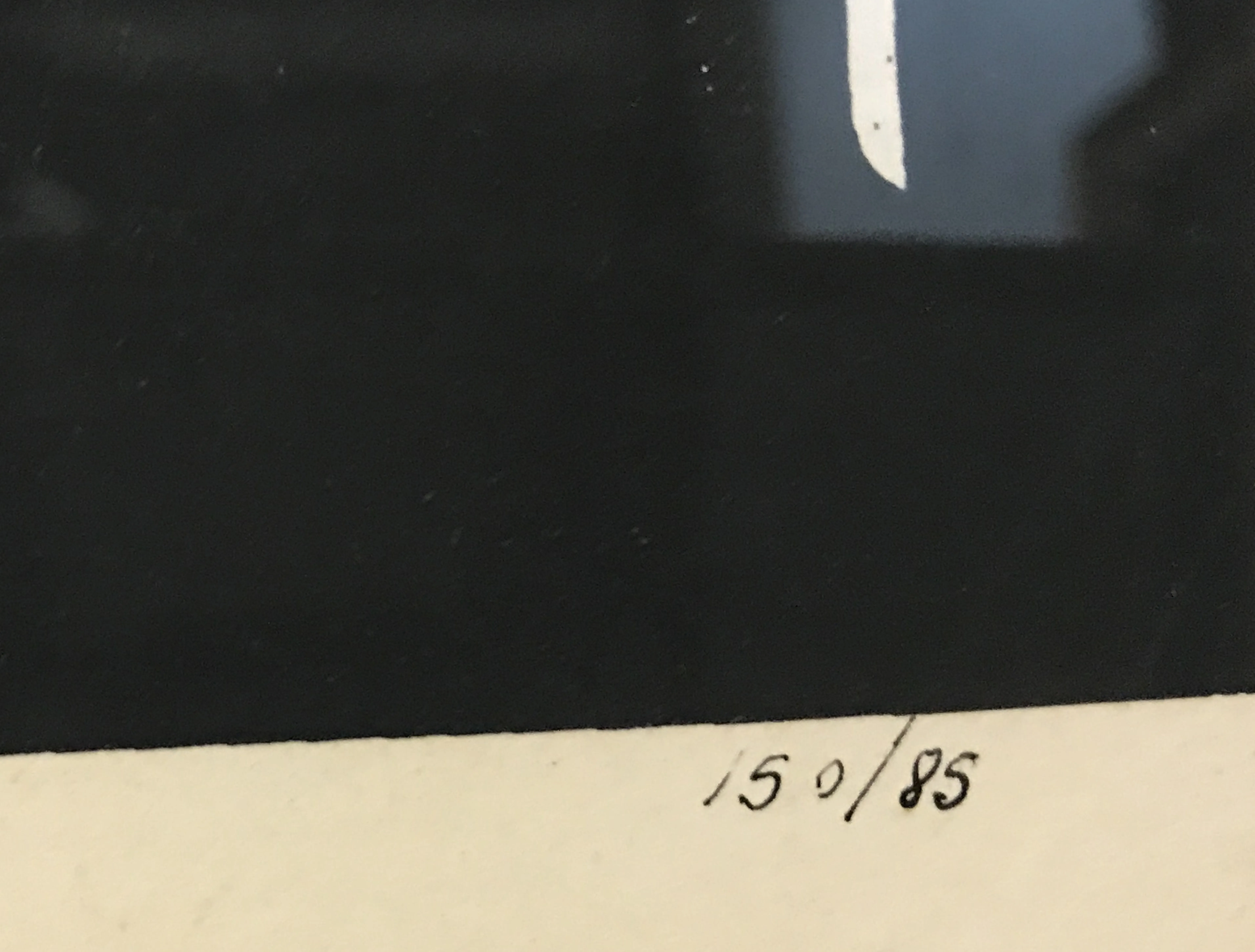
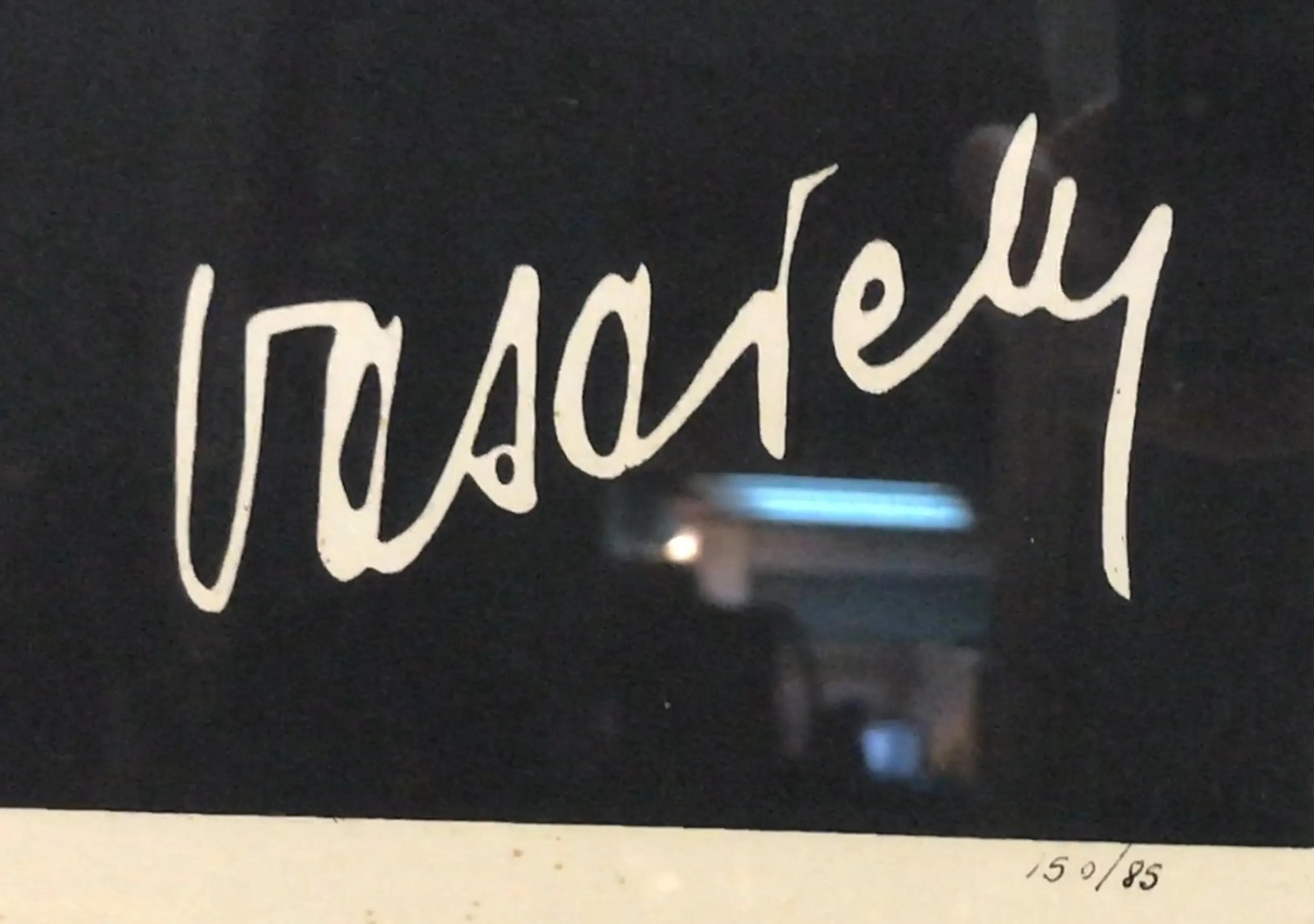
Victor Vasarely was born in 1906 in Hungary. He became one of the fundamental figures of the Op Art movement.
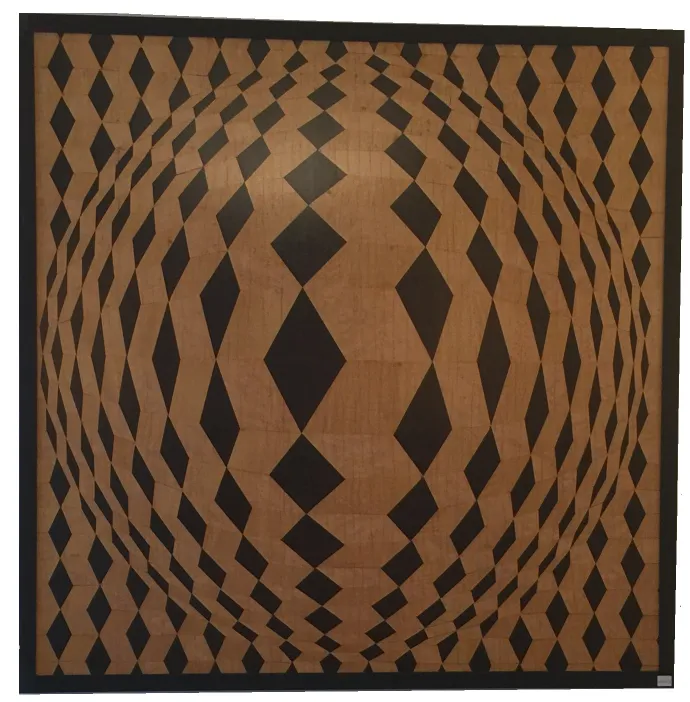
His work was based on visual perception through geometric abstraction.
He began his medical studies at the University of Budapest in 1925, but abandoned them two years later to dedicate himself to art.
In 1927, he studied painting at the Private Podolini-Volkmann Academy.
In 1929 he entered Műhely, an art school founded by Alexandre Bortnyik and based on the Principles of the Bauhaus in Dessau. Here he came into contact with constructivism and abstract art.
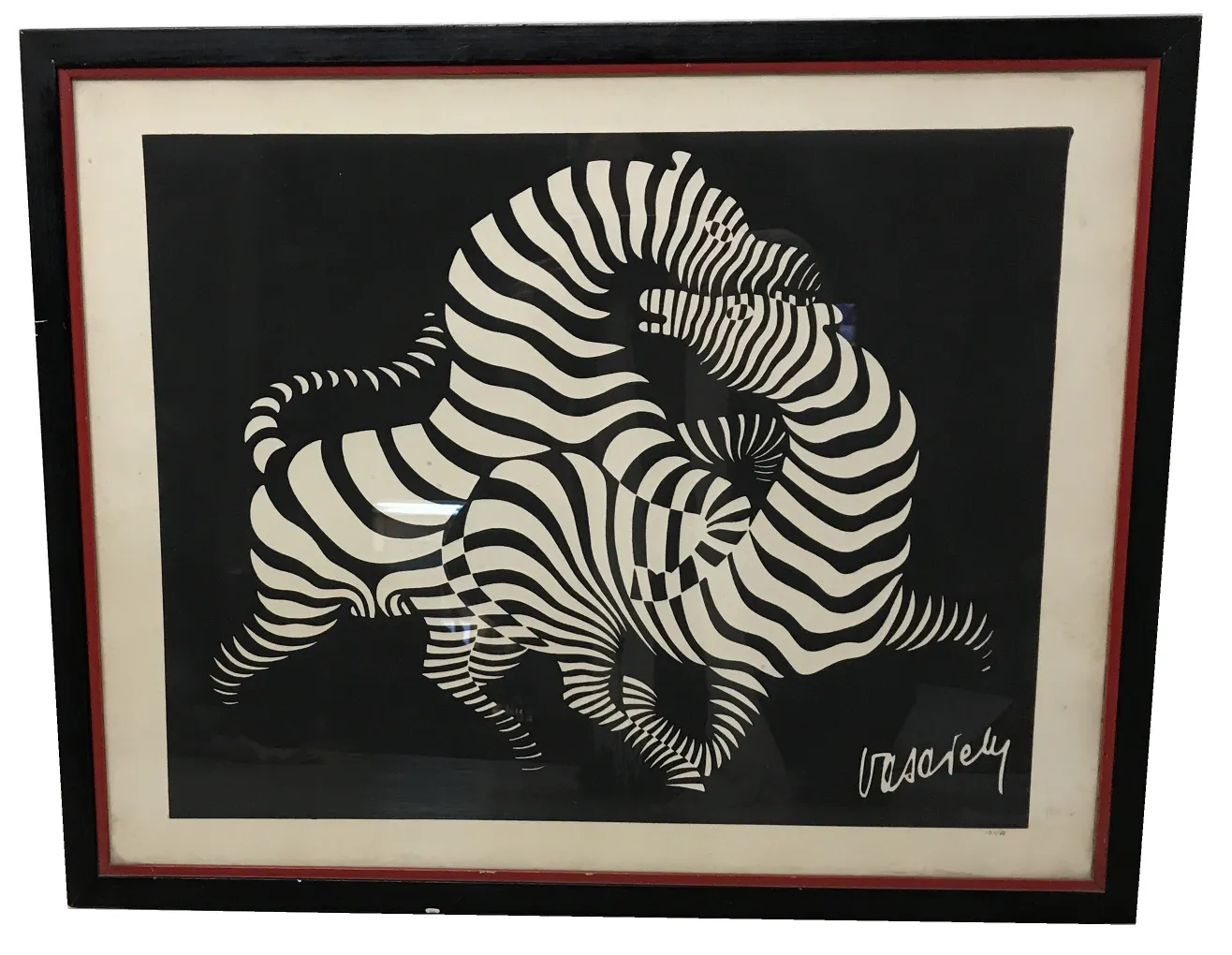
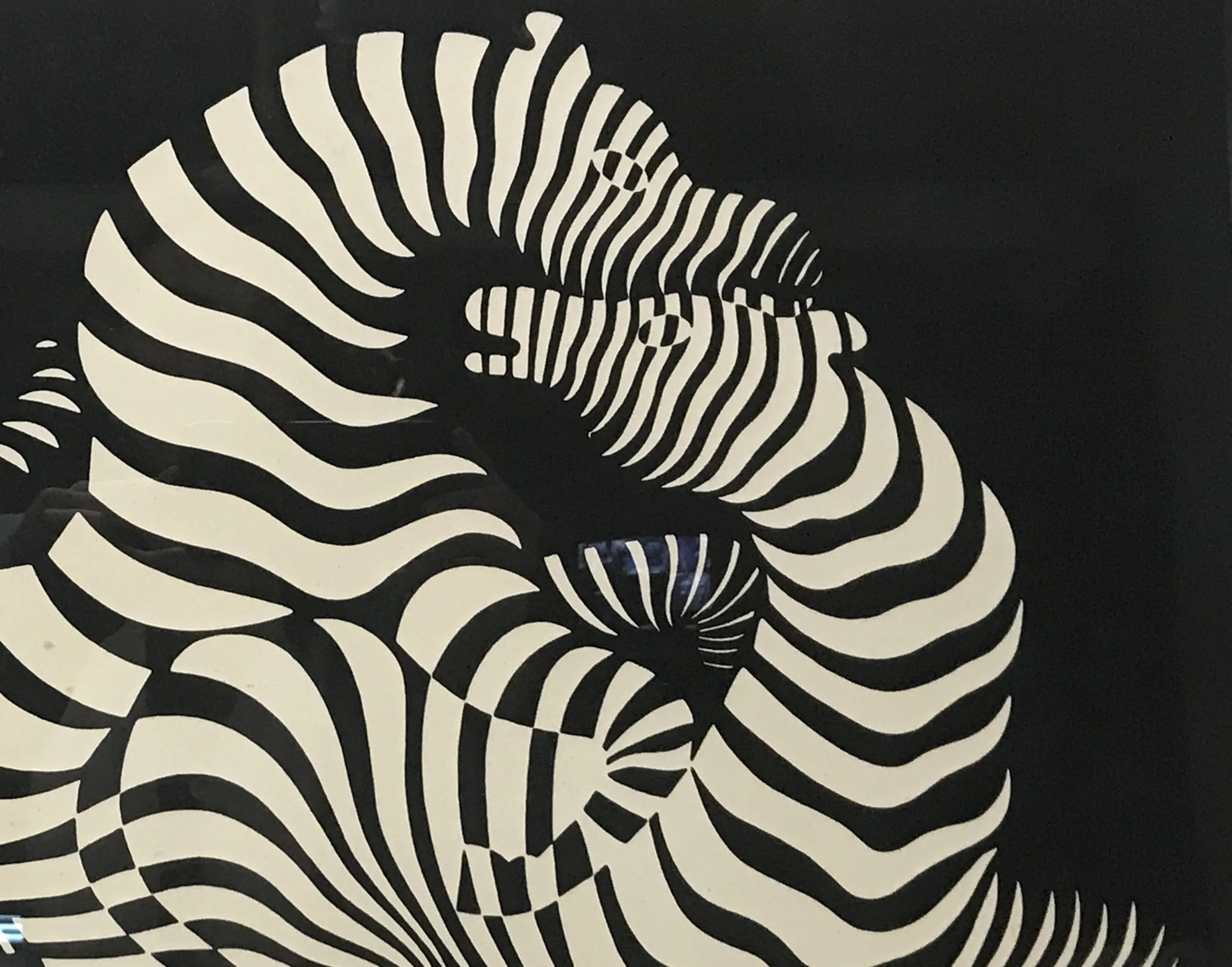
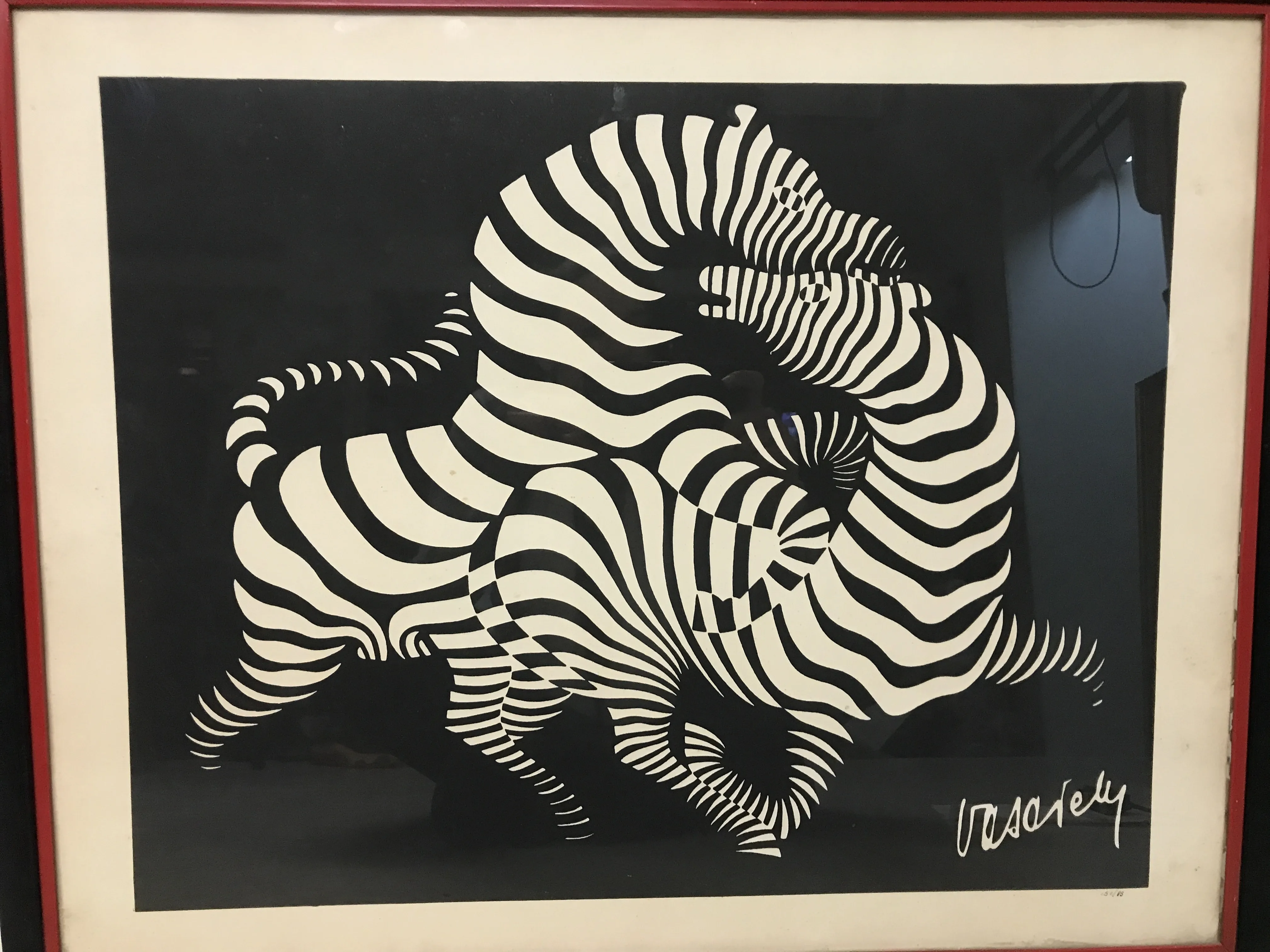
In 1930, Vasarely moved to Paris, and in 1937 he created his "Zebras" works considered precursors of Op Art.
During the 1940s, Vasarely began to develop his characteristic style of geometric abstract painting with interactive colors.
In 1955, he published his "Yellow Manifesto" where he expounded his ideas on visual kinetic art.



 Share
Share