Home / Products / lighting / ceiling lights←Back

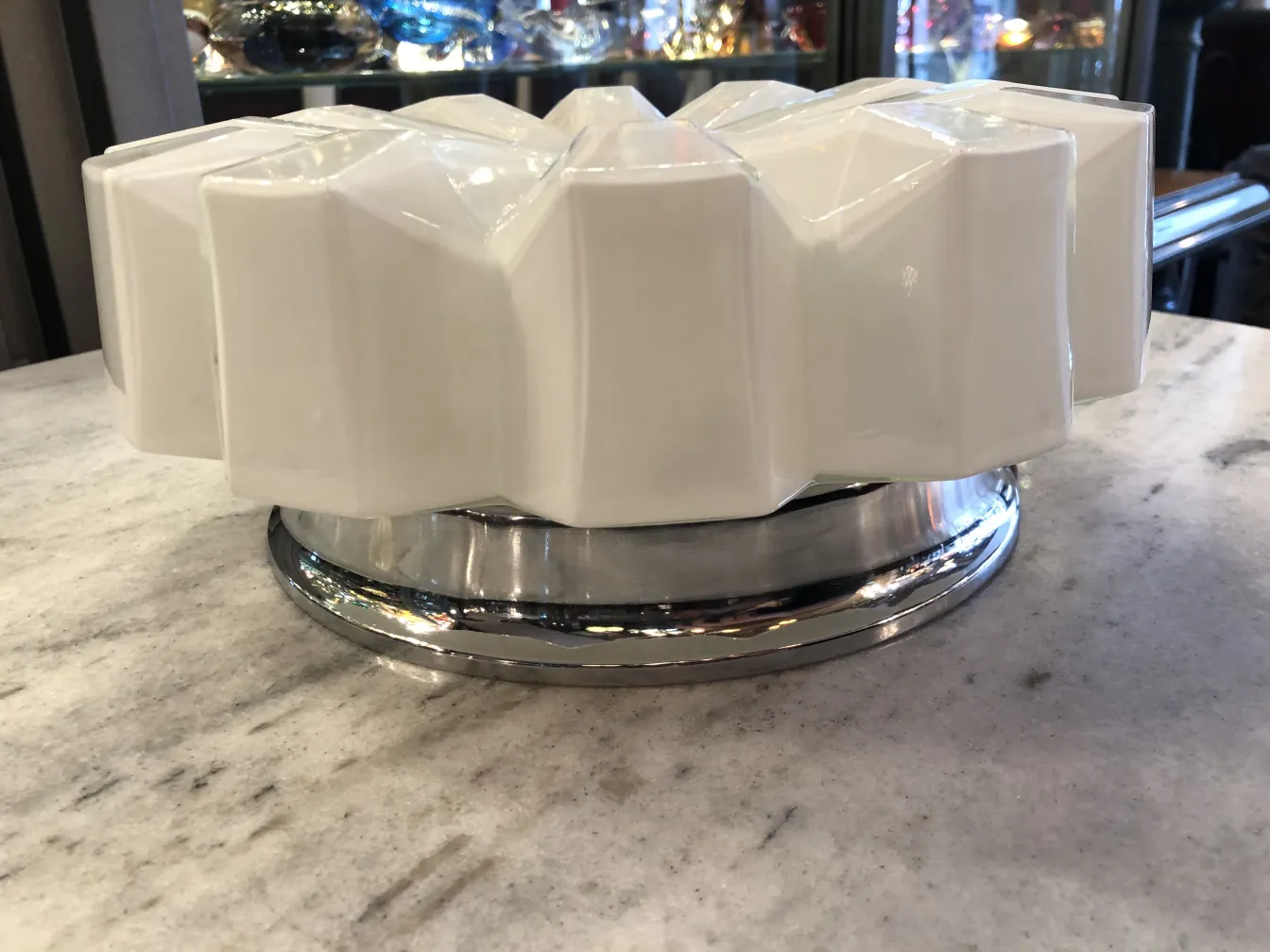
CEILING LIGHT

L-FL-111
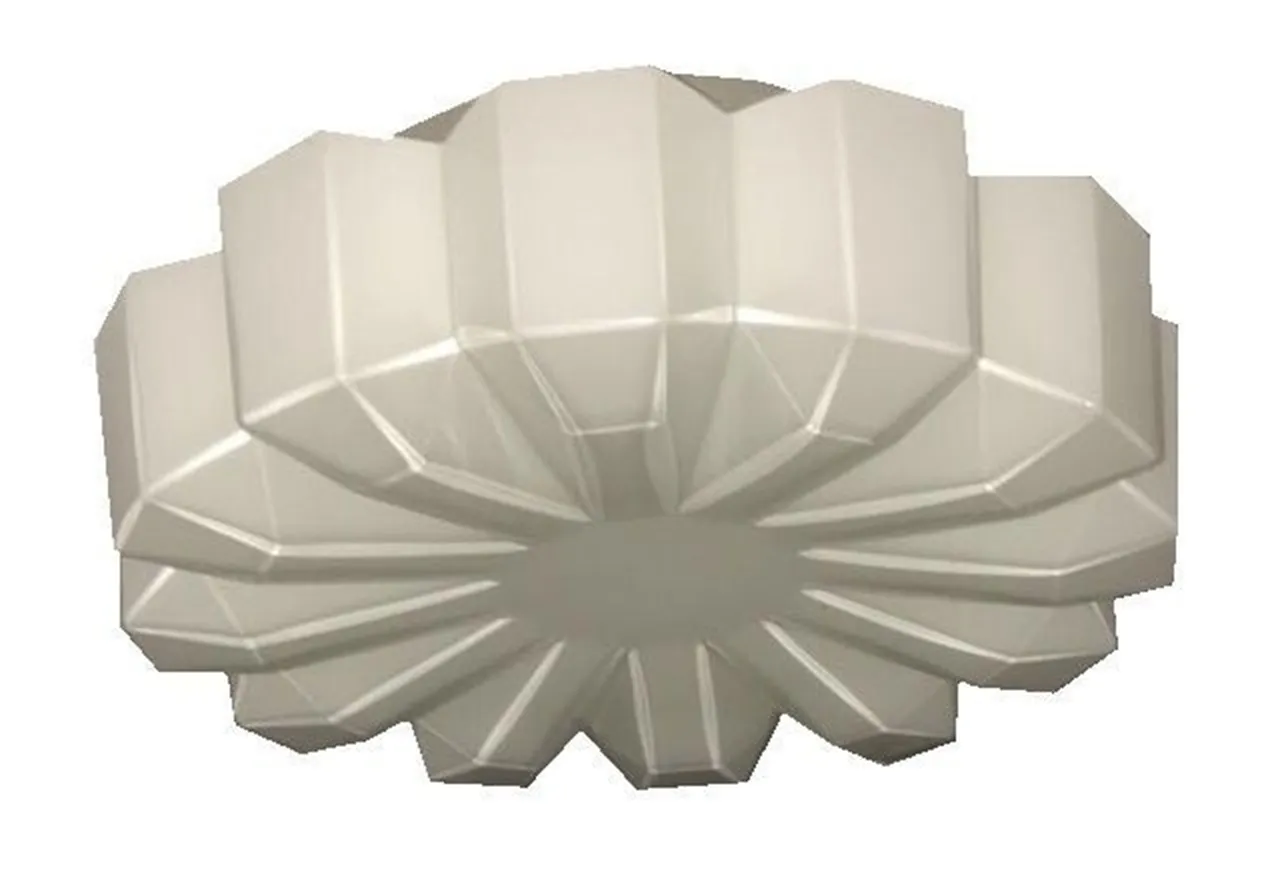
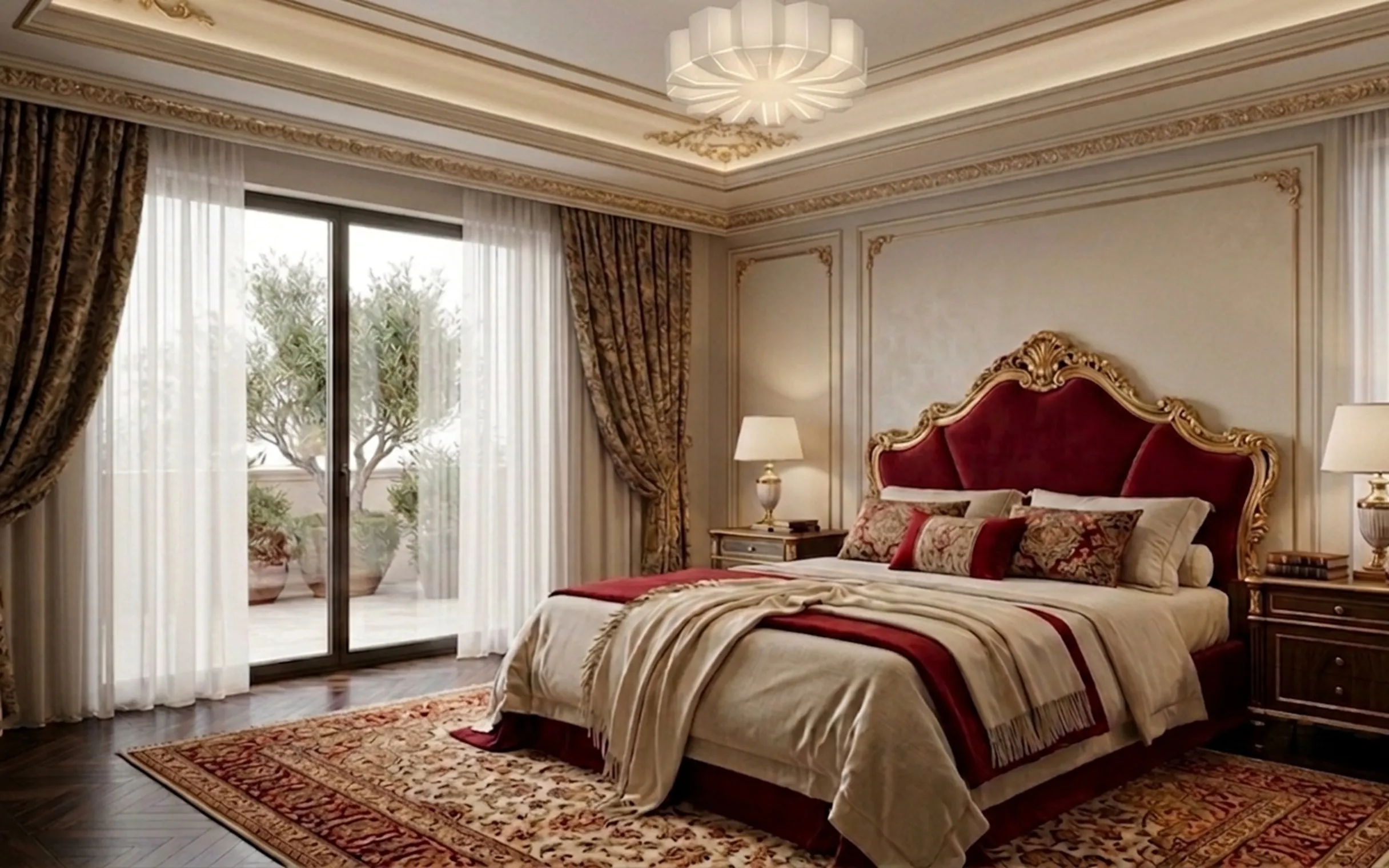
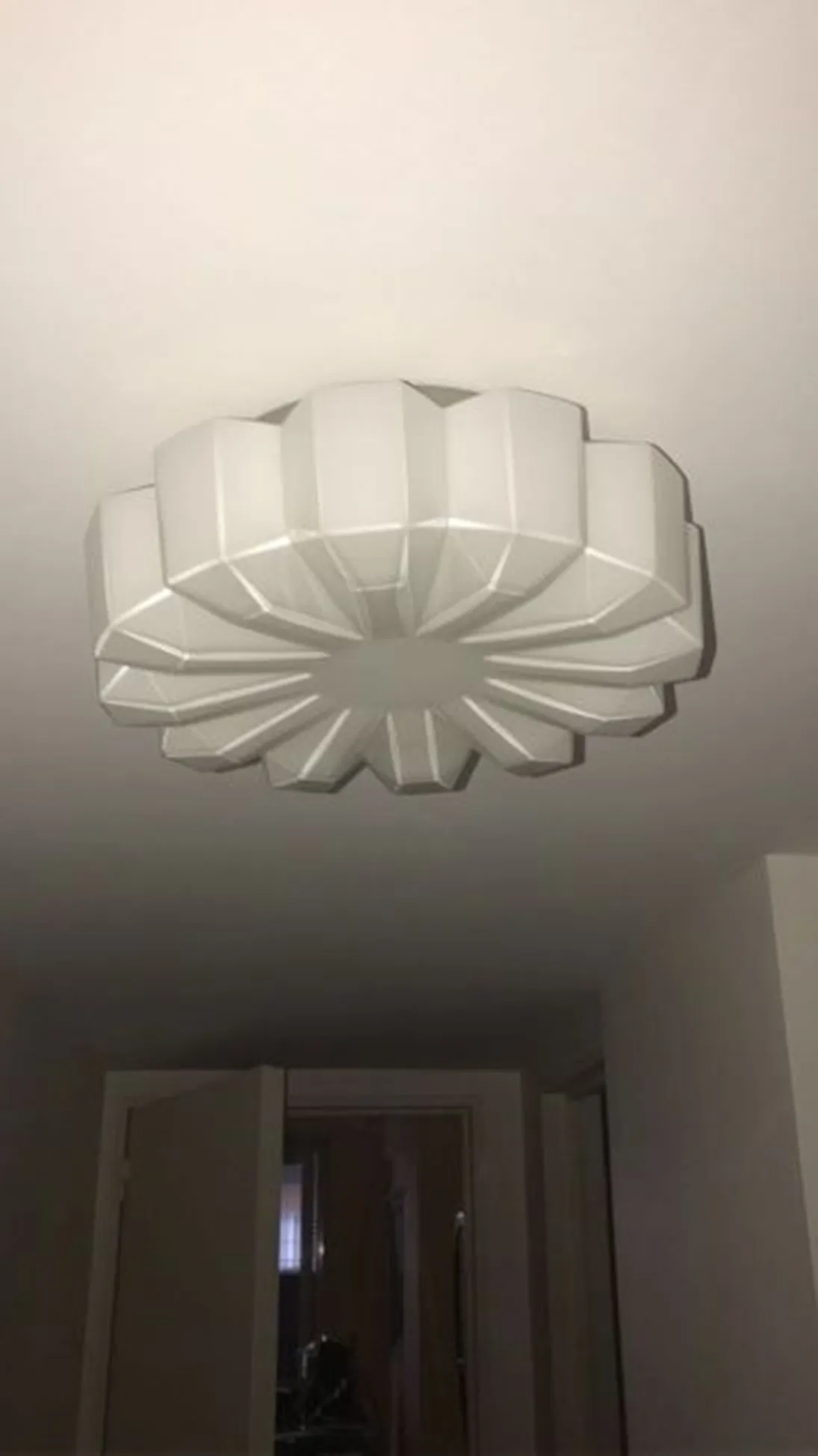
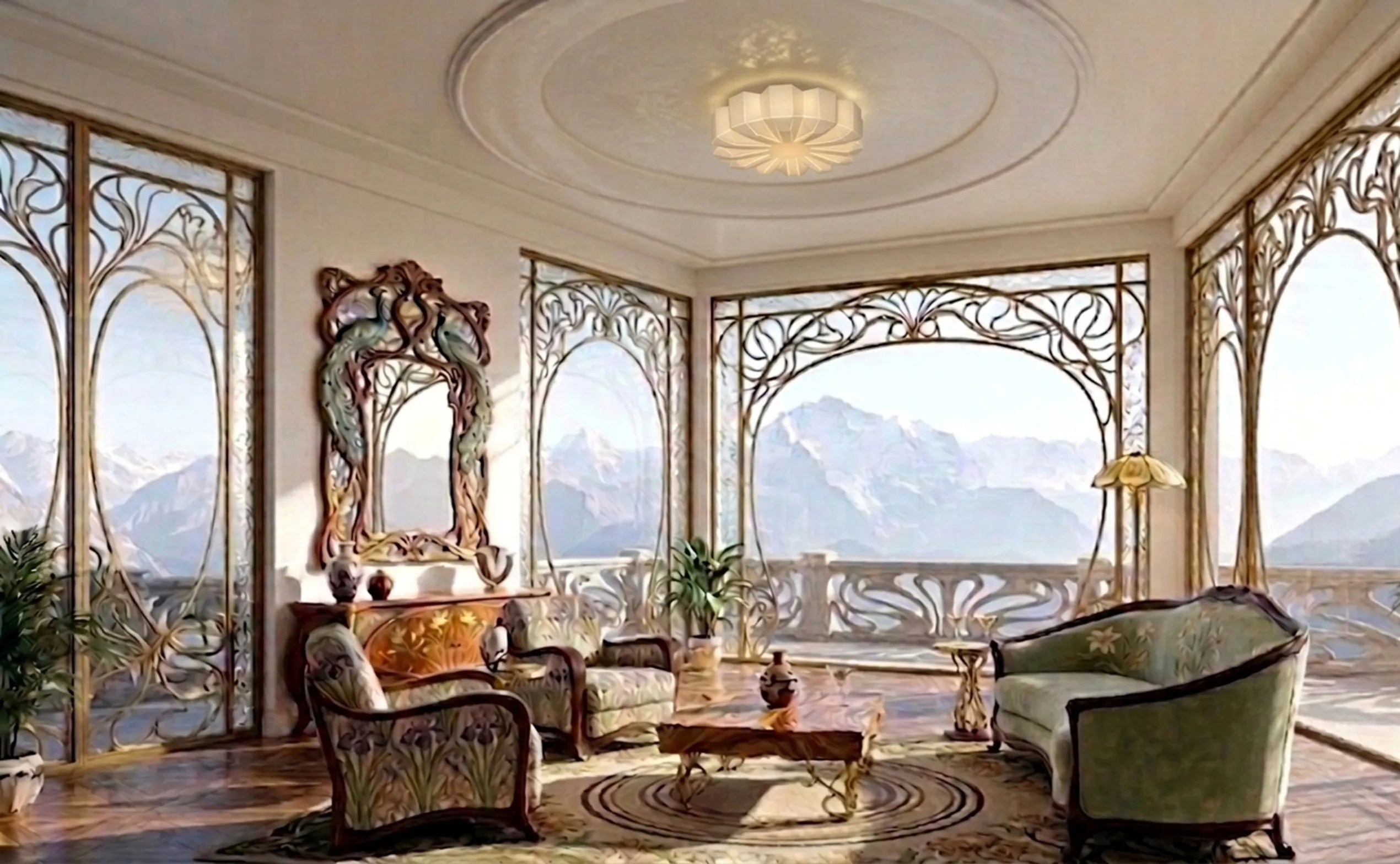
Antique decorative ceiling light in star shape illuminating a room
antique ceiling light shaped like a star with bright light
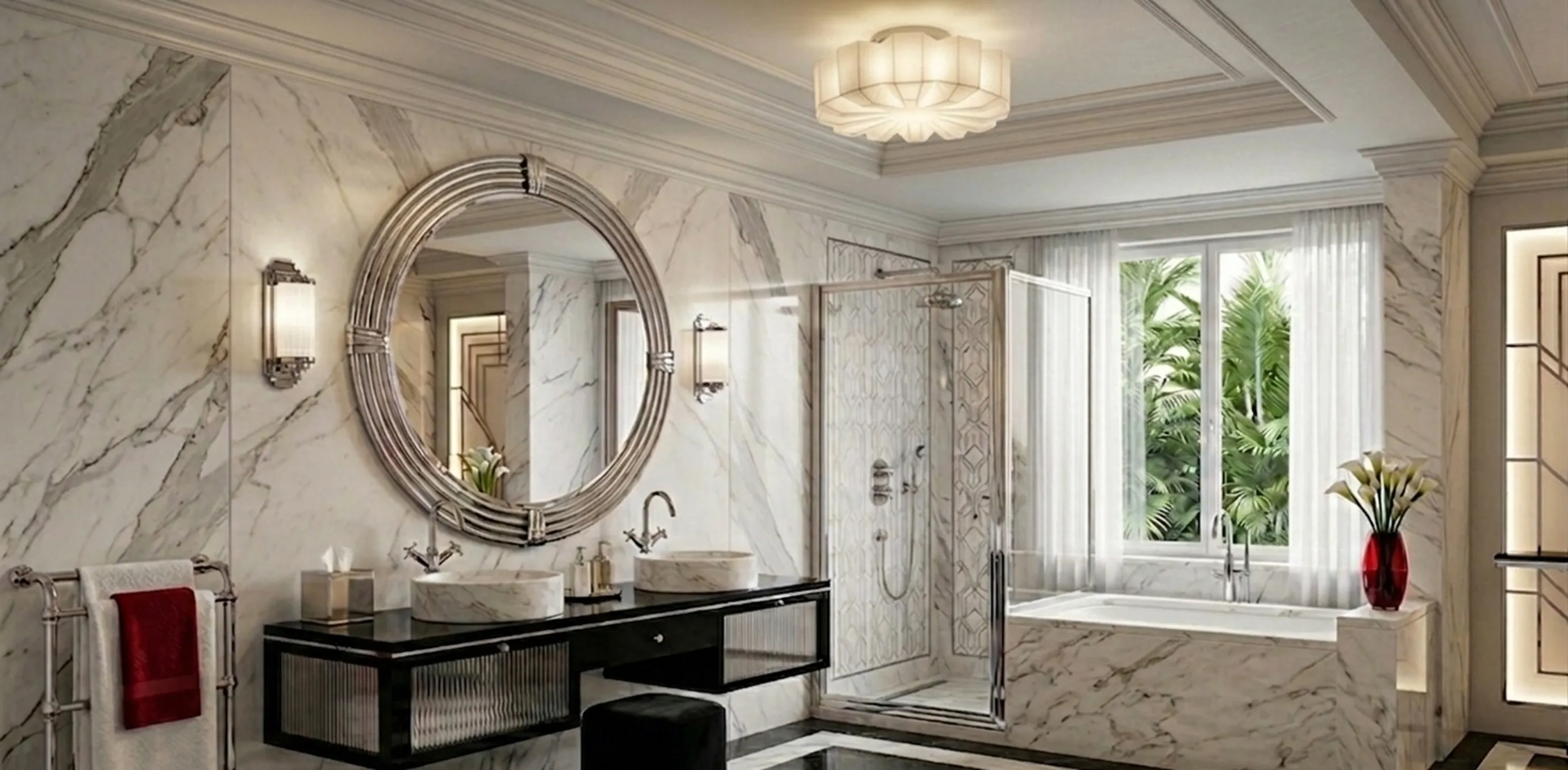
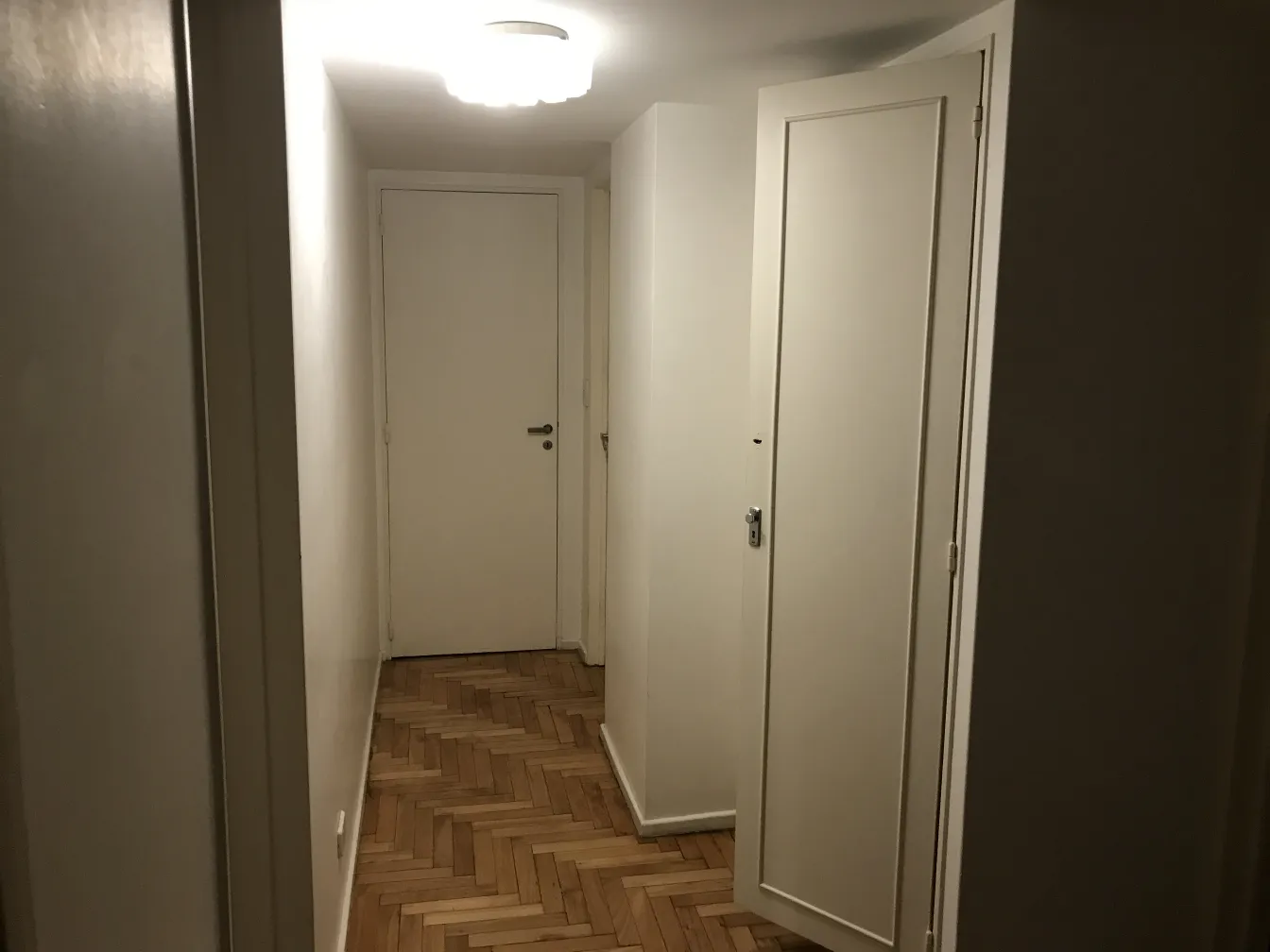
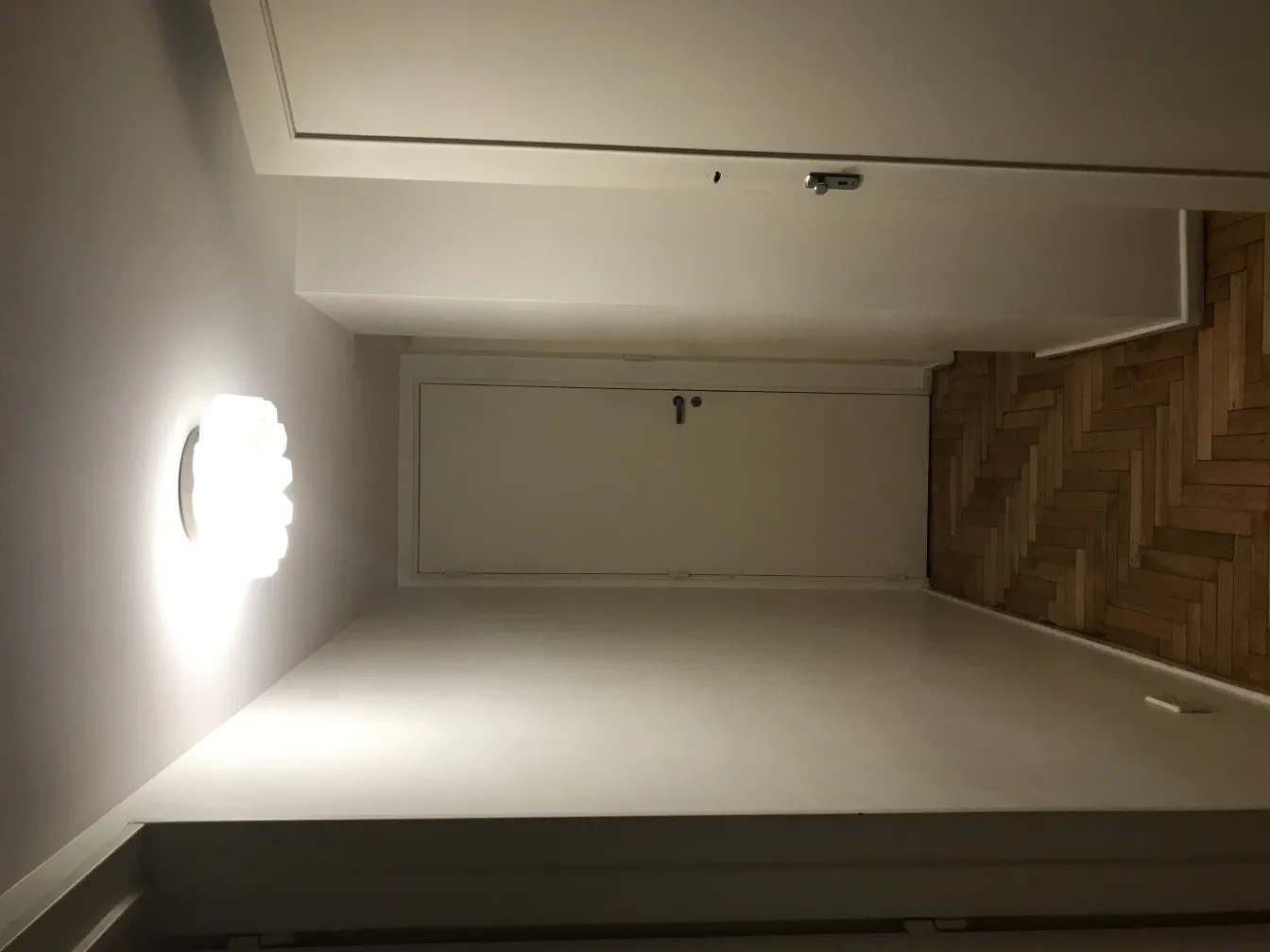
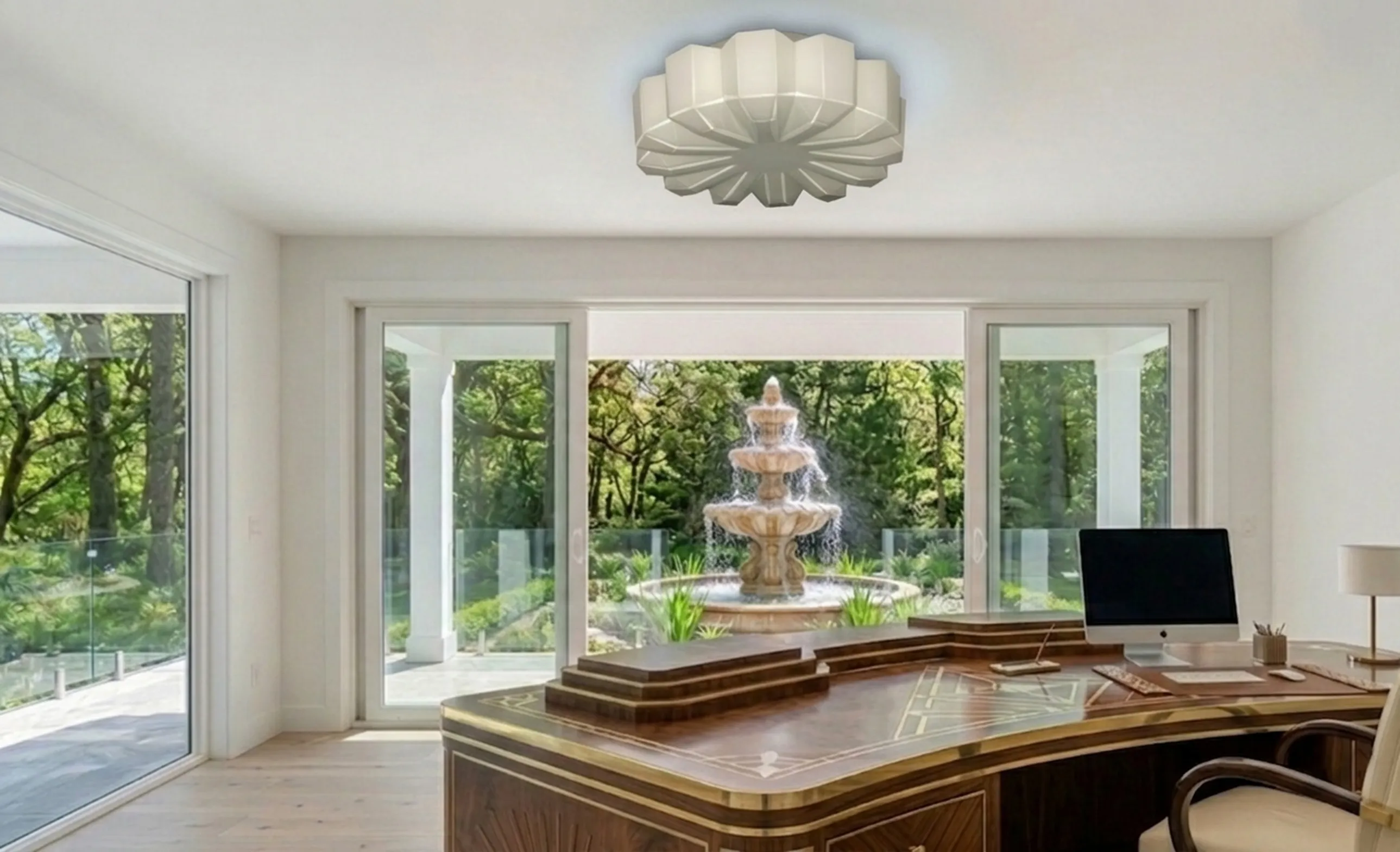
antique ceiling light illuminating a hallway with light walls
Antique decorative ceiling light fixture
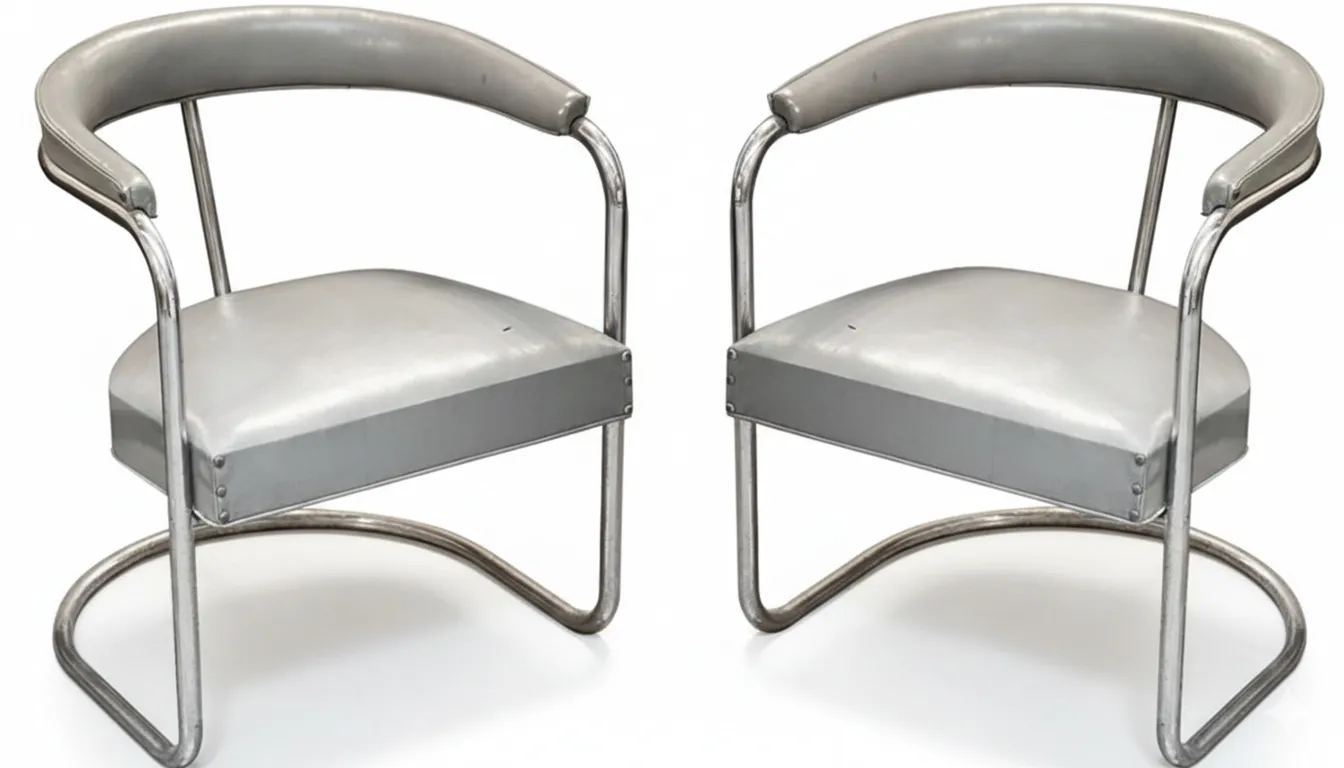
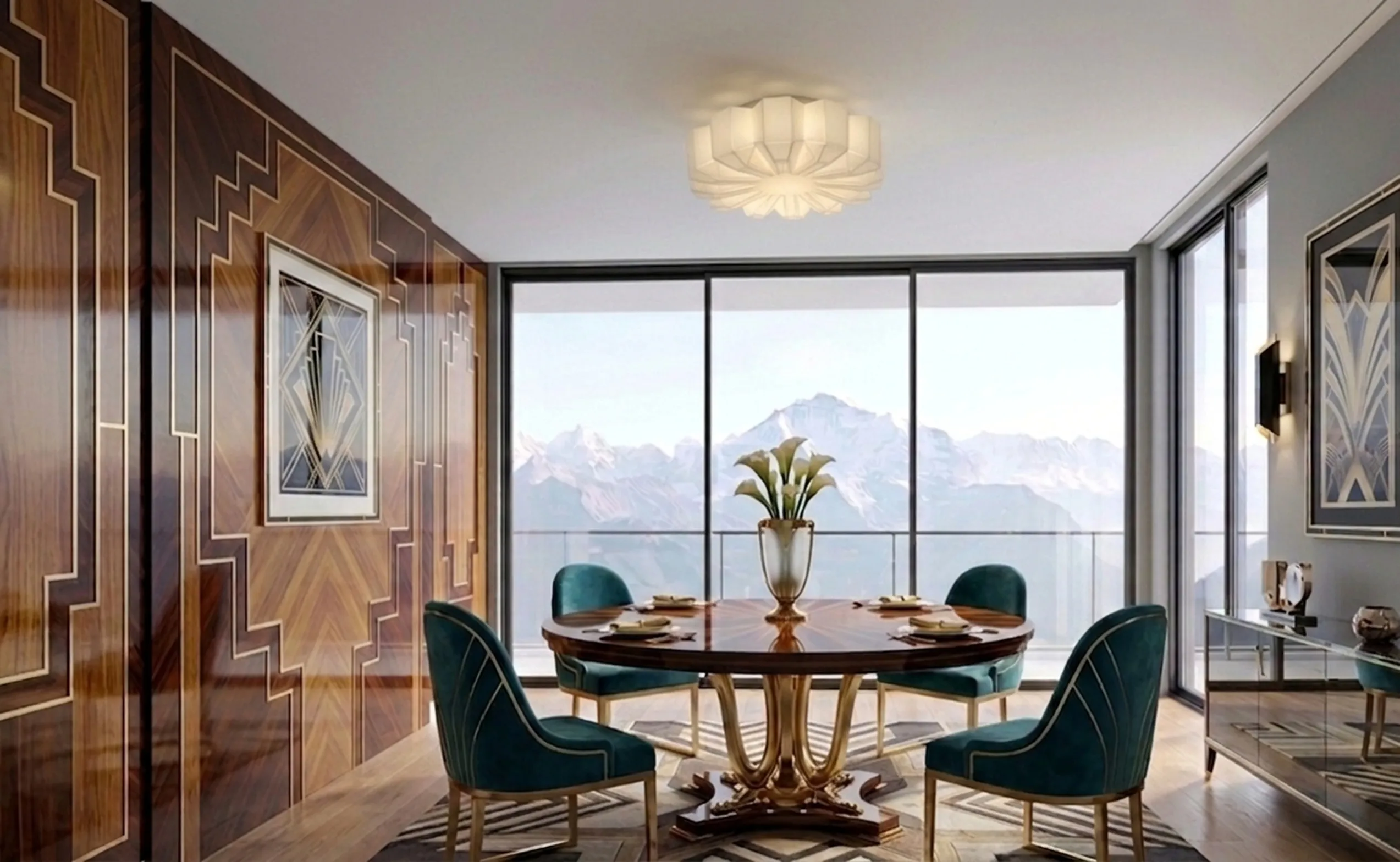
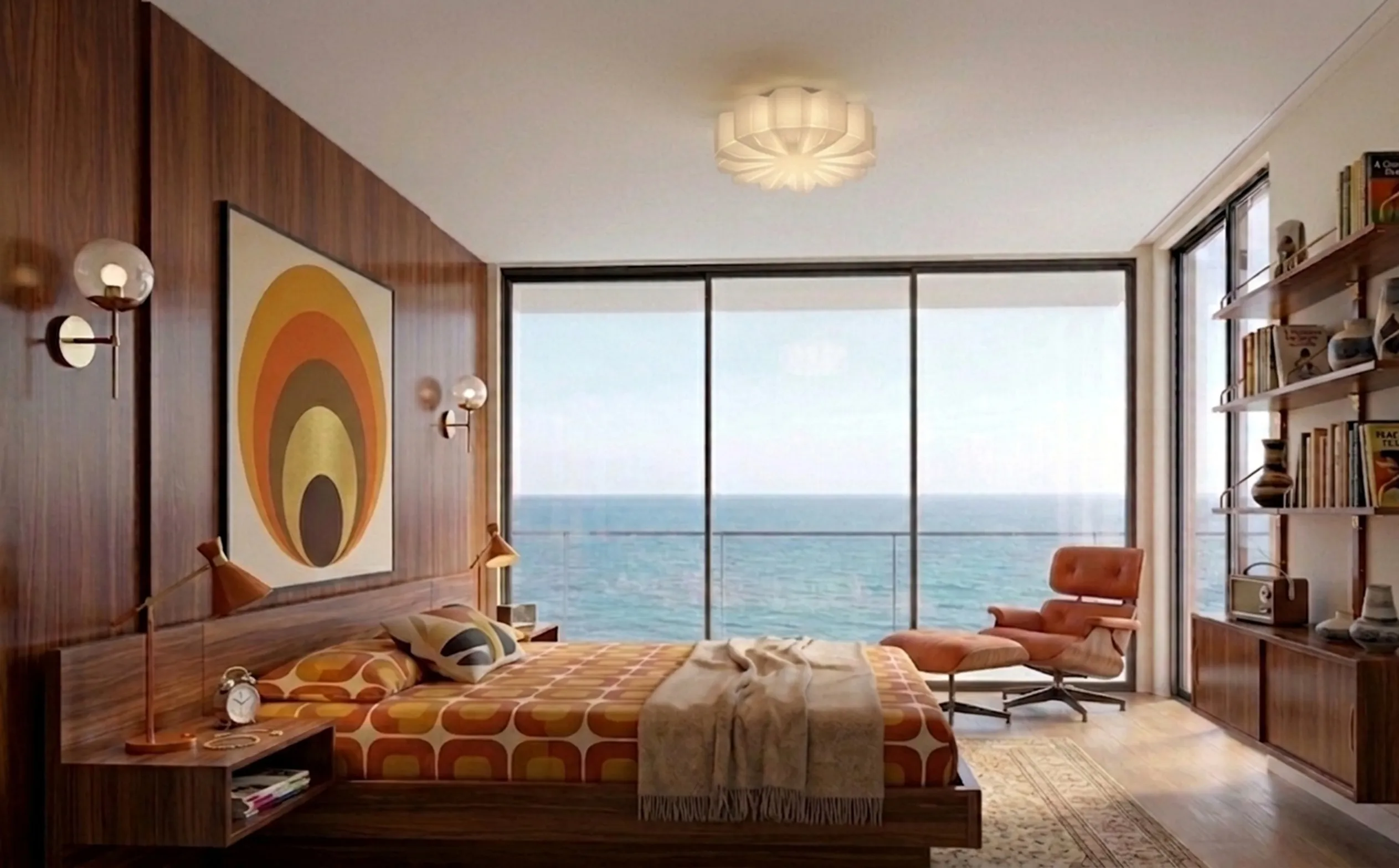
antique ceiling light illuminating a room with a decorative design
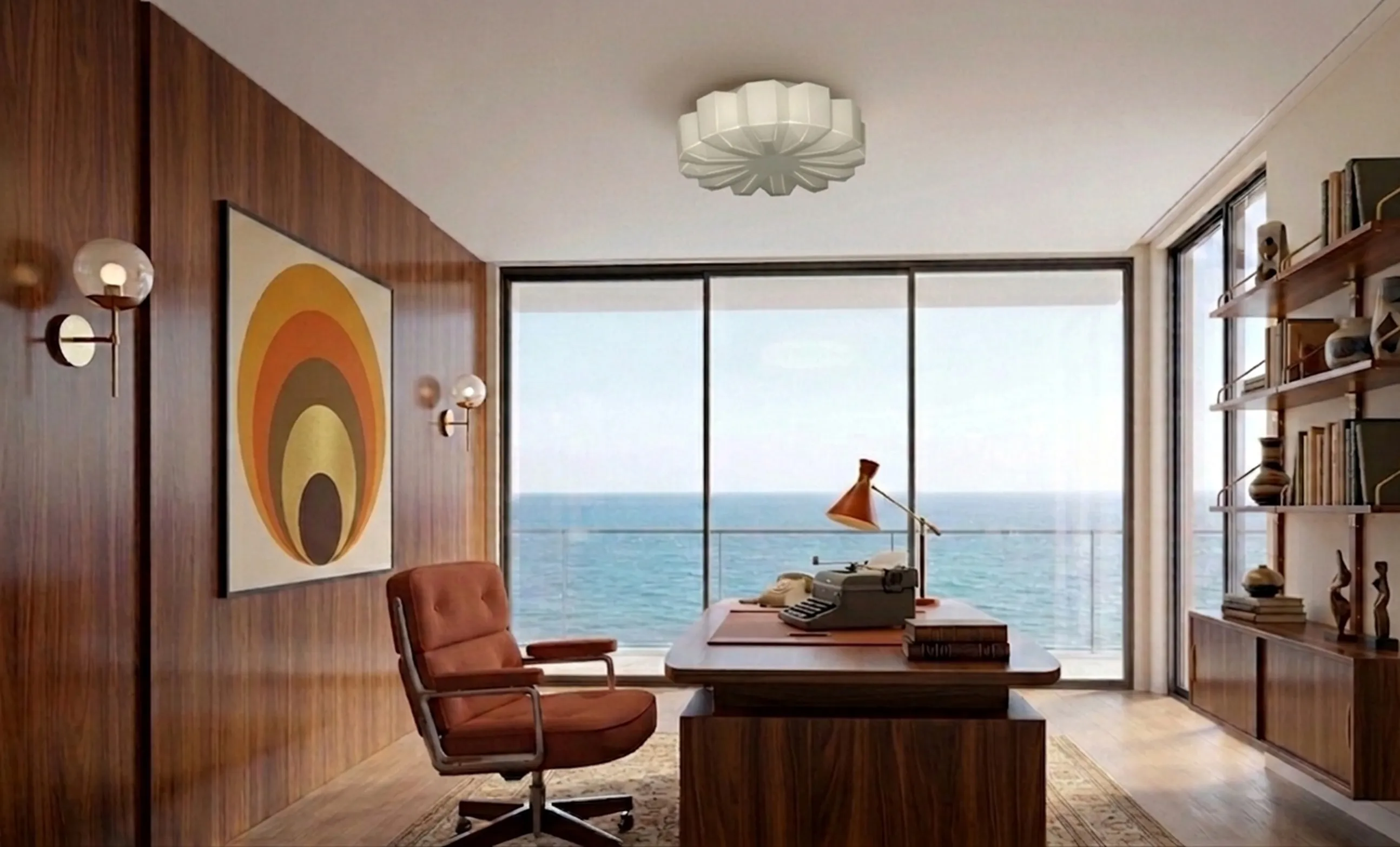
Antique ceiling light illuminating a neutral space
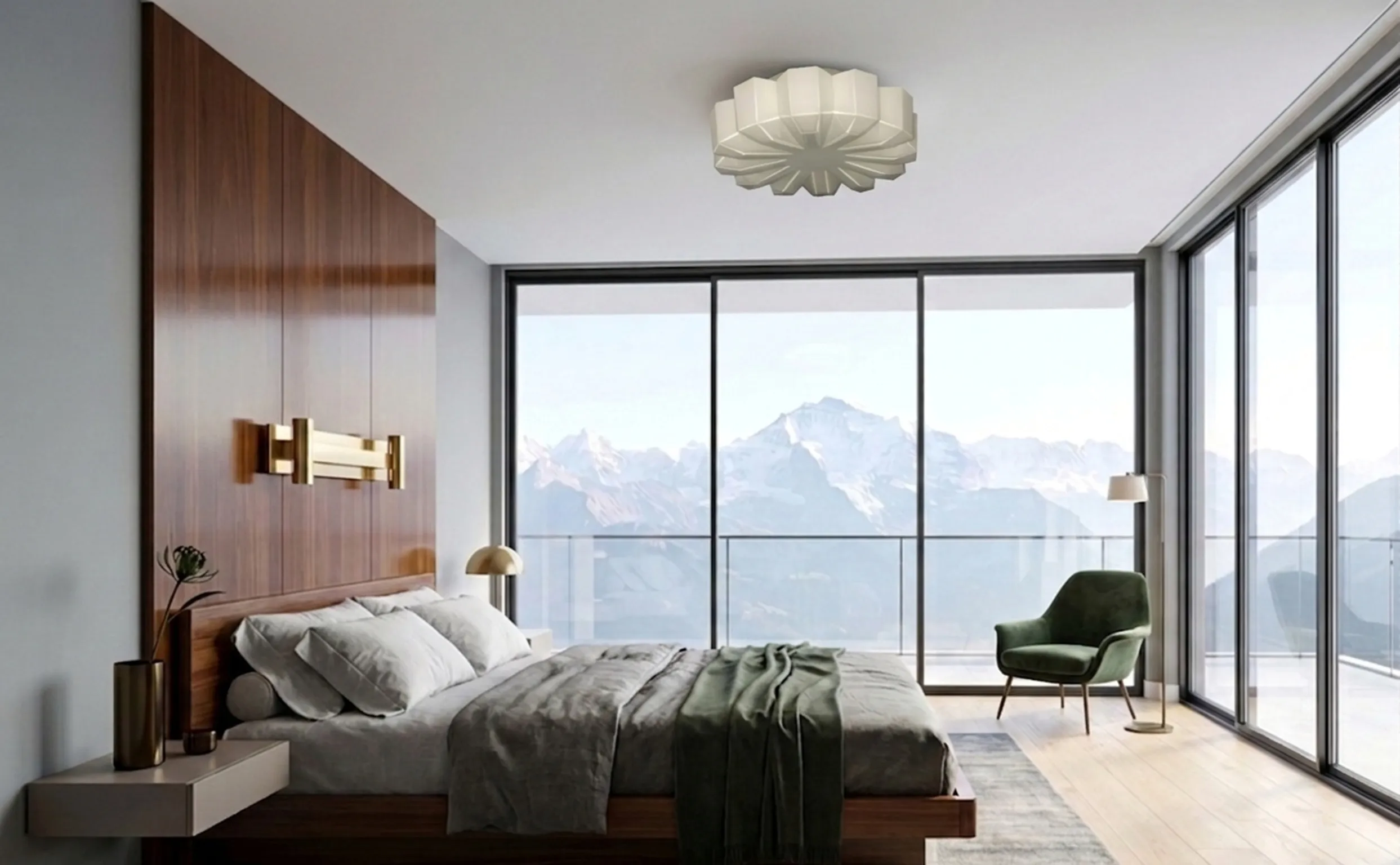
Antique ceiling light with angular design in elegant setting
antique ceiling light in a lit hallway
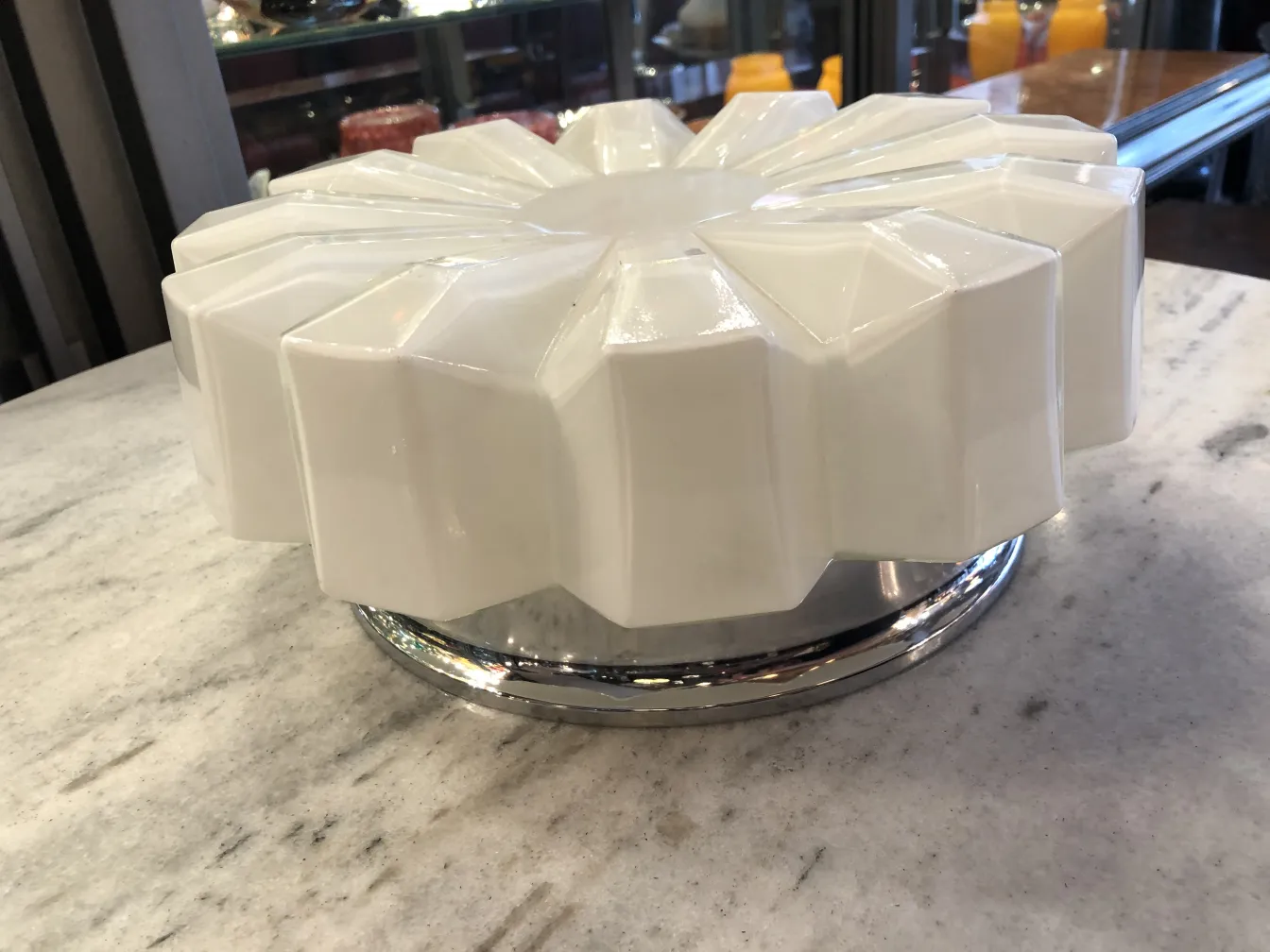
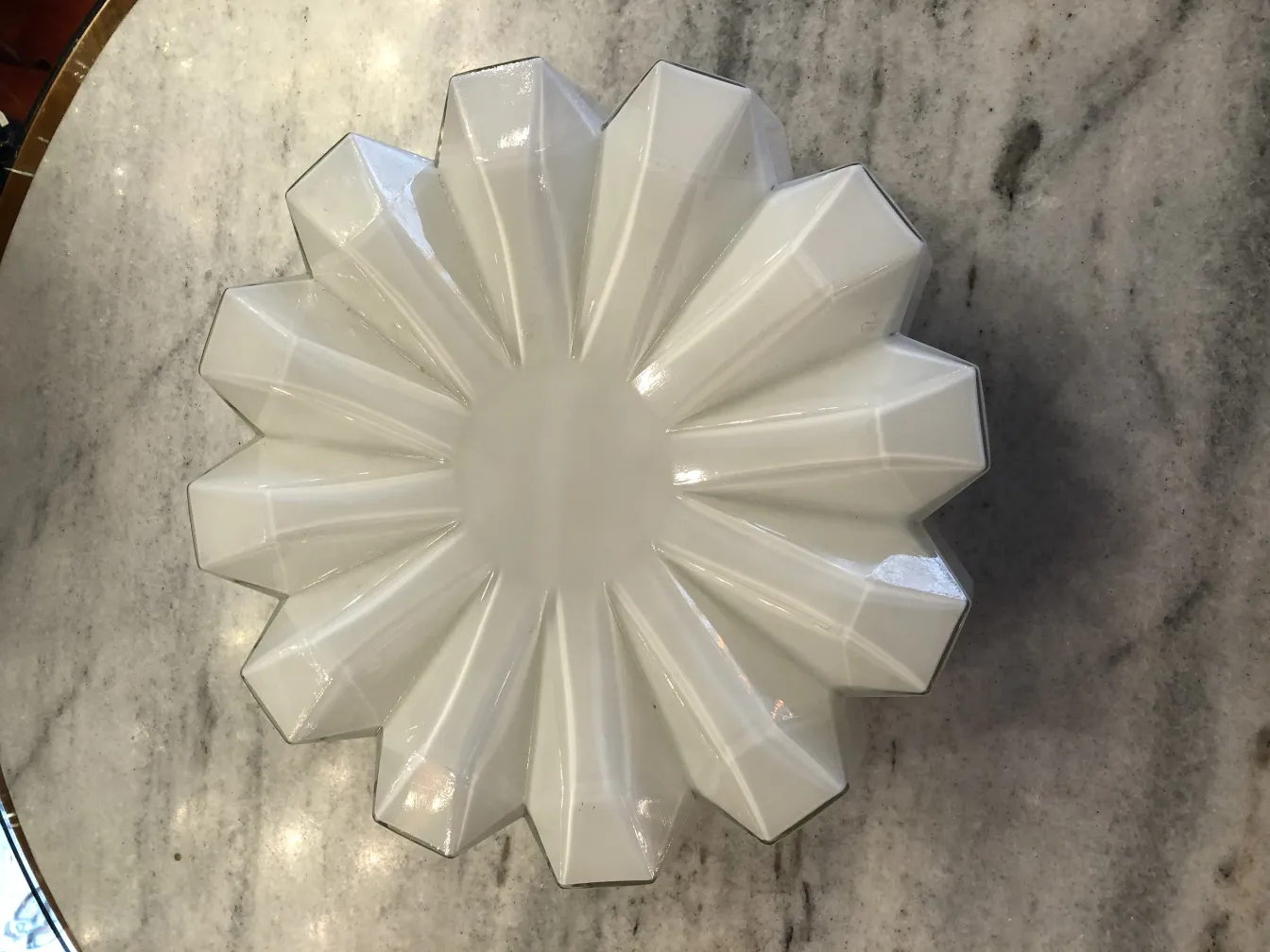
White antique ceiling light with geometric shape
antique ceiling light with geometric design in white
antique ceiling light with intricate design, central bright light
Antique decorative ceiling light in star shape illuminating a room
antique ceiling light shaped like a star with bright light
antique ceiling light illuminating a hallway with light walls
Antique decorative ceiling light fixture
antique ceiling light illuminating a room with a decorative design
Antique ceiling light illuminating a neutral space
Antique ceiling light with angular design in elegant setting
antique ceiling light in a lit hallway
White antique ceiling light with geometric shape
antique ceiling light with geometric design in white
antique ceiling light with intricate design, central bright light
Measure +
Height11 cm / 4.33 in
Diameter30 cm / 11.81 in
Material Chrome, Opaline
Country France
Store Defensa 982
Style / Information +
0:00 / 0:00

Art Deco

"The name Art Deco was assigned in the 1960s, at the exhibition "Les Années 25" held in Paris at the Museum of Decorative Arts.


  1. The first pieces could be seen at the International Exhibition of "Decorative Arts and Modern Industry" held in Paris in 1925. This exhibition was a direct response to the Turin exhibitions of 1902 and Milan of 1906.


  1. The Art Deco style emerged between 1920 and 1940 and is represented by symmetrical, rectilinear lines, abstract designs, and bold colors.


  1. It featured the implementation of exotic materials such as parchment, shagreen (the skin of a small shark or ray), chrome pieces, and enamels, as well as ivory and mother-of-pearl inlays.


In contrast, Art Nouveau was more focused on asymmetrical, curved lines inspired by nature."