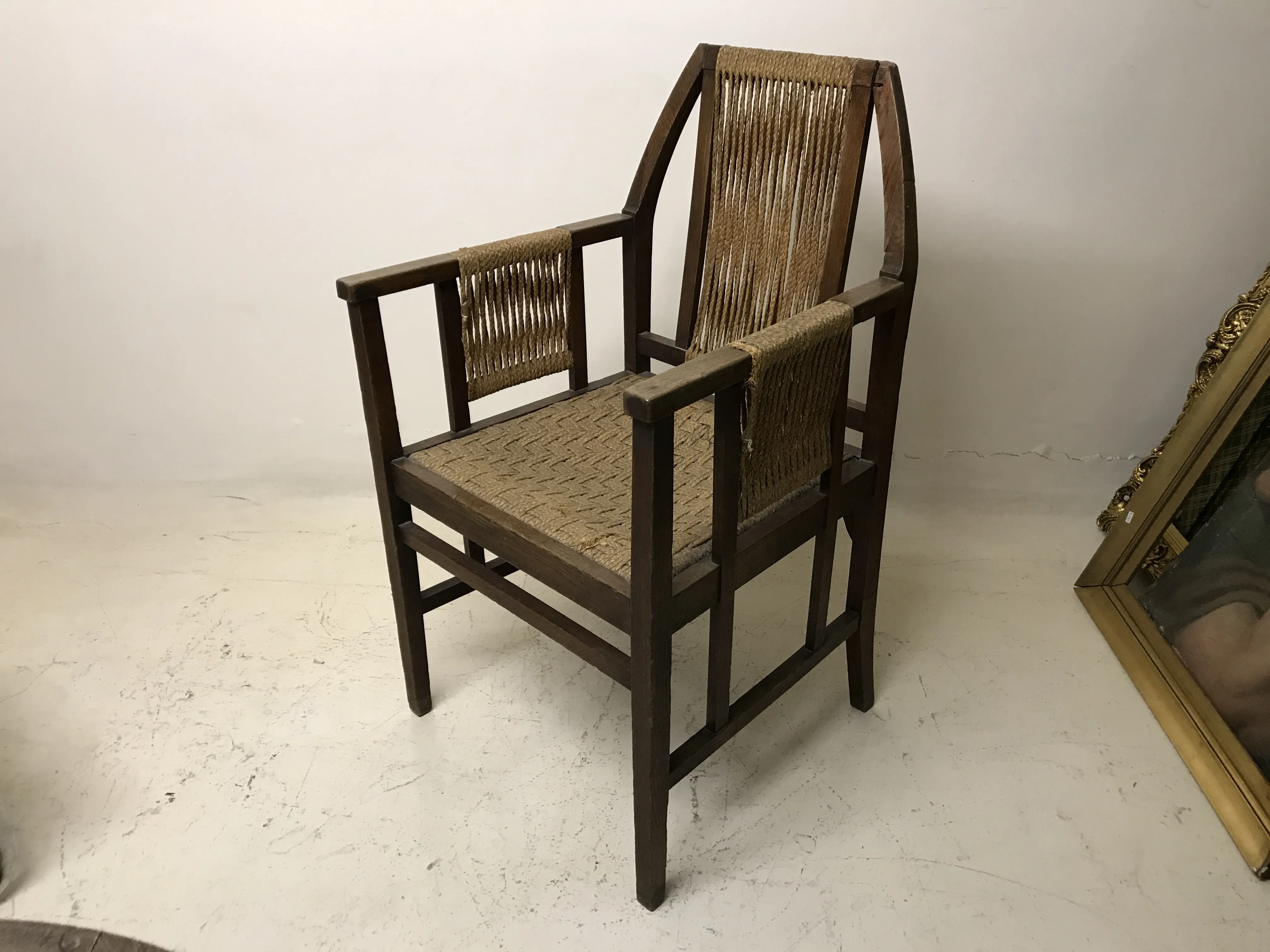
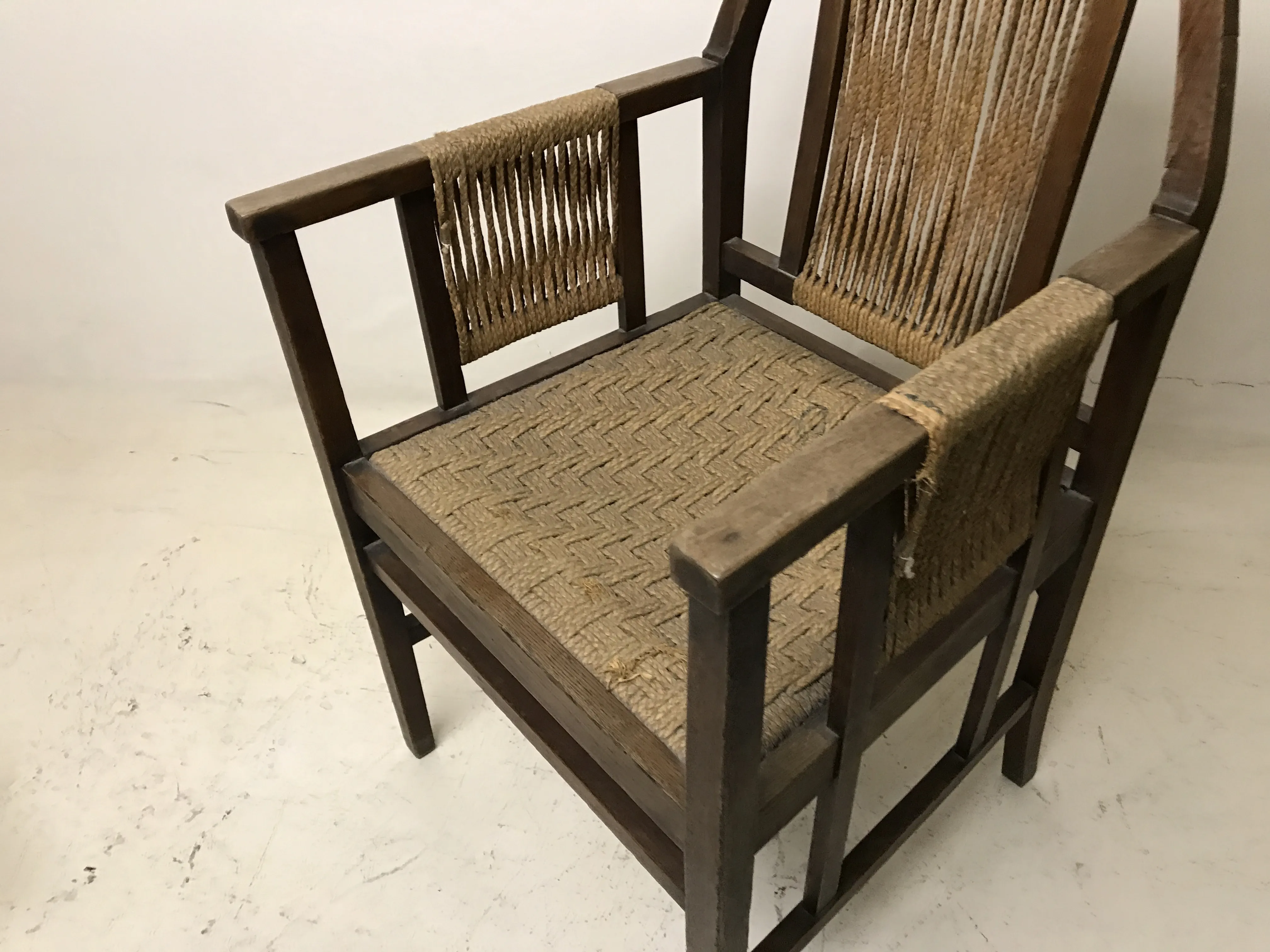
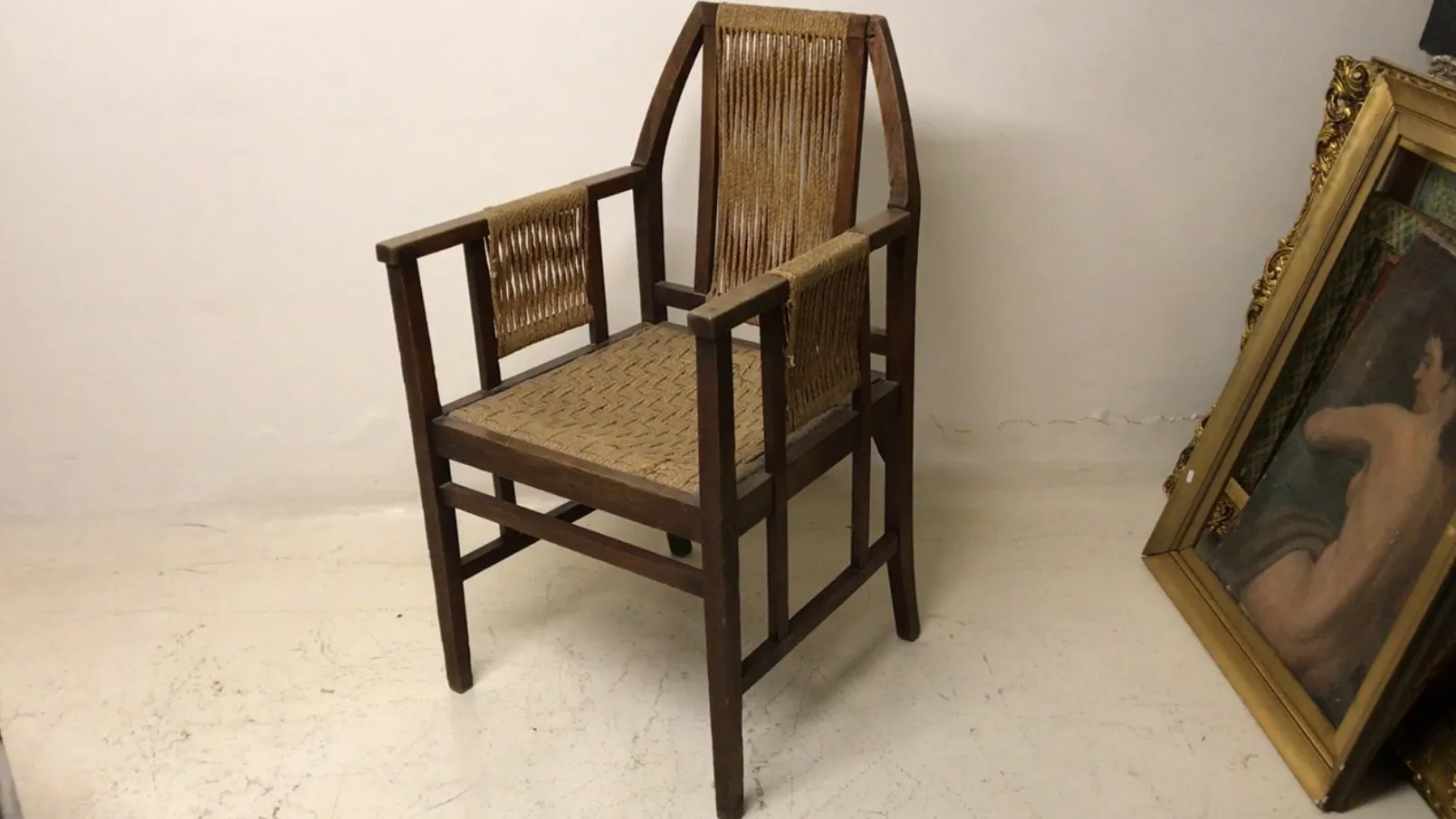
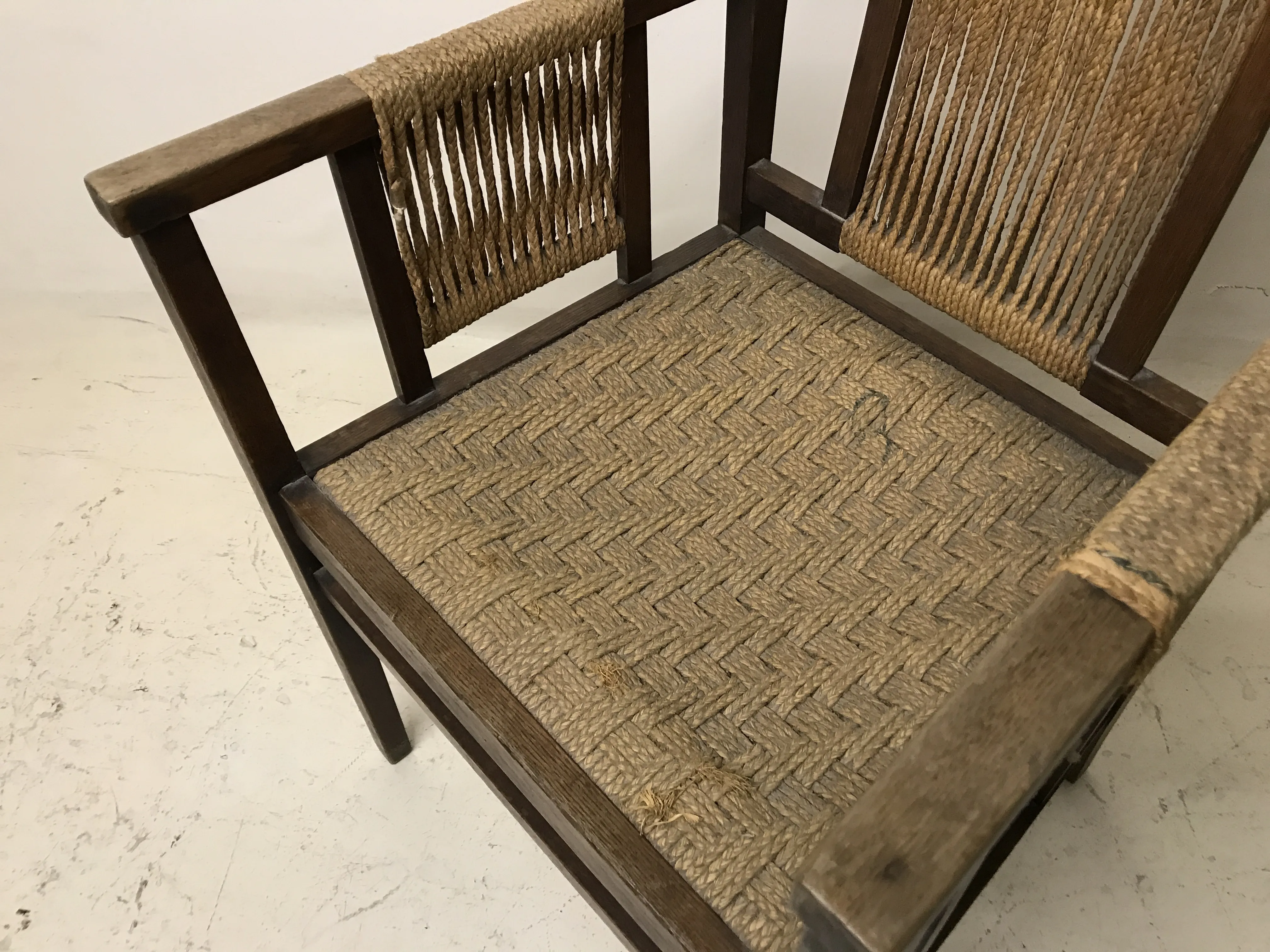
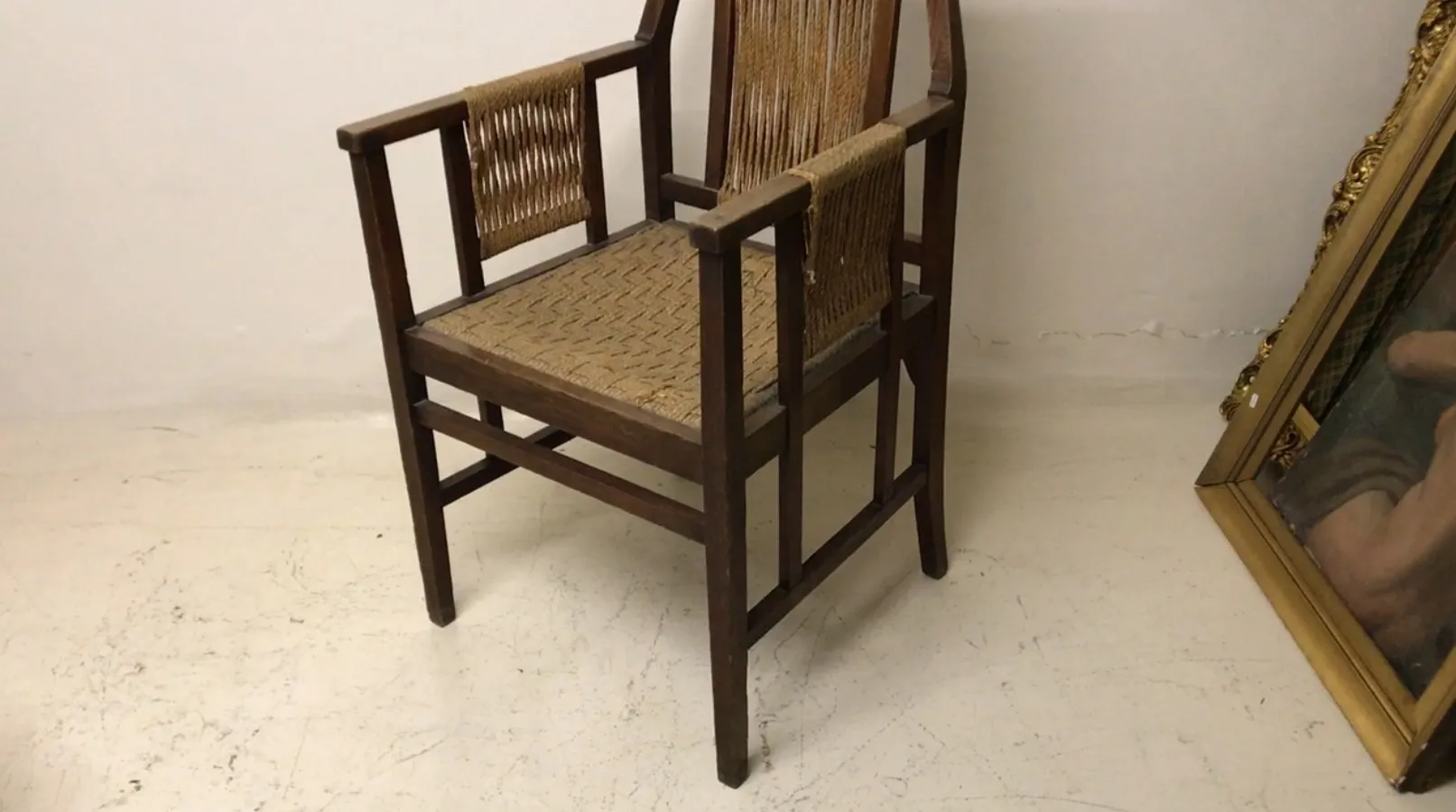
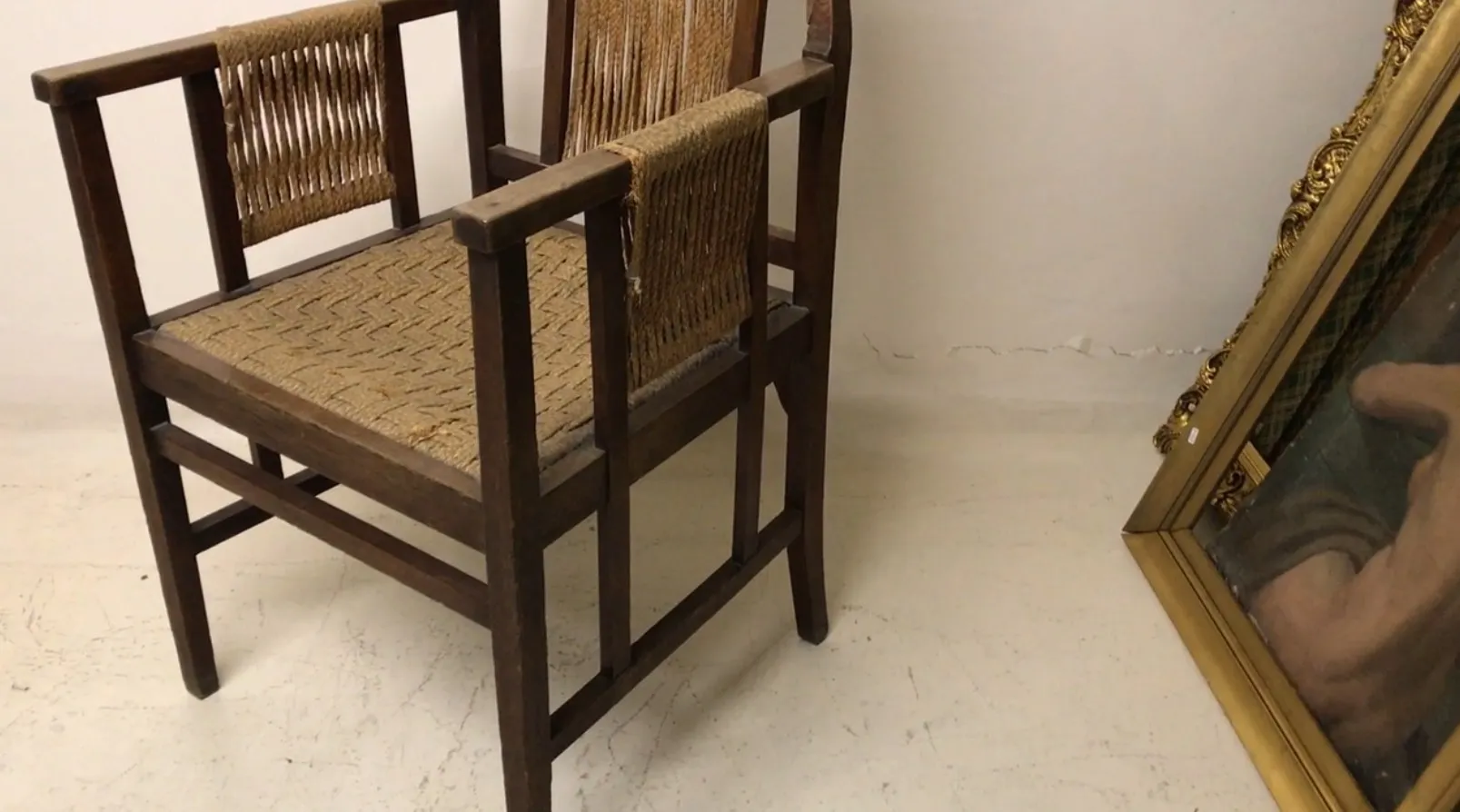
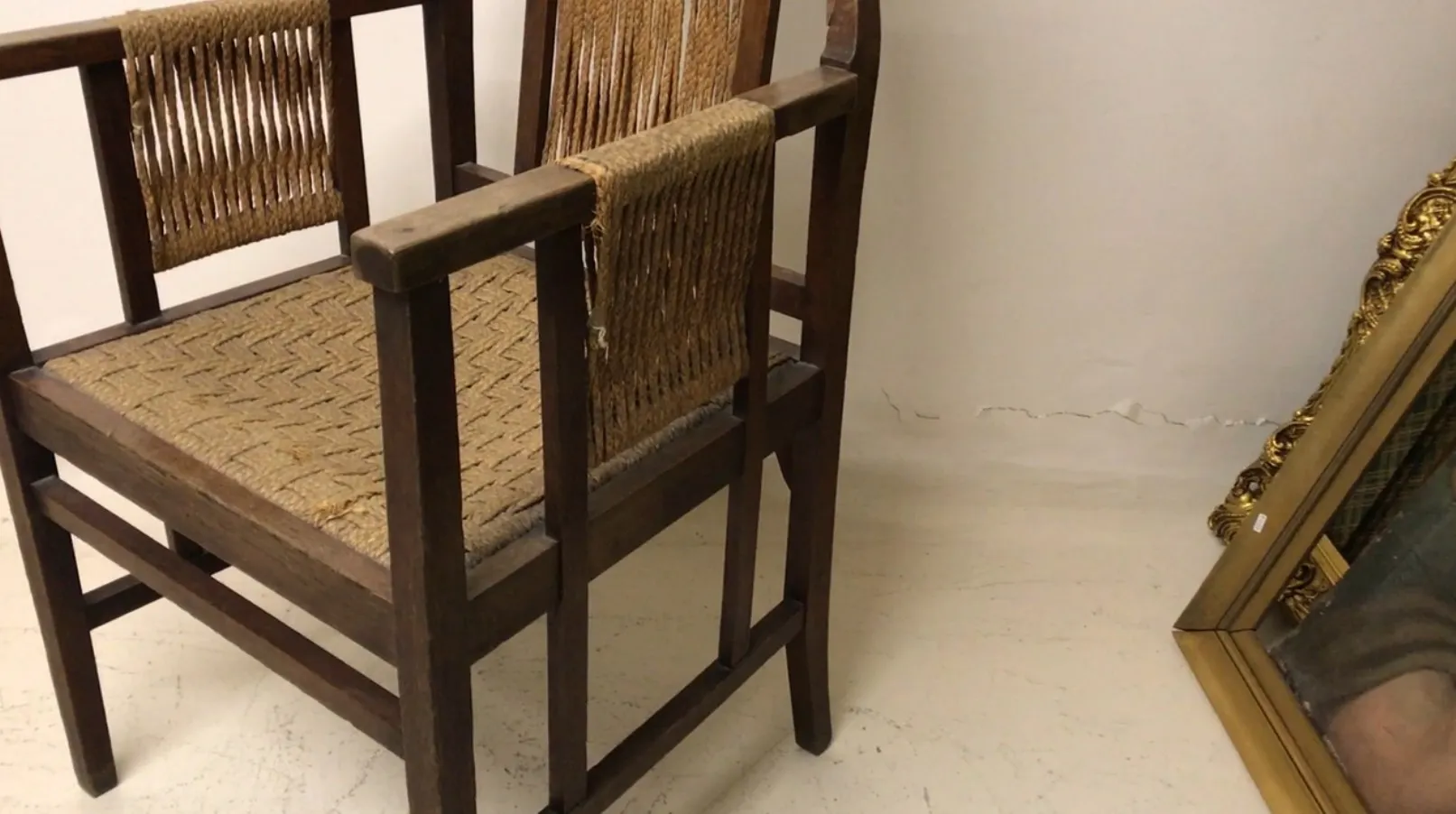
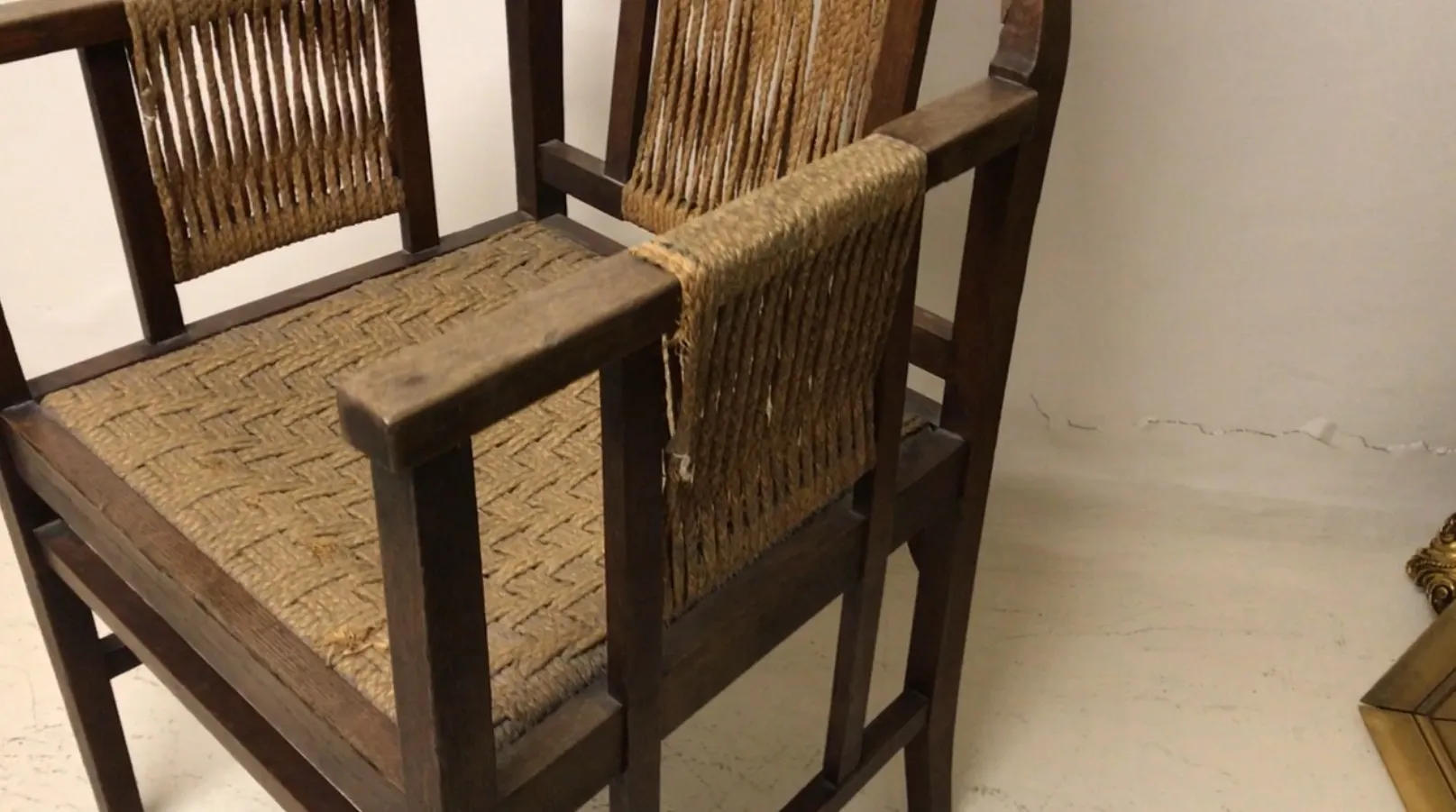
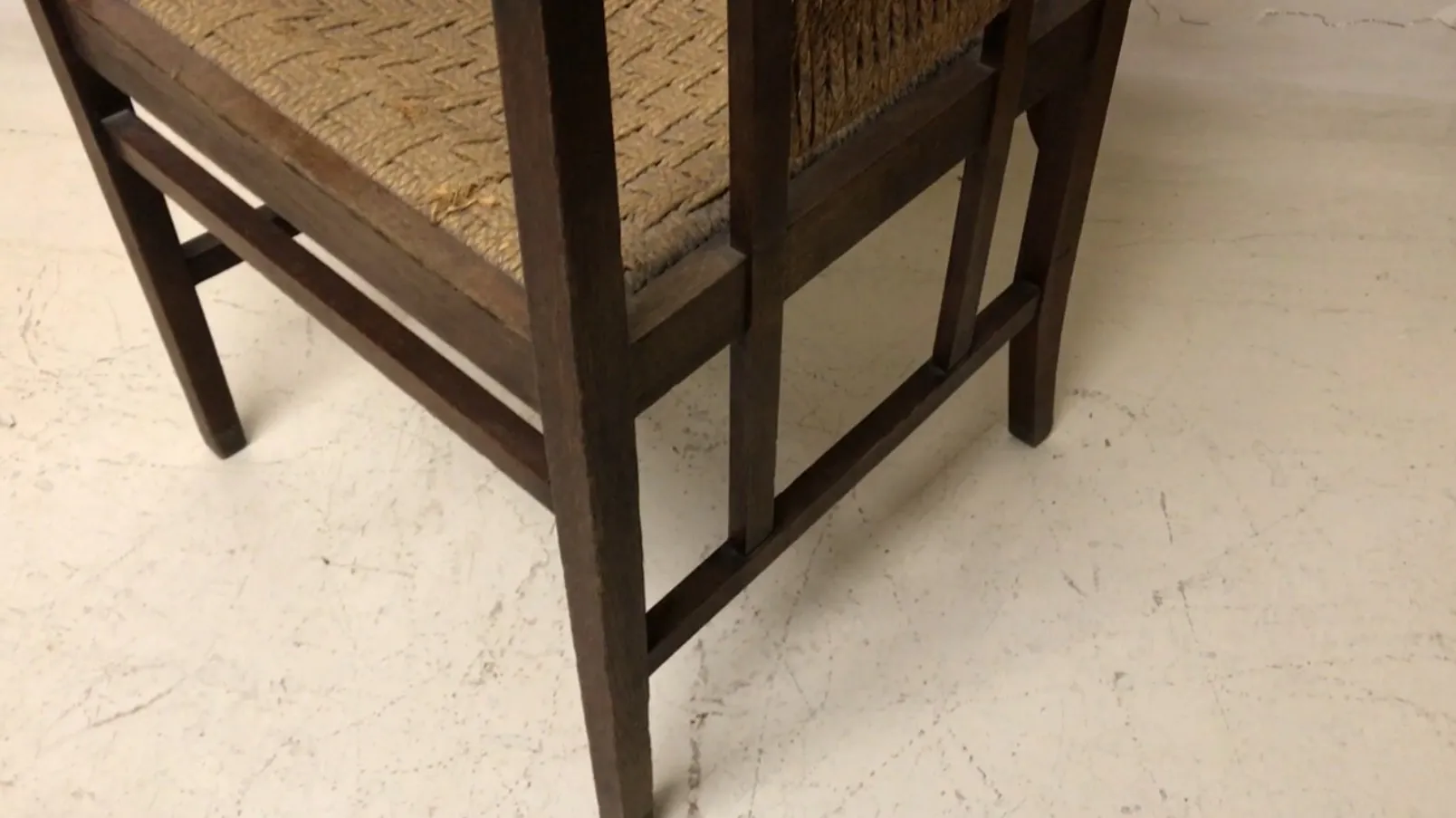
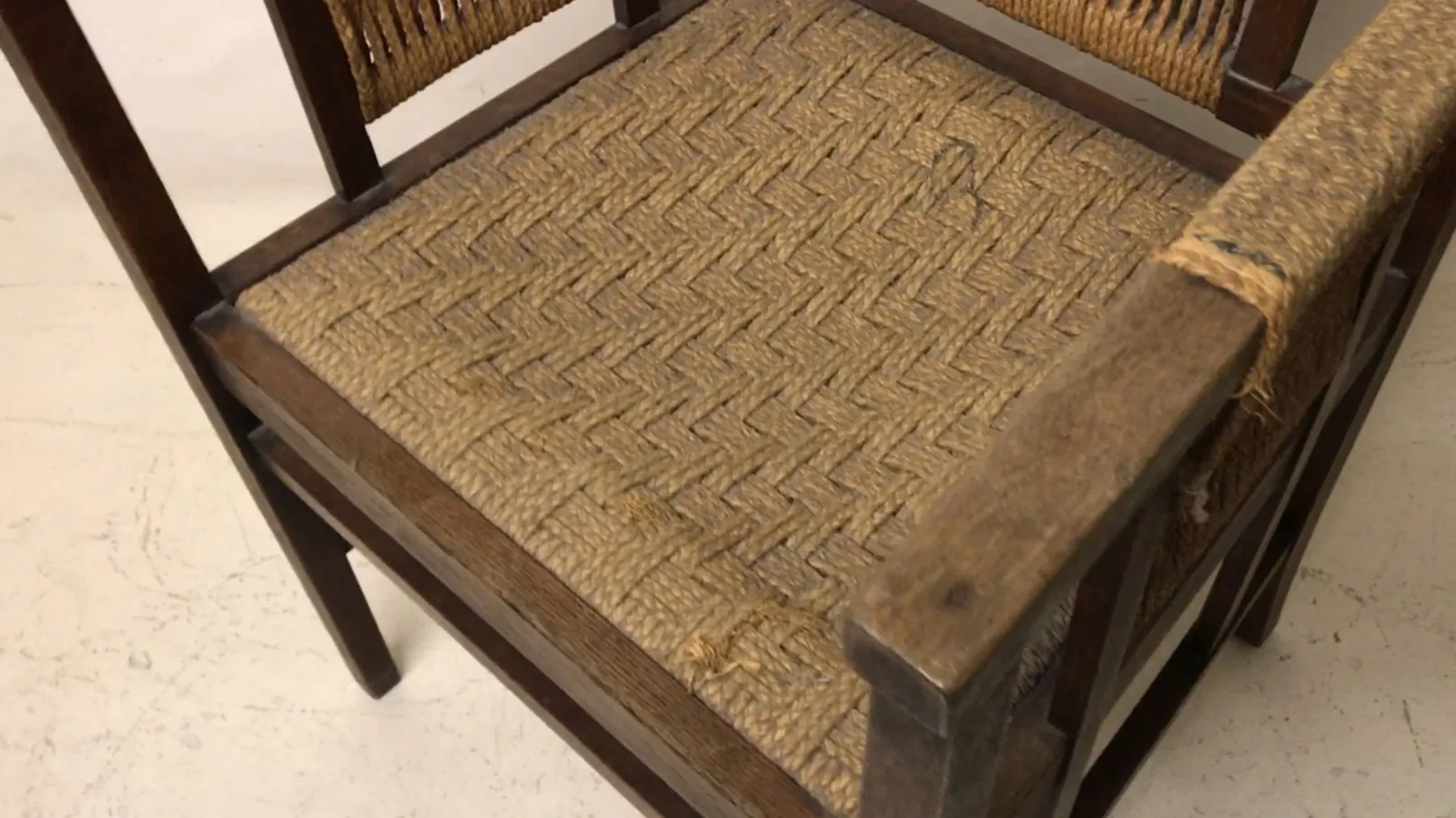
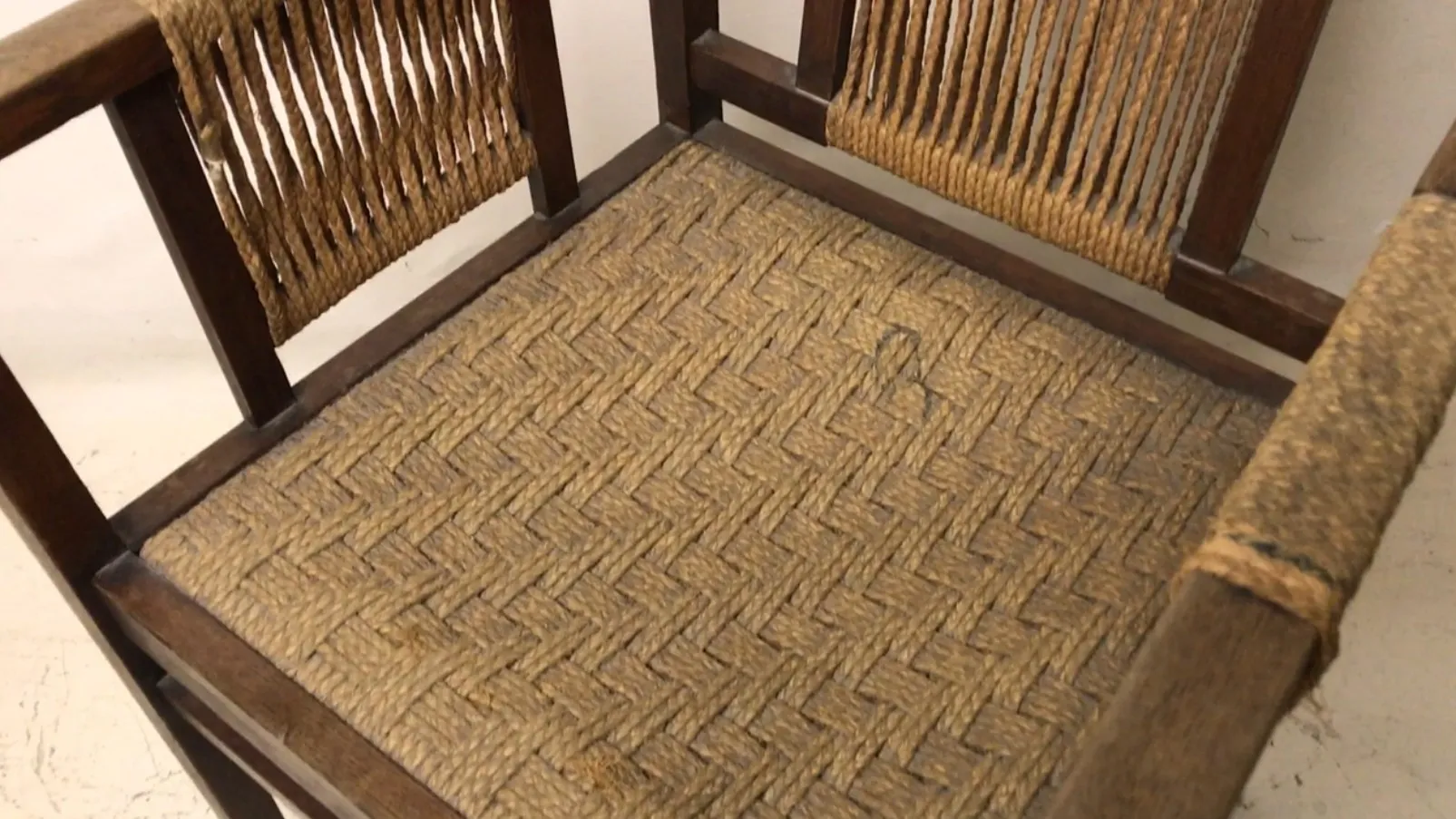
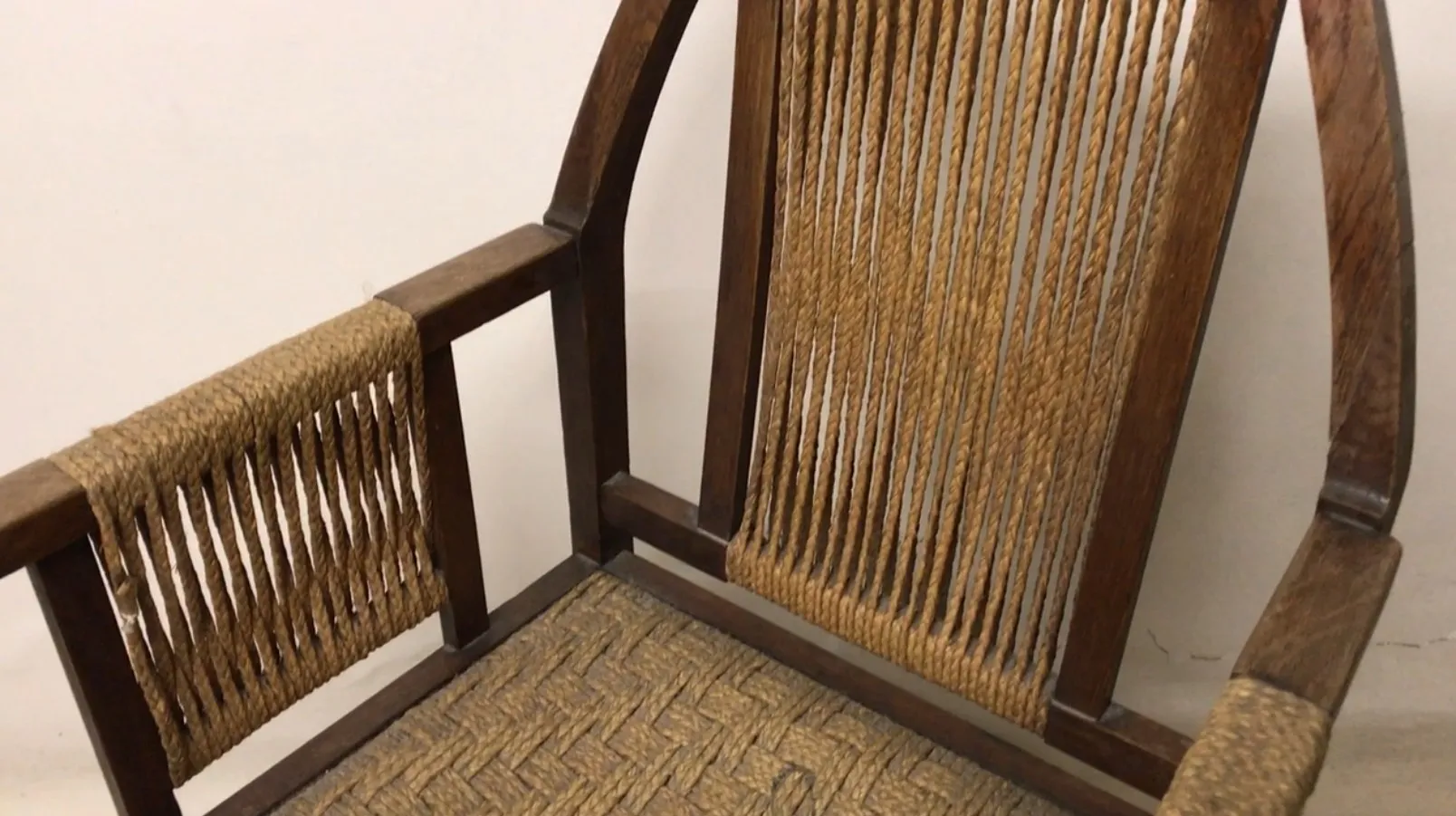
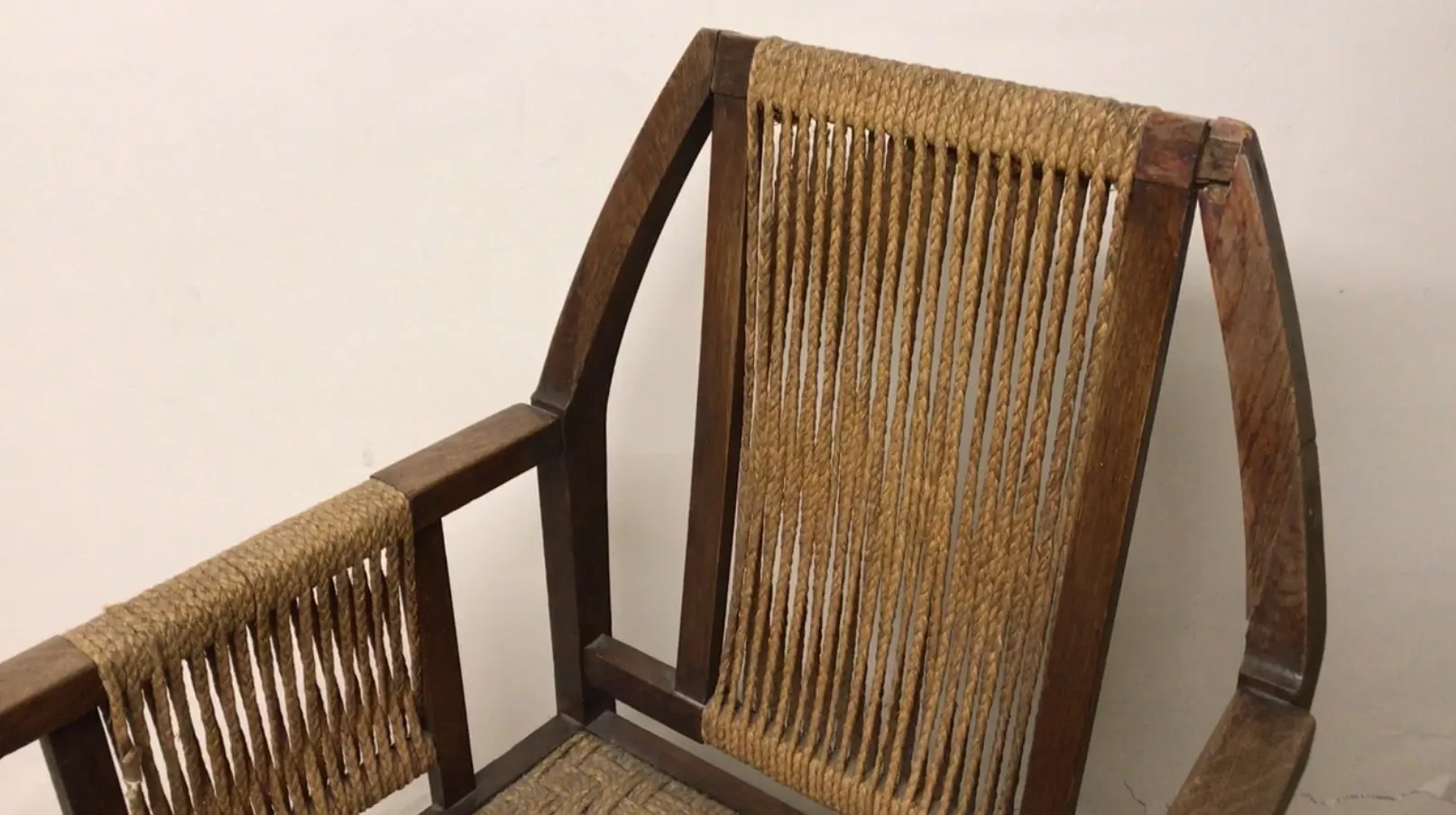
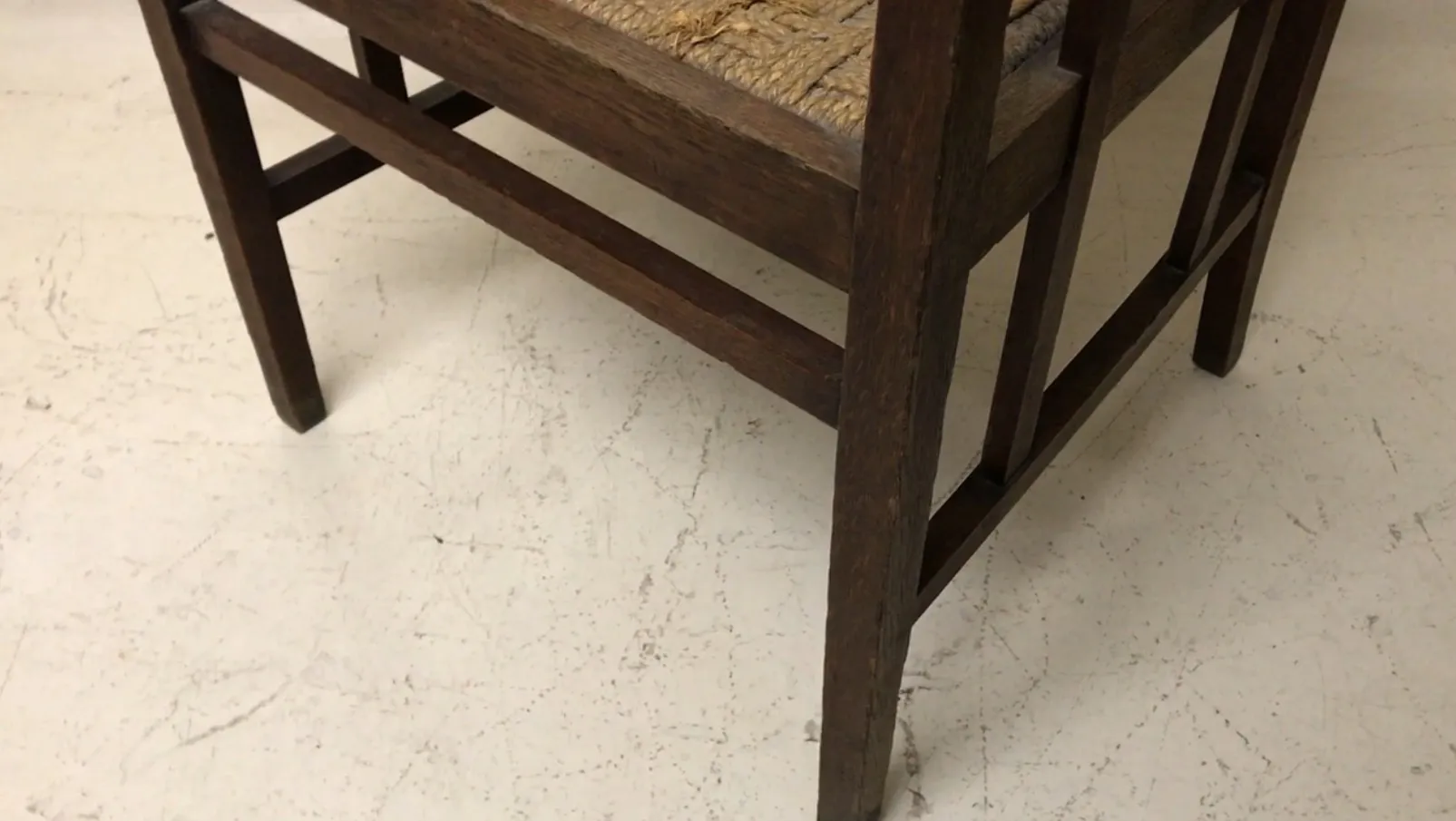
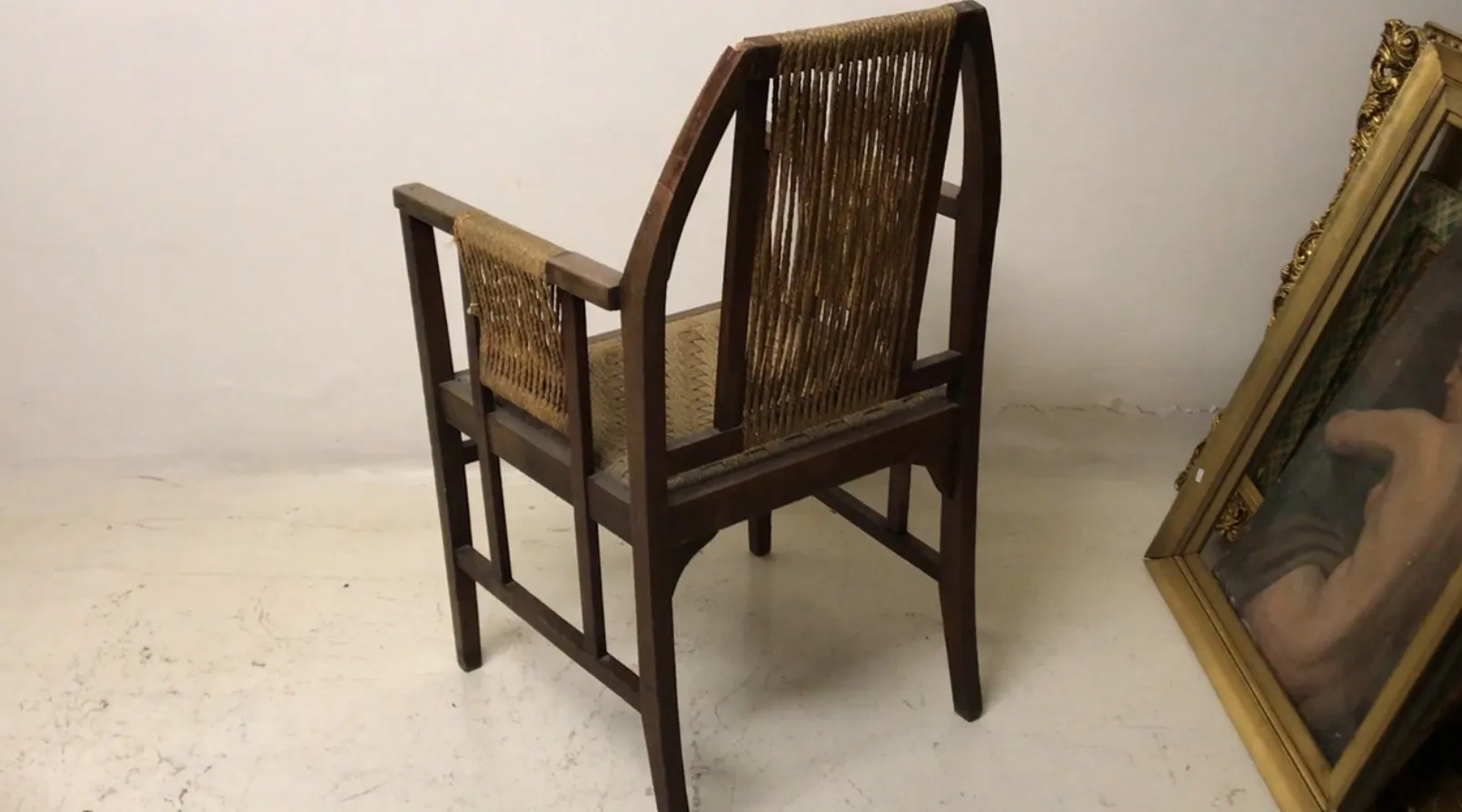
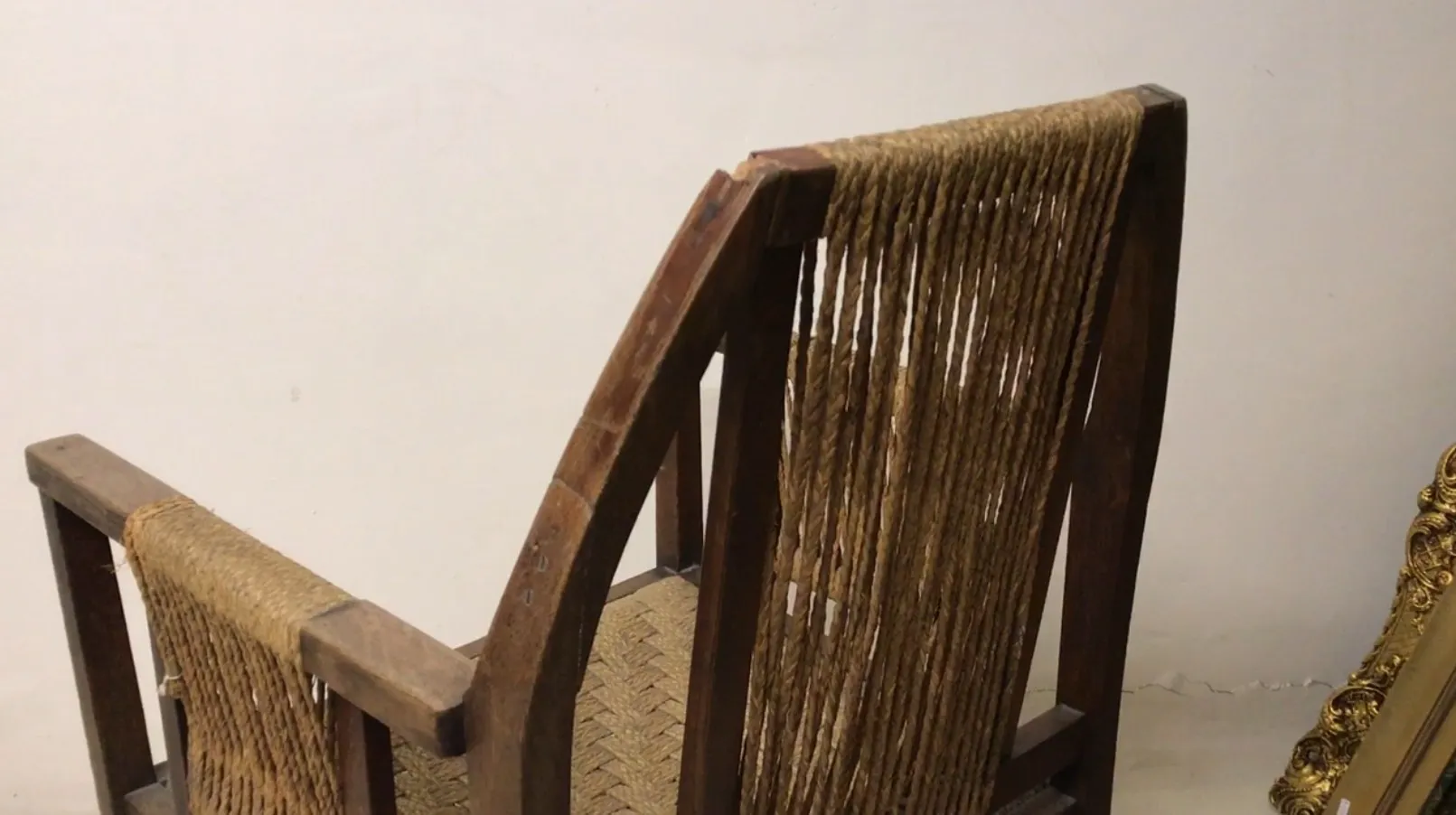
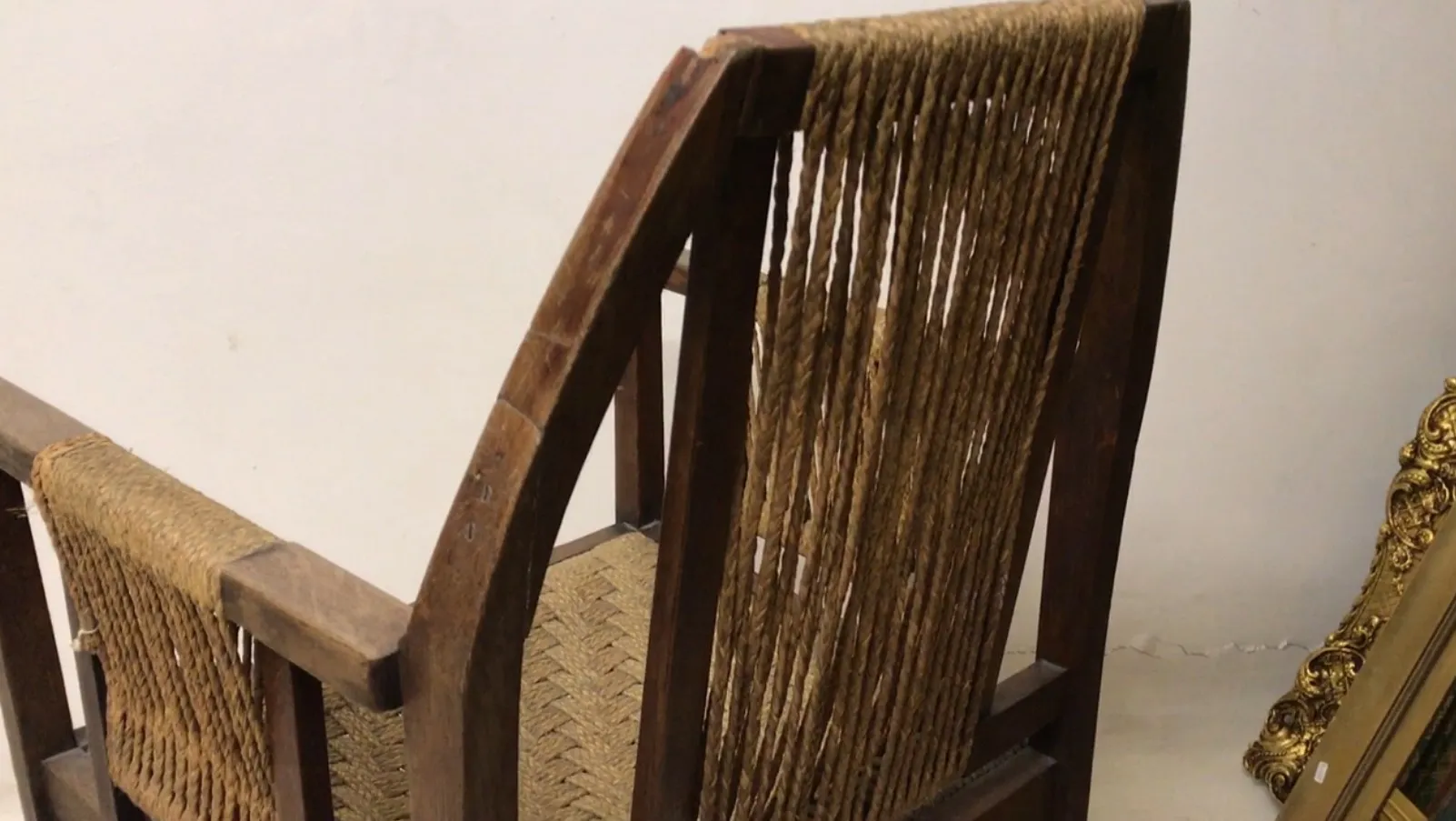
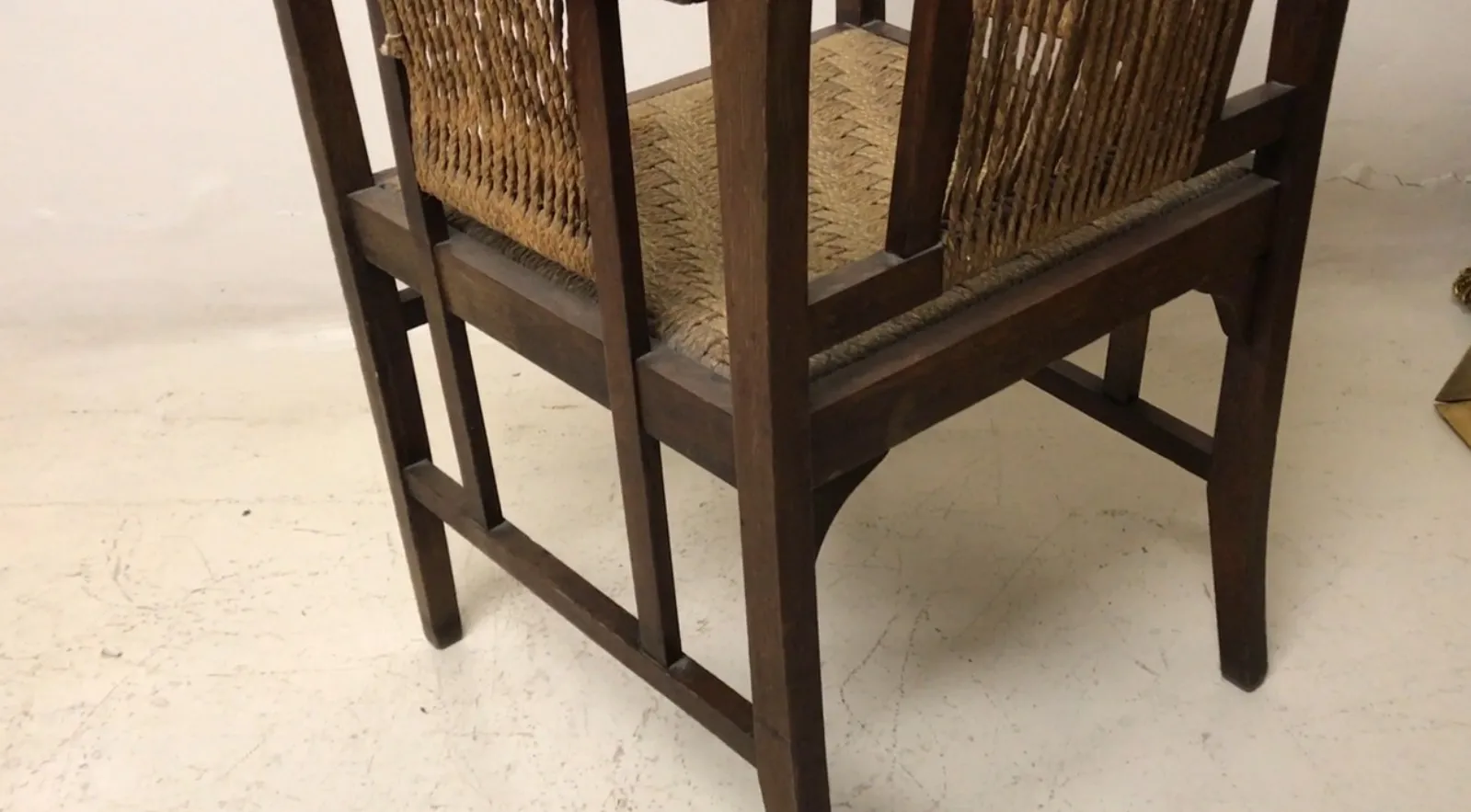
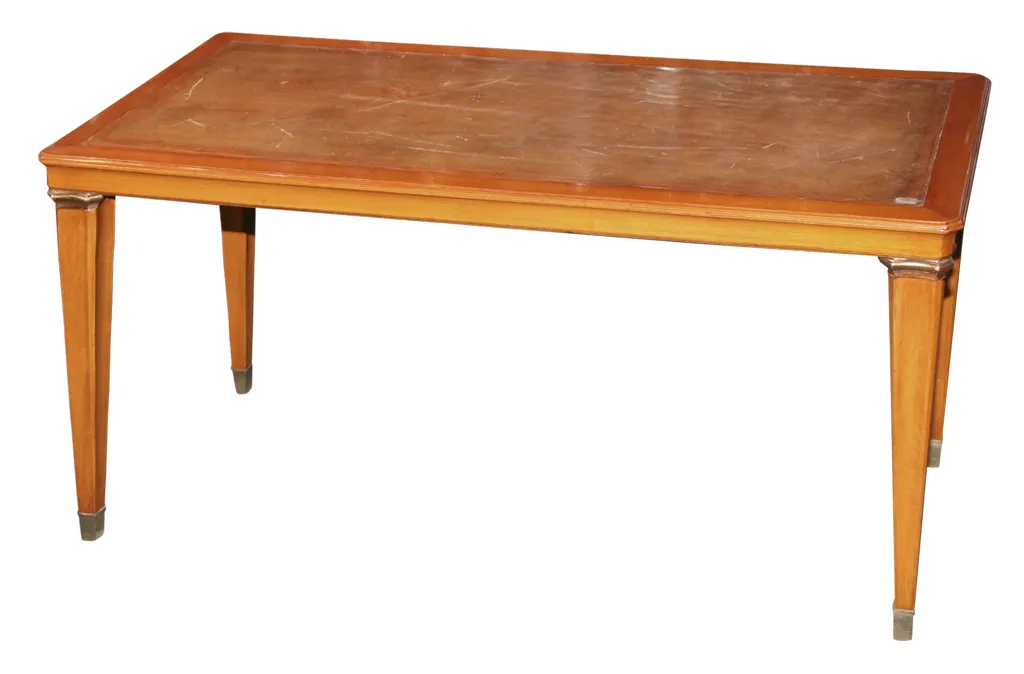
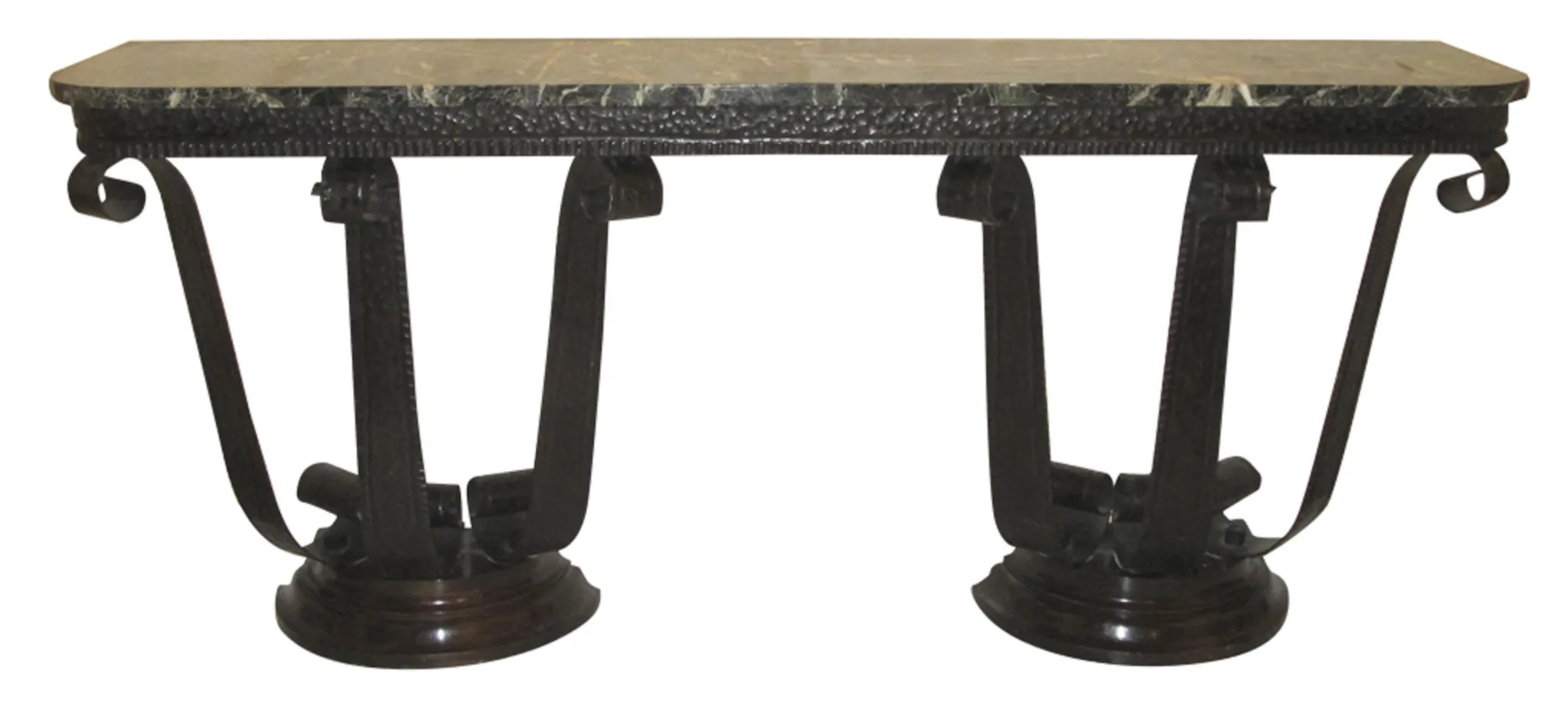
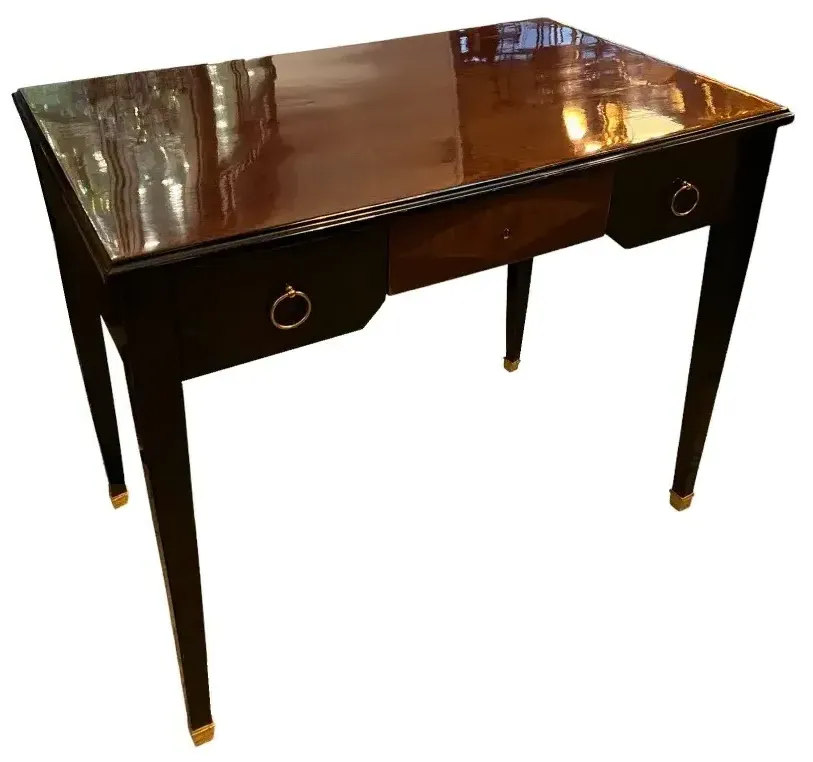
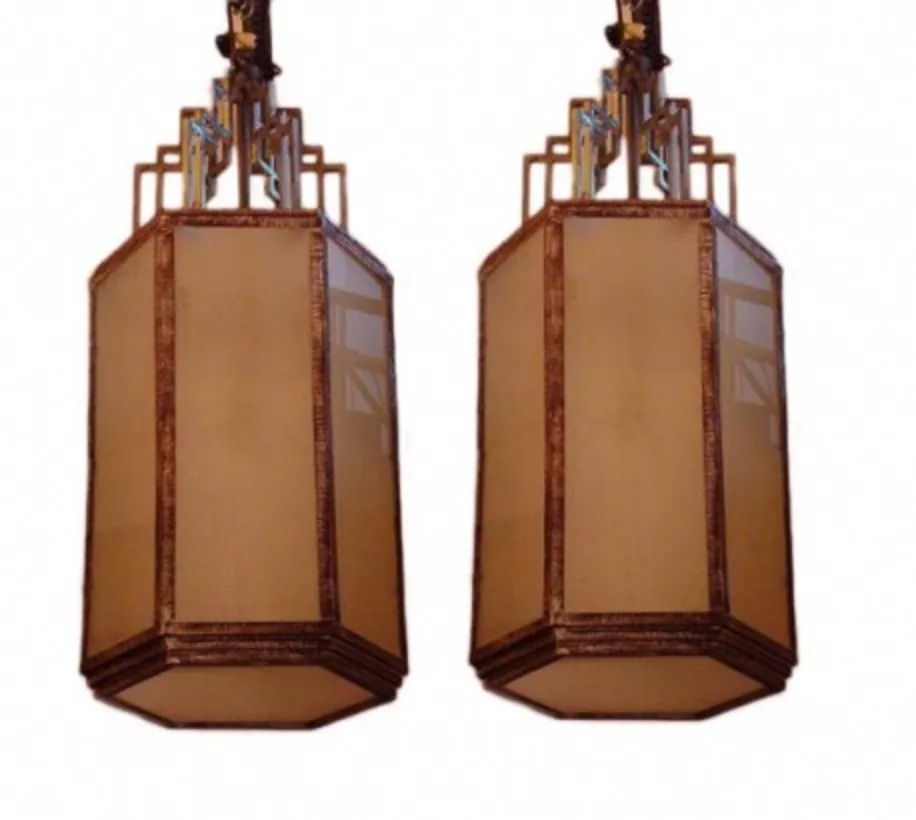
Edward Wormley, born in Oswego, New York, in 1907, was an influential American furniture design.
In 1931, Wormley began his long and successful association with the Dunbar Furniture Corporation of Berne, Indiana. Each piece was handcrafted. He continued to design for Dunbar even after its sale in the 1950s, until his retirement in the 1960s.
Edward Wormley opened his own design firm, Edward Wormley and Associates, in New York in 1944, with Dunbar Furniture remaining his principal client.
In 1948, he collaborated with Salvador Dalí, Ray Eames, and George Nelson to create a line of textiles for the company Schiffer Prints.
His works can be seen in the following museums:
The Museum of Modern Art (MoMA) in New York
The Museum of Fine Arts in Boston
The Metropolitan Museum of Art in New York
The San Francisco Museum of Modern Art
The Yale University Art Gallery
Among others.
0:00 / 0:00
Style Art Deco
"The name Art Deco was assigned in the 1960s, at the exhibition "Les Années 25" held in Paris at the Museum of Decorative Arts.
The first pieces could be seen at the International Exhibition of "Decorative Arts and Modern Industry" held in Paris in 1925. This exhibition was a direct response to the Turin exhibitions of 1902 and Milan of 1906.
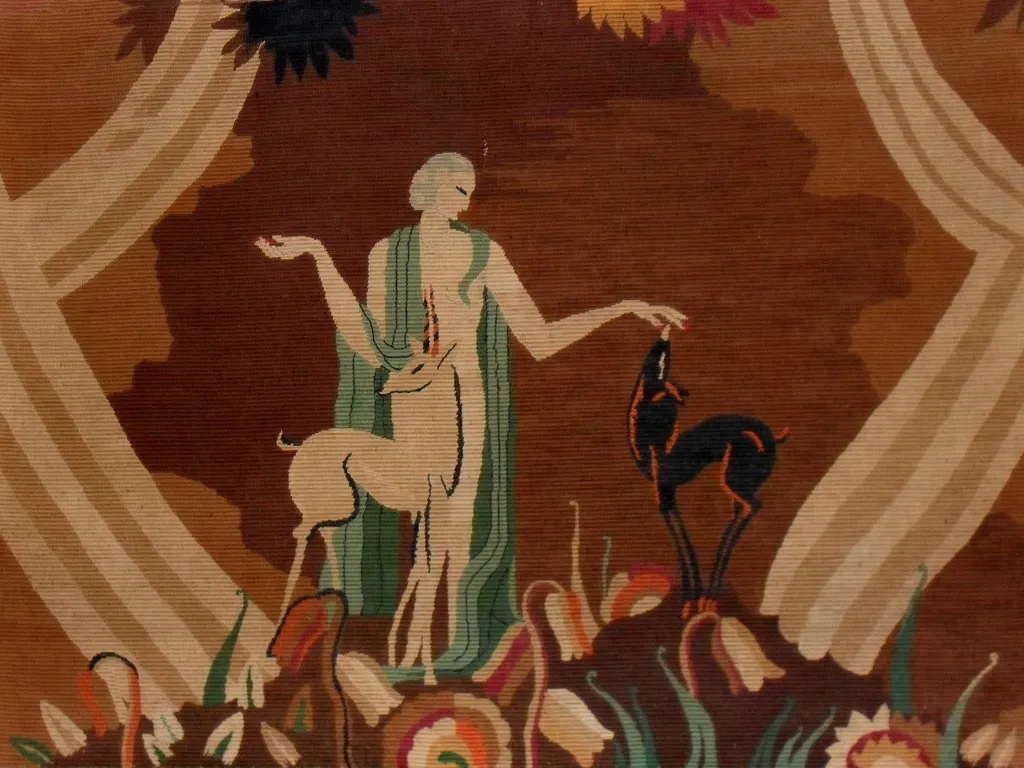
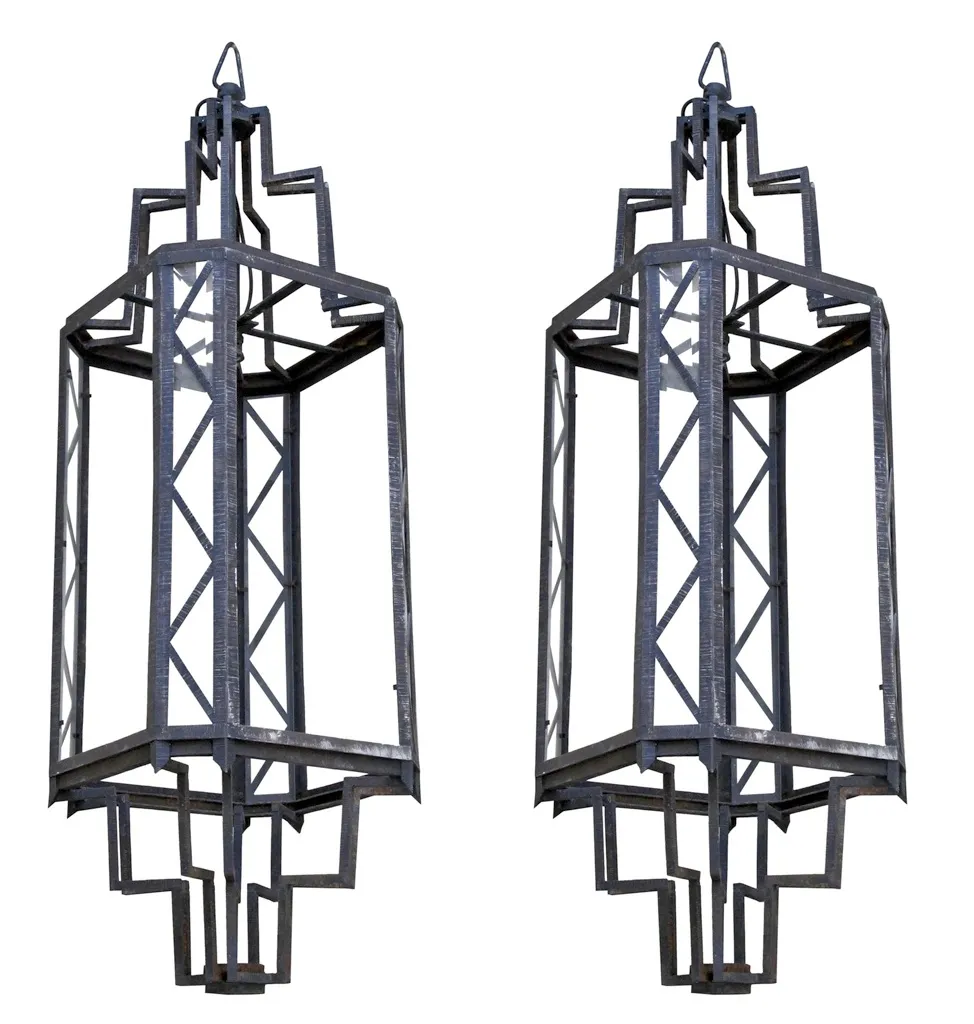
The Art Deco style emerged between 1920 and 1940 and is represented by symmetrical, rectilinear lines, abstract designs, and bold colors.
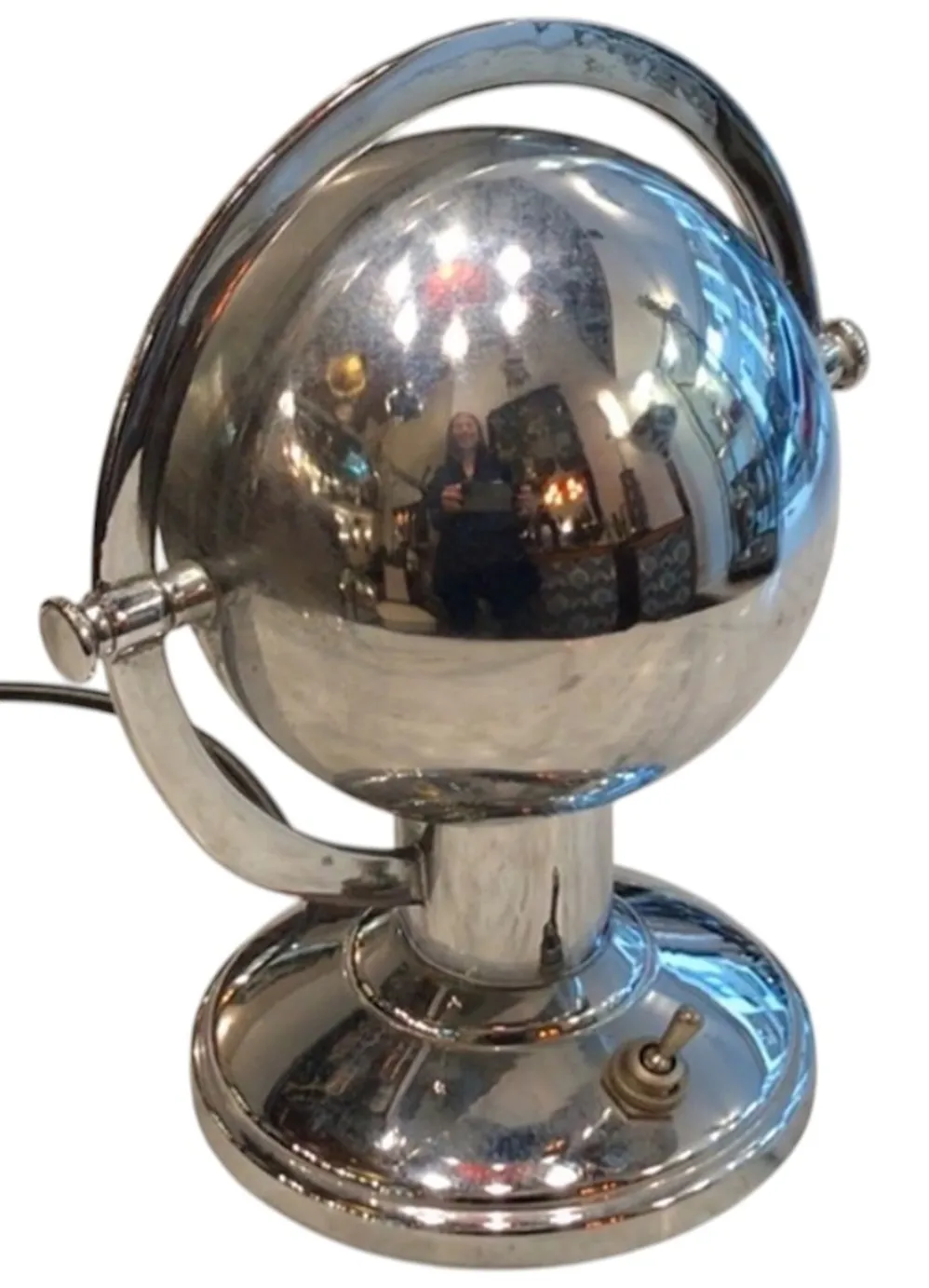
It featured the implementation of exotic materials such as parchment, shagreen (the skin of a small shark or ray), chrome pieces, and enamels, as well as ivory and mother-of-pearl inlays.
In contrast, Art Nouveau was more focused on asymmetrical, curved lines inspired by nature."