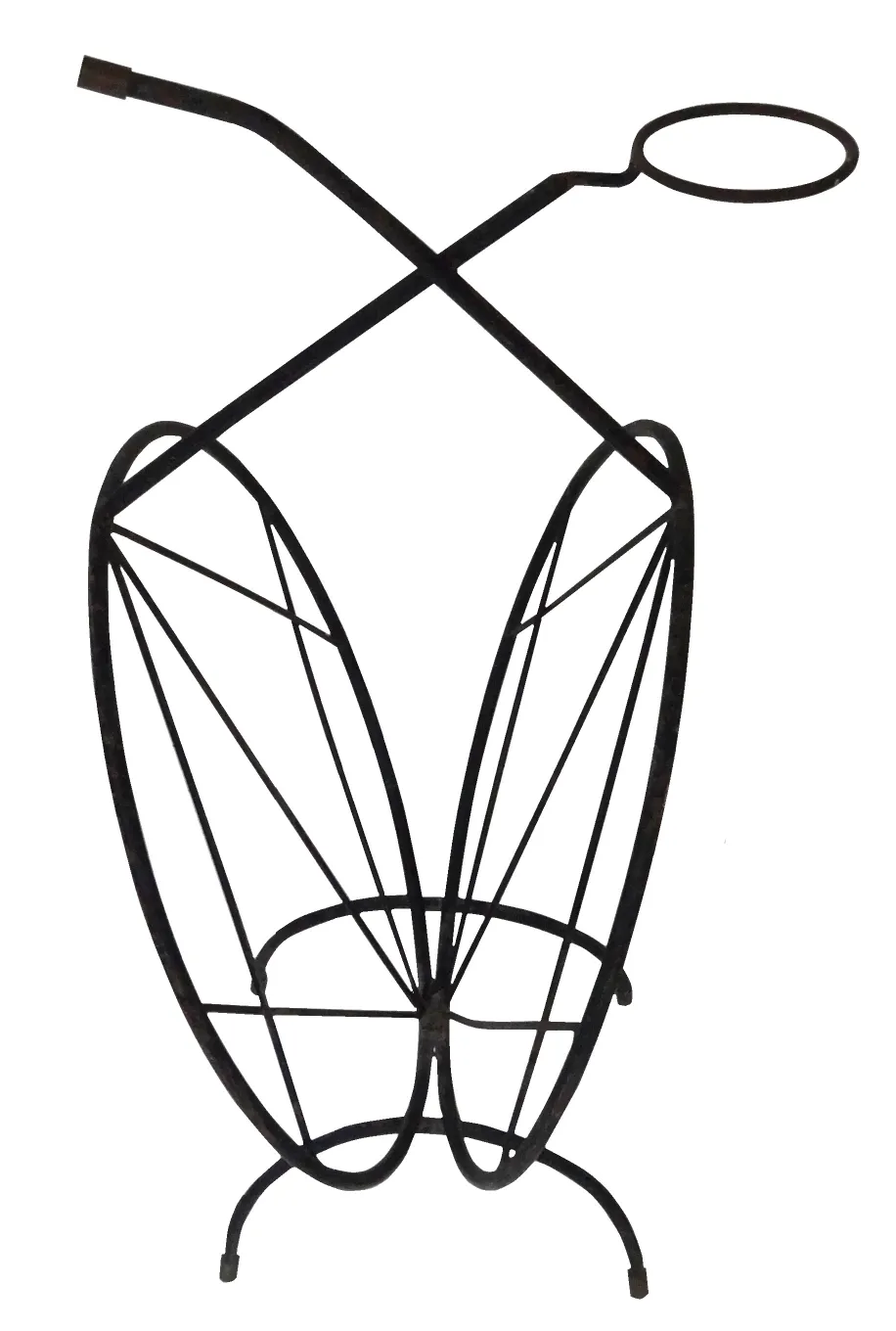
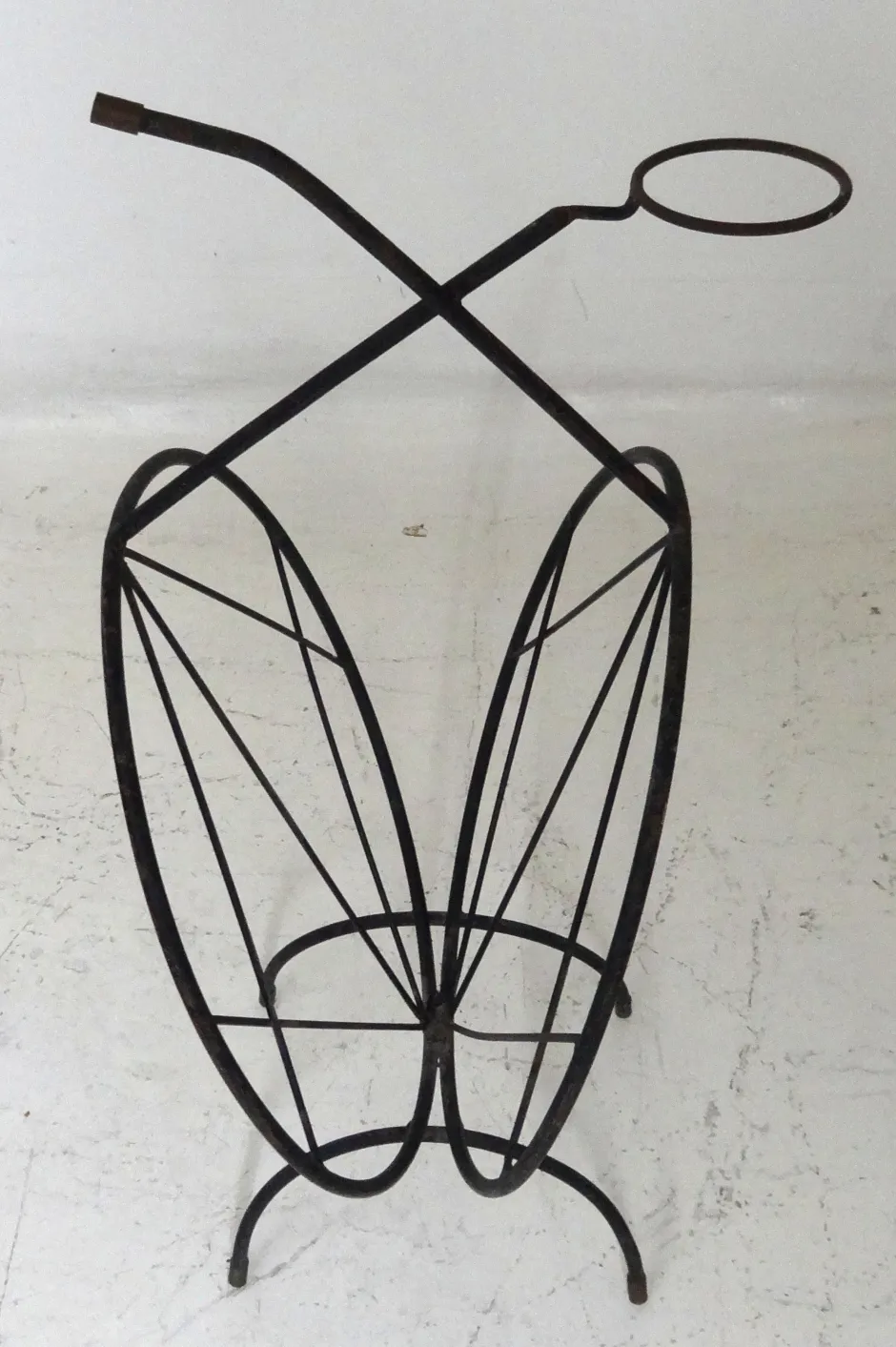
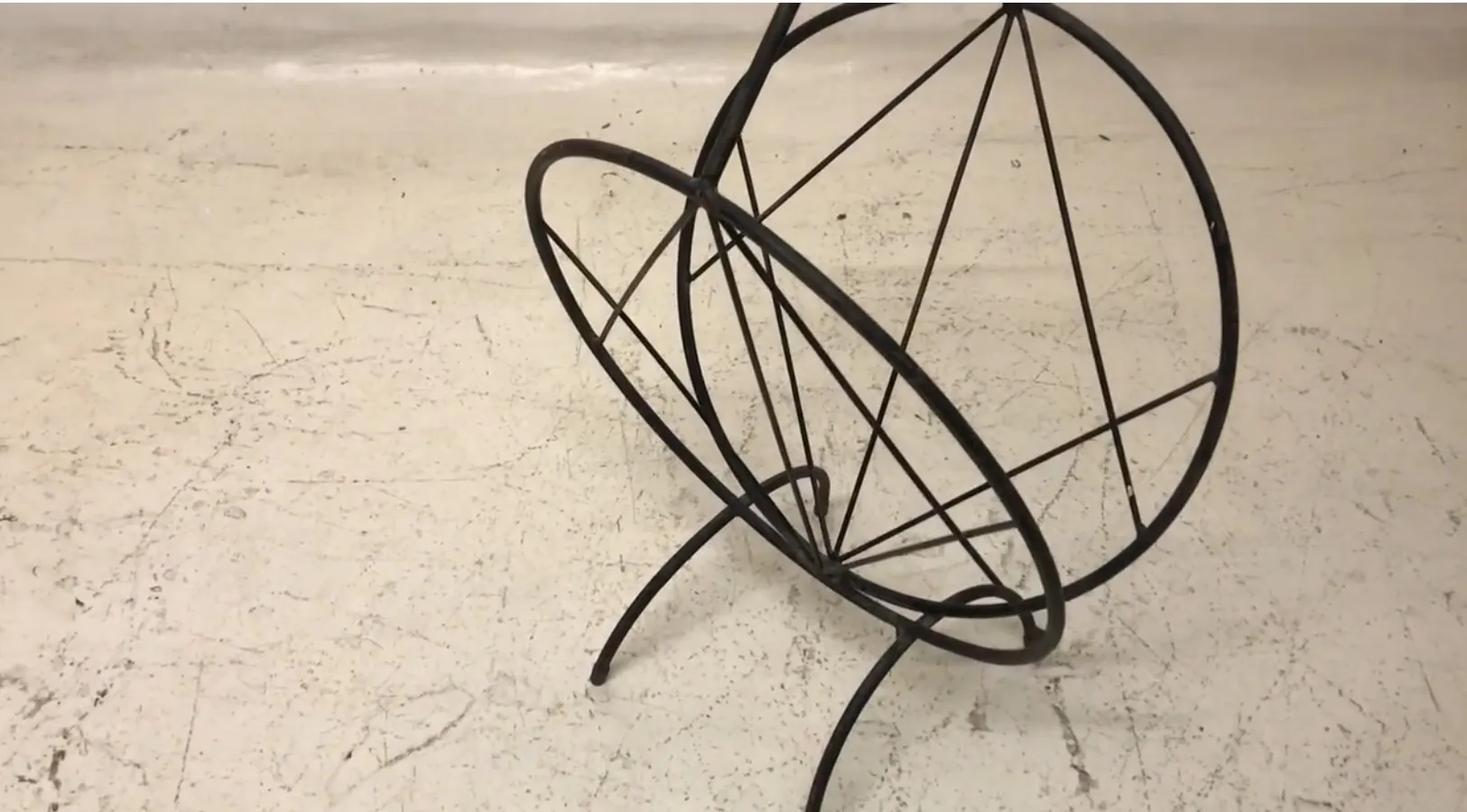
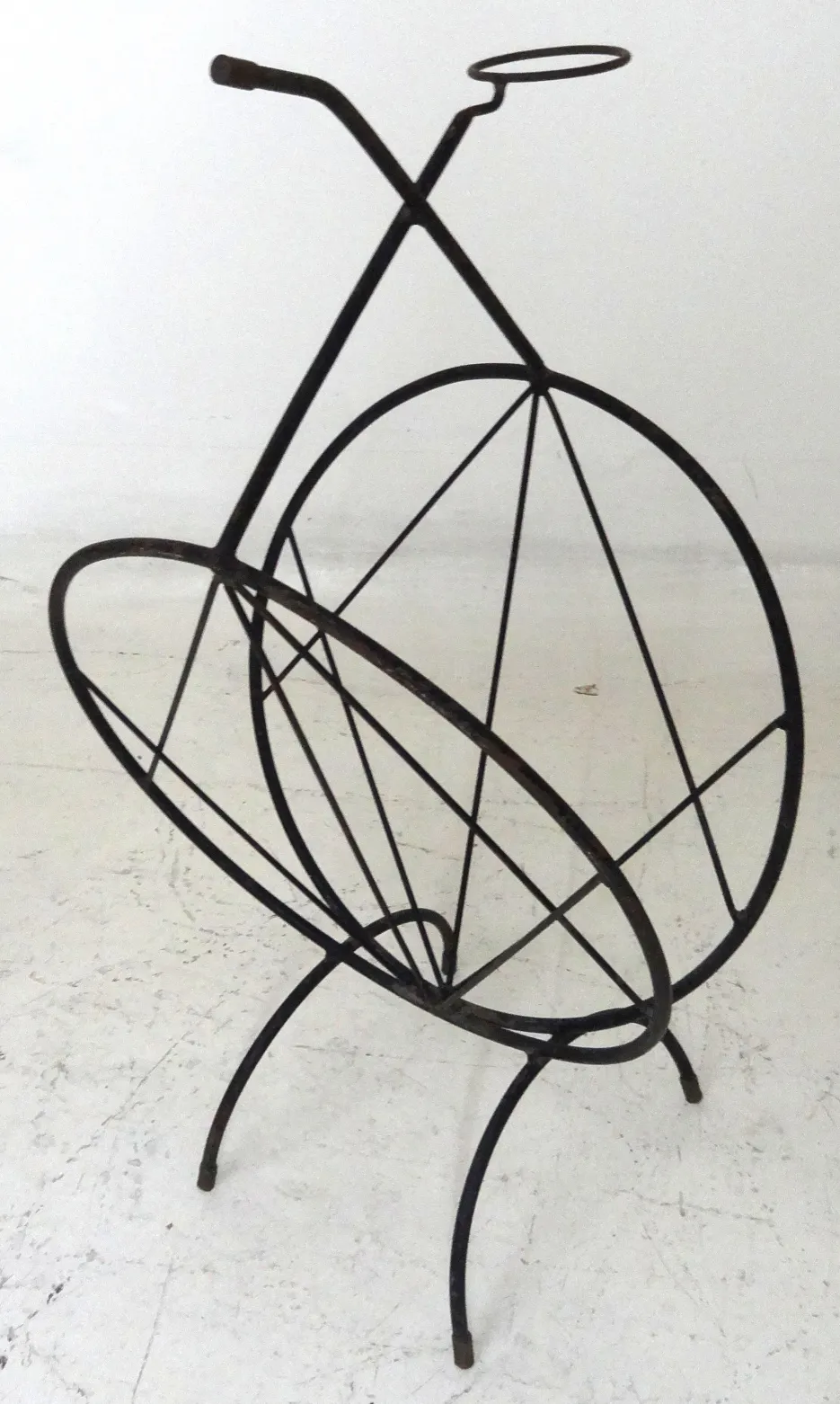
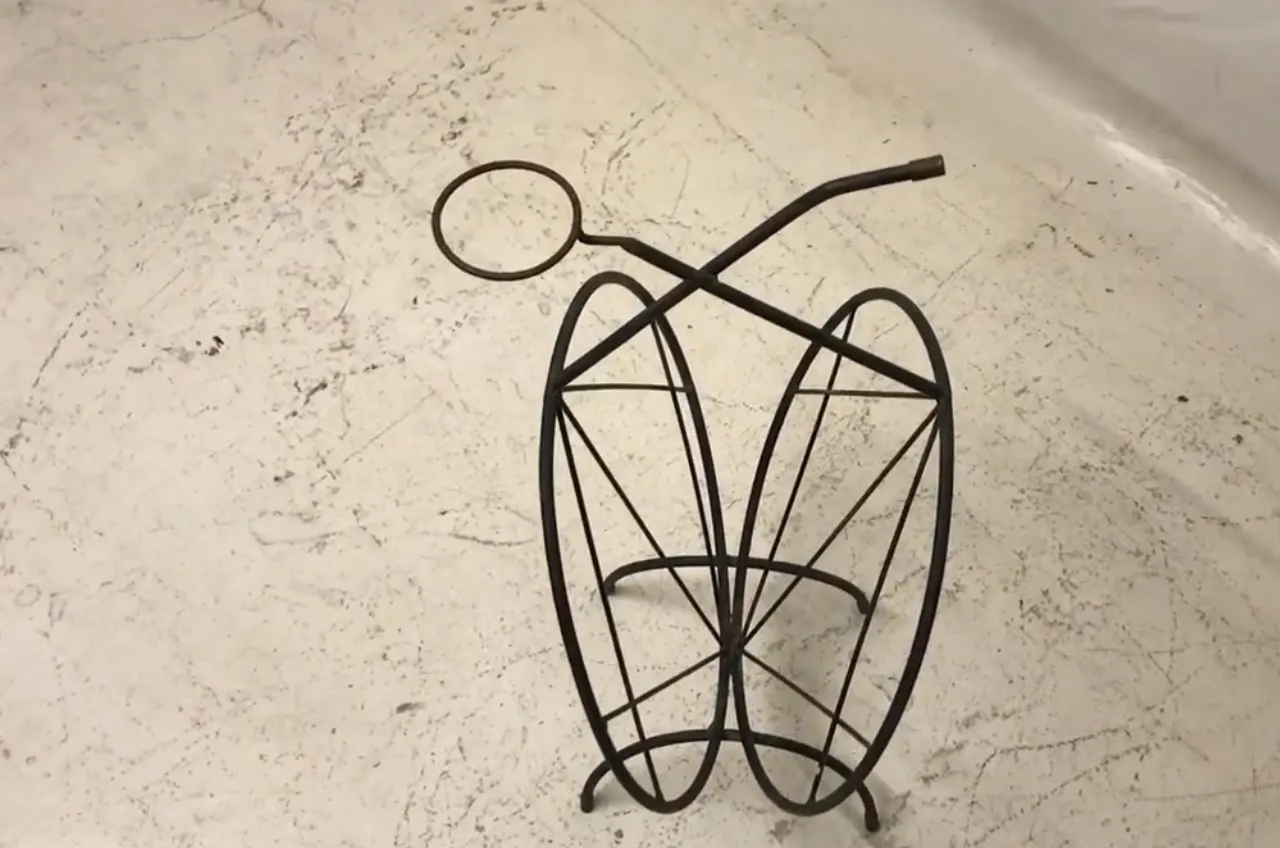
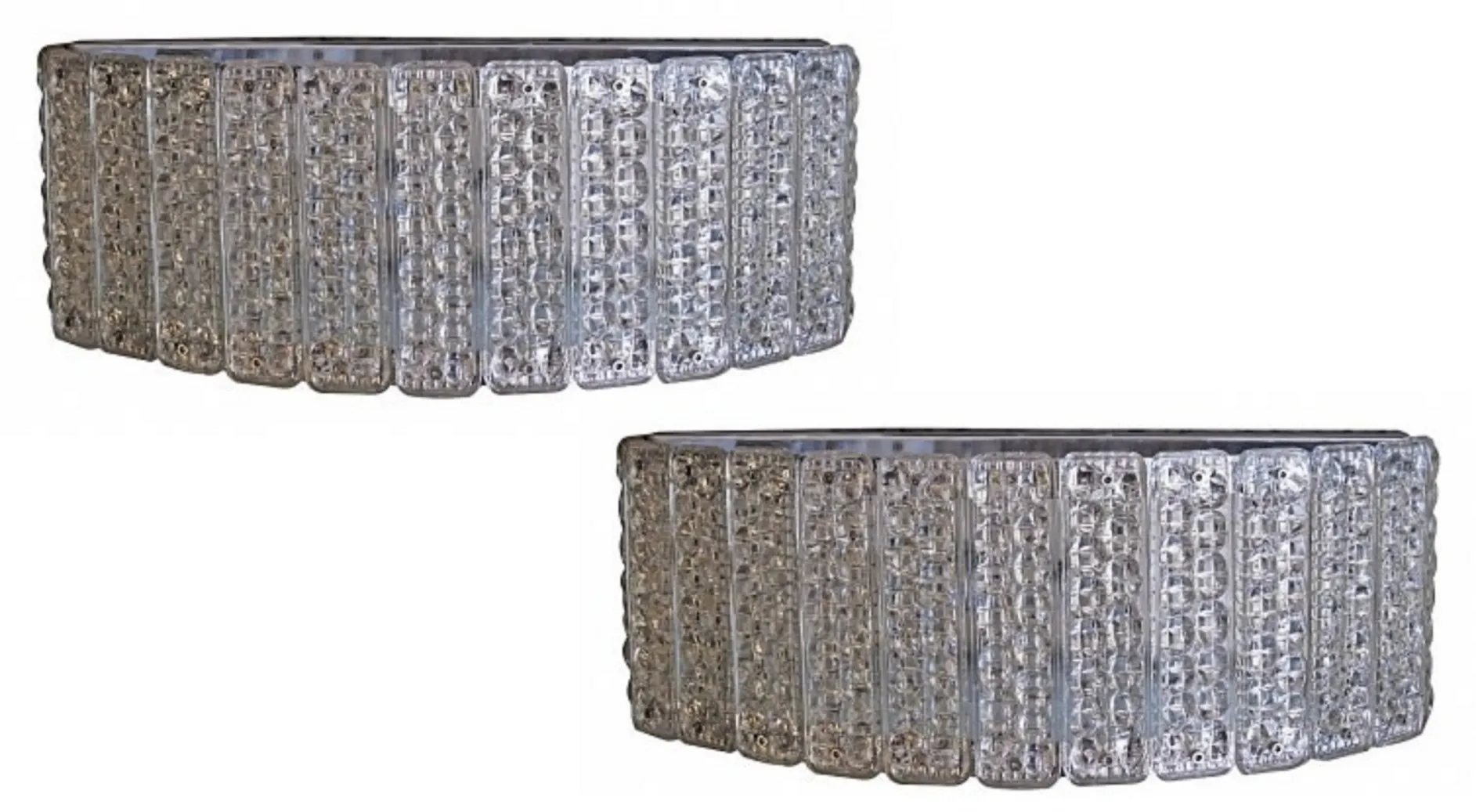
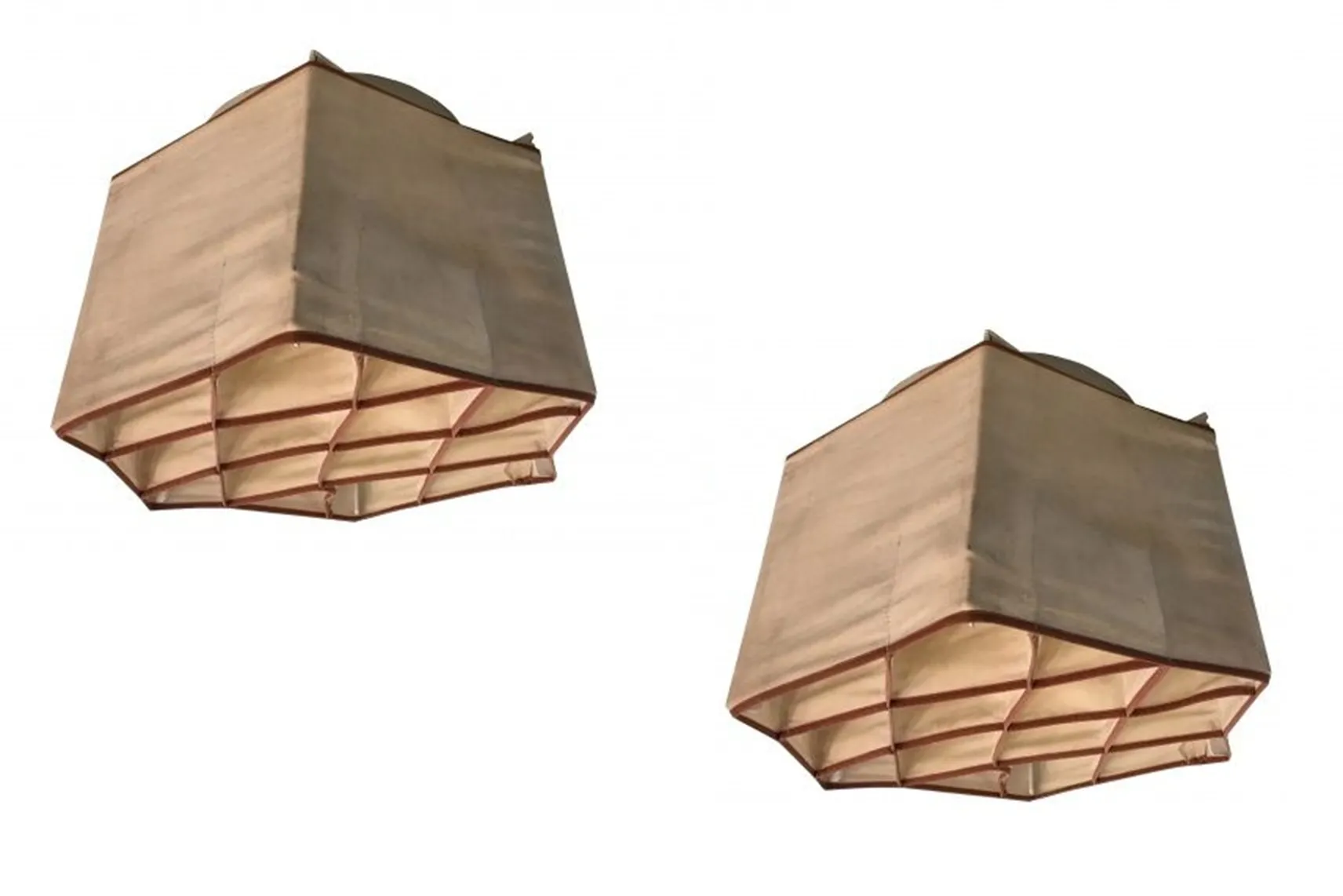
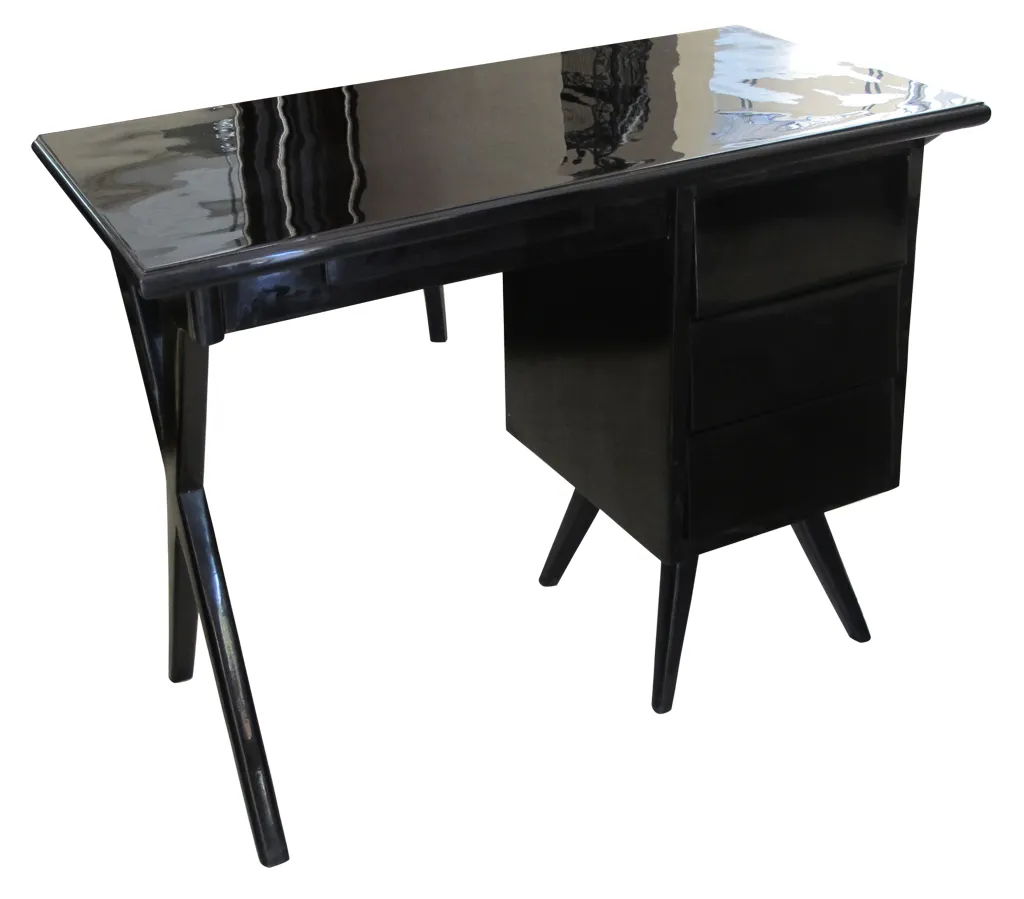
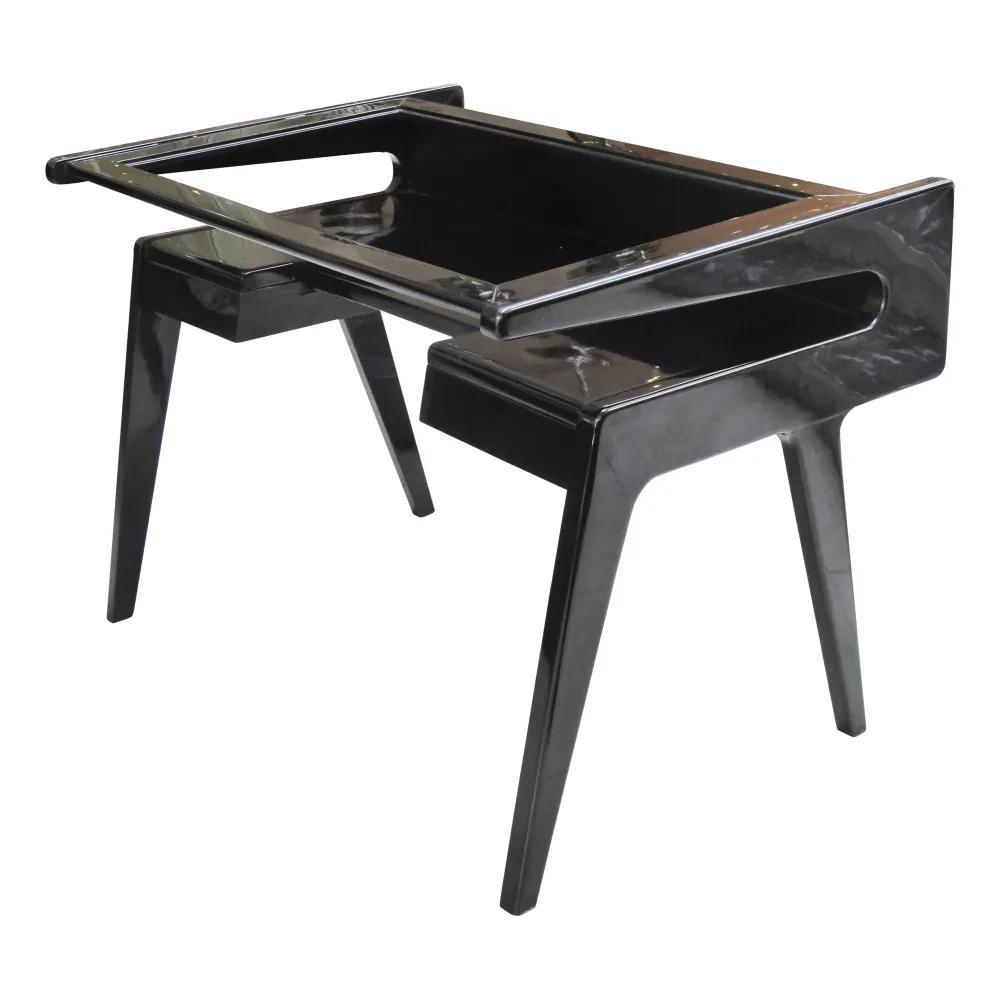
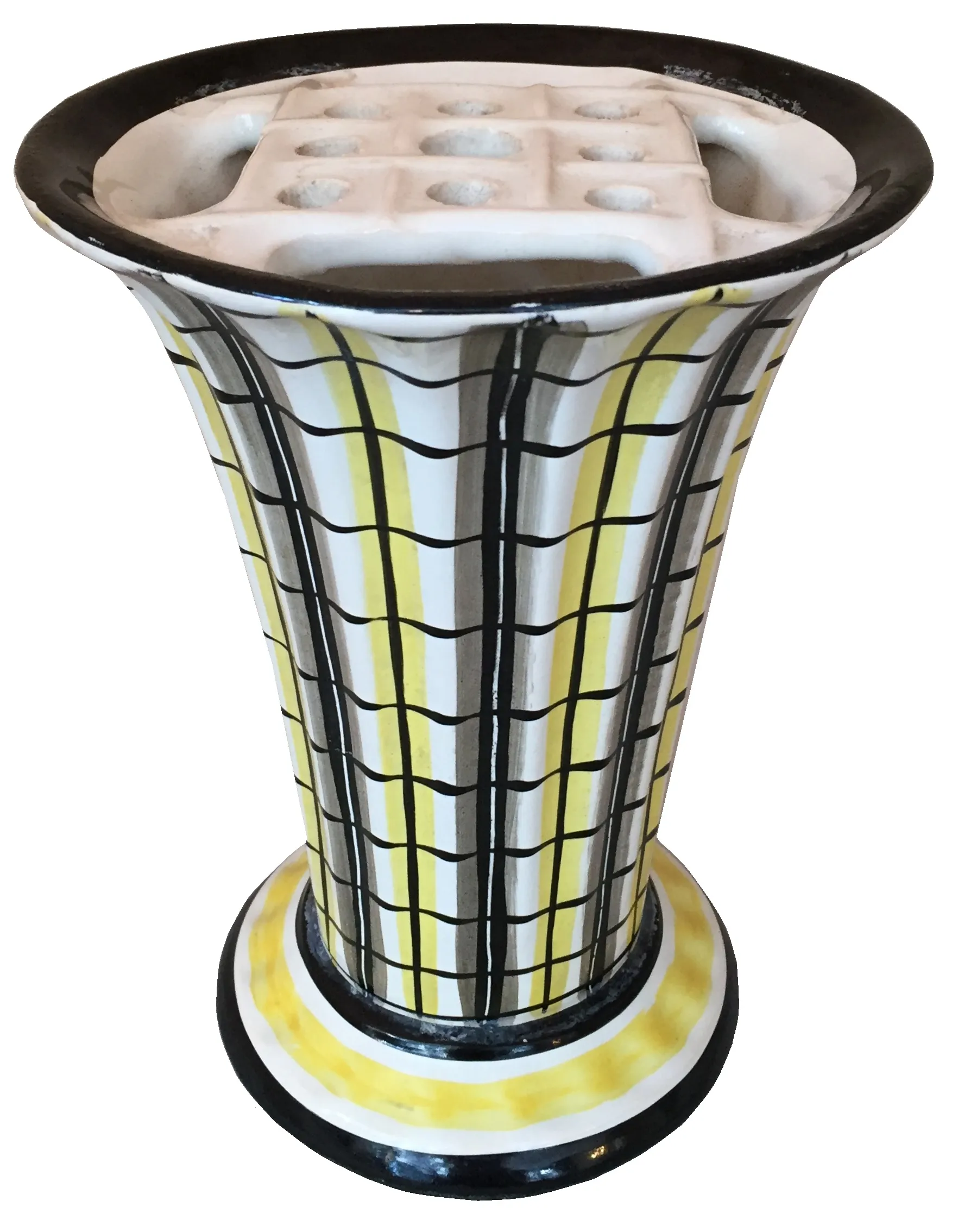
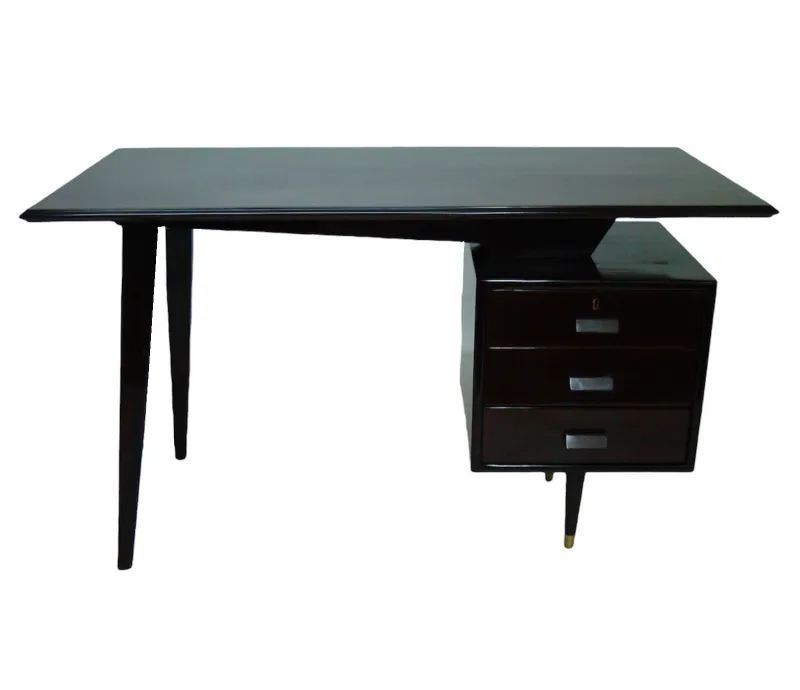
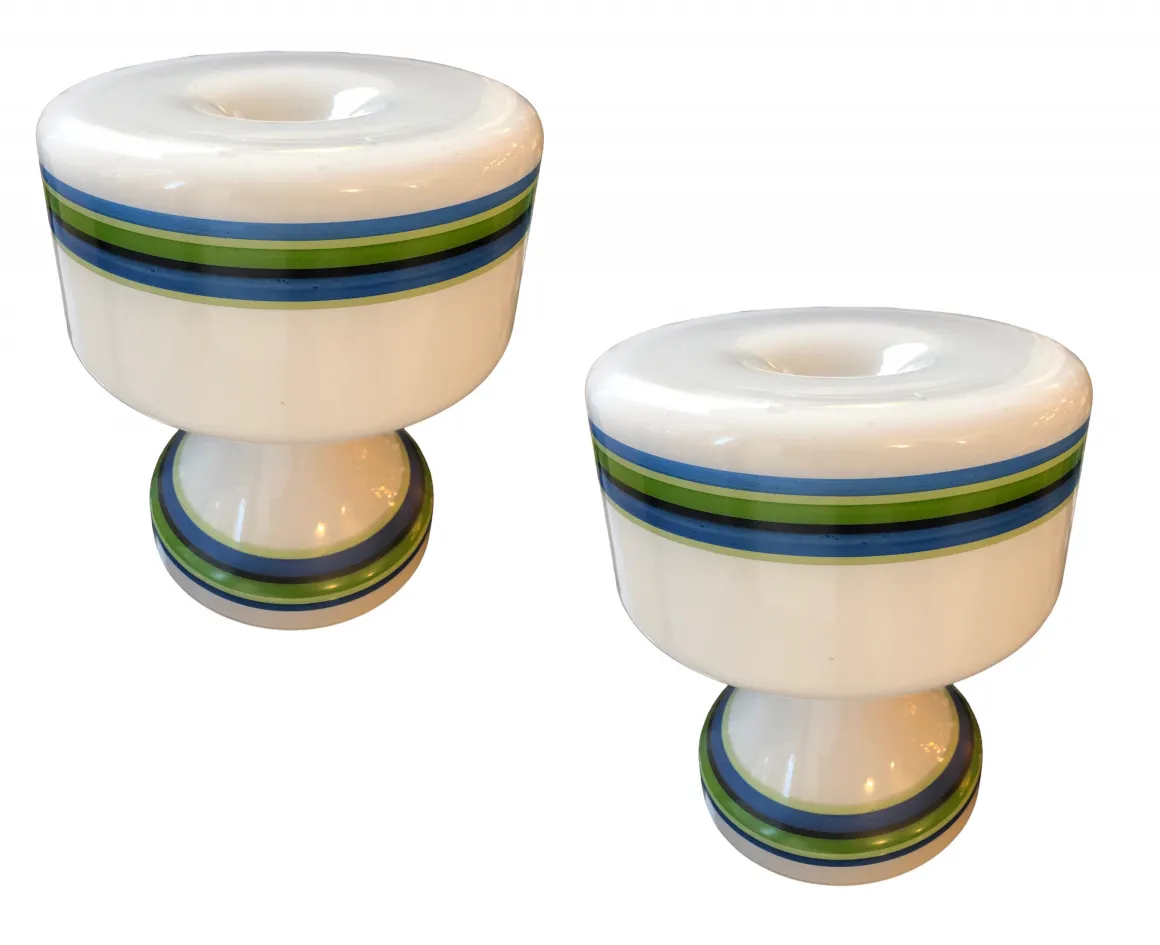
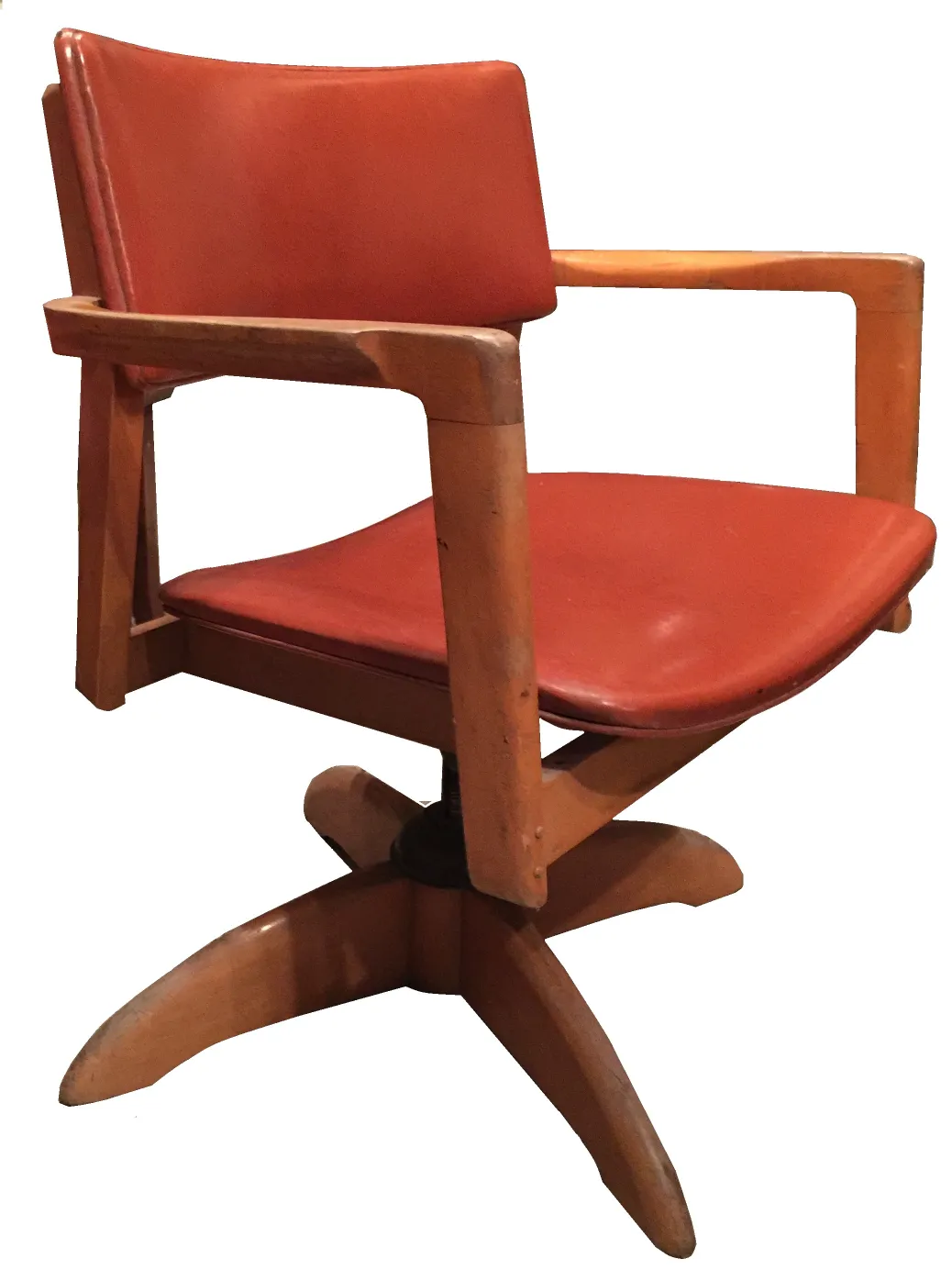
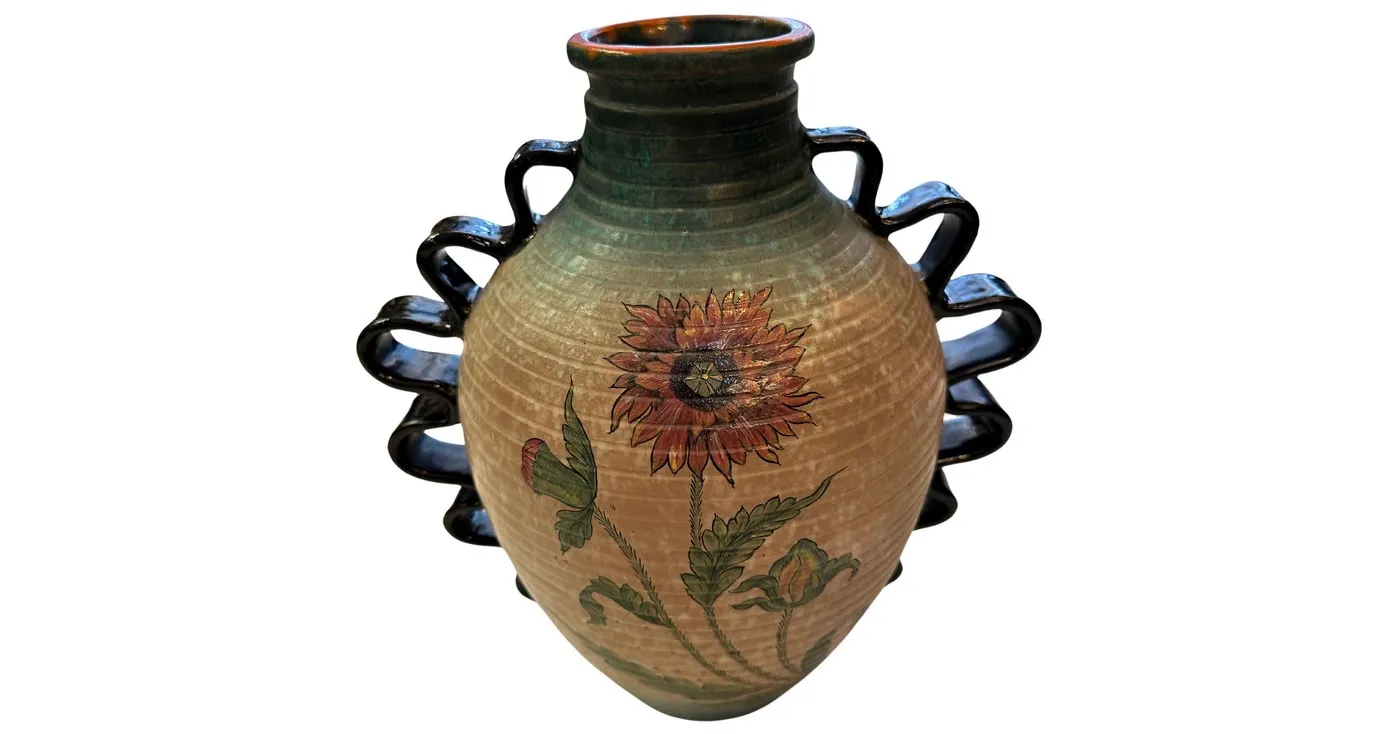
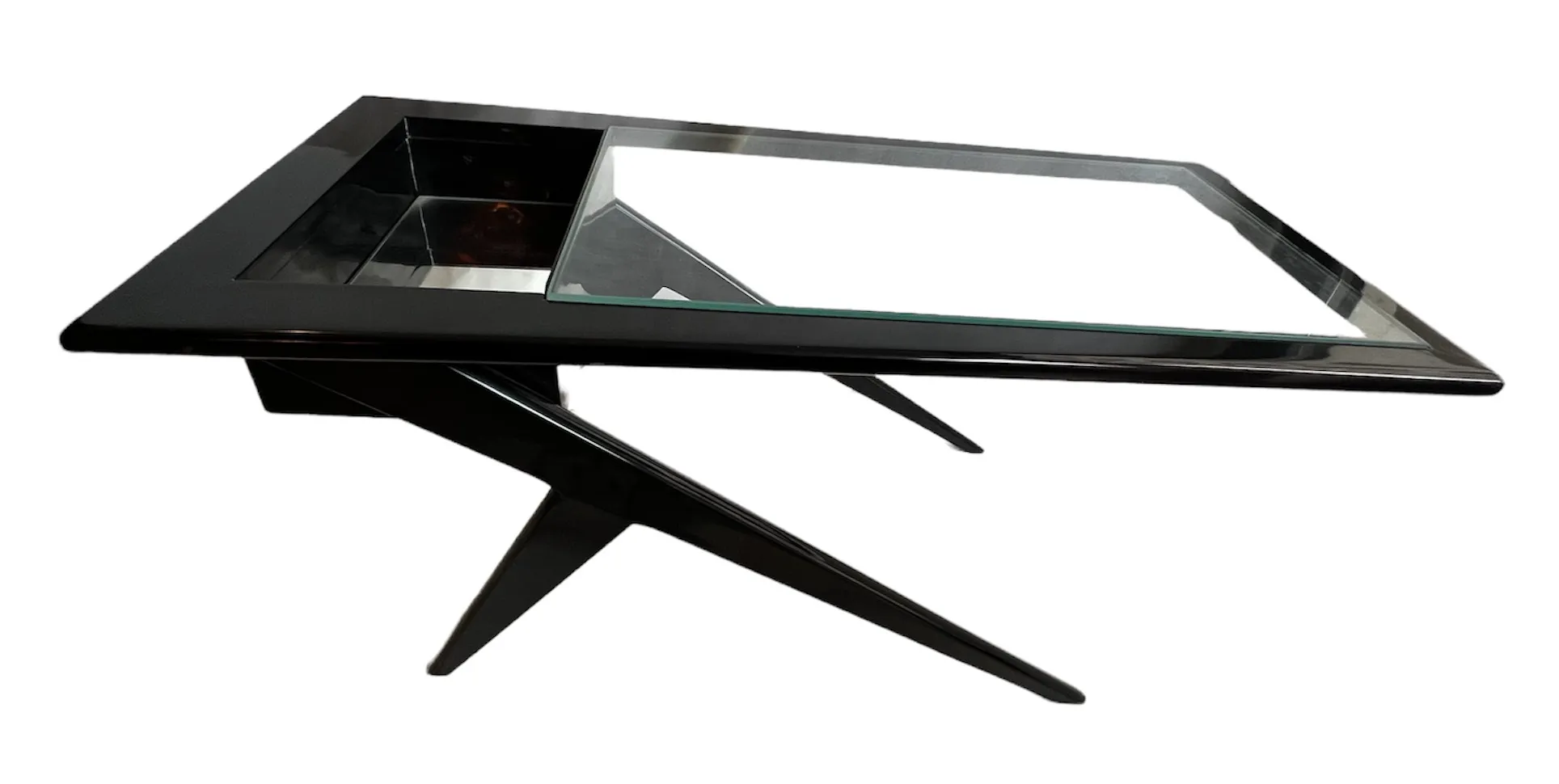
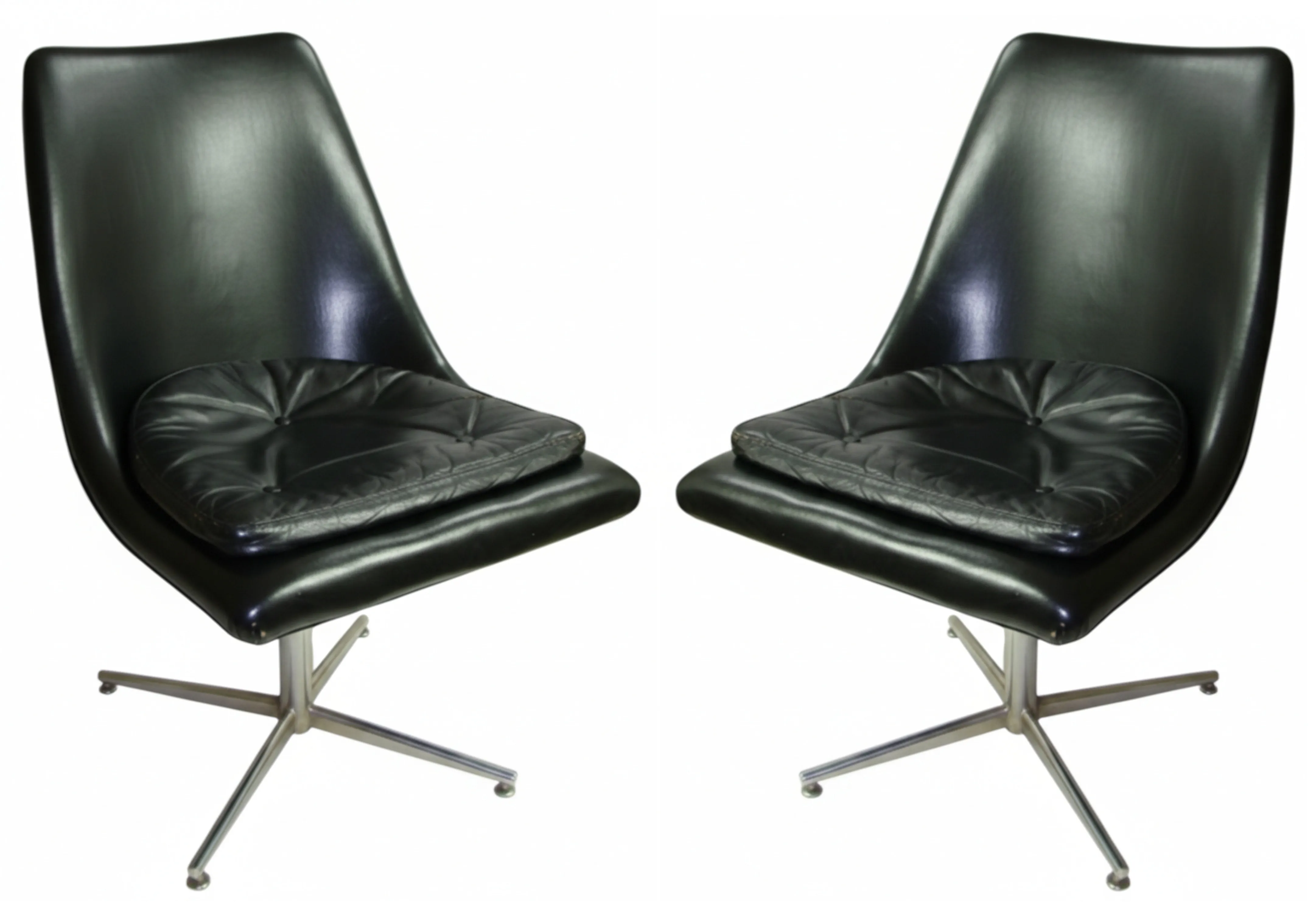
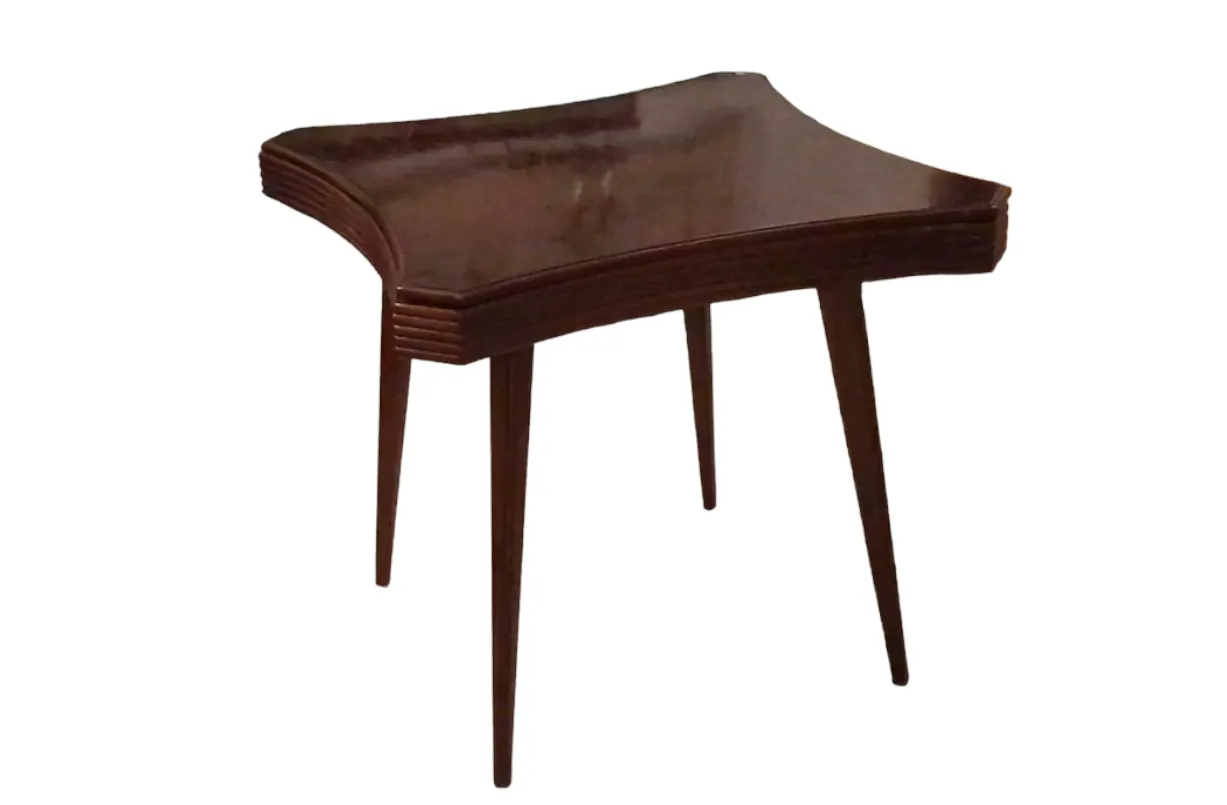
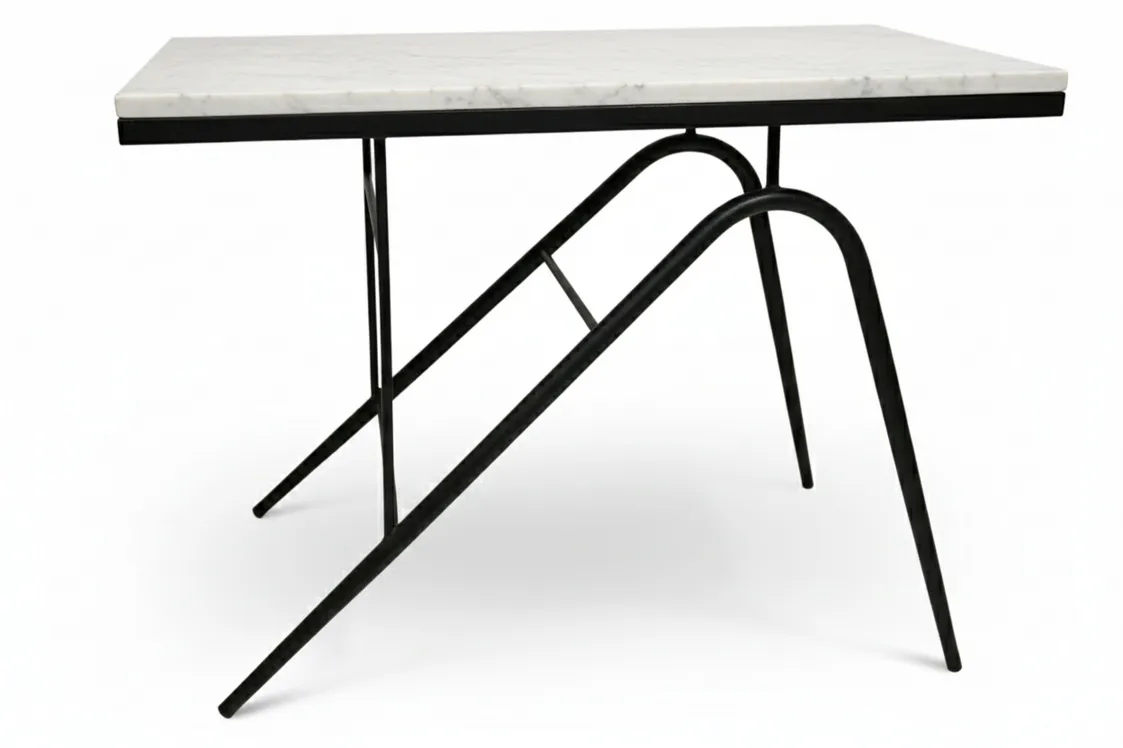
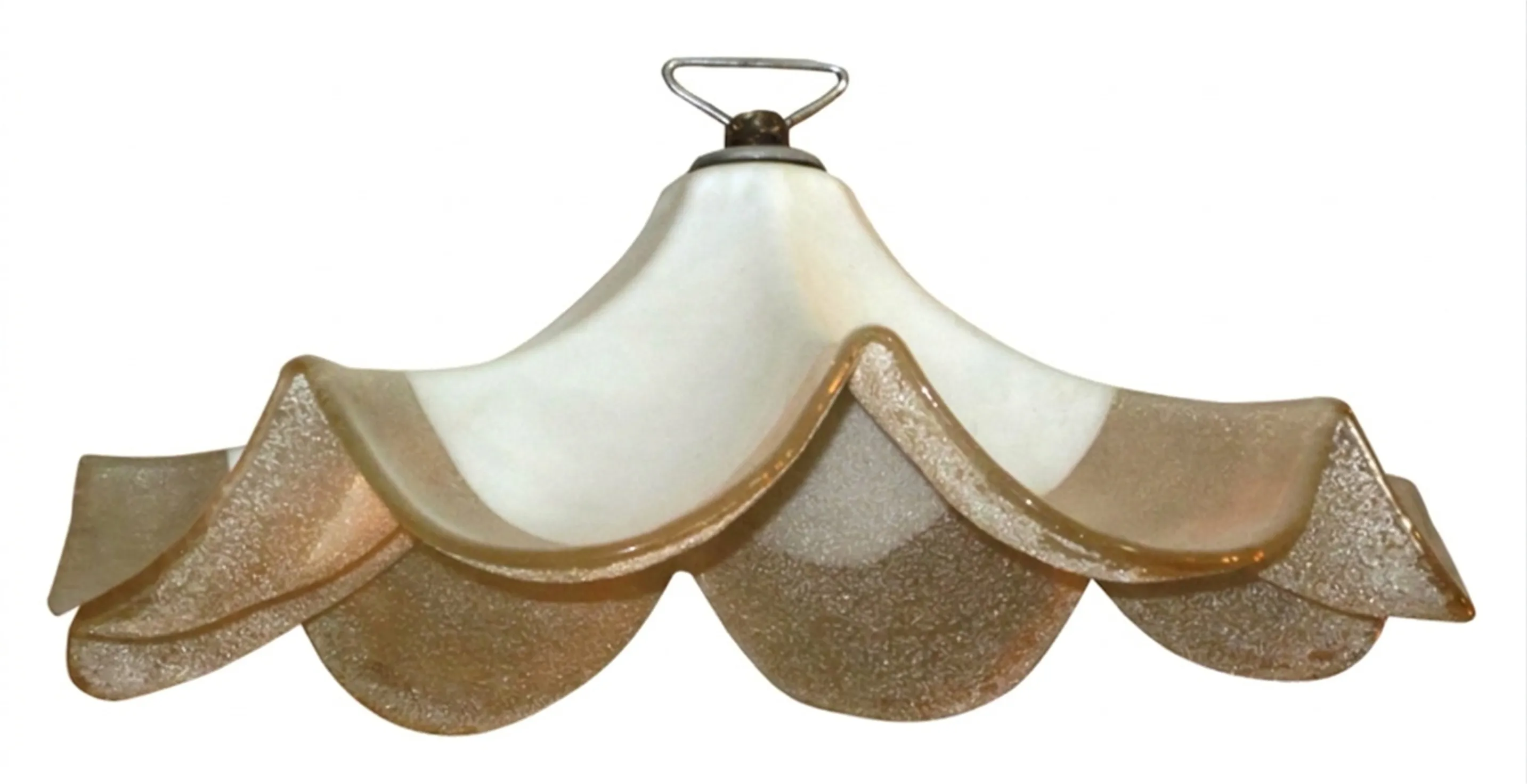
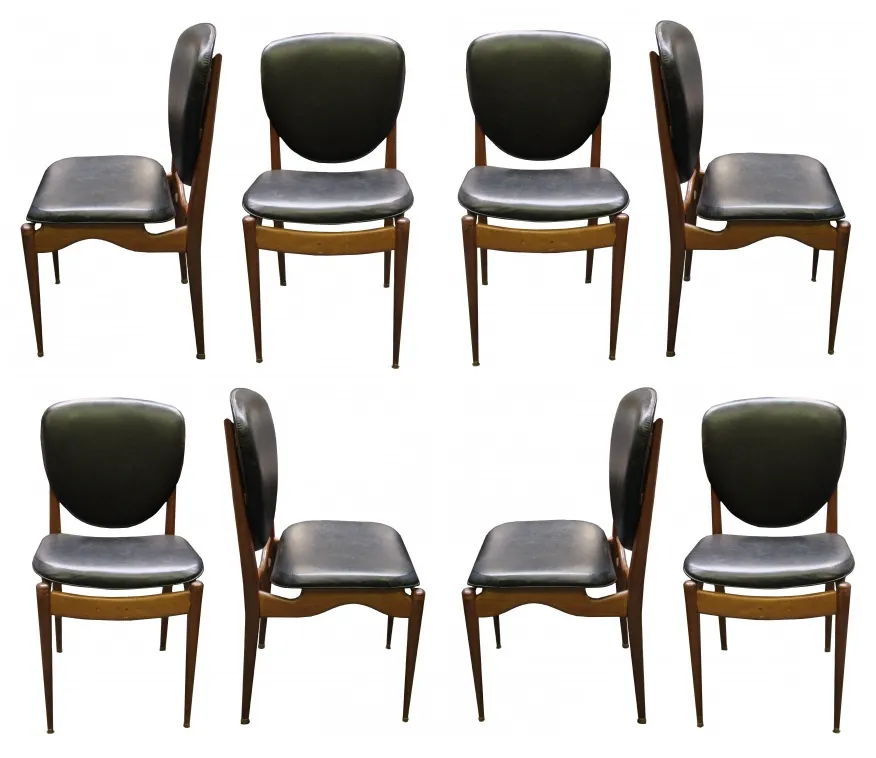
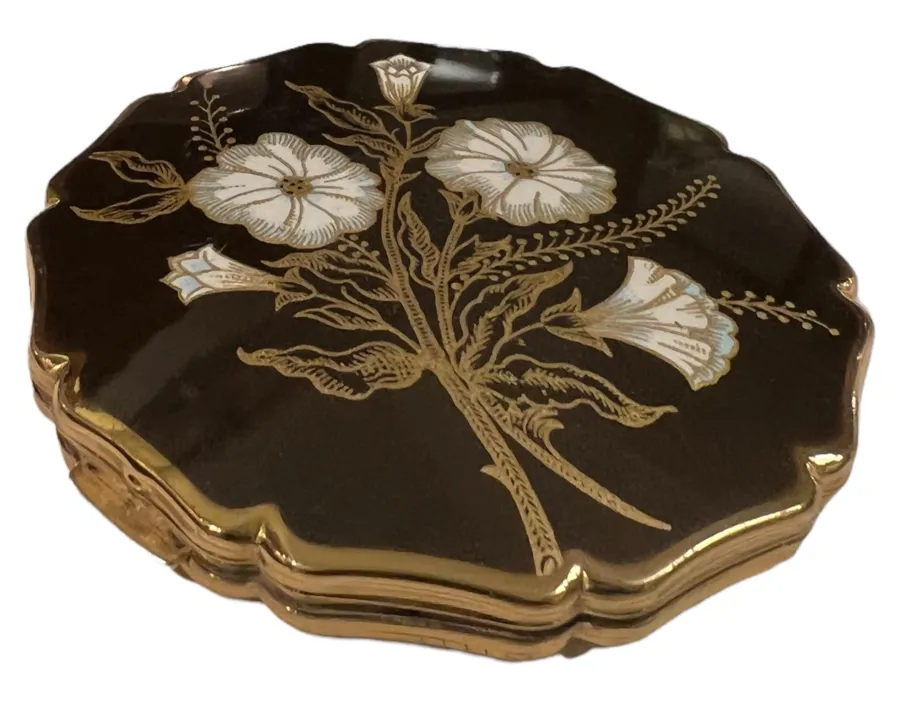
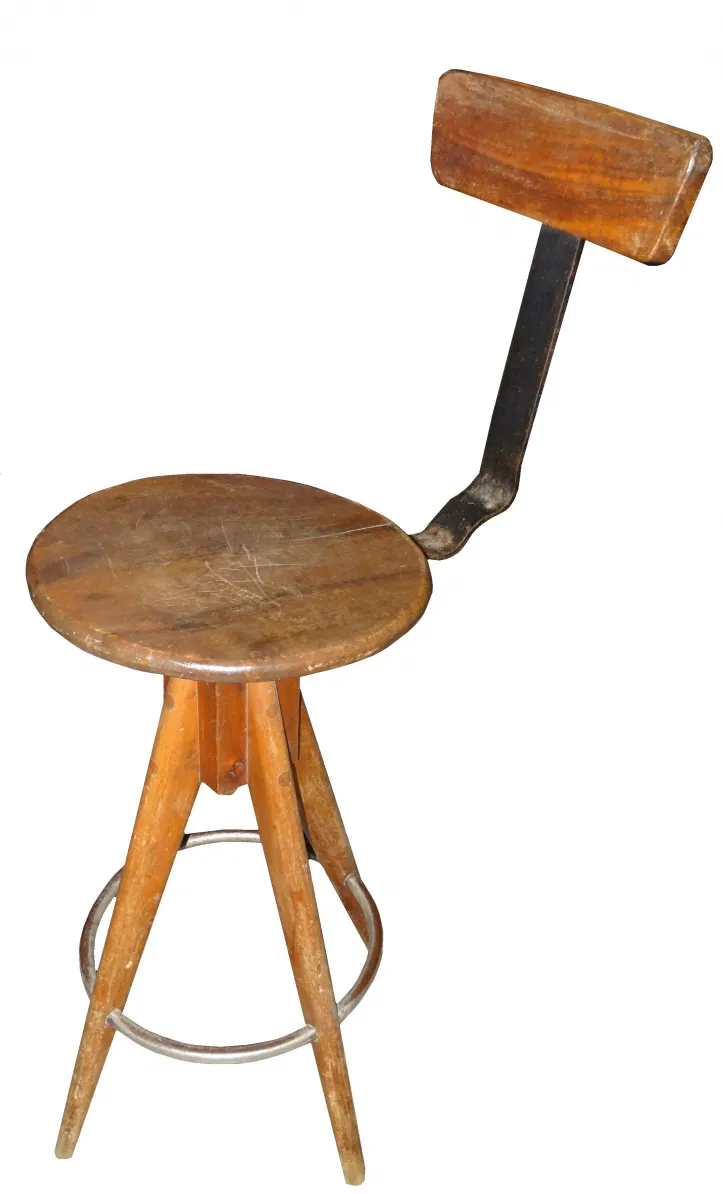
The furniture of the 1950s was a reflection of the era, marked by innovation, optimism, and functionality.
Scandinavian design, with its emphasis on light wood and organic shapes, had a great impact.
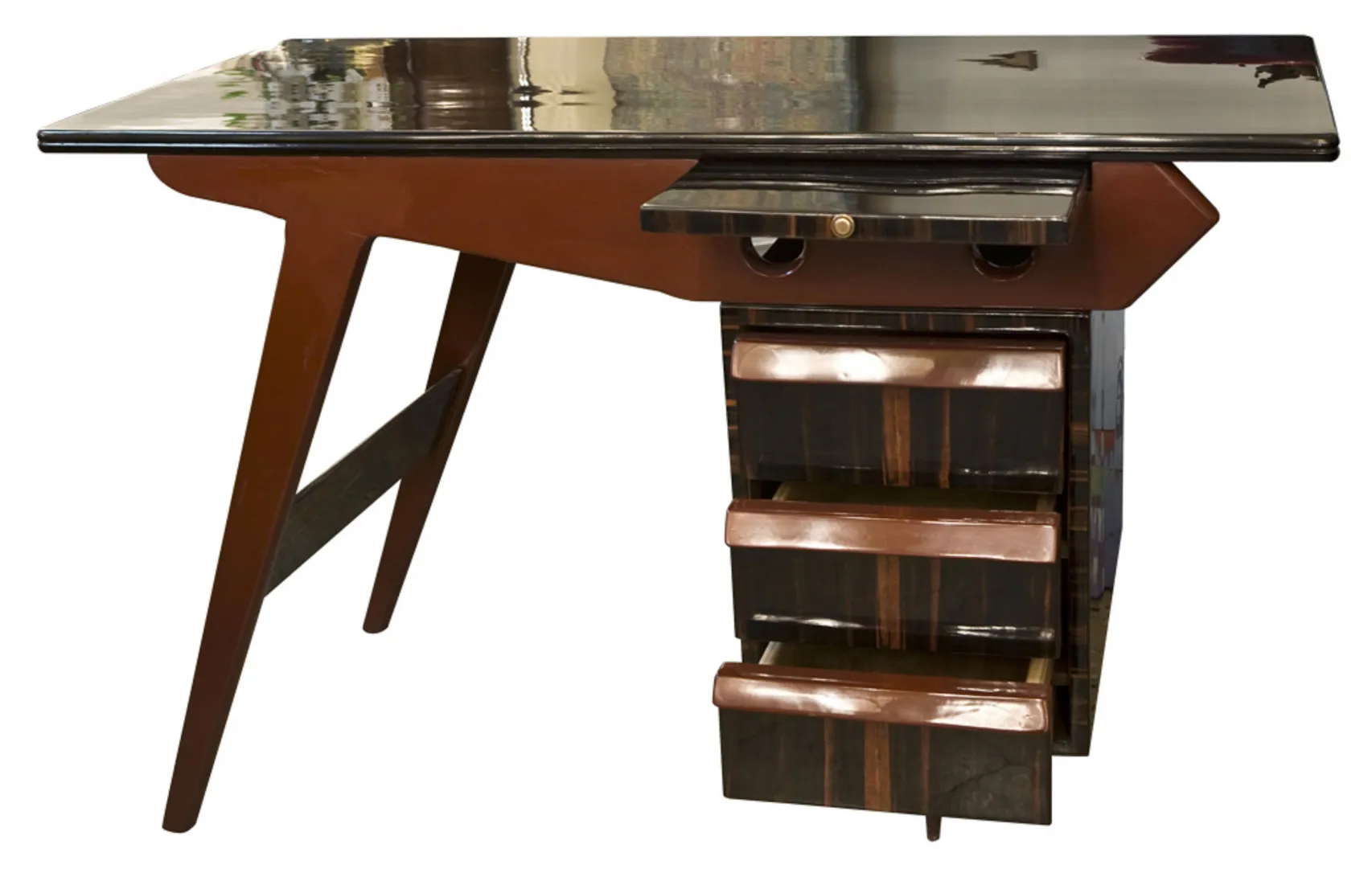
Italy maintained its tradition of high-quality craftsmanship, with a focus on attention to detail and the use of noble materials.
The most important Italian designers of the time are:
Gio Ponti: he was one of the most influential designers of the era, known for his versatility and creativity. His "Superleggera" chair is an iconic example of Italian design from the 1950s. Italian furniture design of the 1950s was a golden age, marked by creativity, innovation, and artisanal quality.
Iconic designs such as the Eames chair by American designers Charles and Ray Eames and the Barcelona chair by German architect and designer Ludwig Mies van der Rohe, in collaboration with Lilly Reich, became popular, characterized by their ergonomic shapes and innovative materials. In lighting, Poul Henningsen, a Danish designer who created the PH lamps, and Isamu Noguchi, of American origin, stand out.
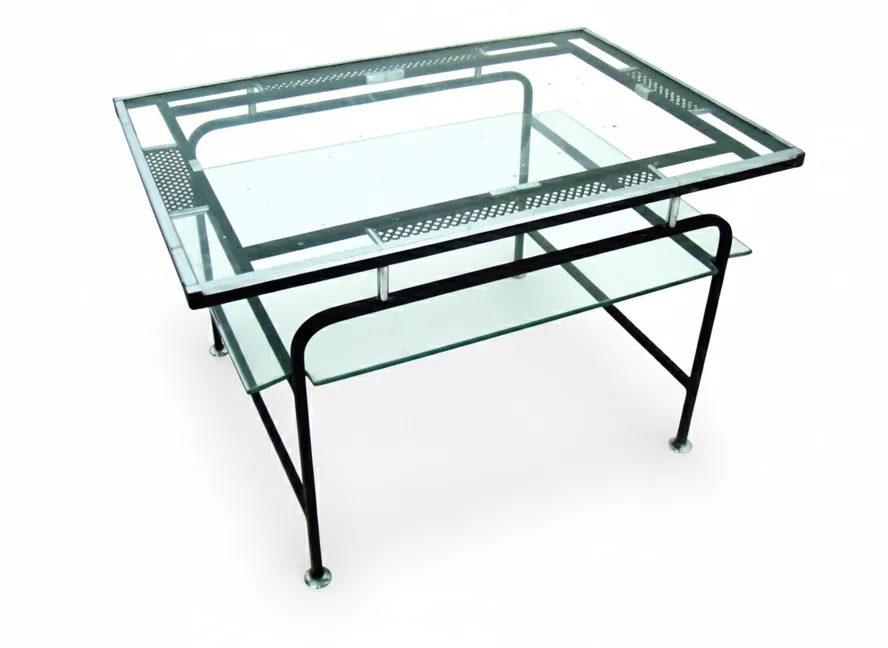
Coffee tables with organic shapes and glass surfaces were very popular at the time.
In summary, the furniture of the 1950s was an expression of modernity, optimism, and functionality, and laid the foundations for many of the design trends we see today.




 Share
Share