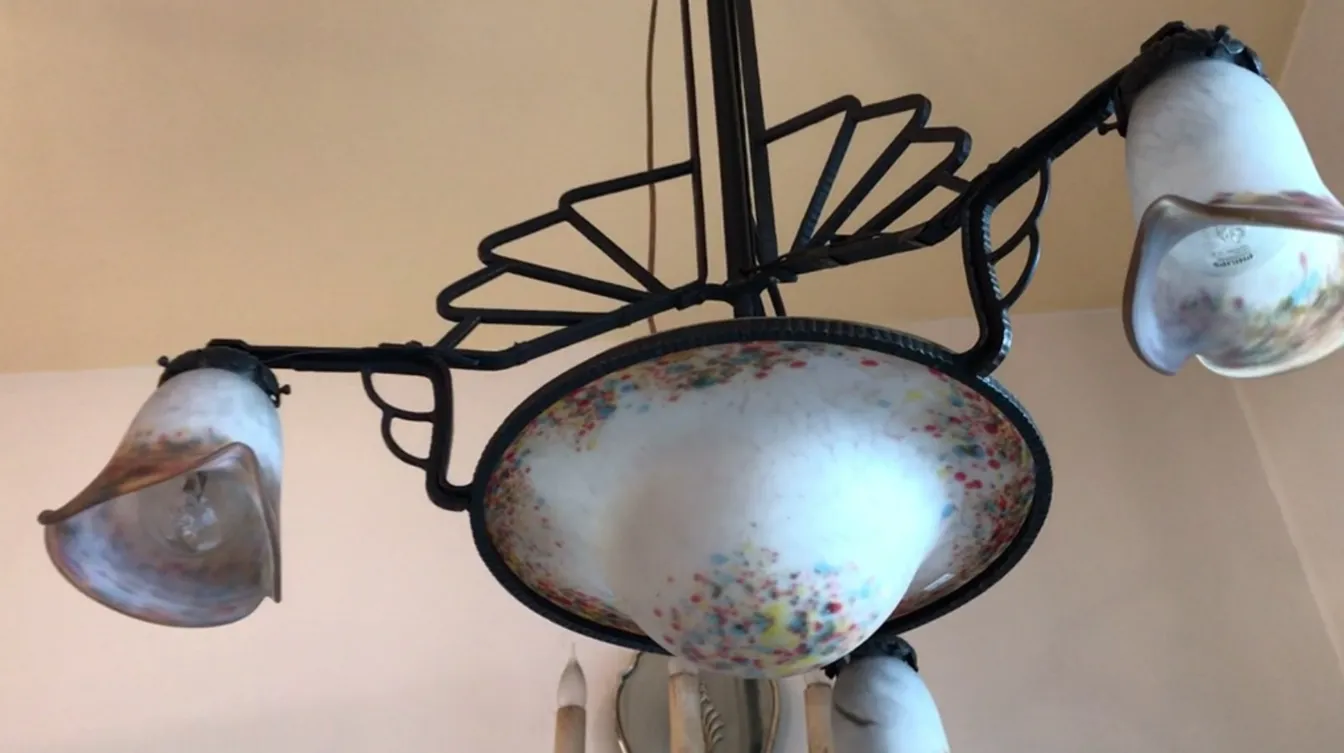
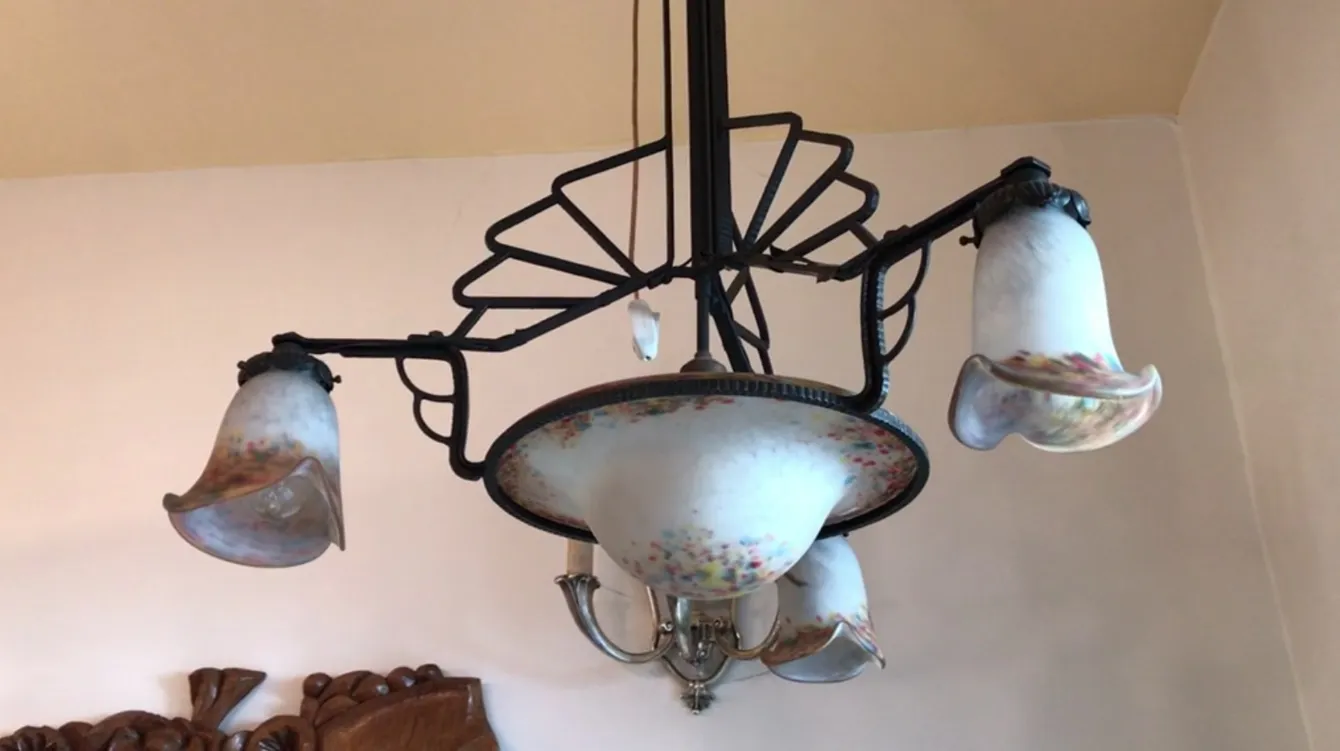
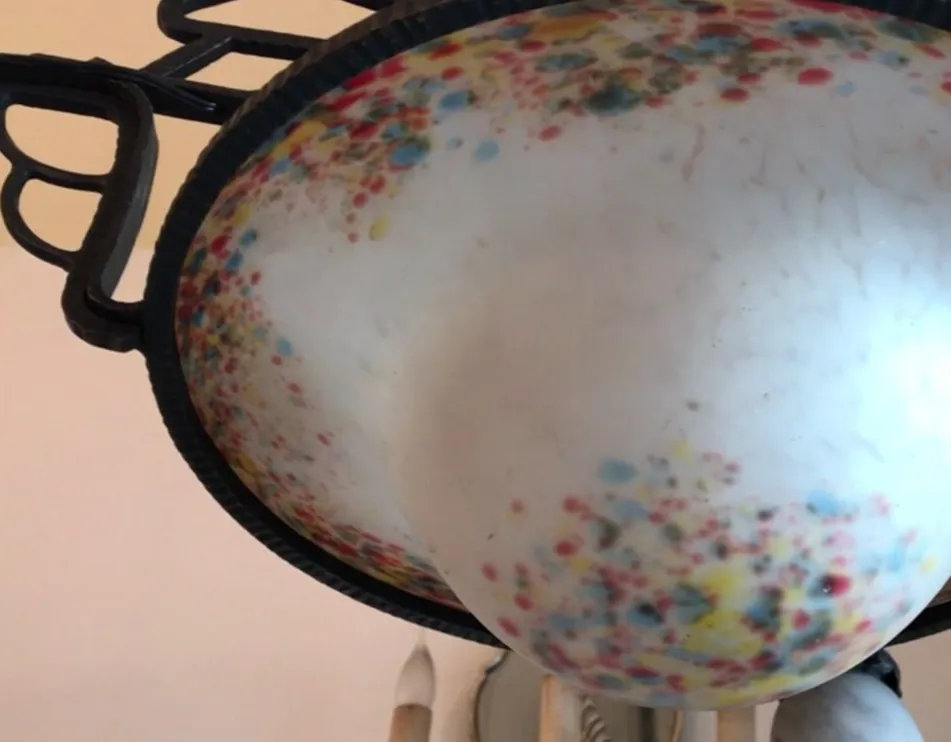
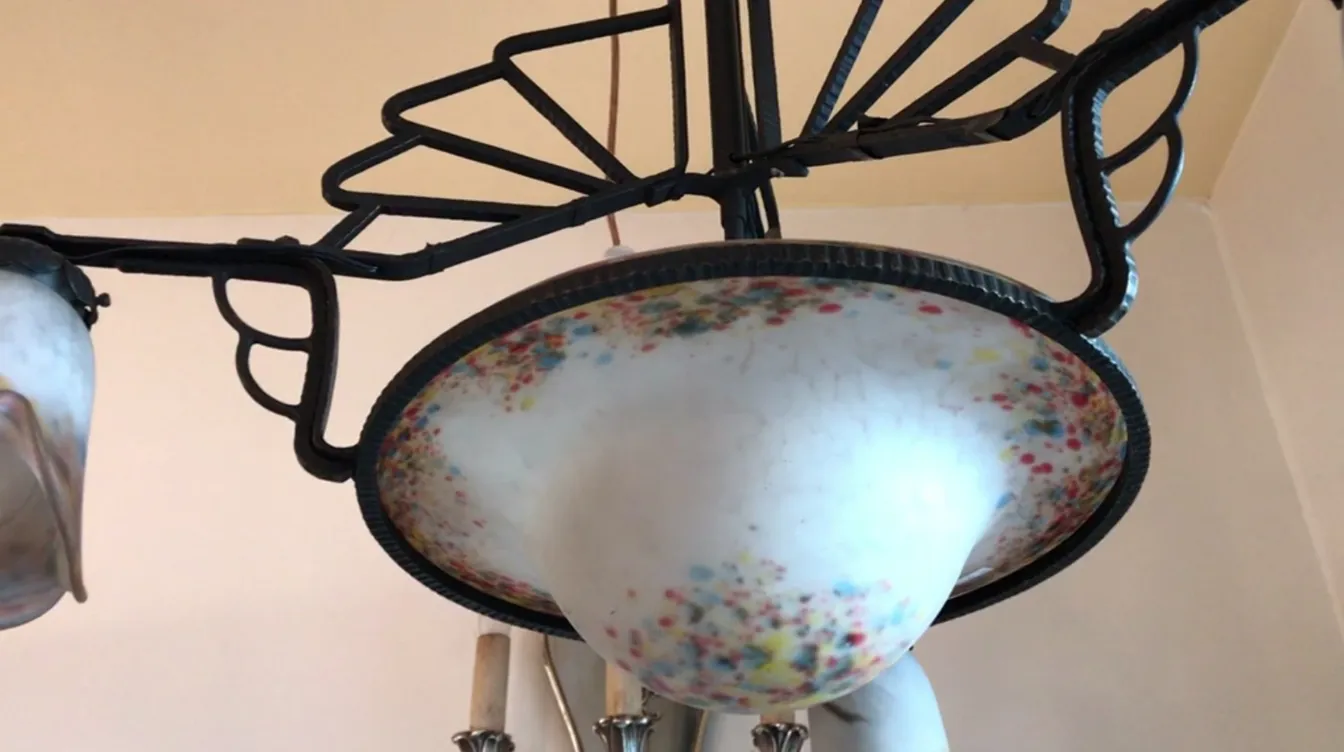
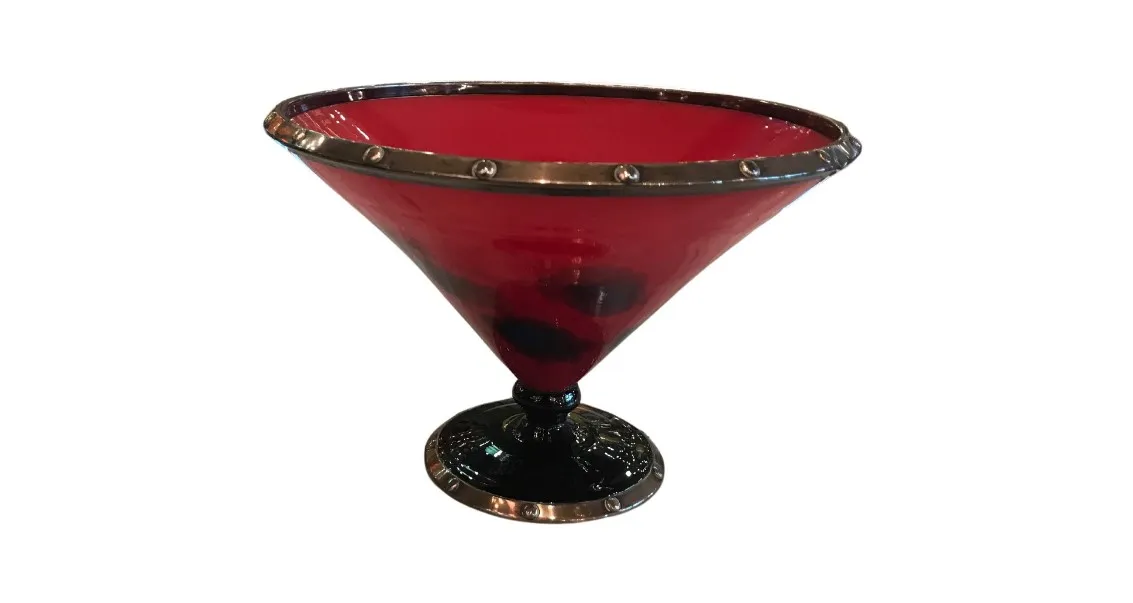
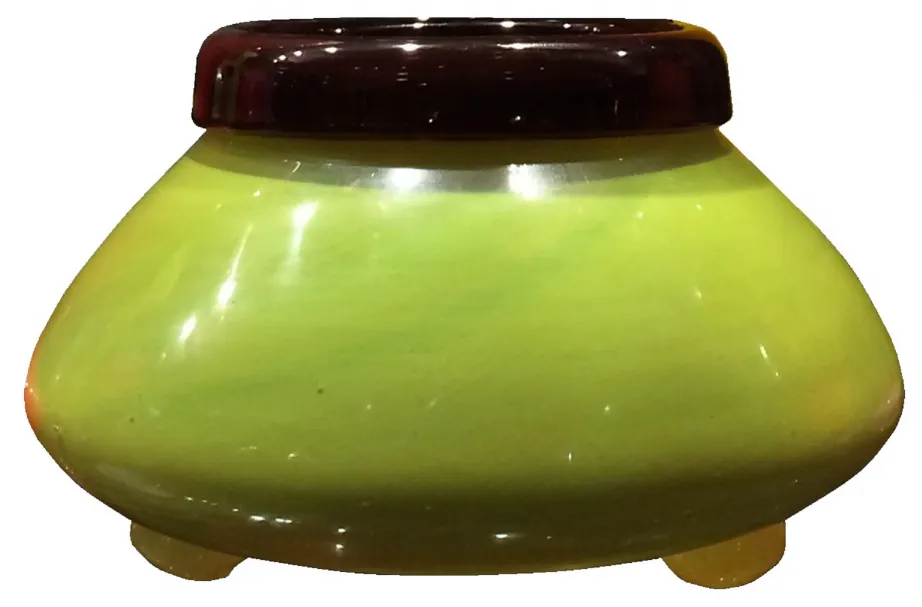
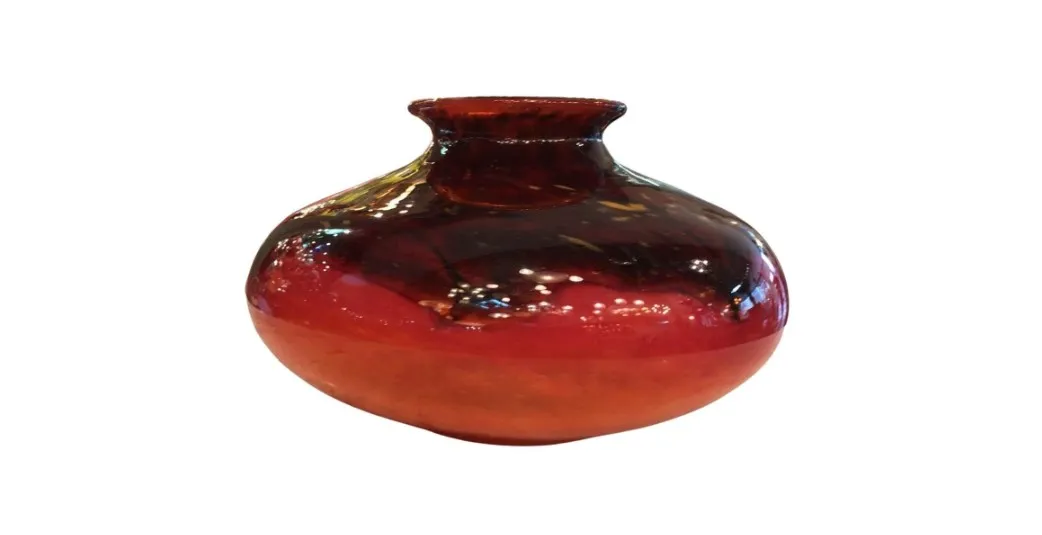
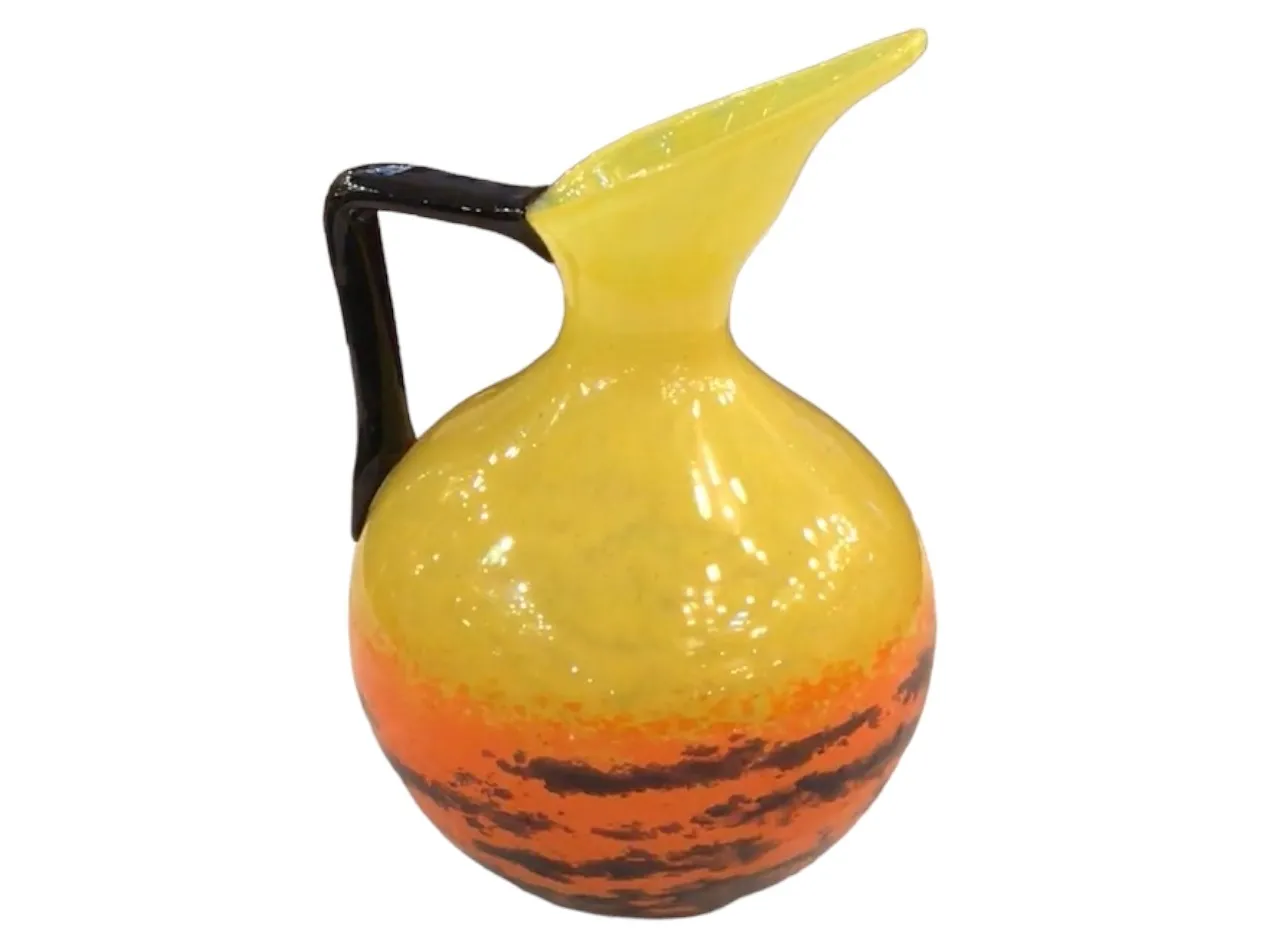
Charles Schneider was born in Chateau-Thierry, near Paris, on February 23, 1881. As a child, he moved with his family to Nancy, the artistic center of France, where he later studied at 'L'Ecole des Beaux Arts'.
In 1909, the brothers decided to open their own factory and start their business, buying a small factory that operated until 1914, when the brothers joined the army.
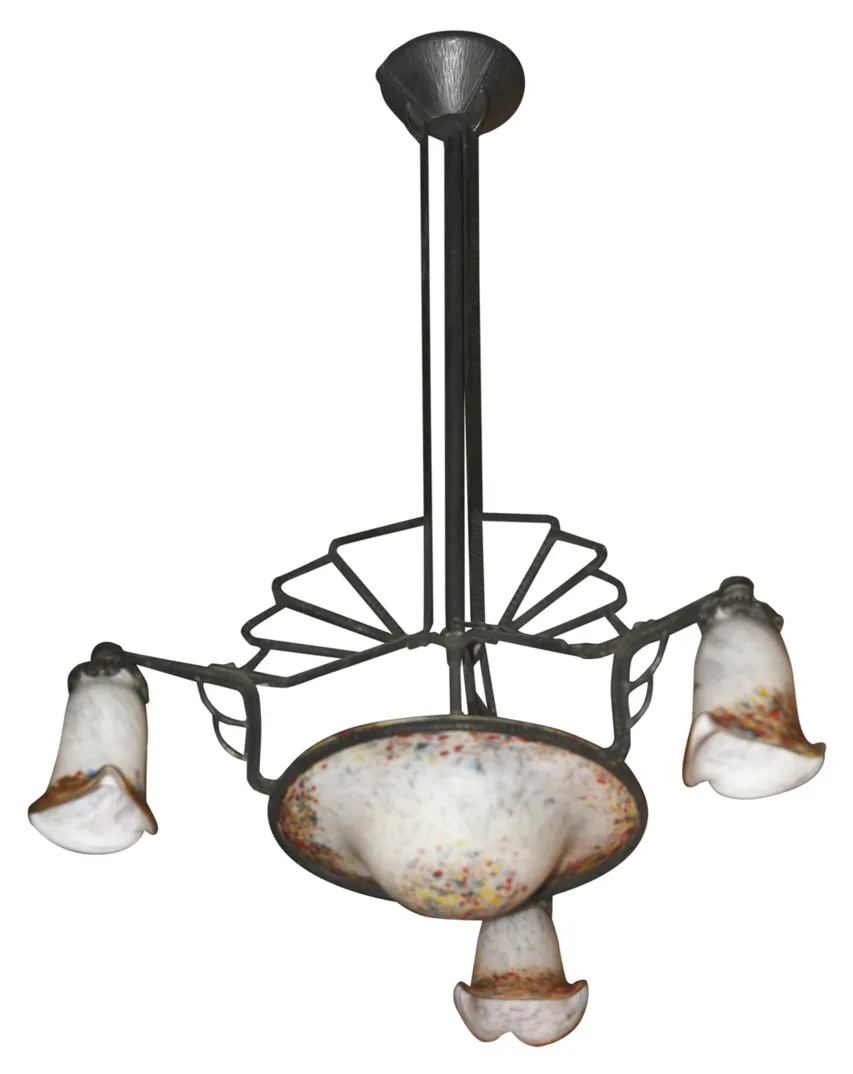
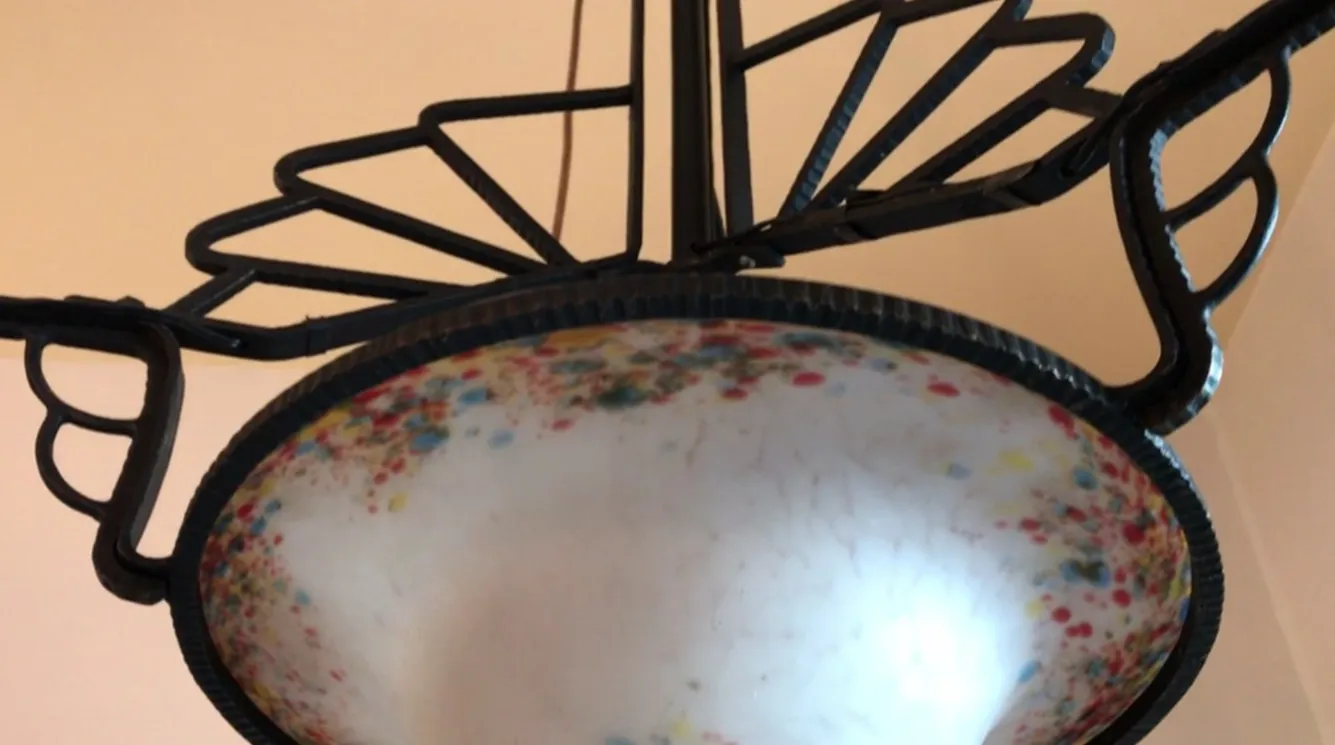
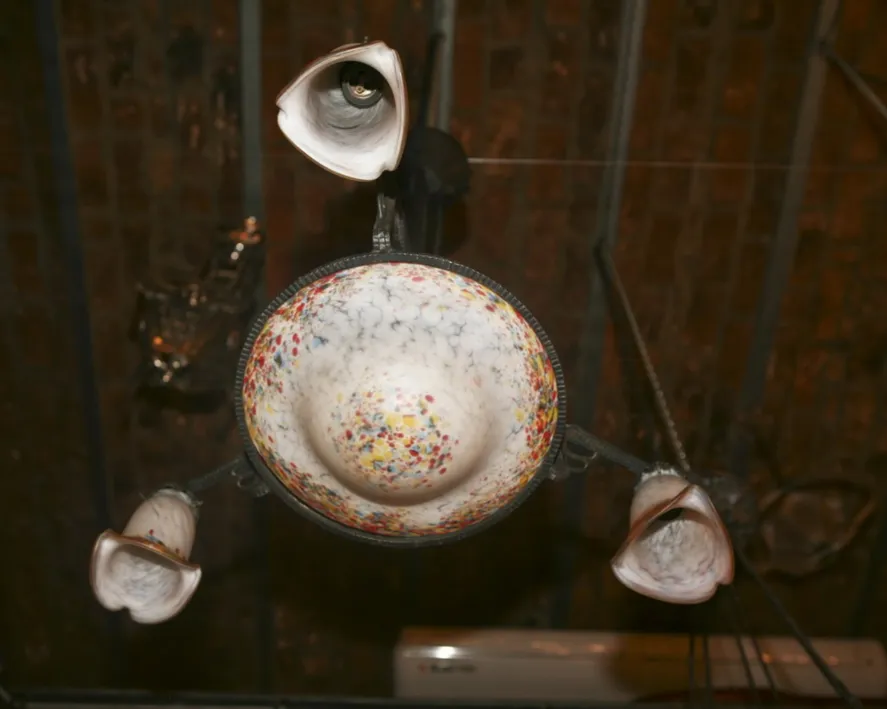
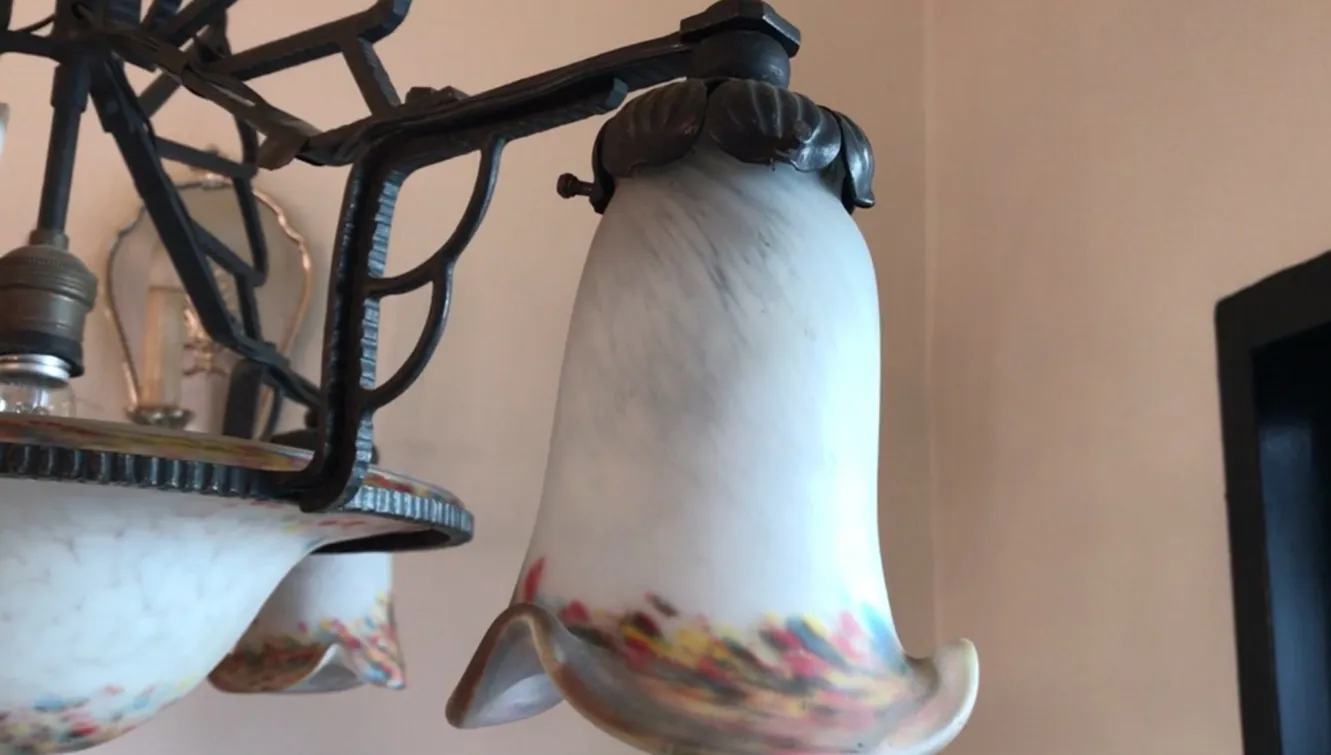
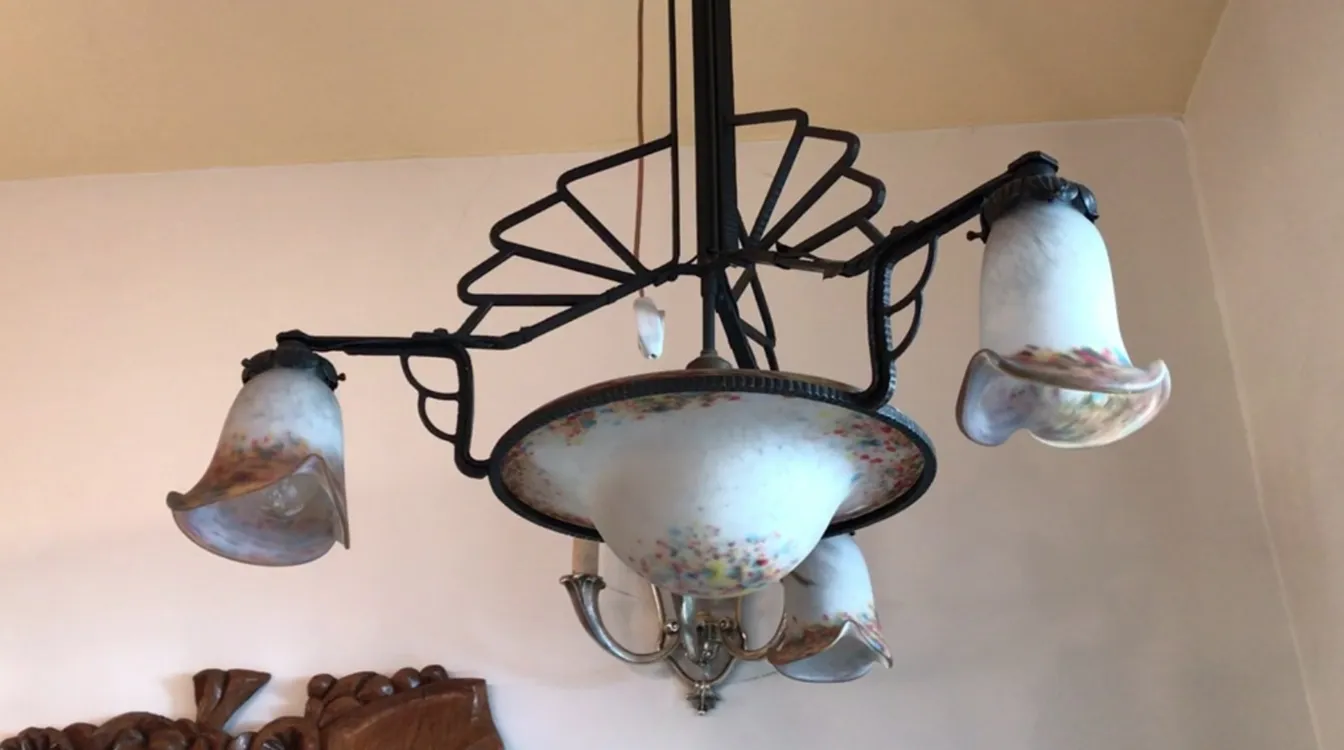
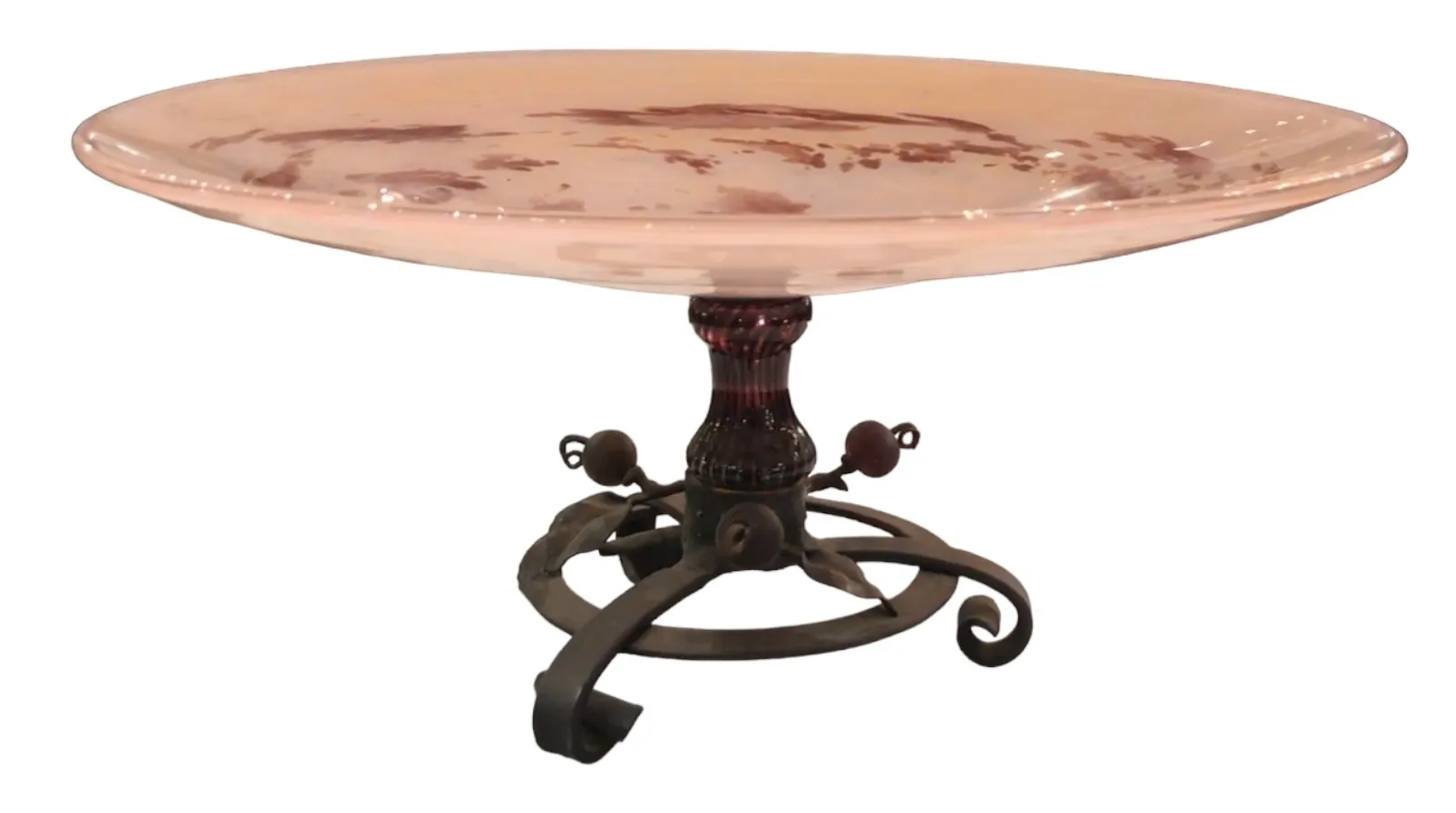
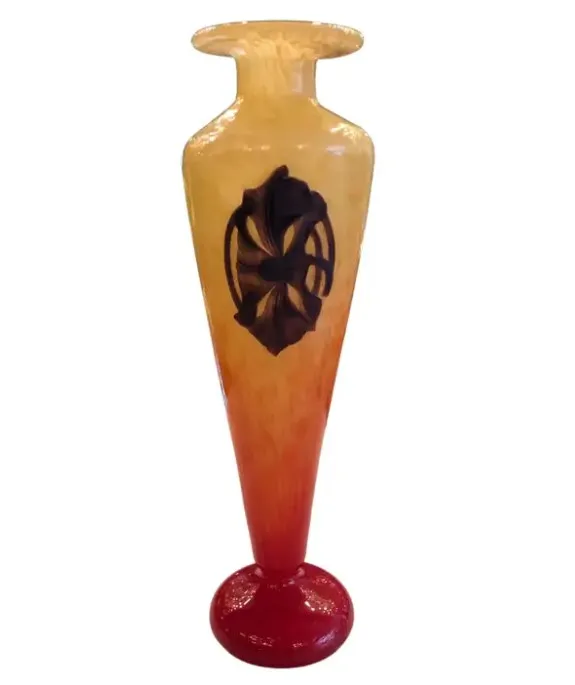
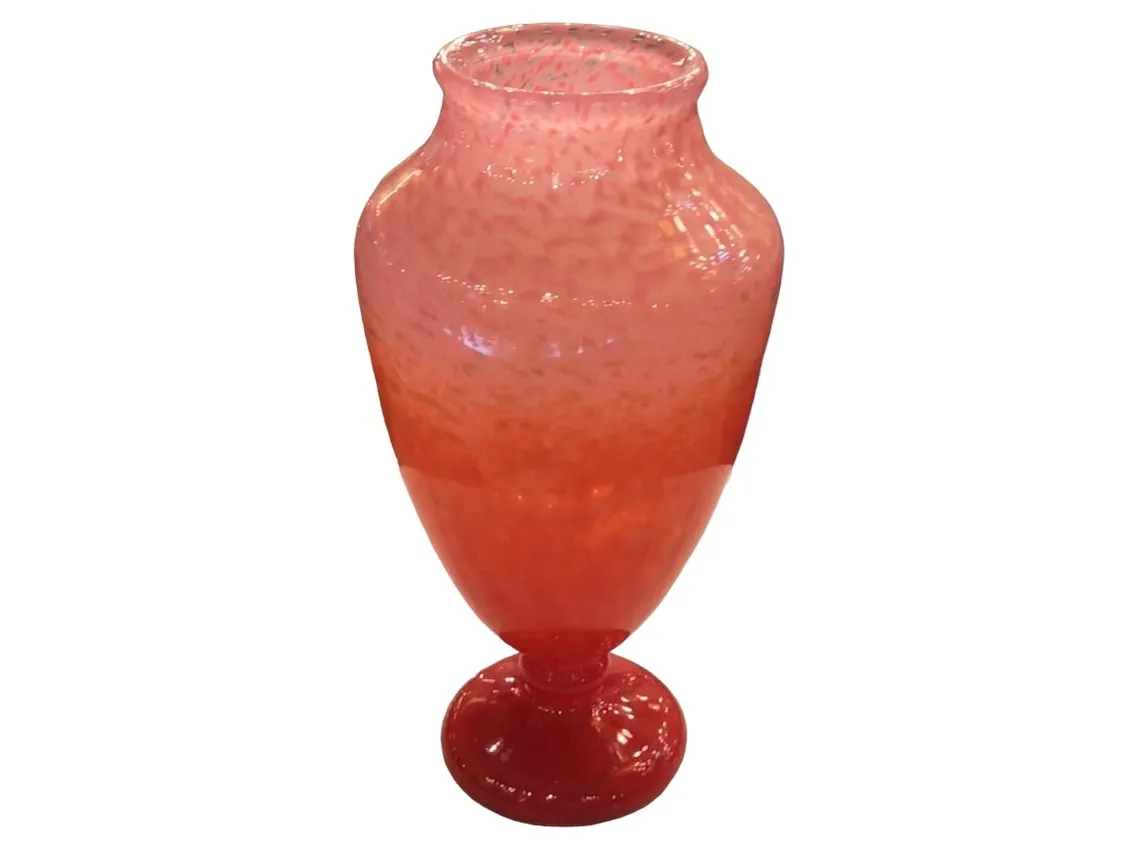
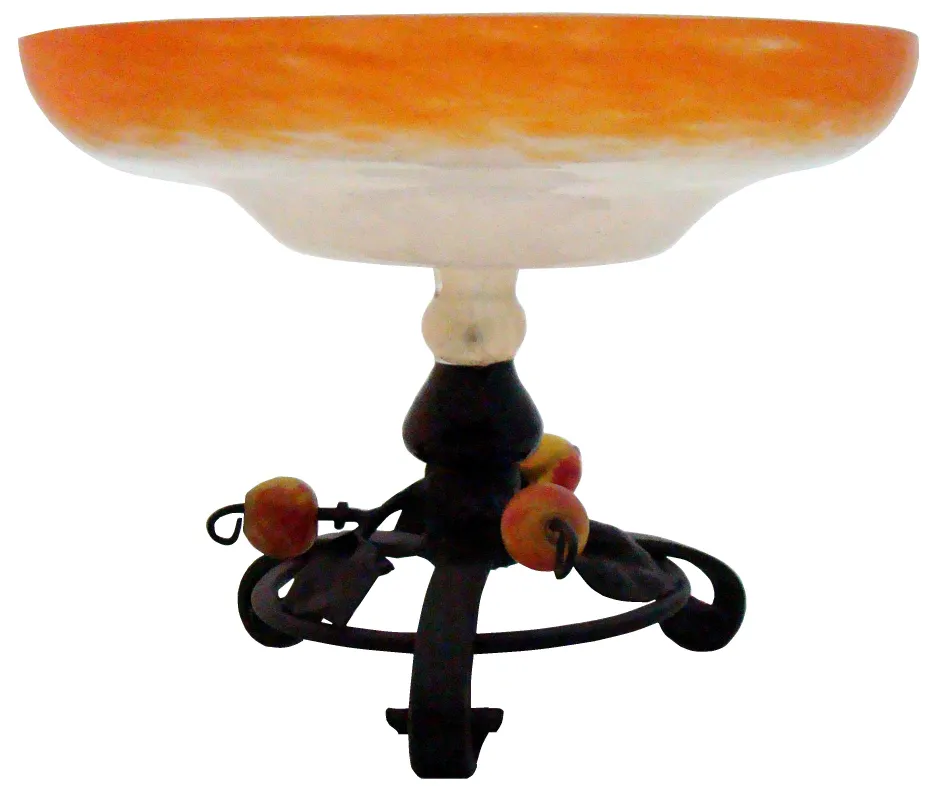
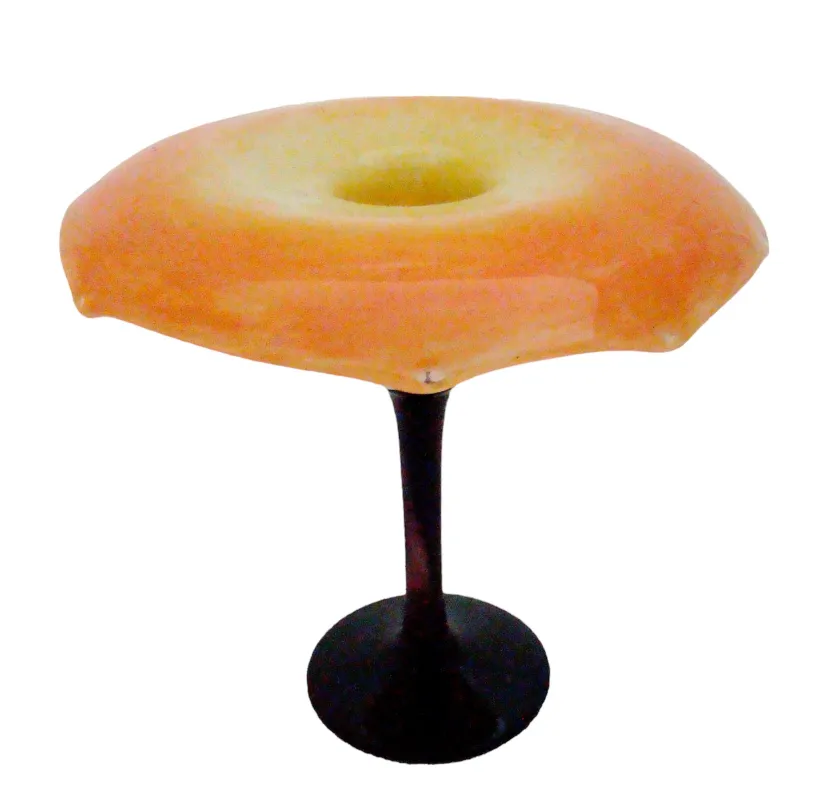
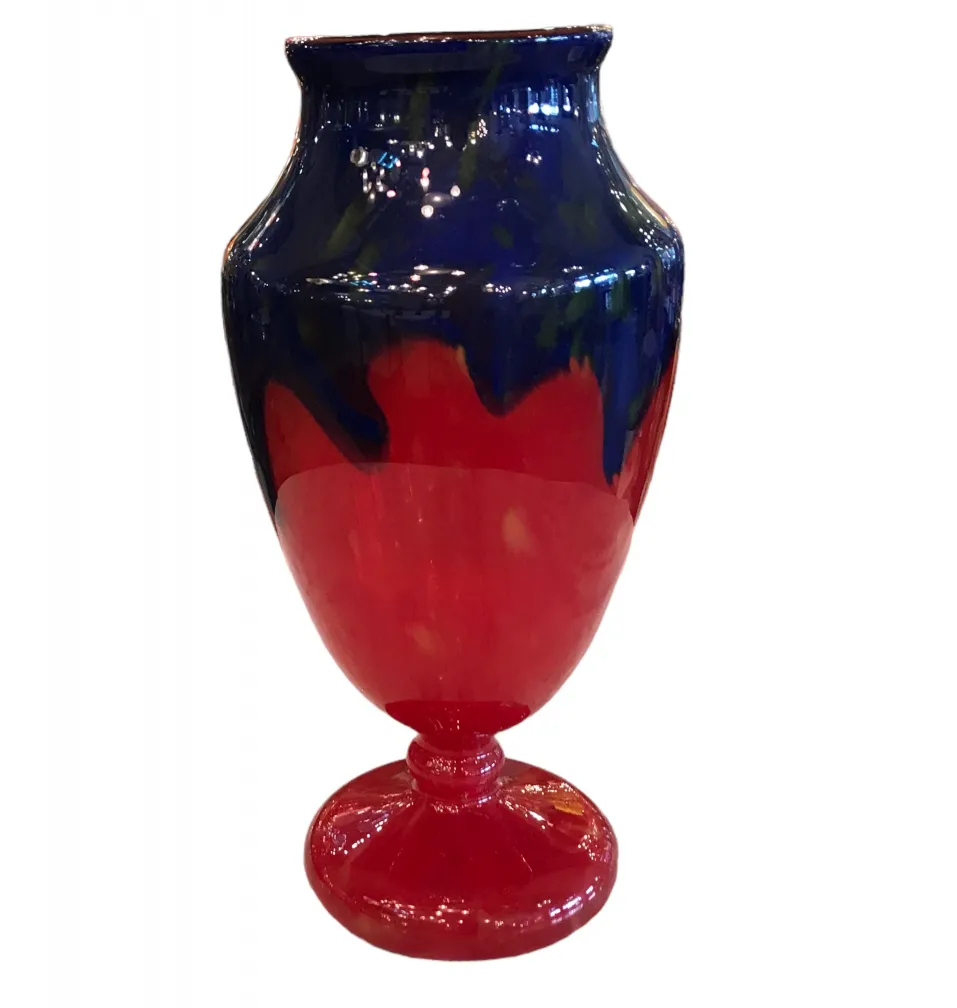
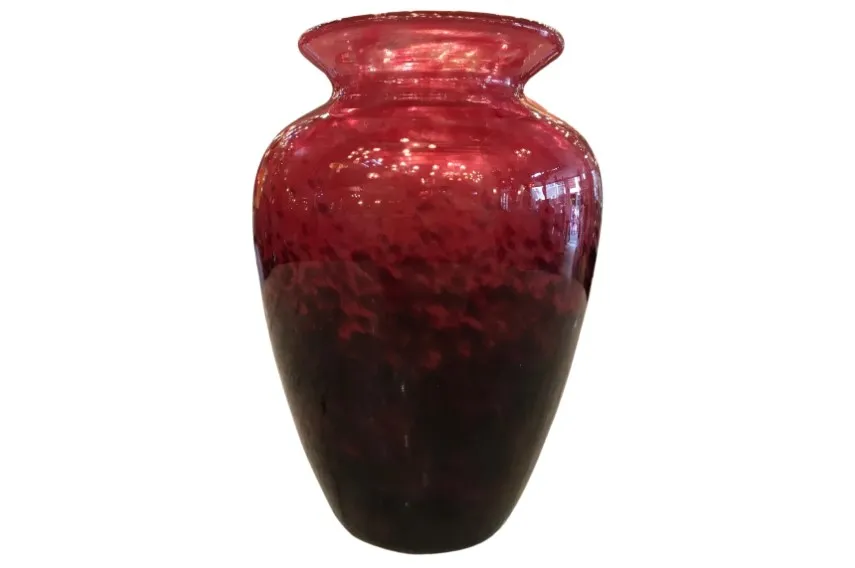
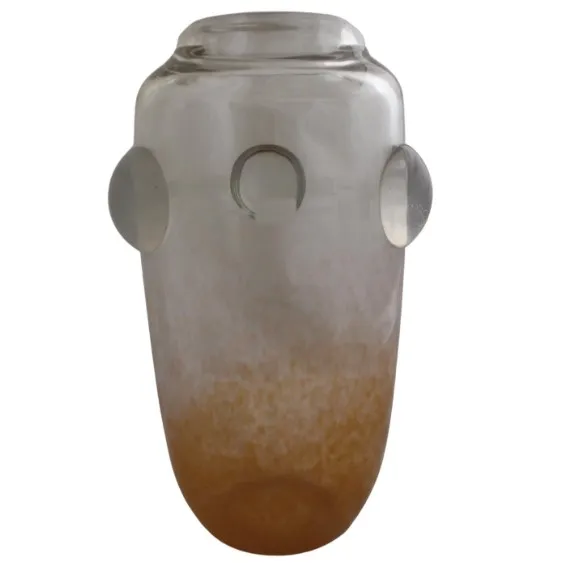
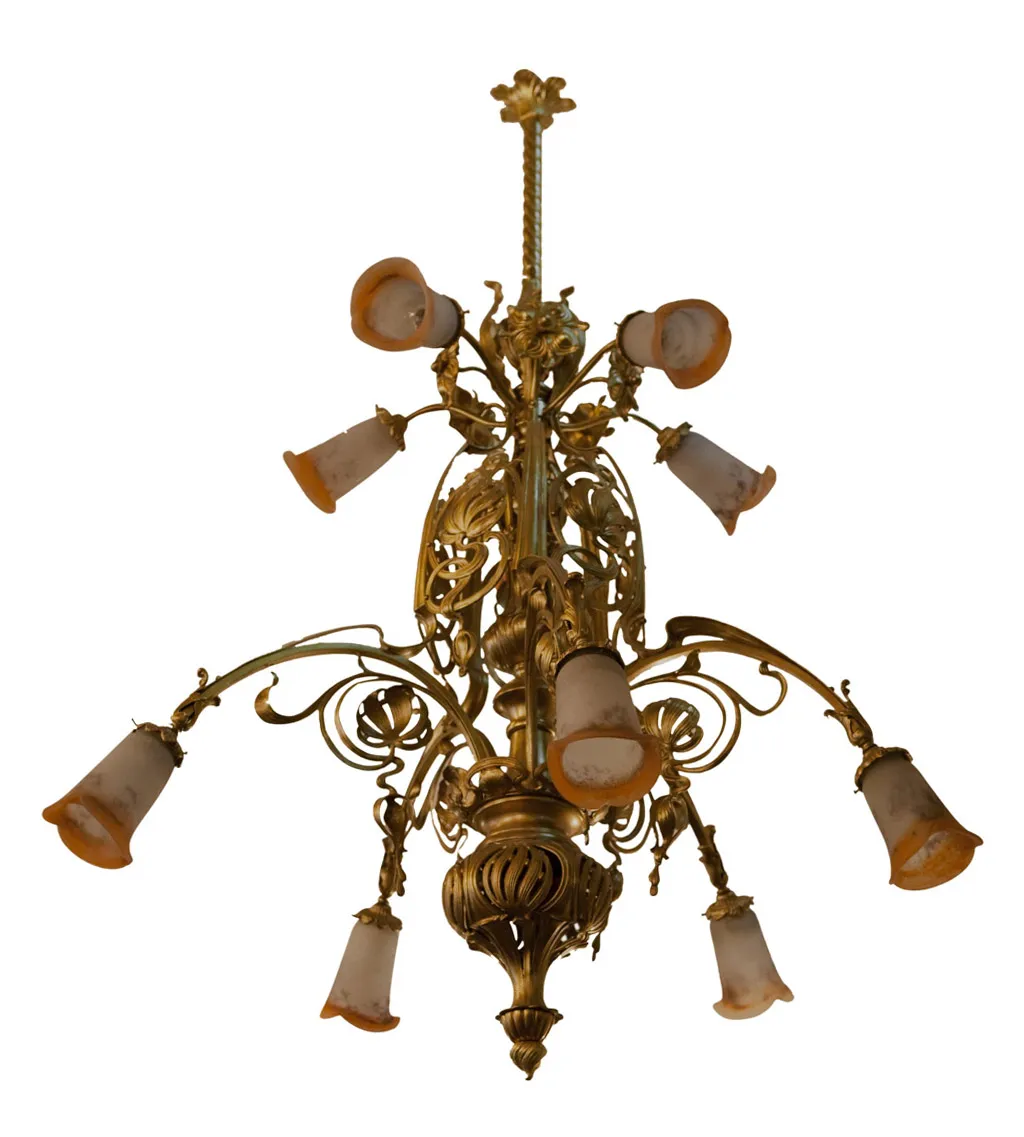
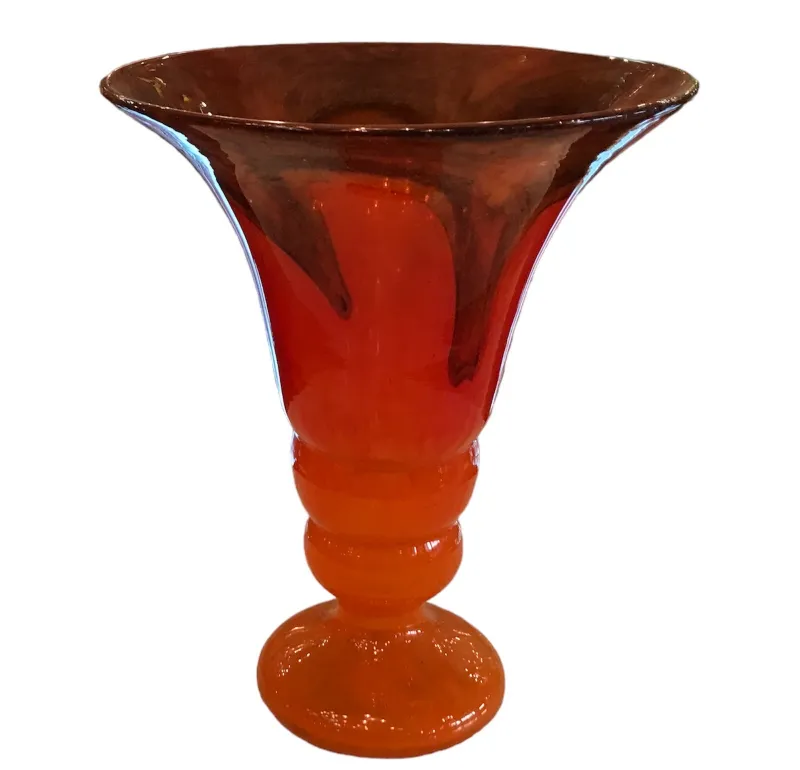
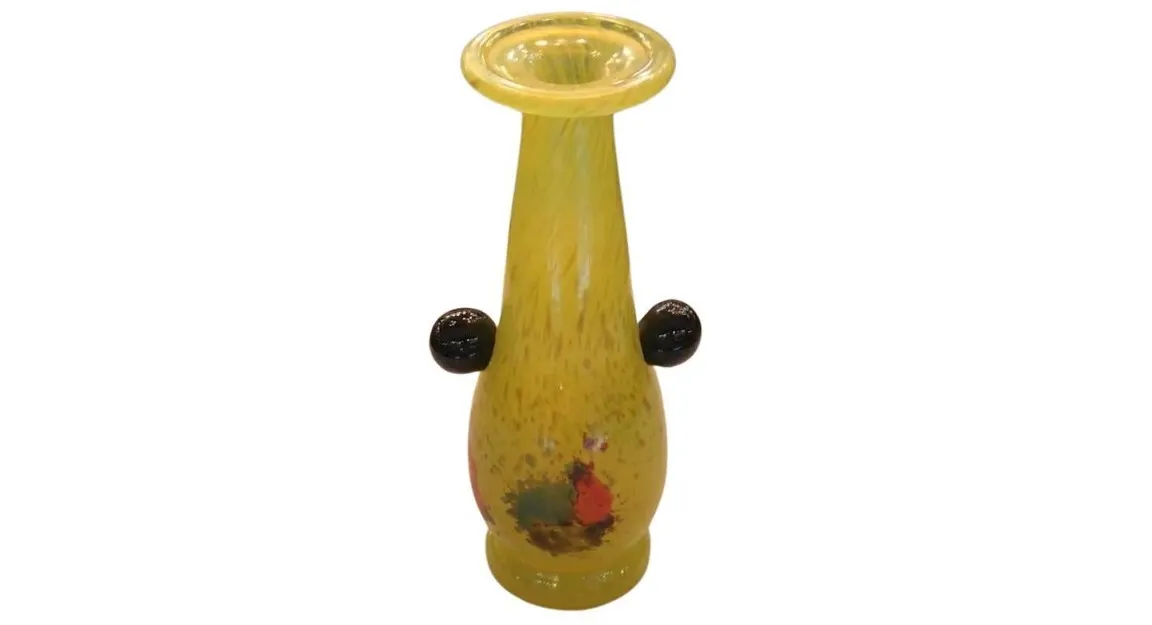
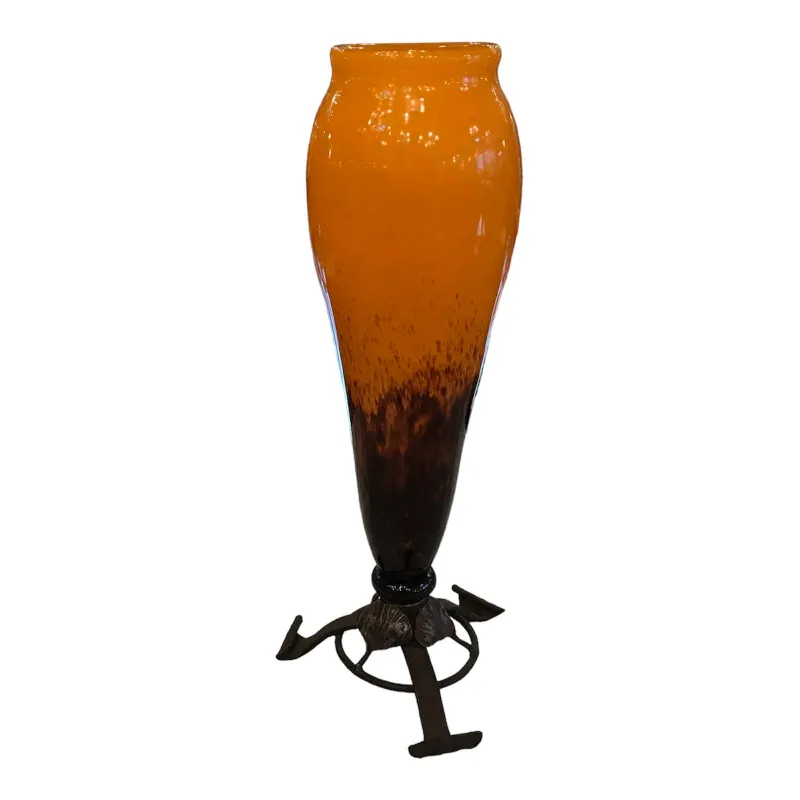
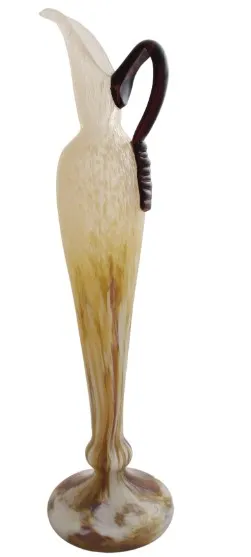
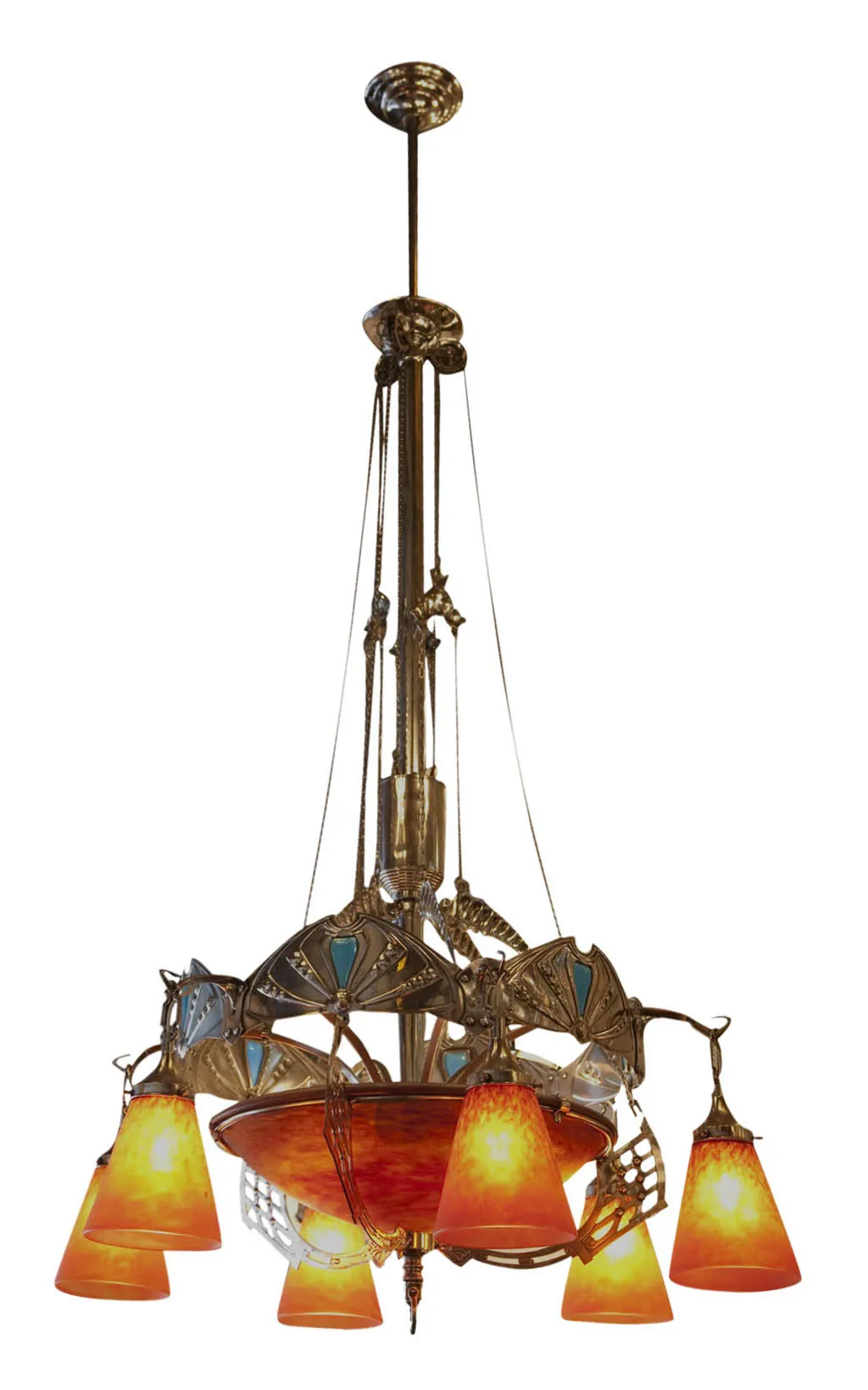
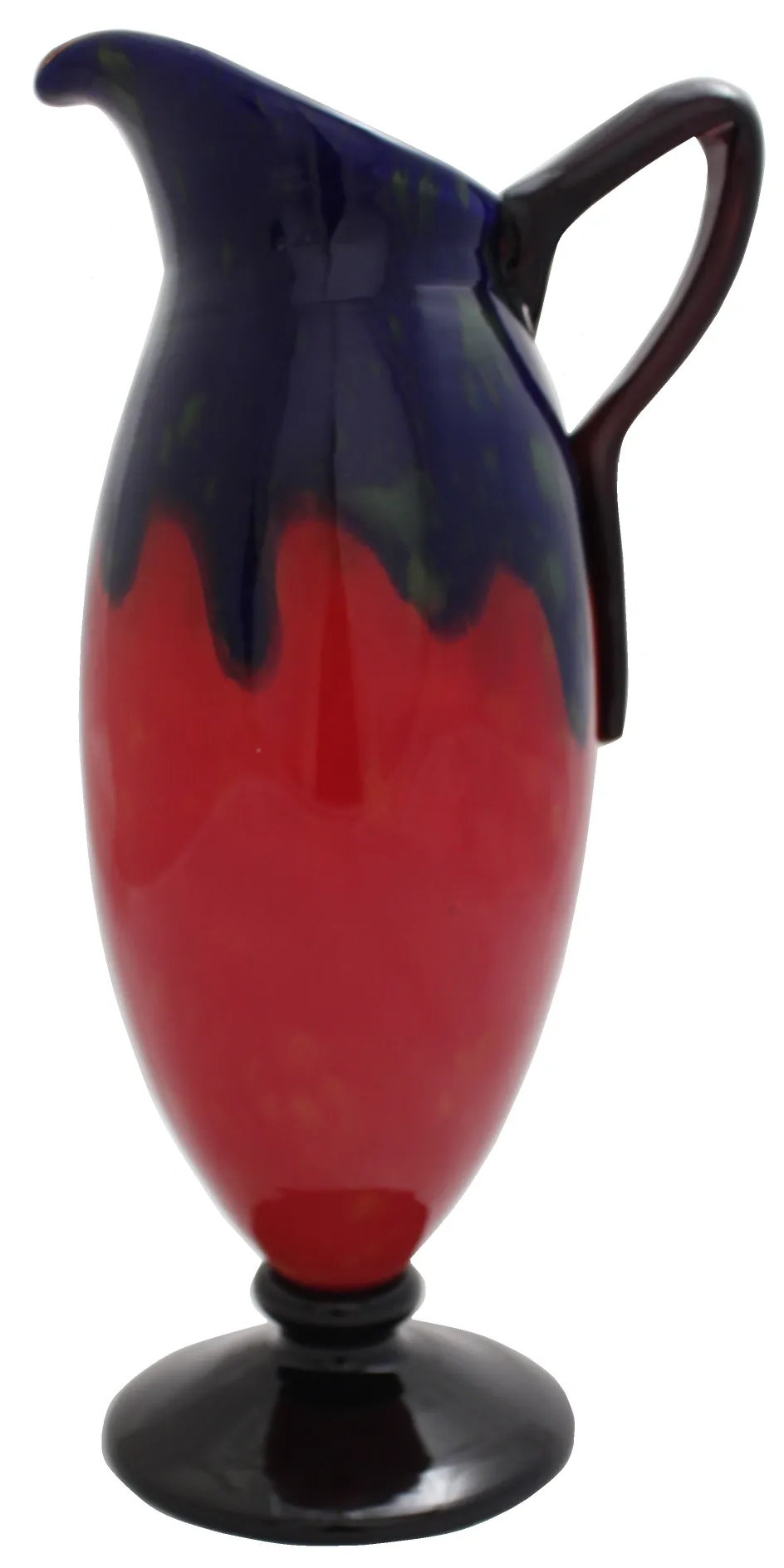
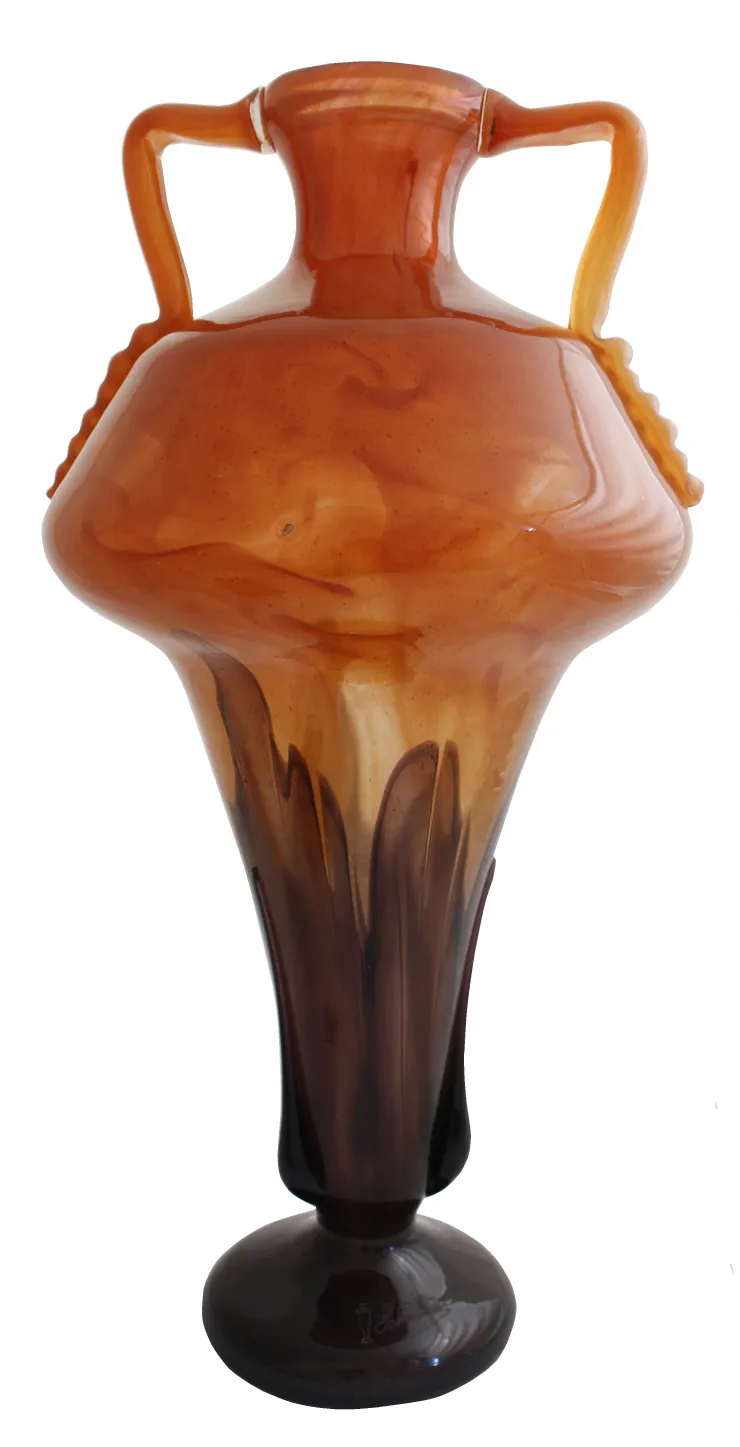
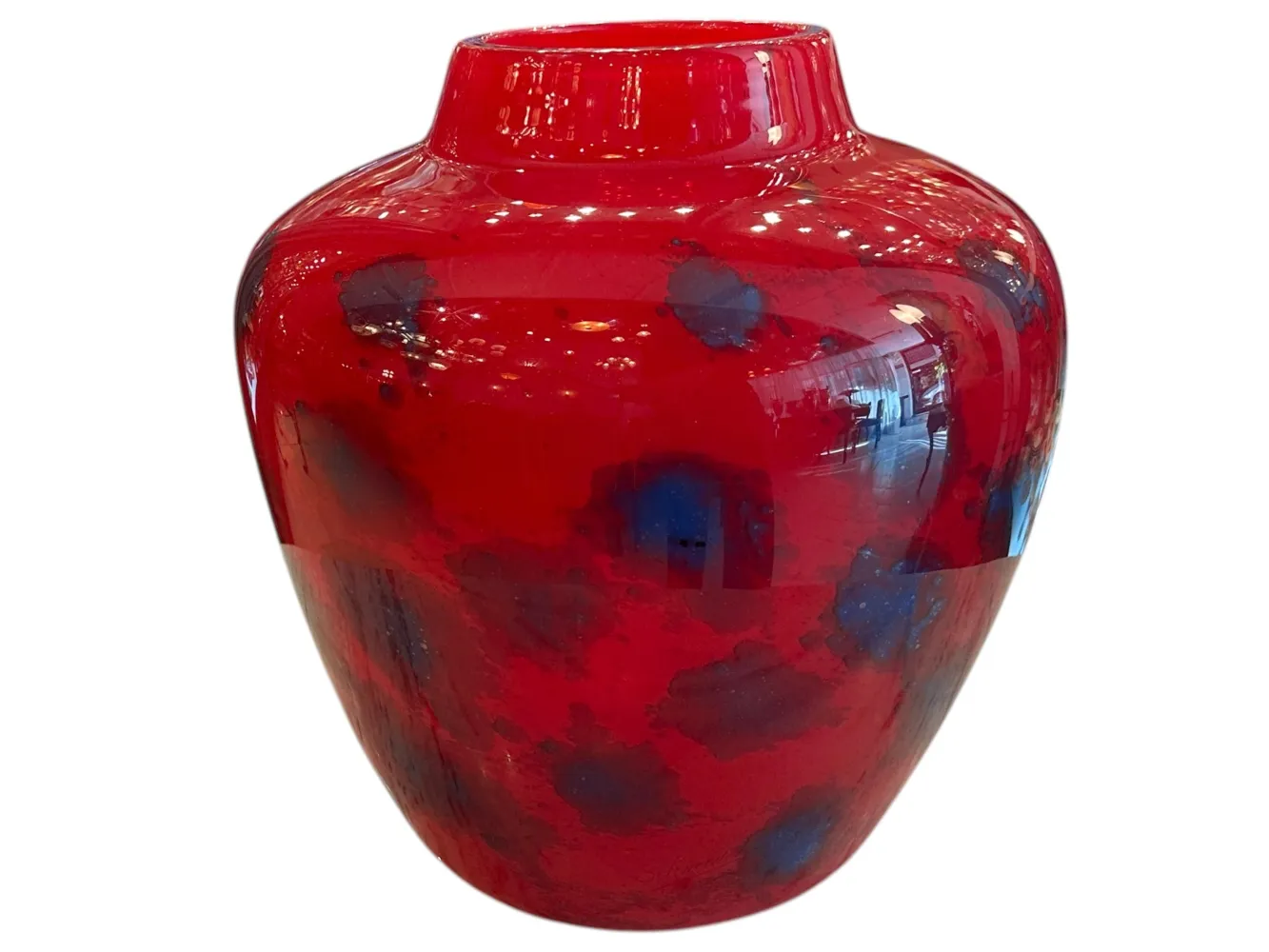
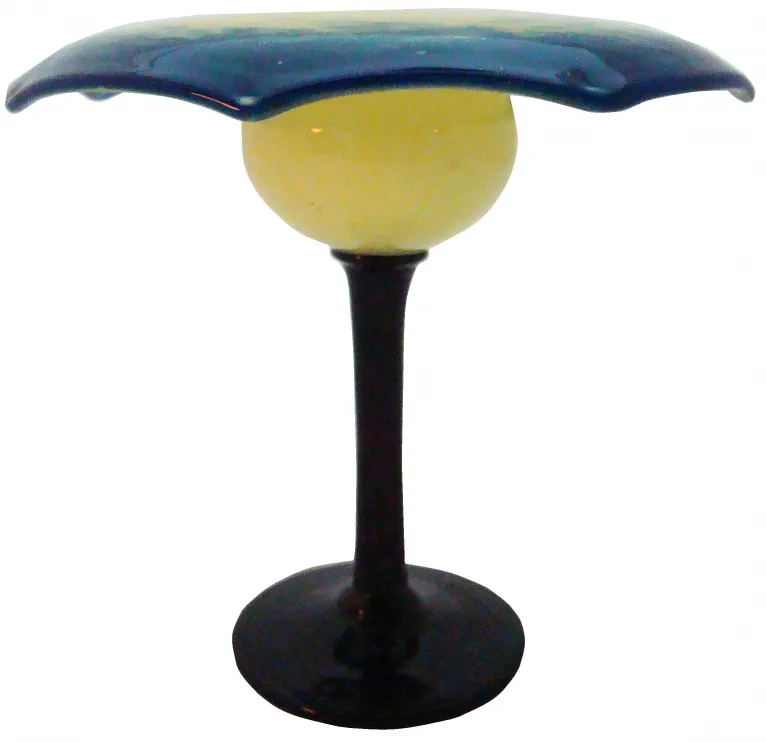
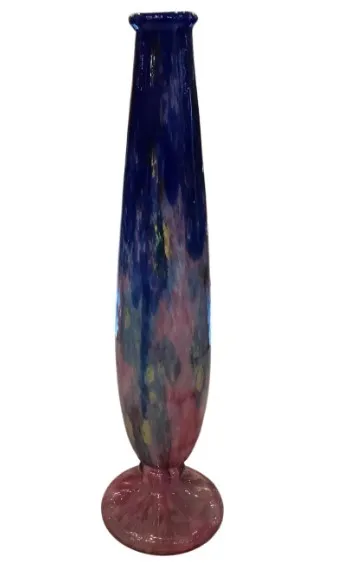
The factory reopened when the war ended. At that time, the public's taste still leaned towards the Art Nouveau style, and the factory mainly produced 'cameo' glass, with designs of flowers, animals, and glass with added handles and bubbles.
In 1949, they opened a new factory called 'Schneider'. Glassware can be found signed as (Charder, Leverre, Schneider, or with the French flag candy cane motif).




 Share
Share