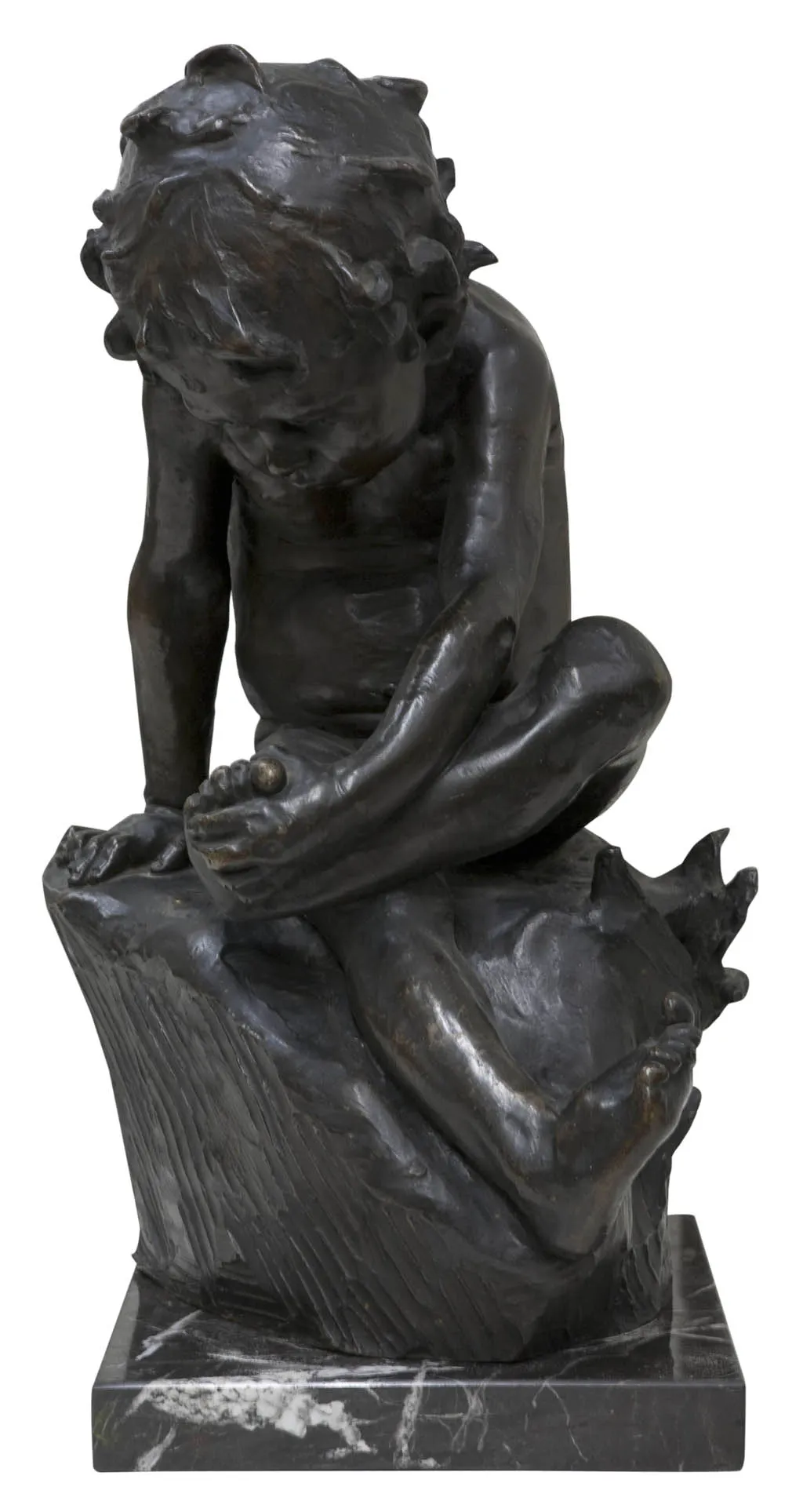
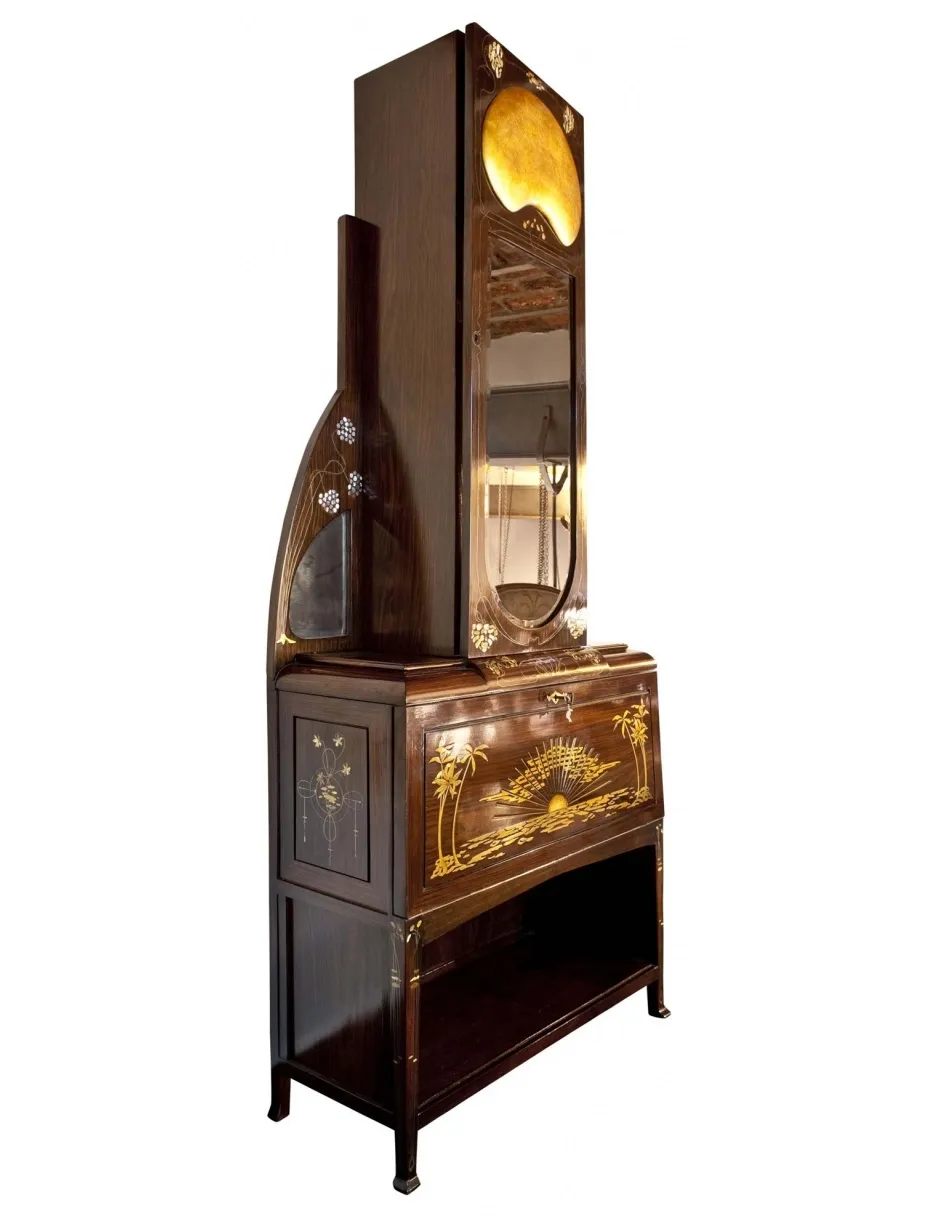
Wilhelm Schmidt was born in 1880 in Bohemia, Czech Republic, and became an important Austrian furniture designer and architect.
He rose to become a leading designer for Prag-Rudniker. Schmidt was a student of the influential architect and designer Josef Hoffmann.
Along with other avant-garde designers of the era, Schmidt began incorporating traditional materials like rattan and wicker into his furniture designs. In 1905, he took over as chief designer at Prag-Rudniker.
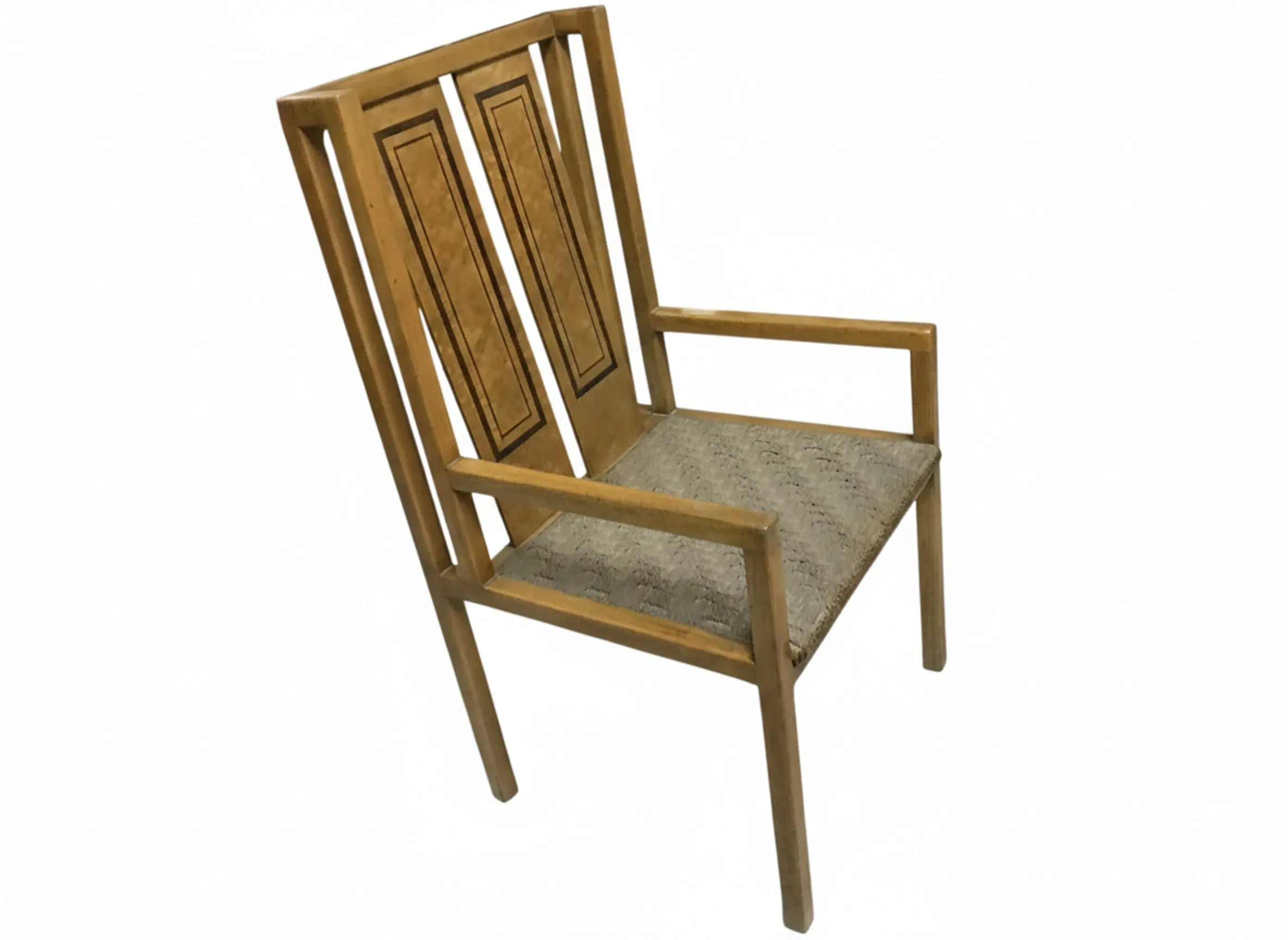
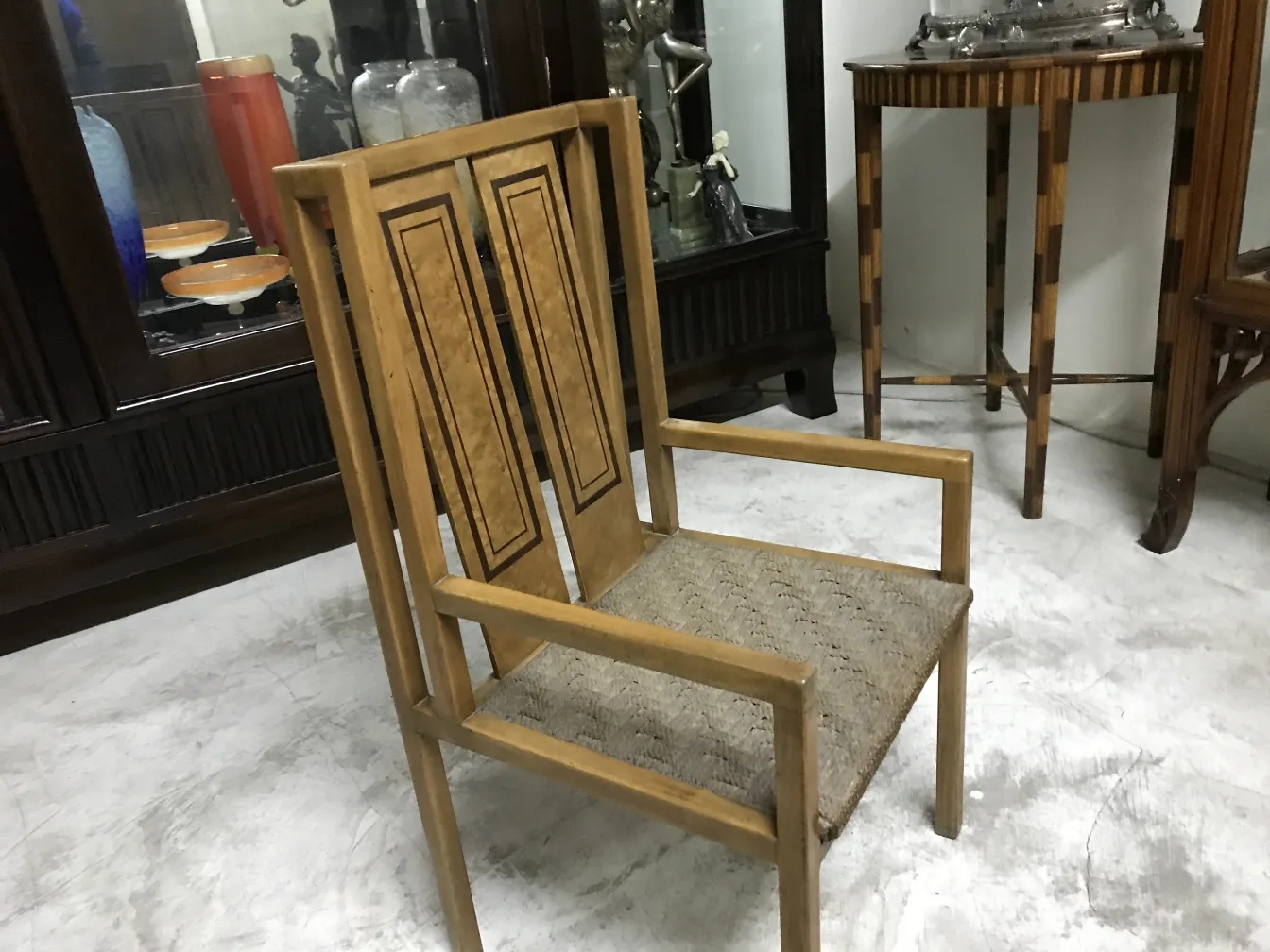
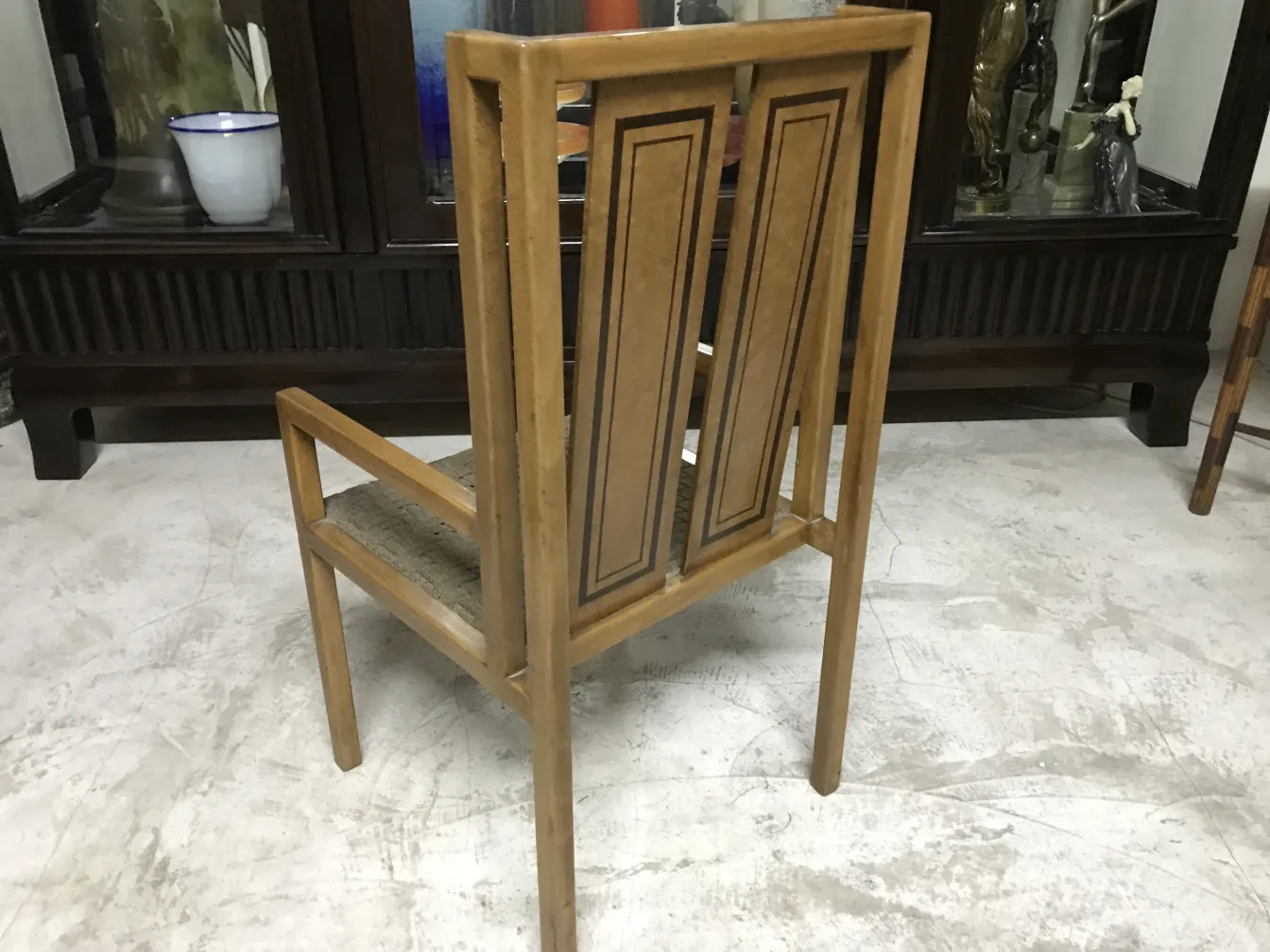
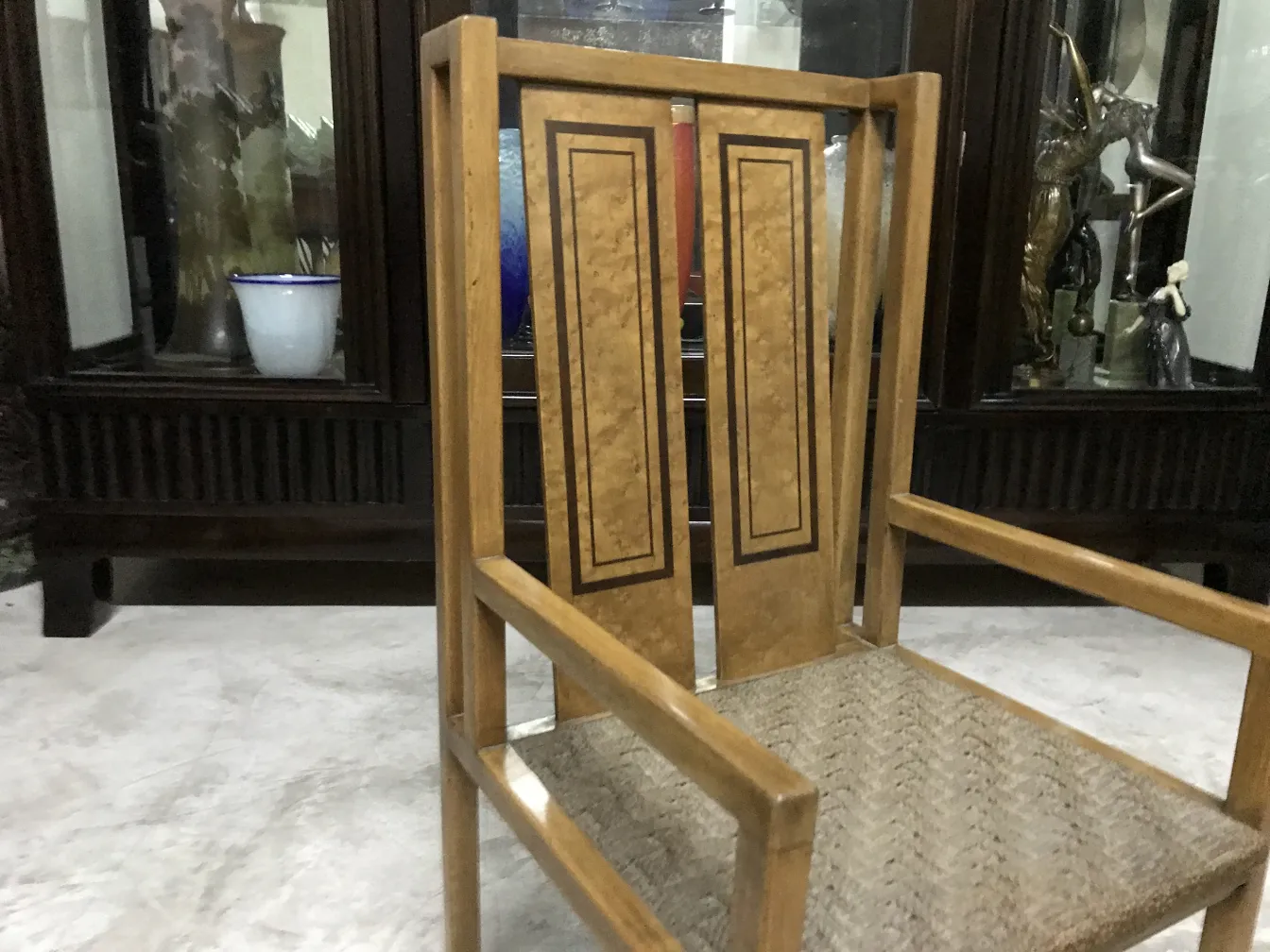
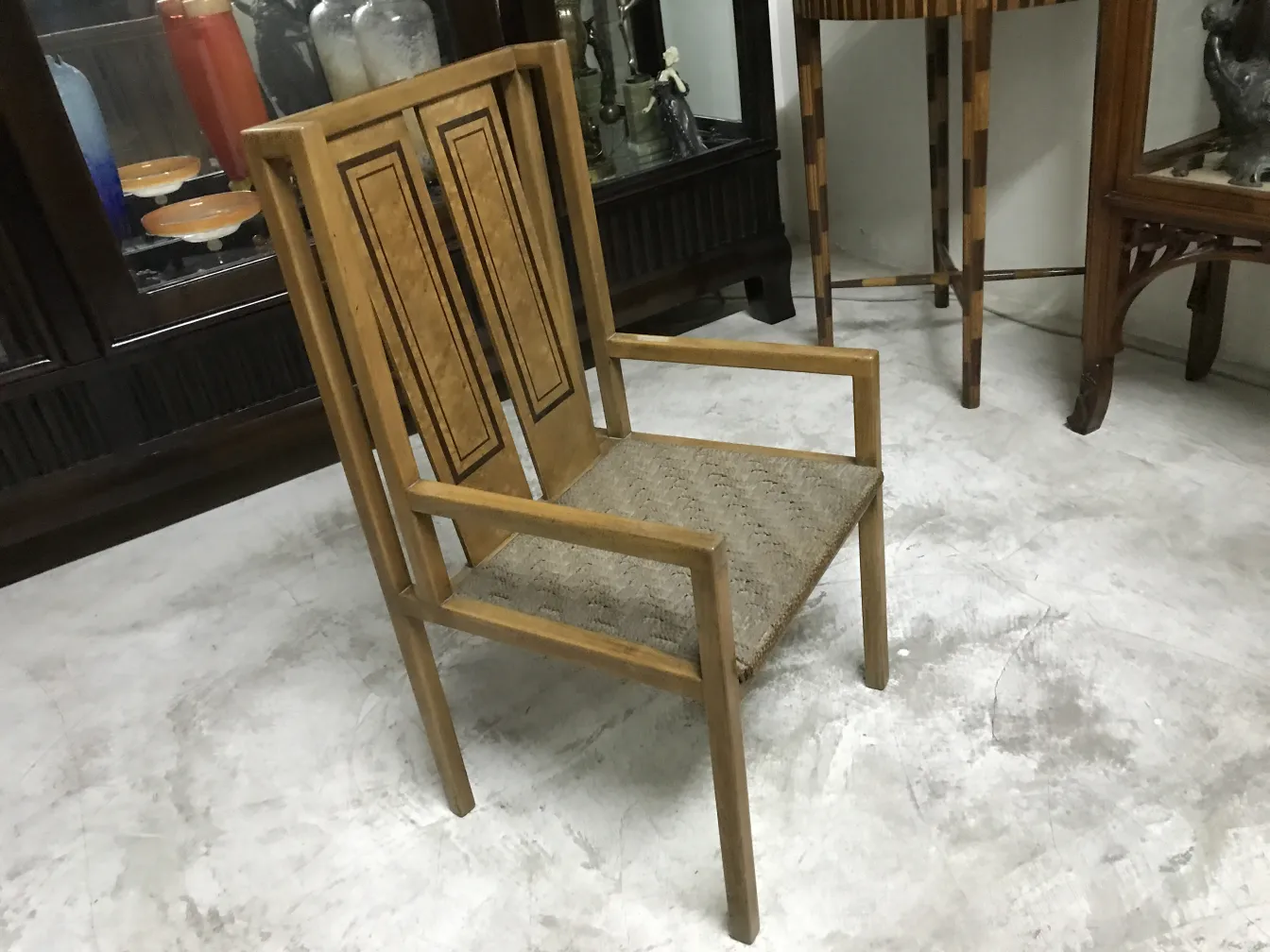
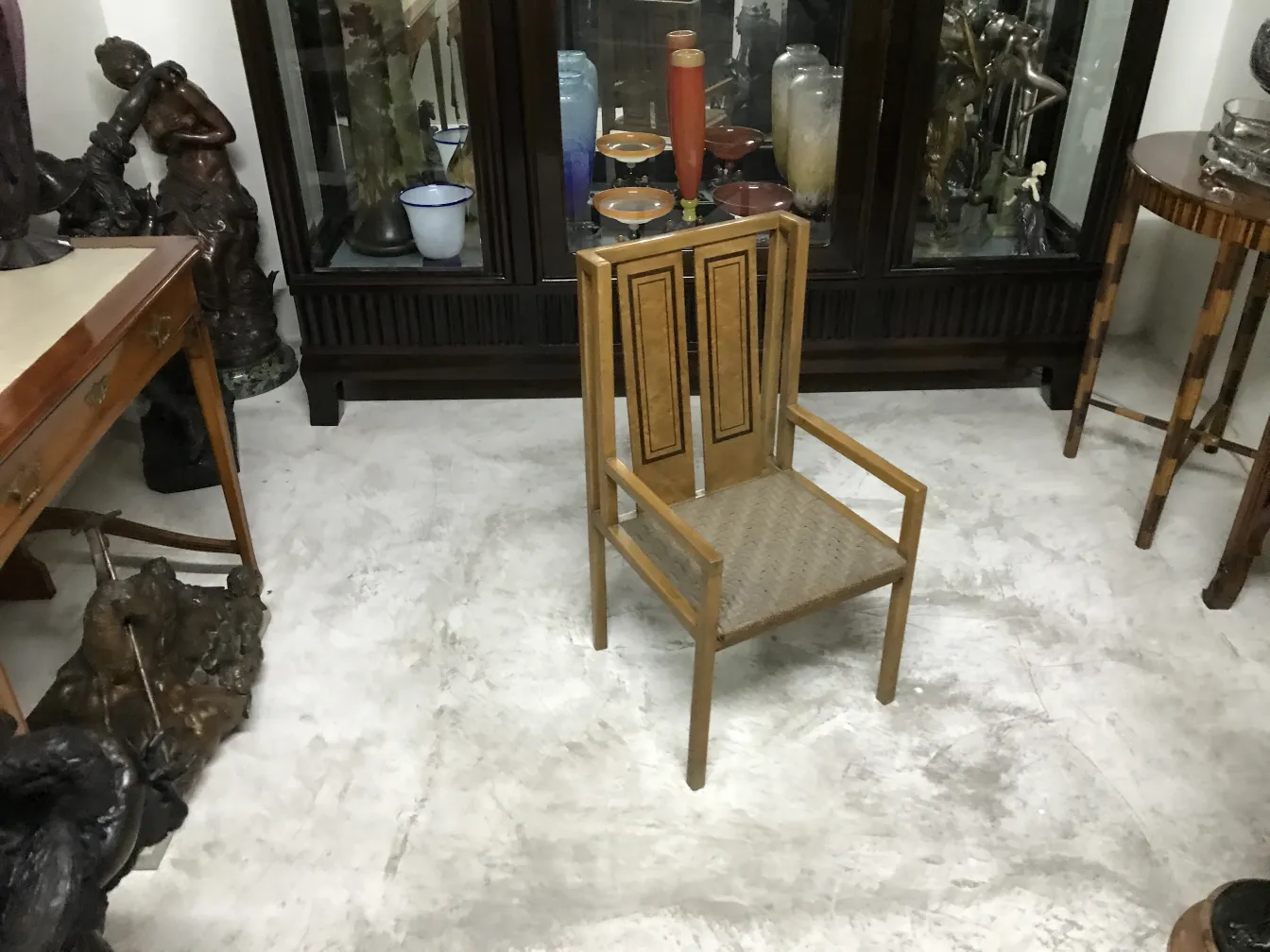
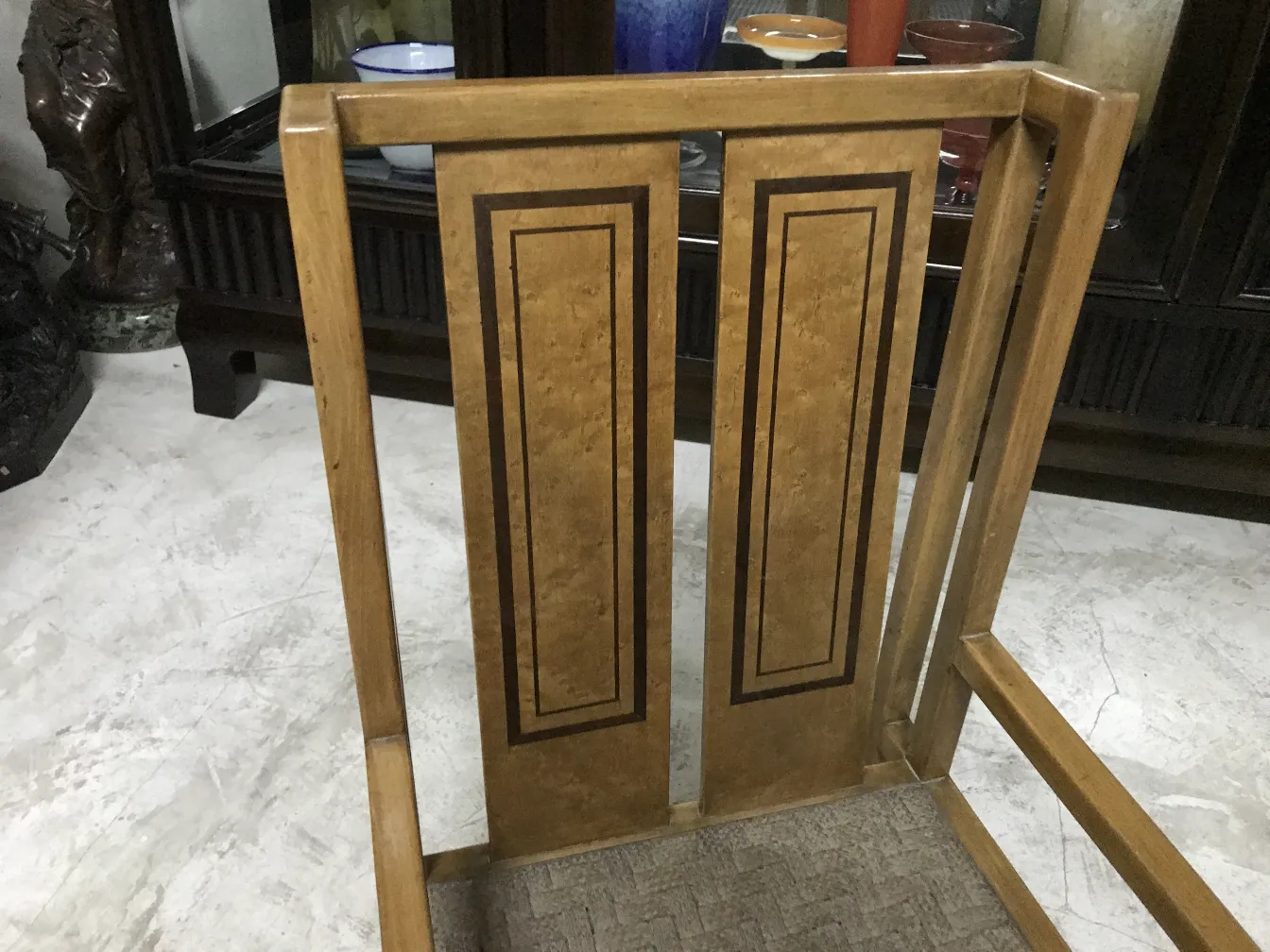
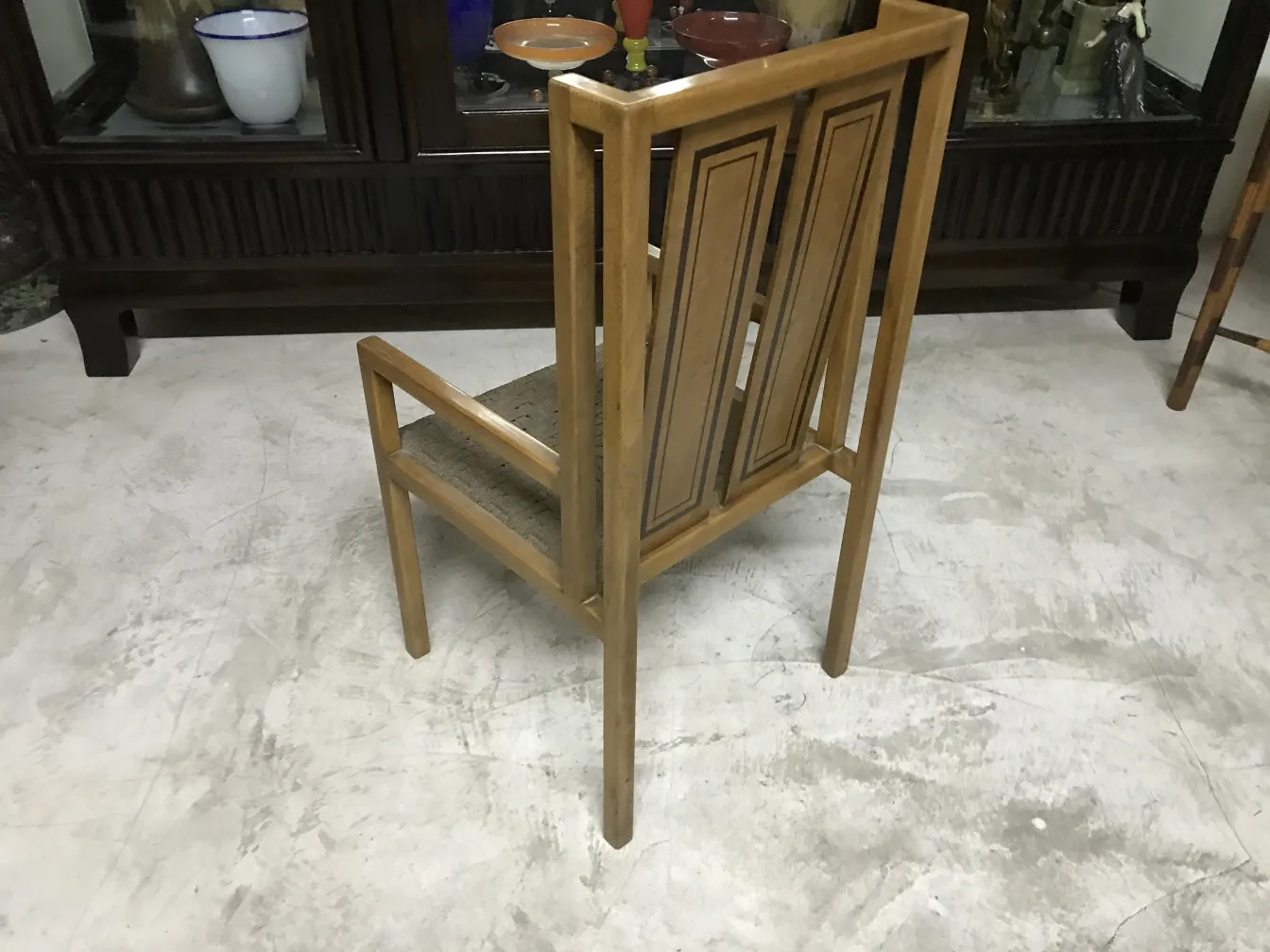
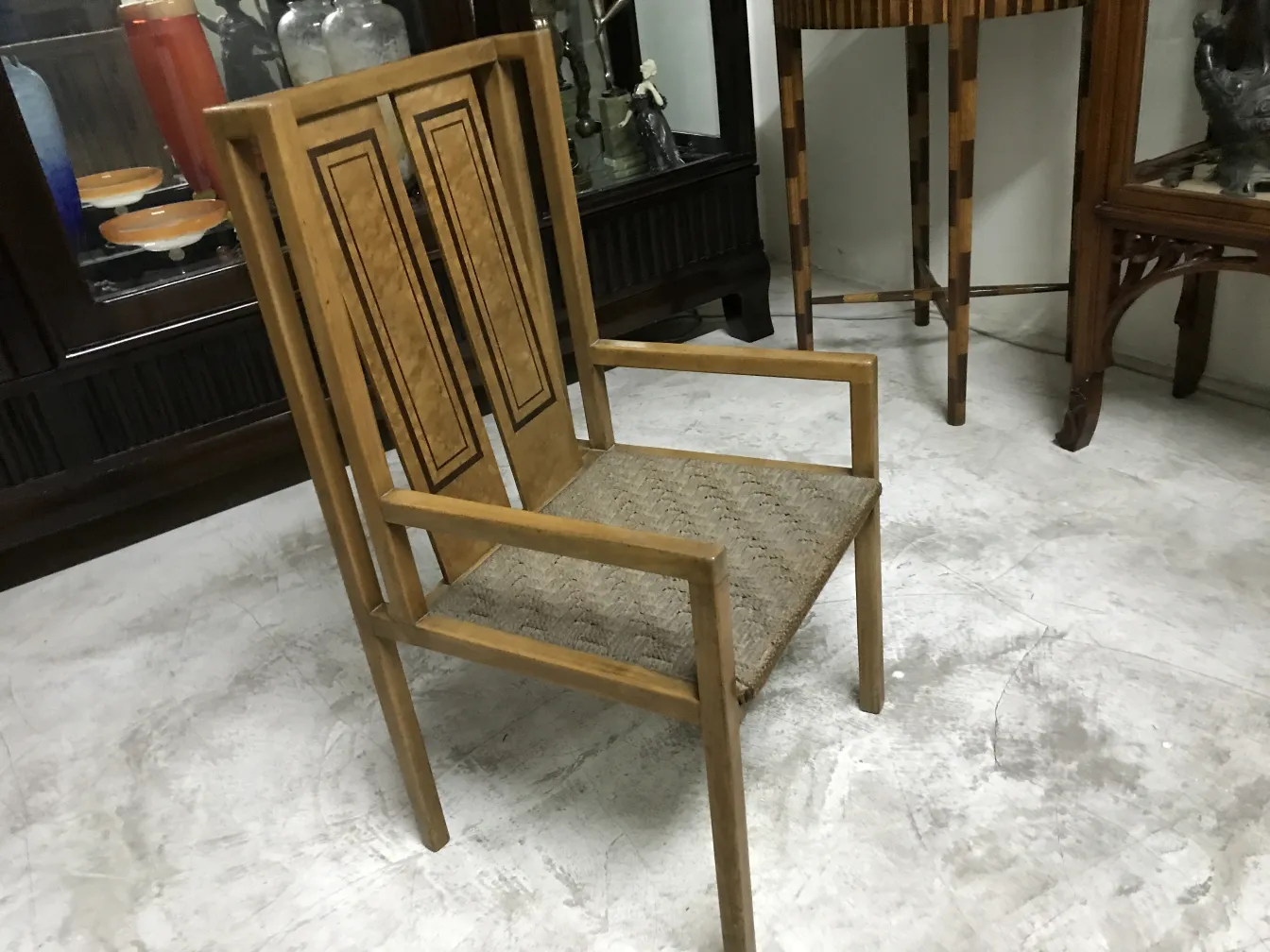
Schmidt's designs for Prag-Rudniker are characterized by their integration of wood and basketry, often reflecting the geometric and modern aesthetic of the Vienna Secession and Arts & Crafts movements.
His influence extended beyond Prag-Rudniker; Schmidt was also an Austrian member of the German Werkbund starting in 1908 and a co-founder of the Austrian Werkbund in 1914, demonstrating his broader impact on the design world of his time.




 Share
Share








1785884771.webp)
1785945602.webp)