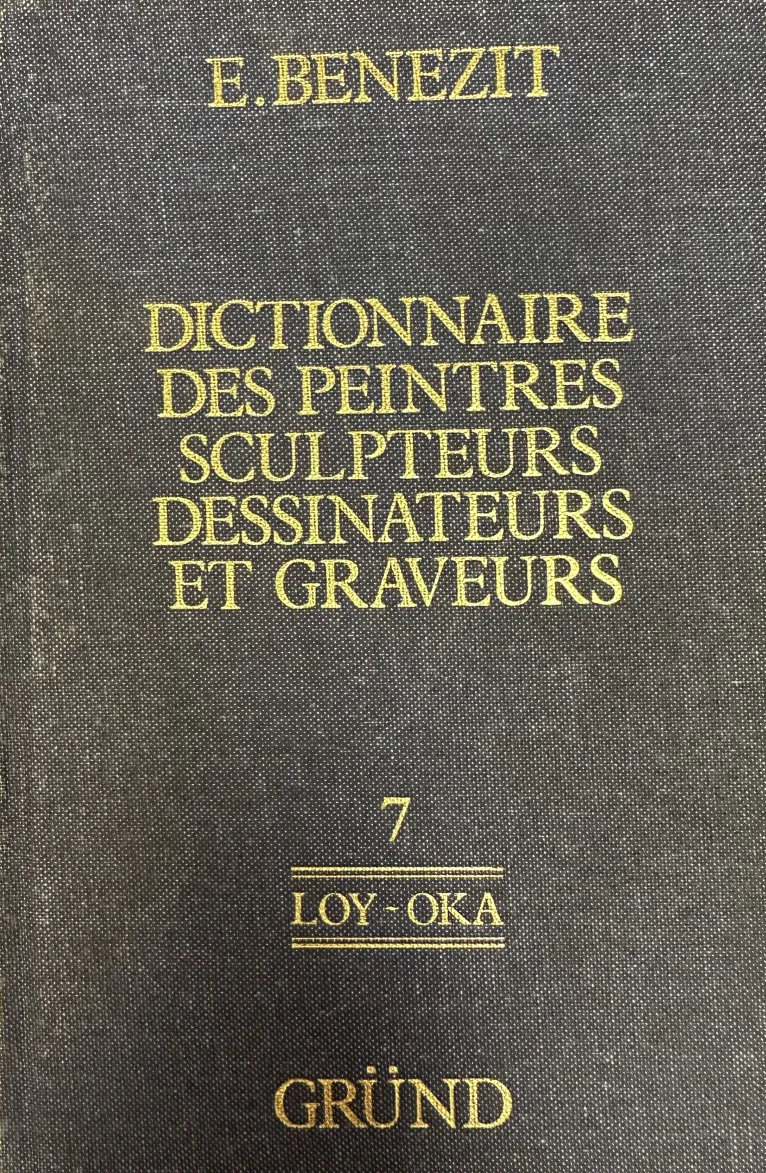
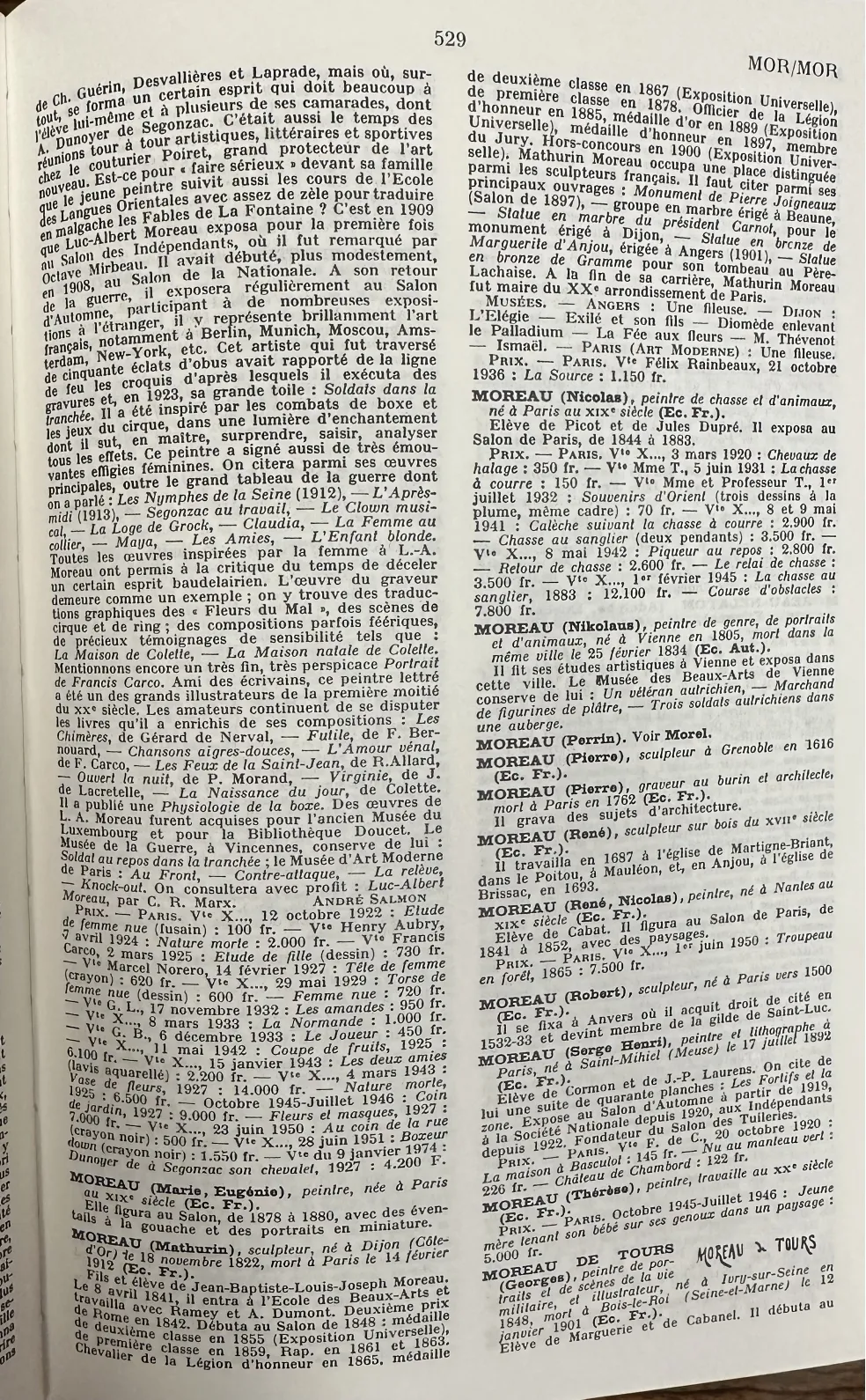
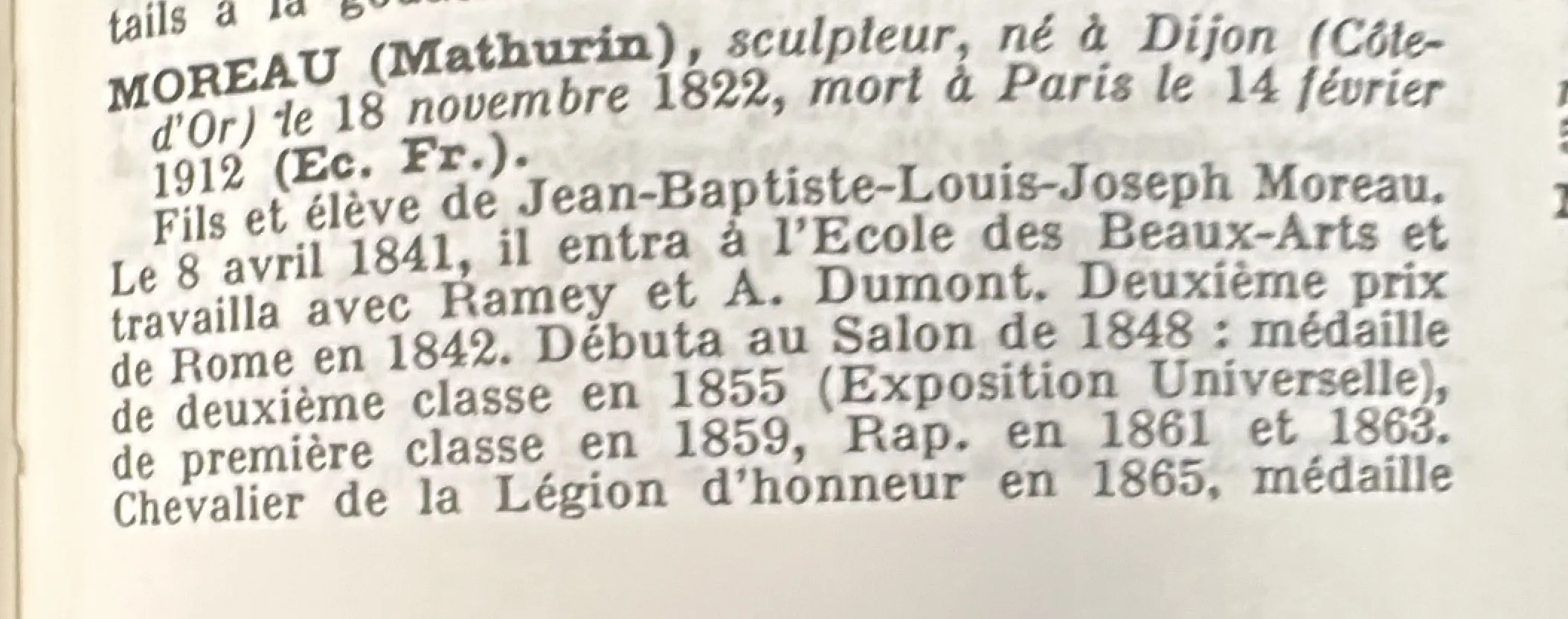
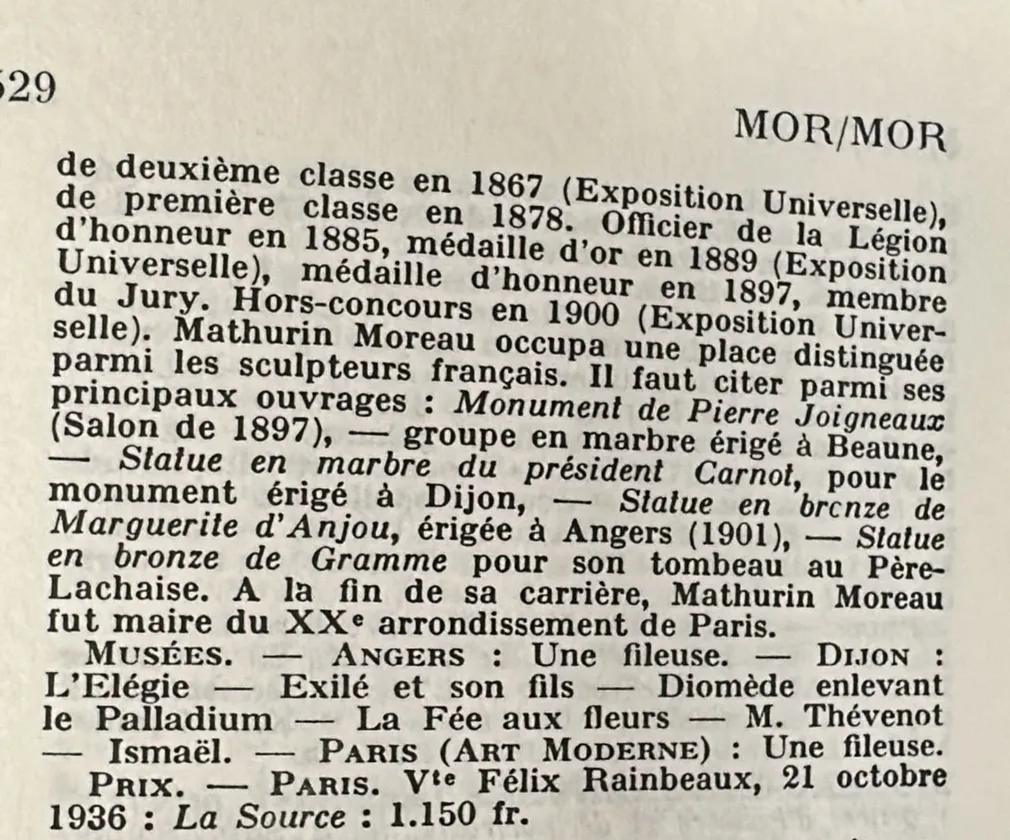
Book: Dictionnaire des peintres, sculpteurs, dessinateurs et graveurs
Author: E. Bénézit
Volume: 7
Page: 529
0:00 / 0:00
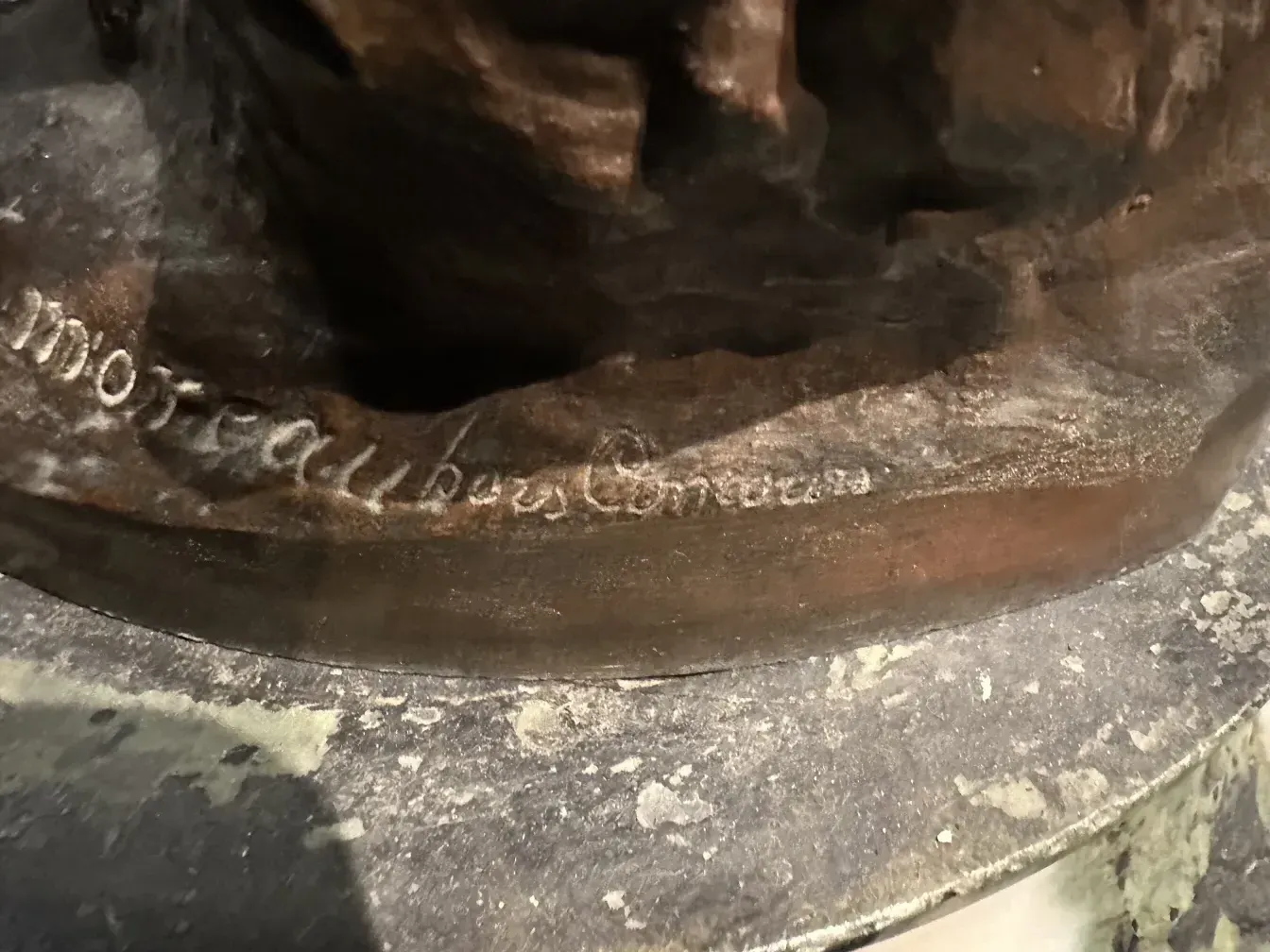
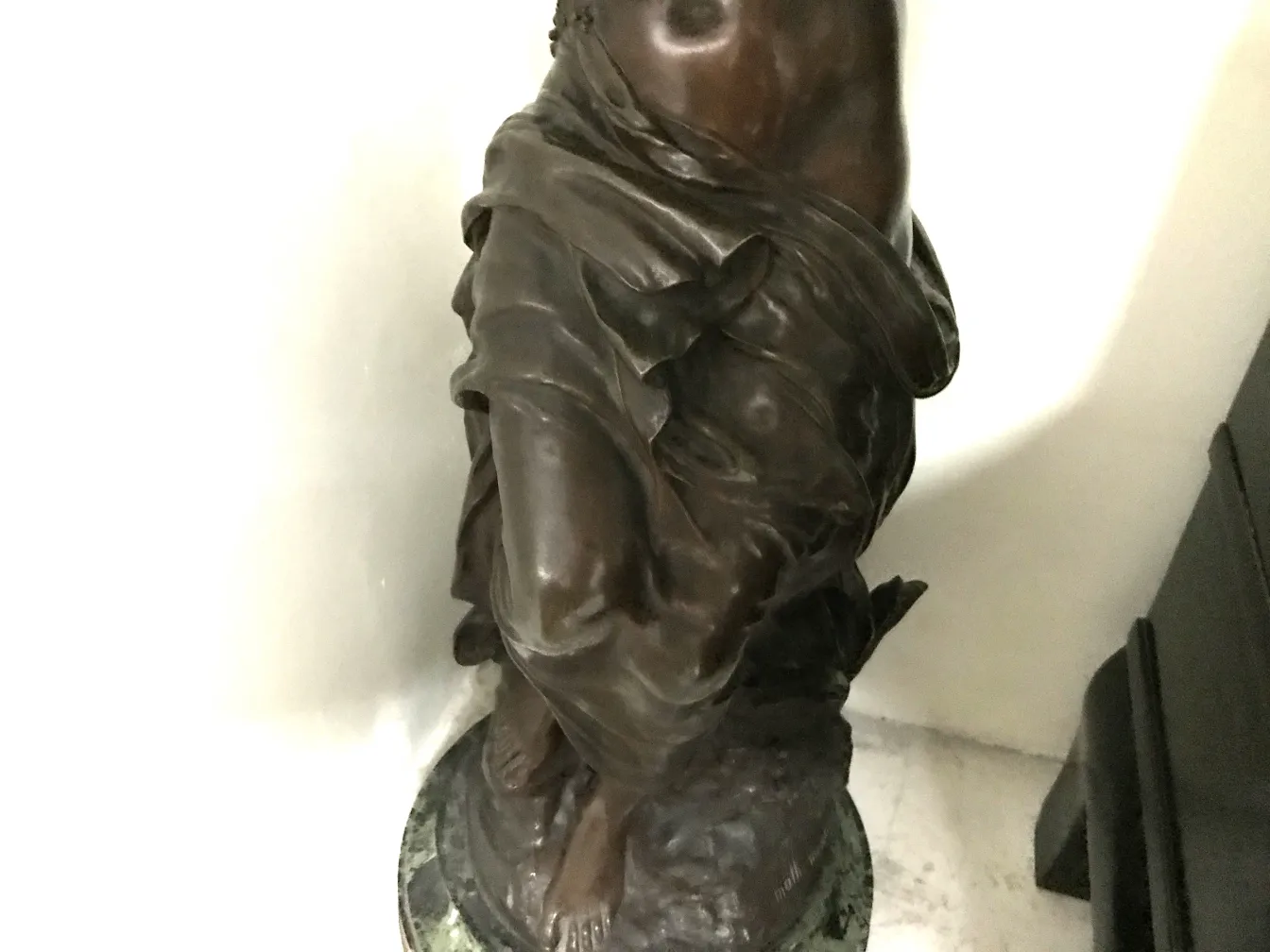
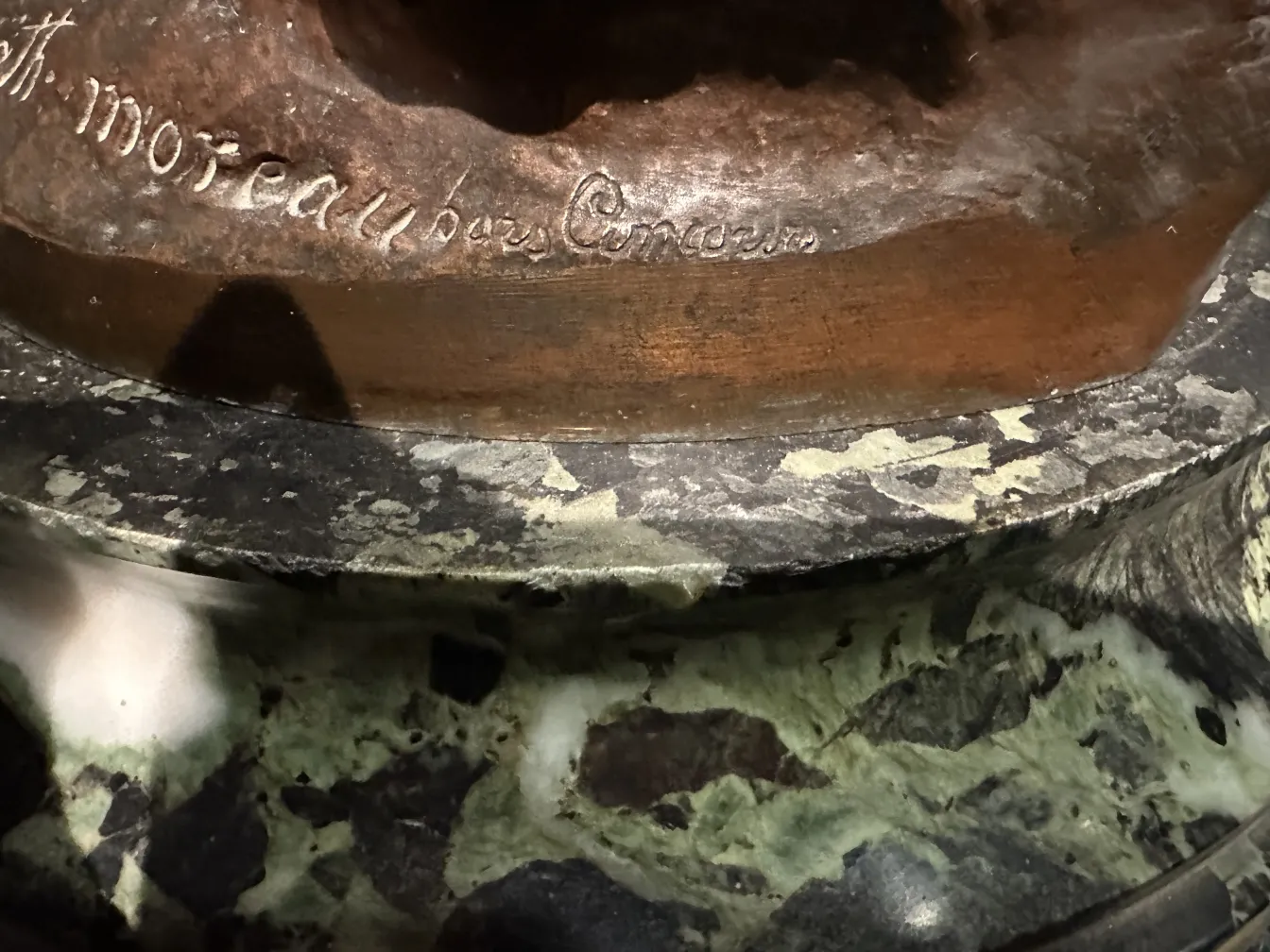
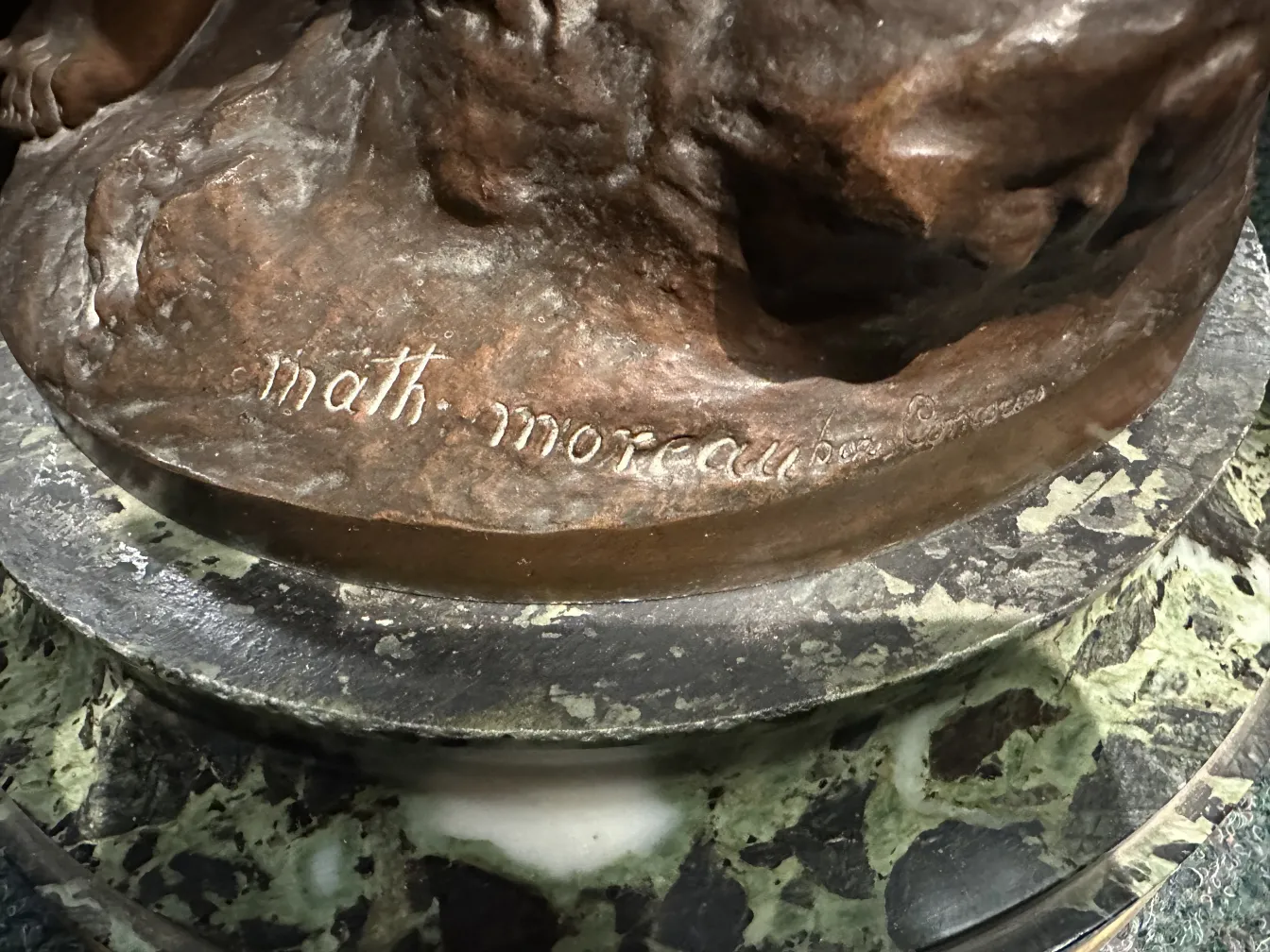
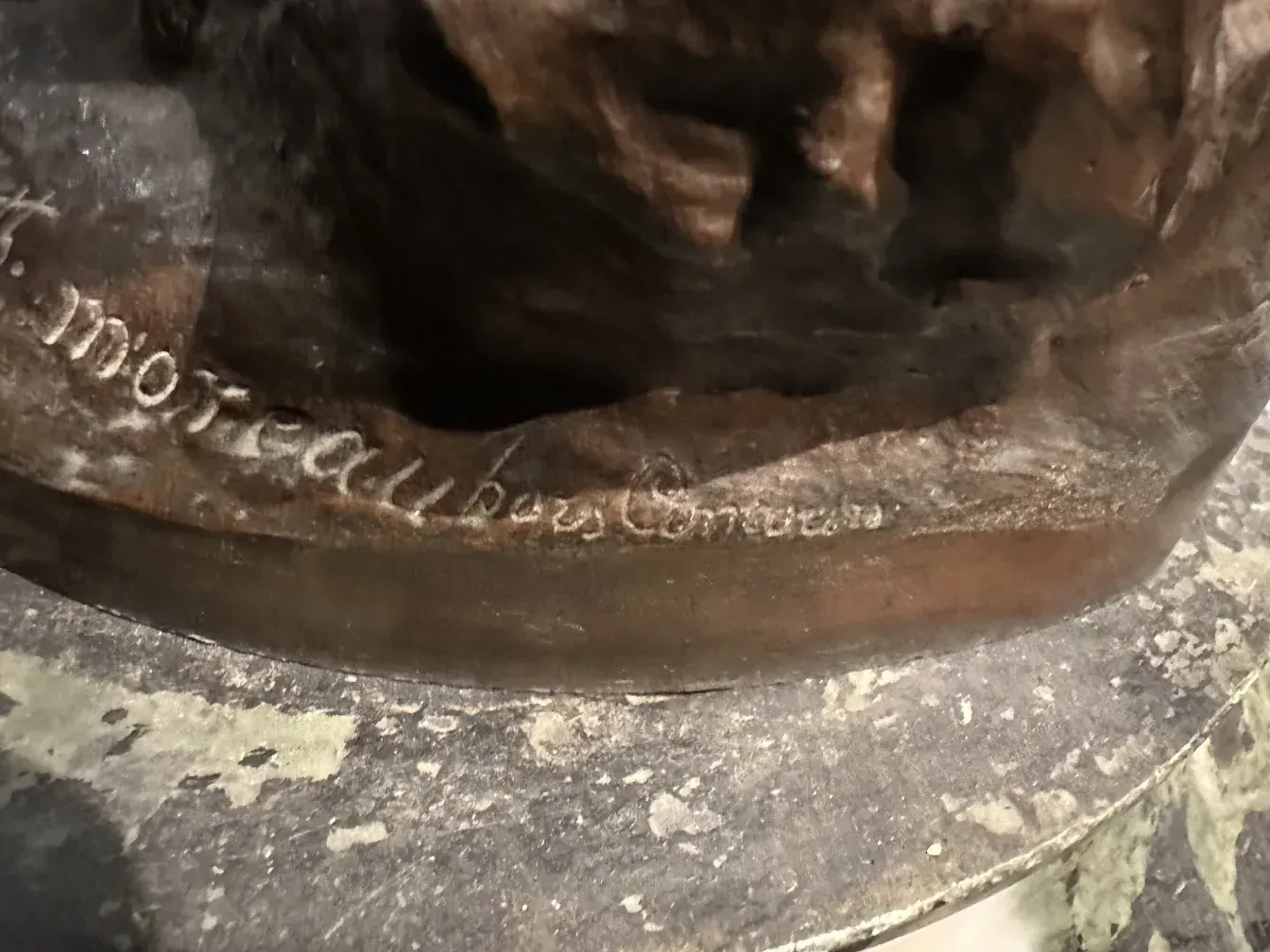
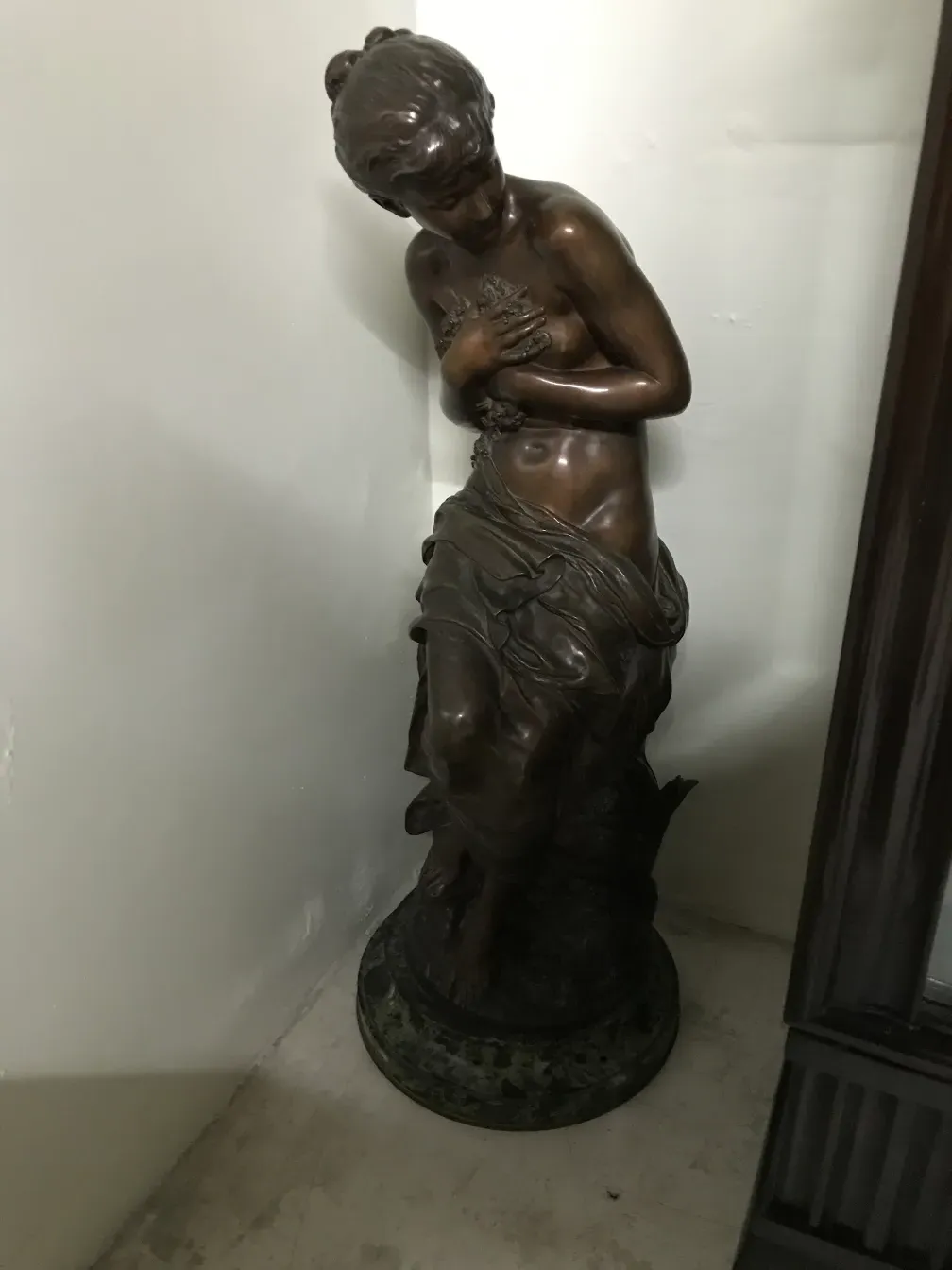
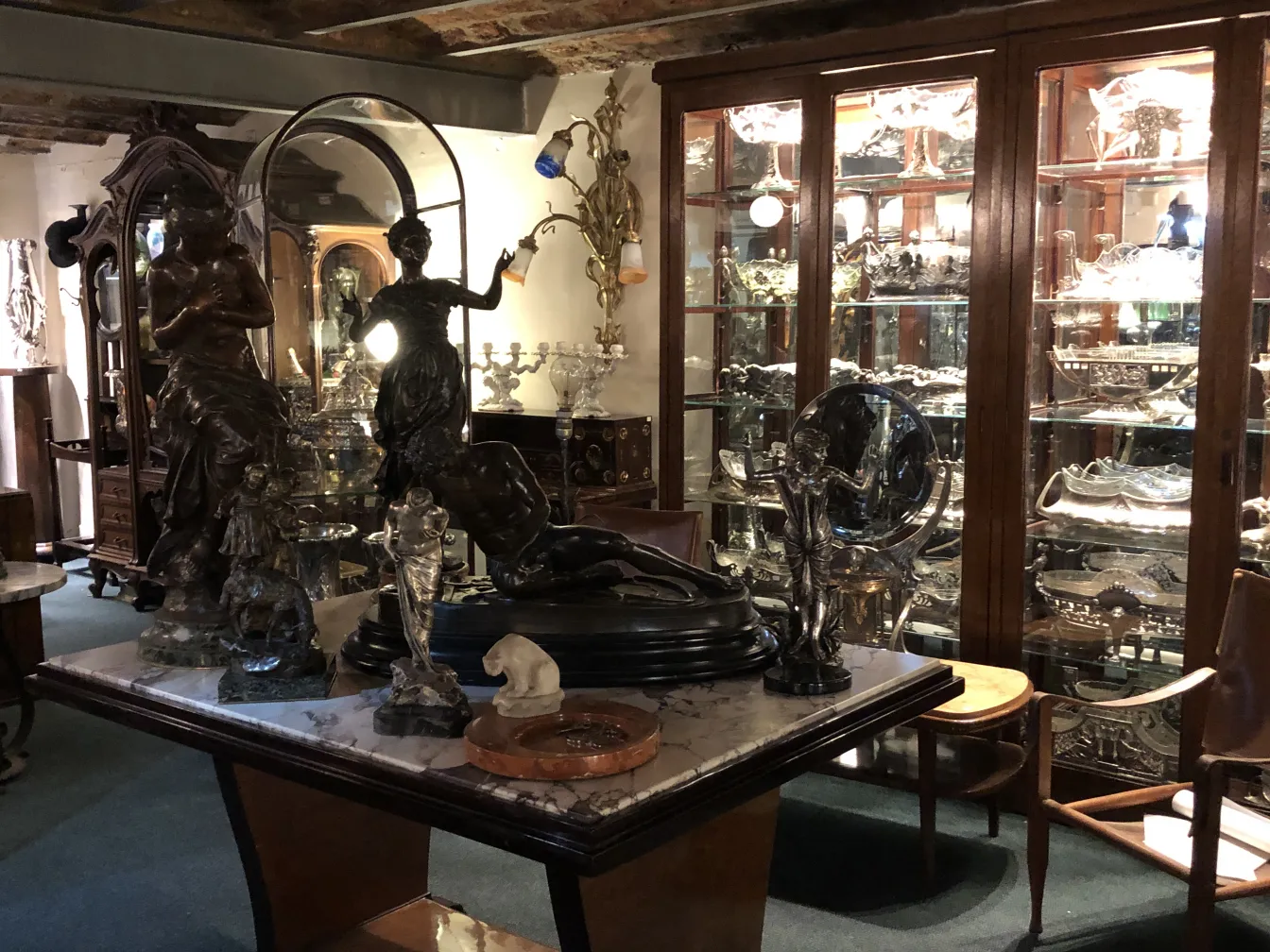
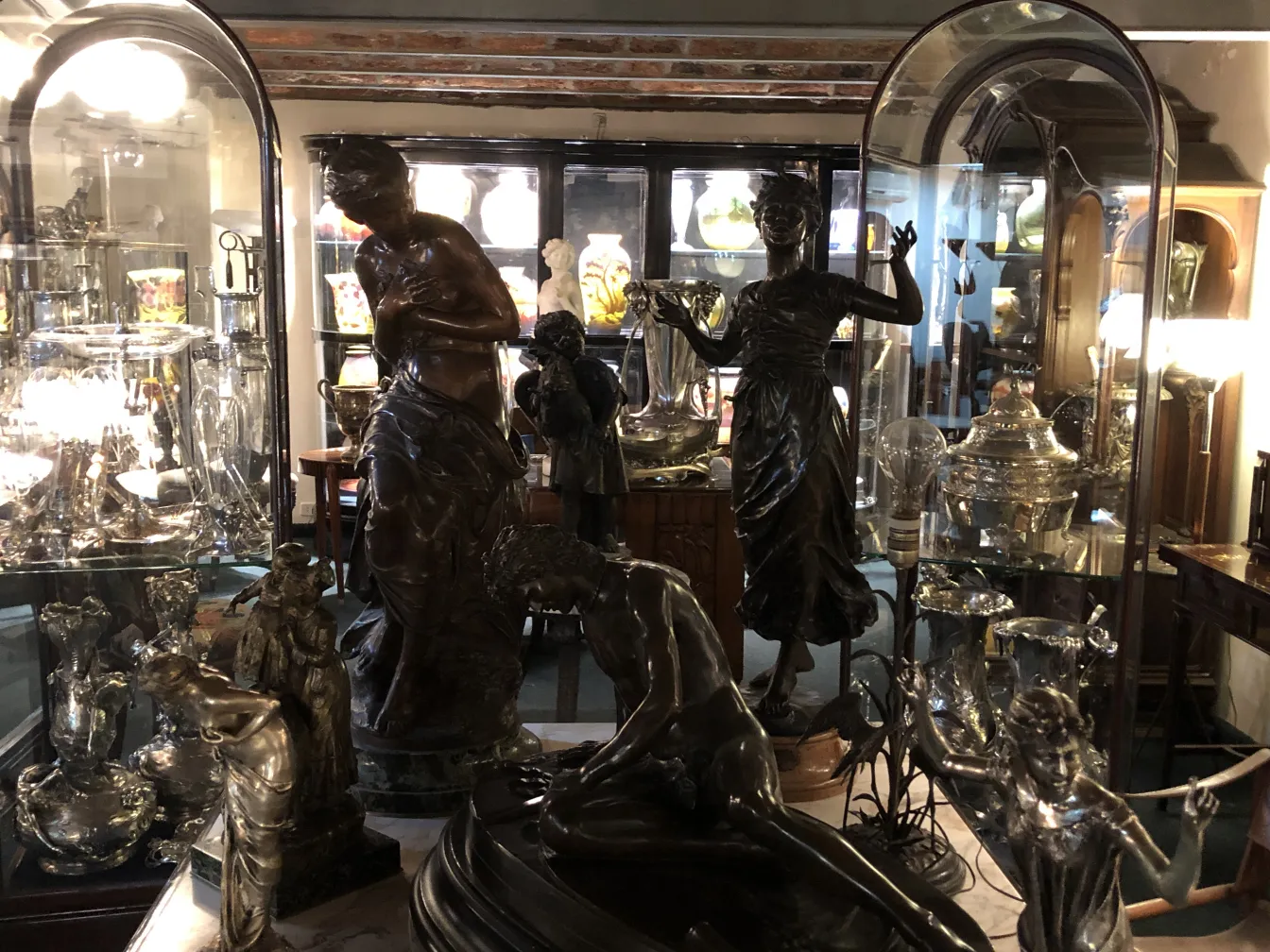
Designer Moreau mathurin
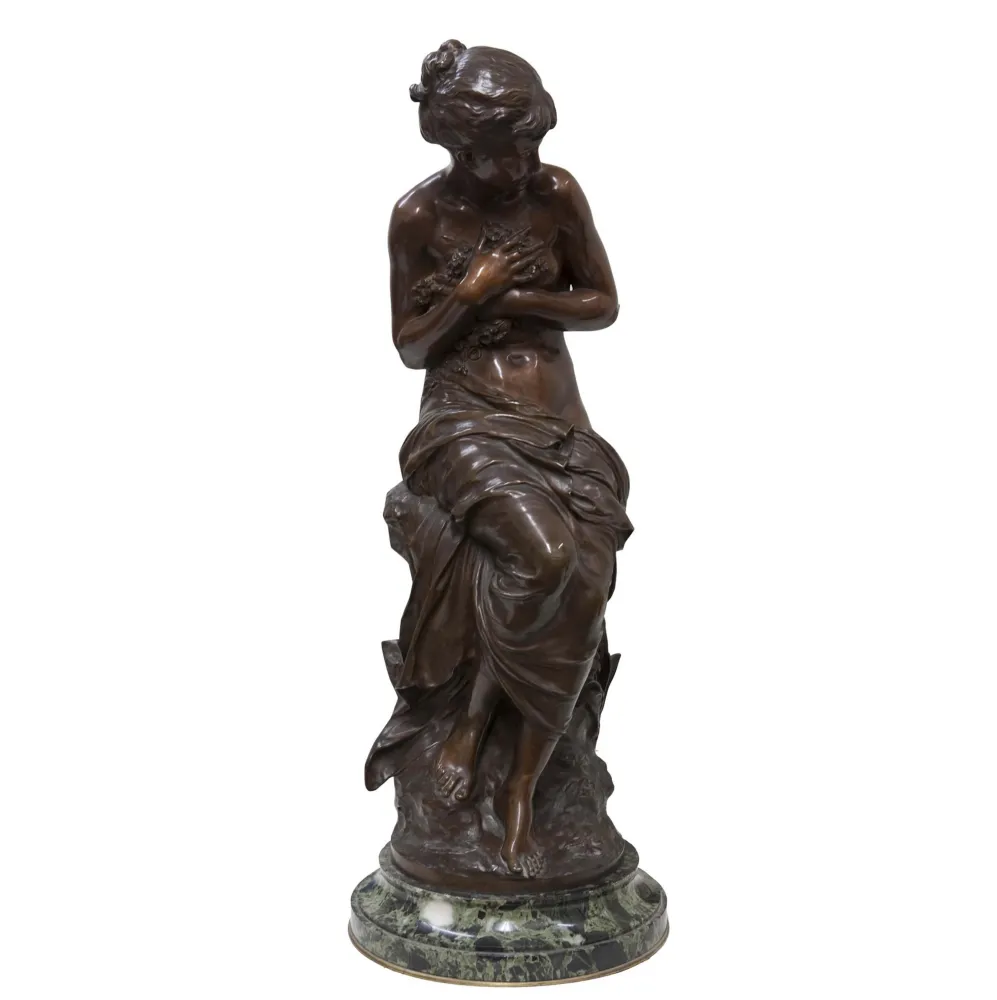
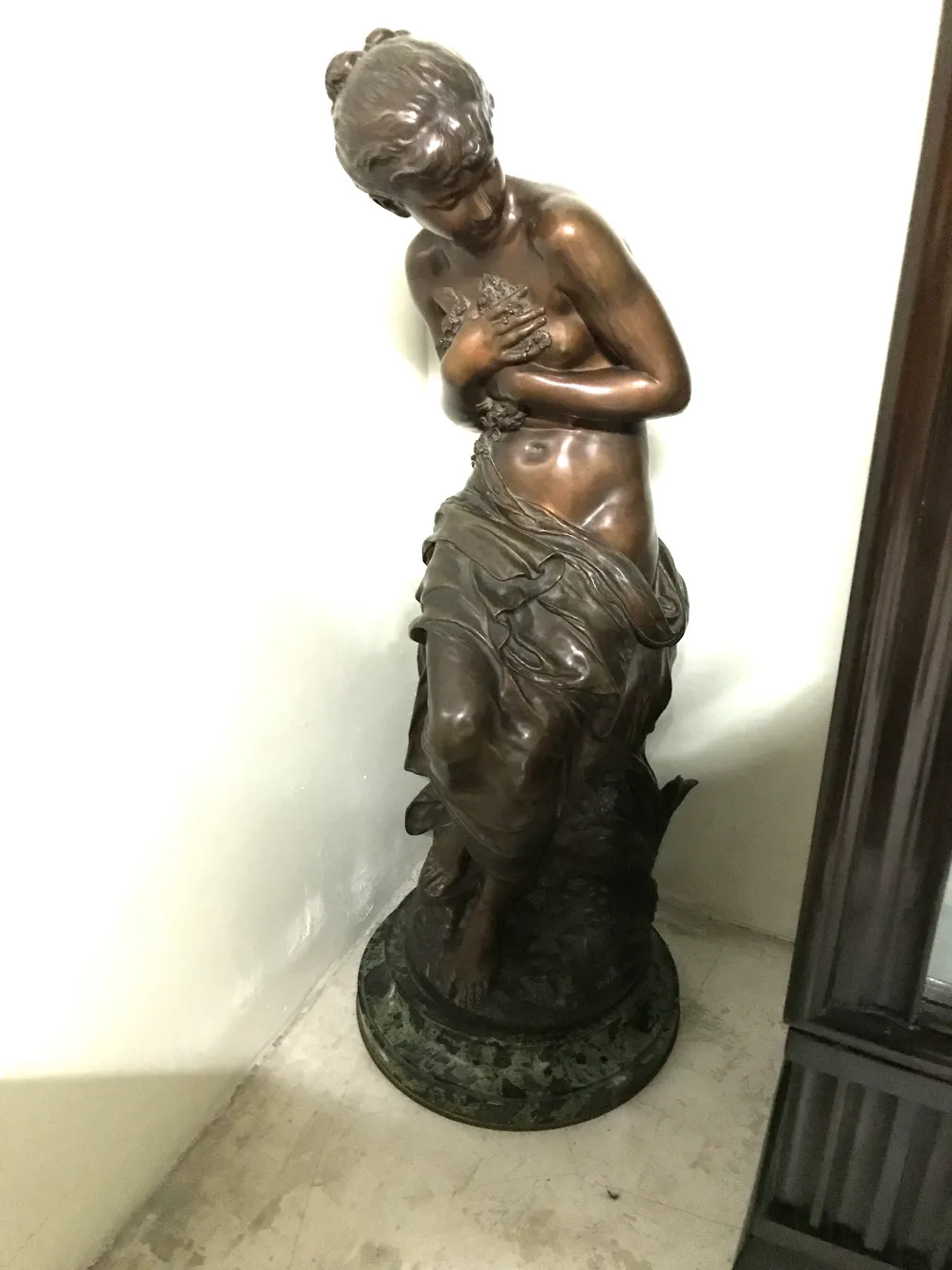
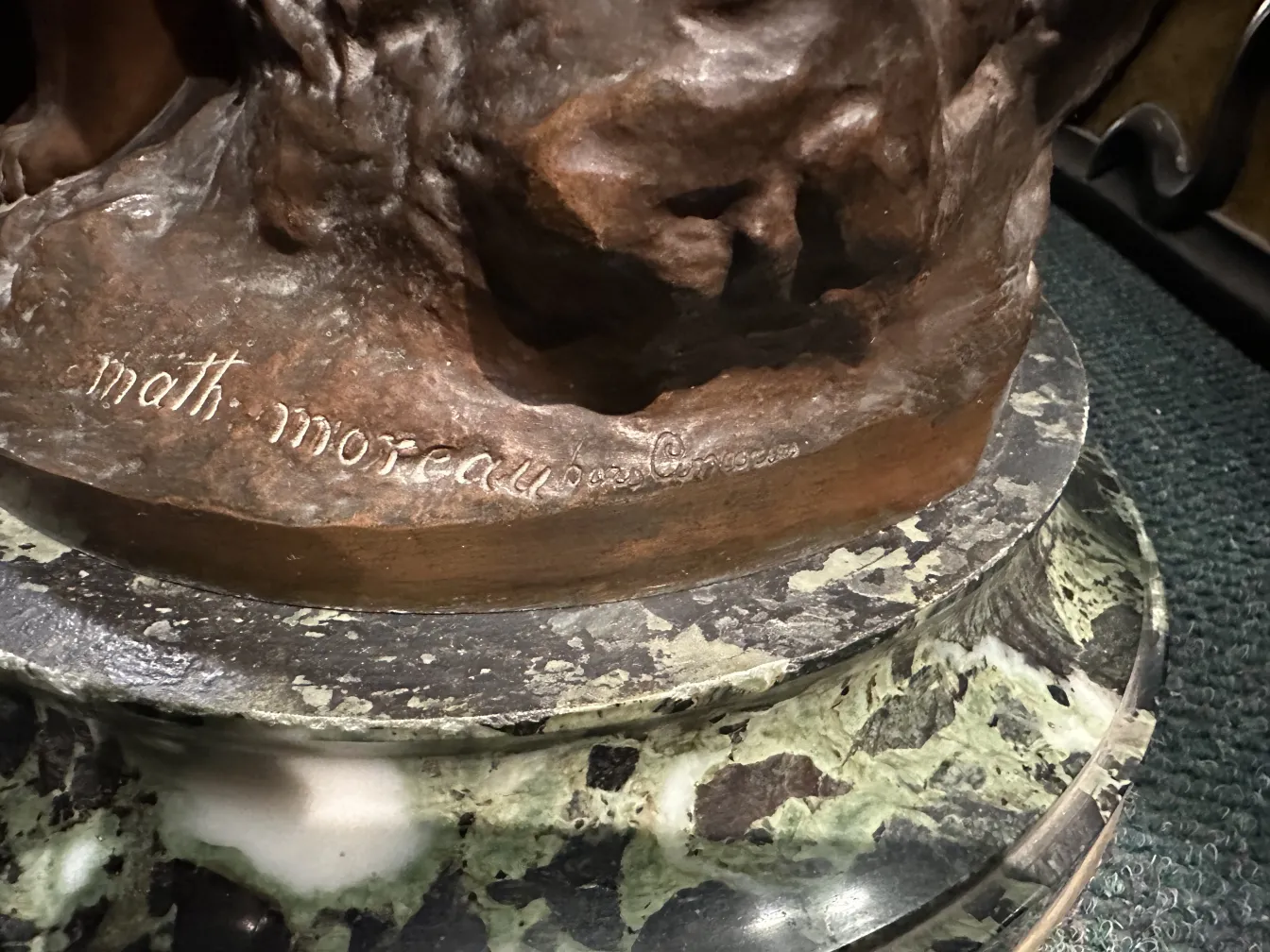
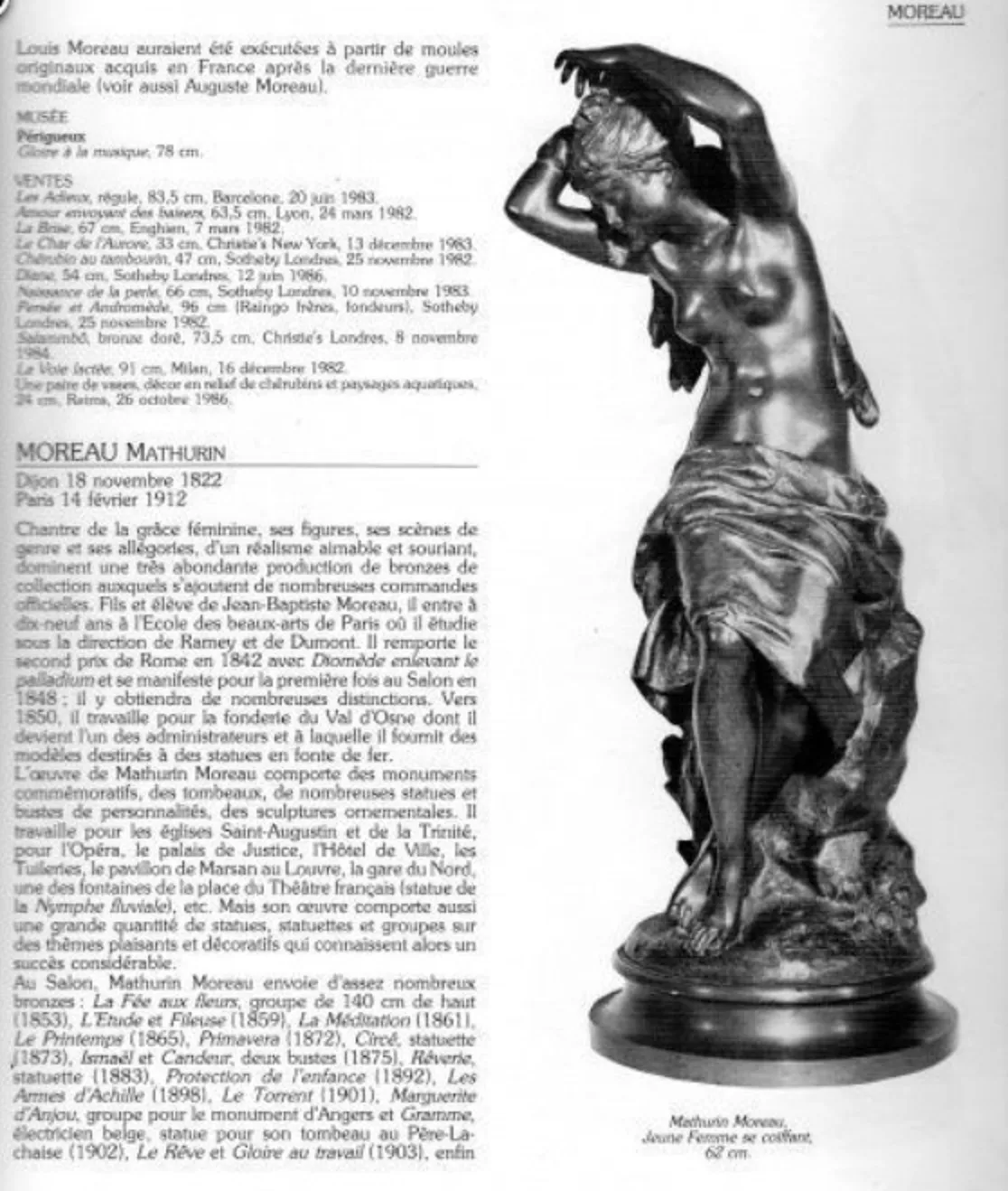
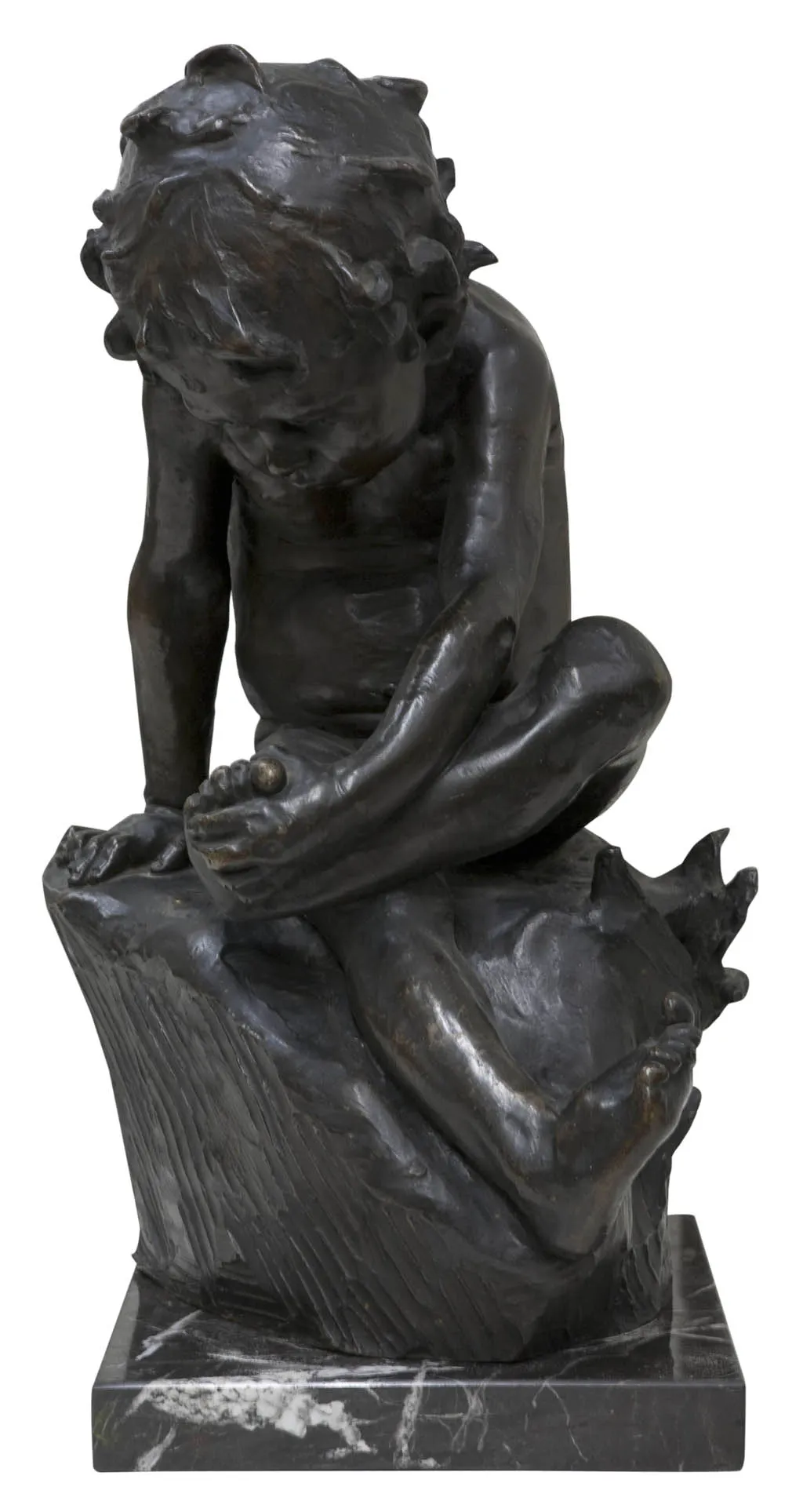
Mathurin Moreau was a central figure in 19th-century French sculpture. He was born in 1822 into a family of sculptors in Dijon.
In 1841, he entered the prestigious École des Beaux-Arts in Paris. At just 21 years old, he won the Second Grand Prix de Rome.
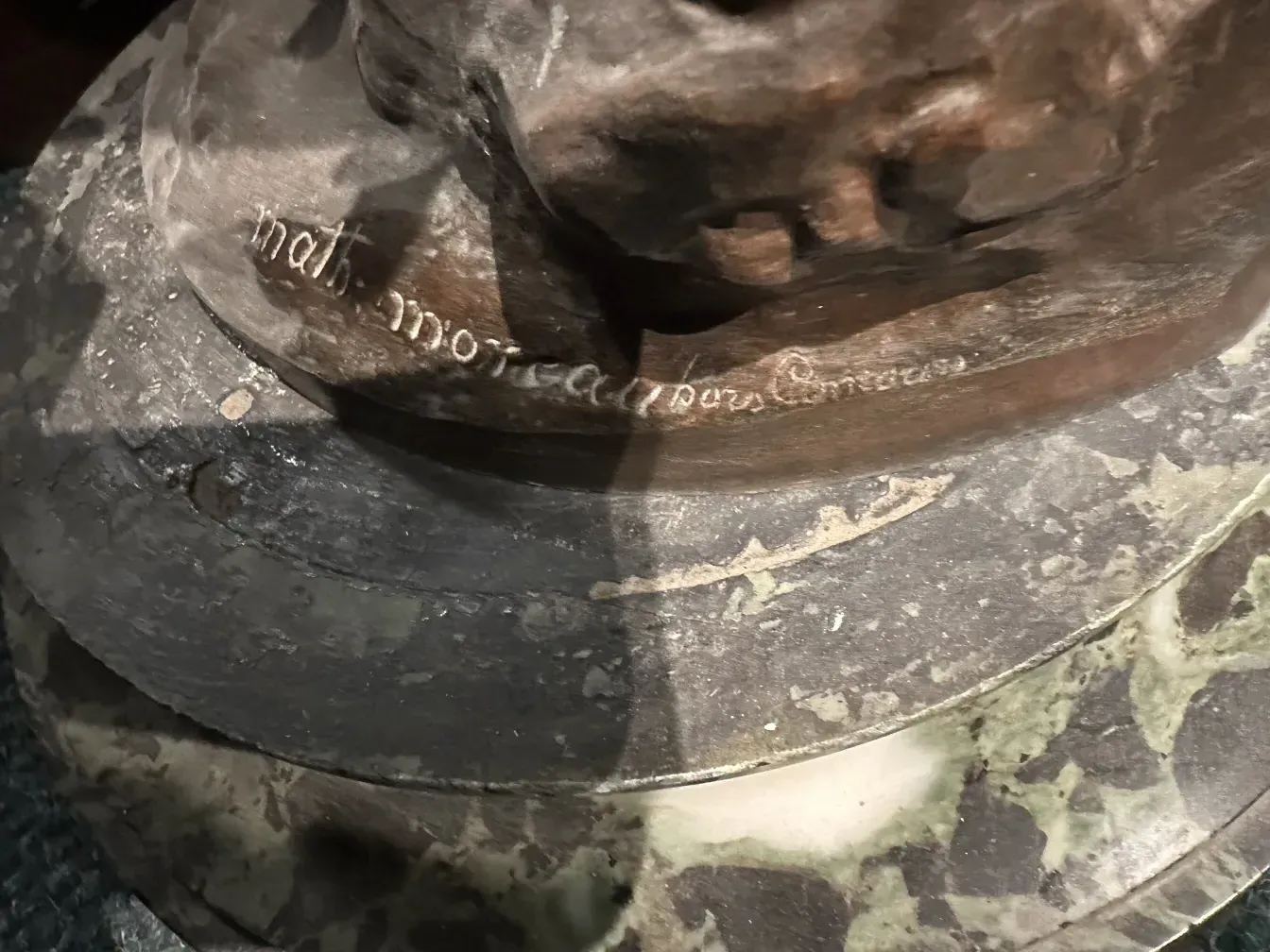
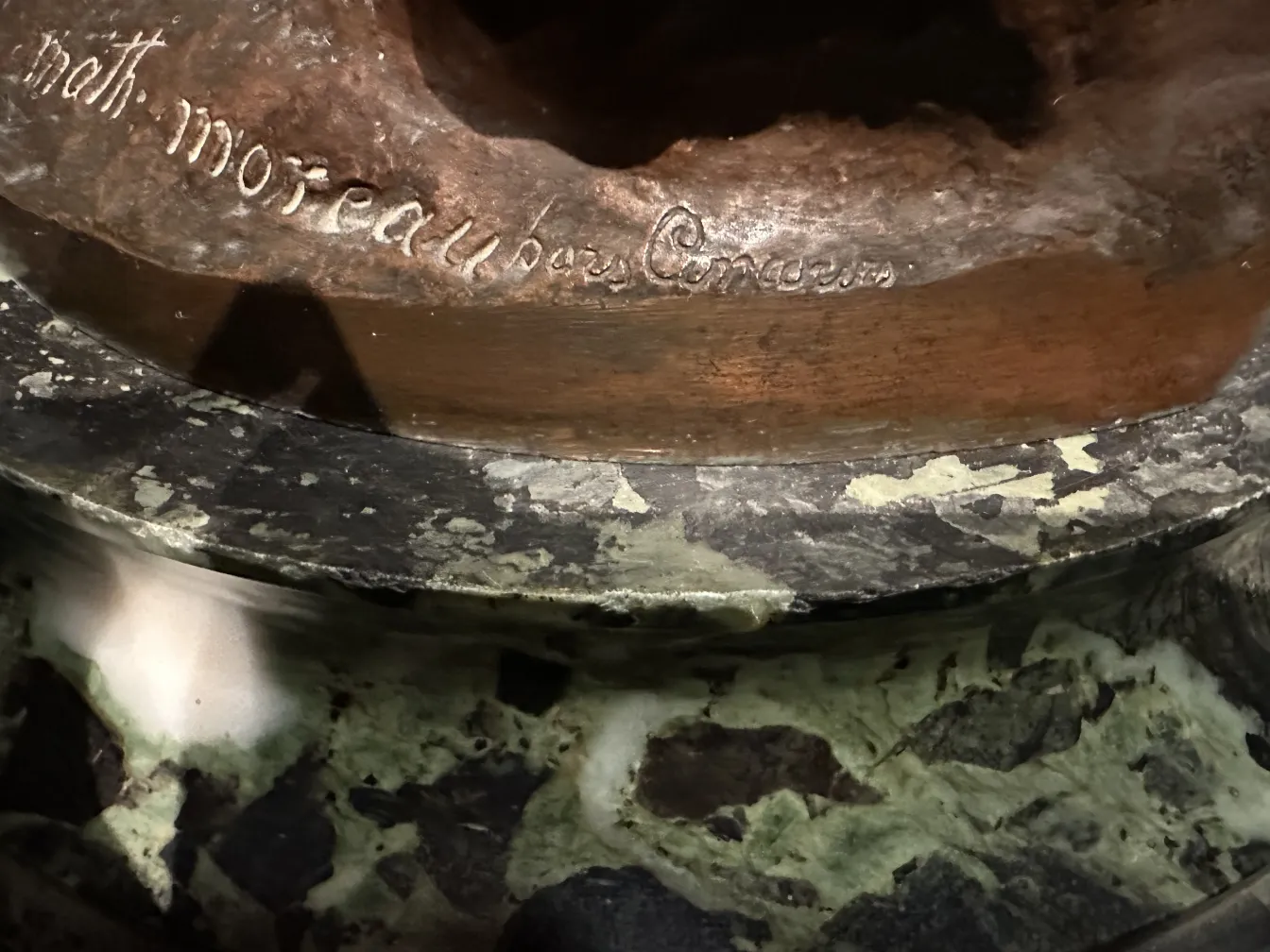
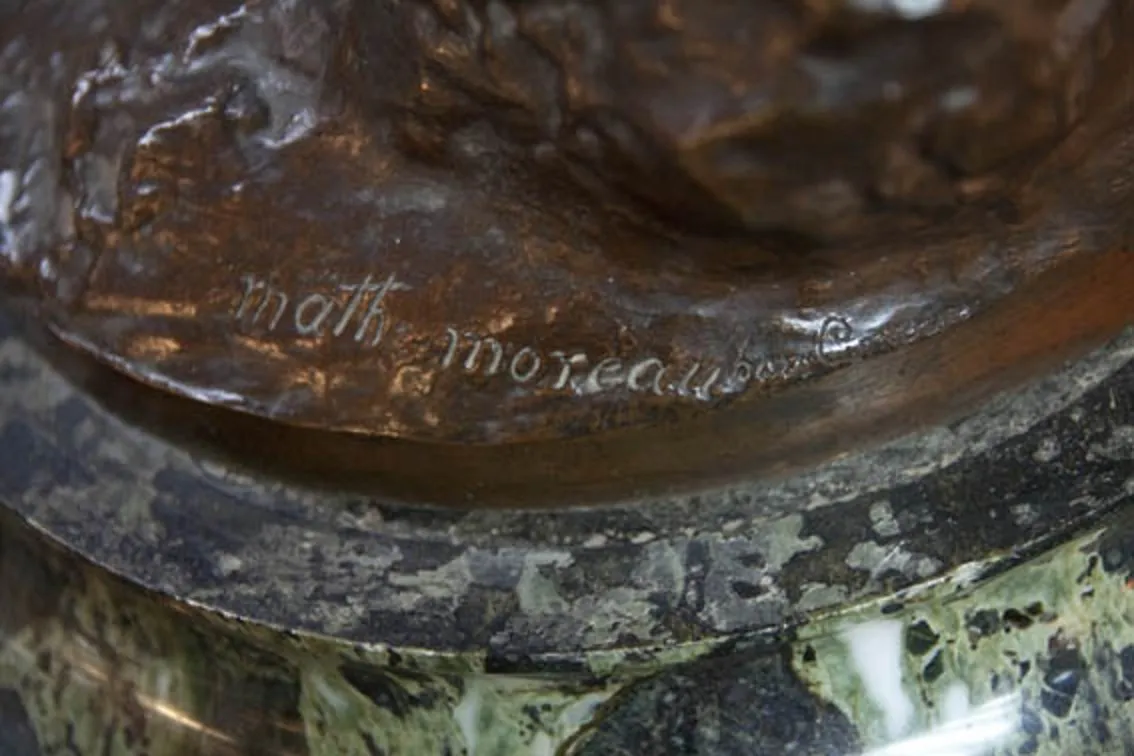
He received medals at the Universal Exhibition in 1855 and 1878, and his career culminated with a medal of honor at the Salon in 1897. This award elevated him to the status of "hors concours" (out of competition), which allowed him to exhibit his works without being judged by the jury.
Moreau created numerous large-scale works for public spaces in Paris and other cities, including the Paris City Hall and the caryatids of the Paris Opera. He is also known for the Fountain of the Four Continents, an important work whose sculptures were exhibited at the 1878 Universal Exhibition.
A street in his honor, rue Mathurin Moreau, is located in the 19th arrondissement of Paris.



 Share
Share






1785981319.webp)