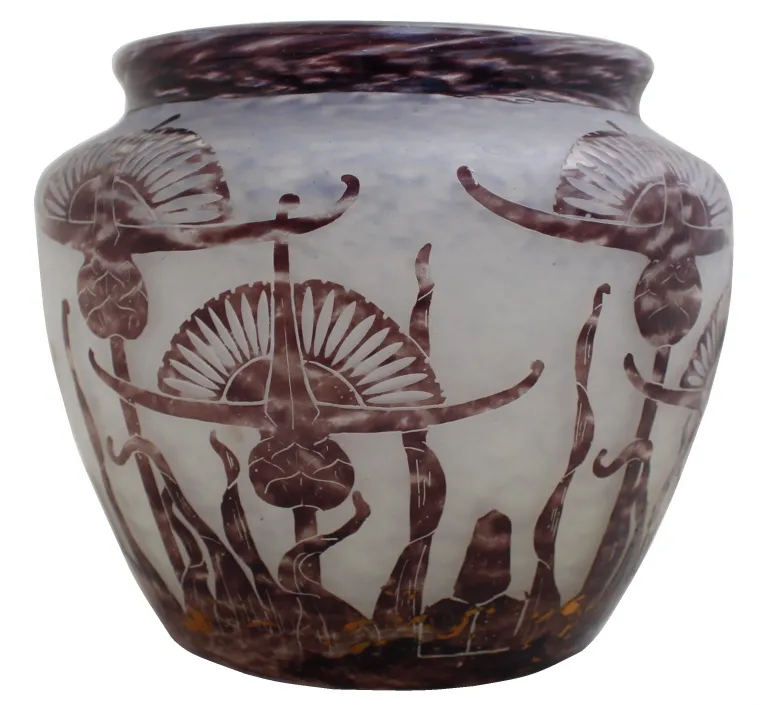
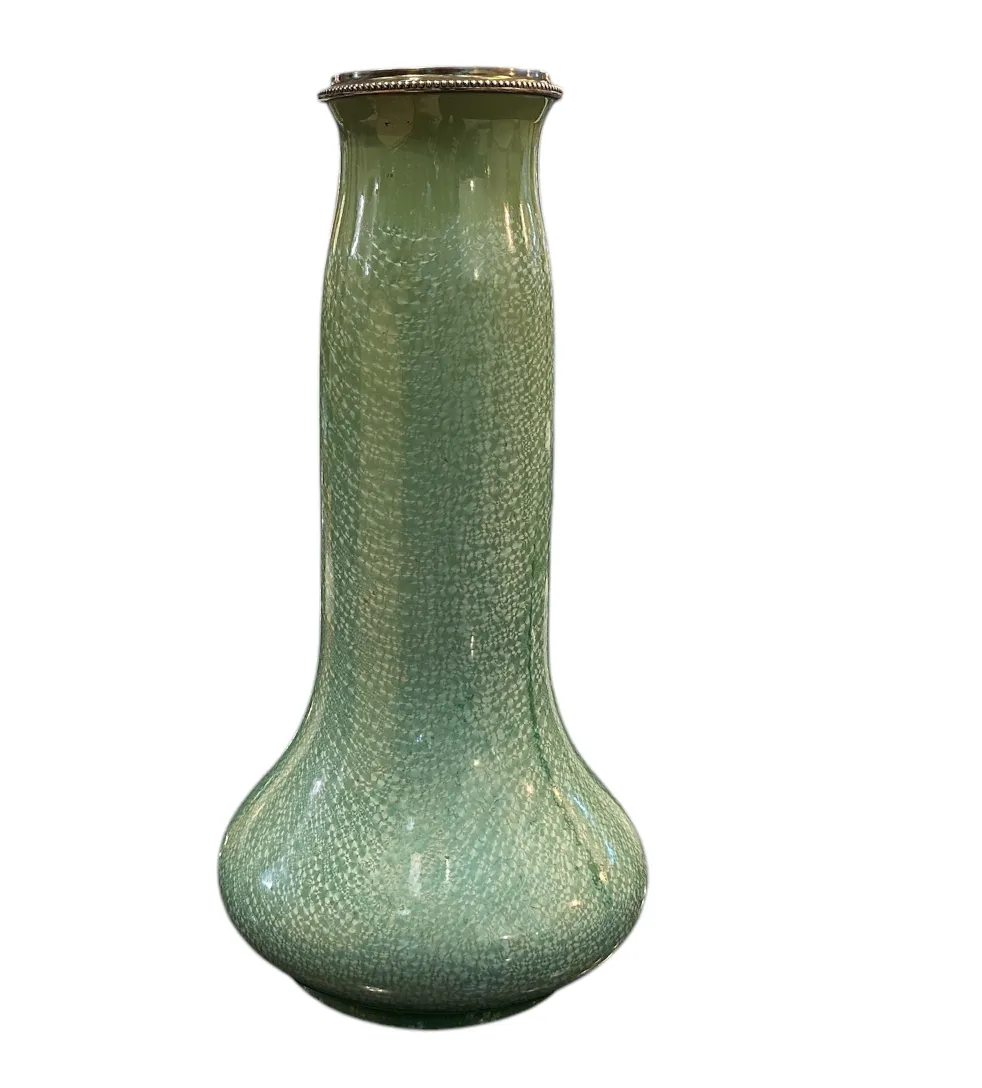
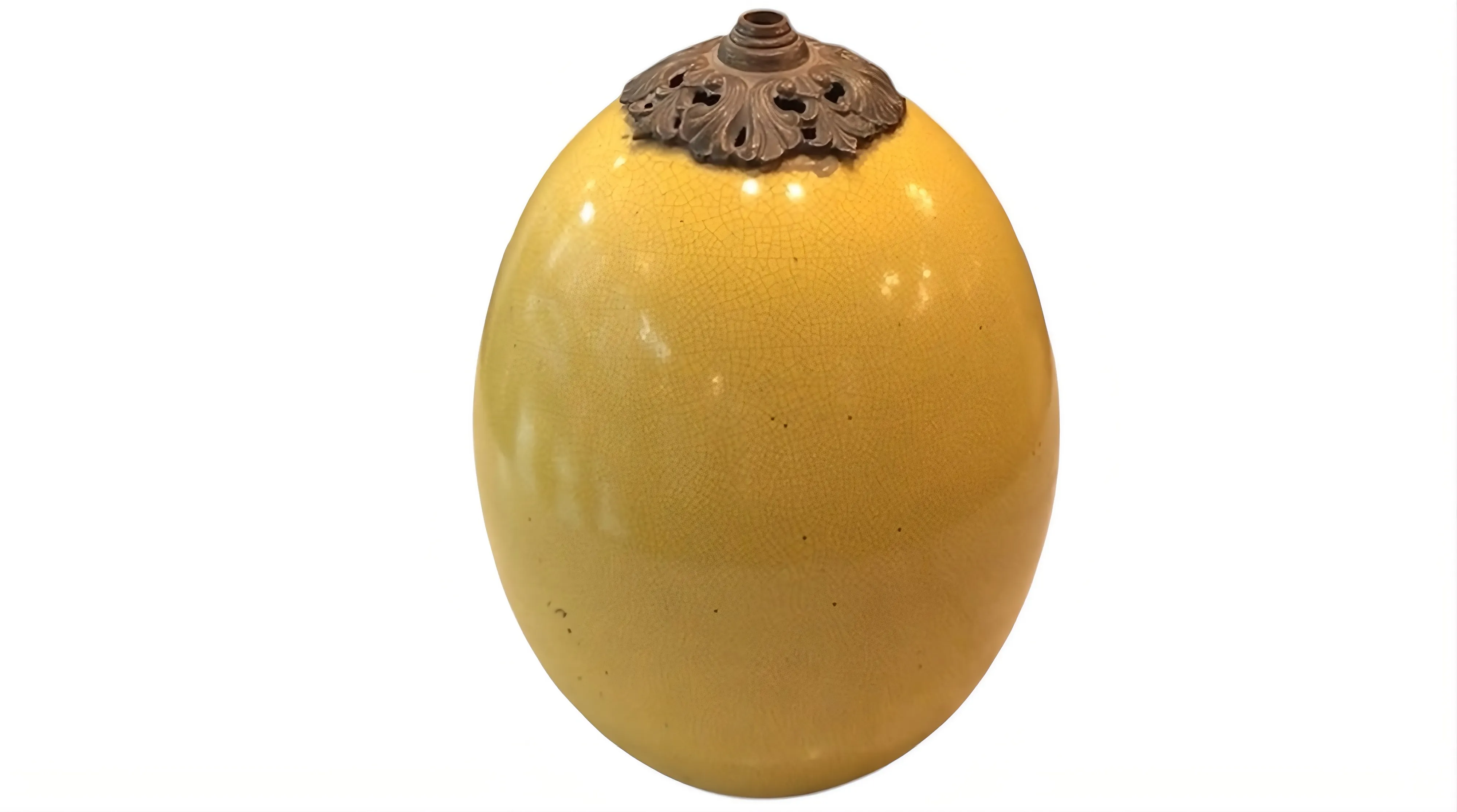
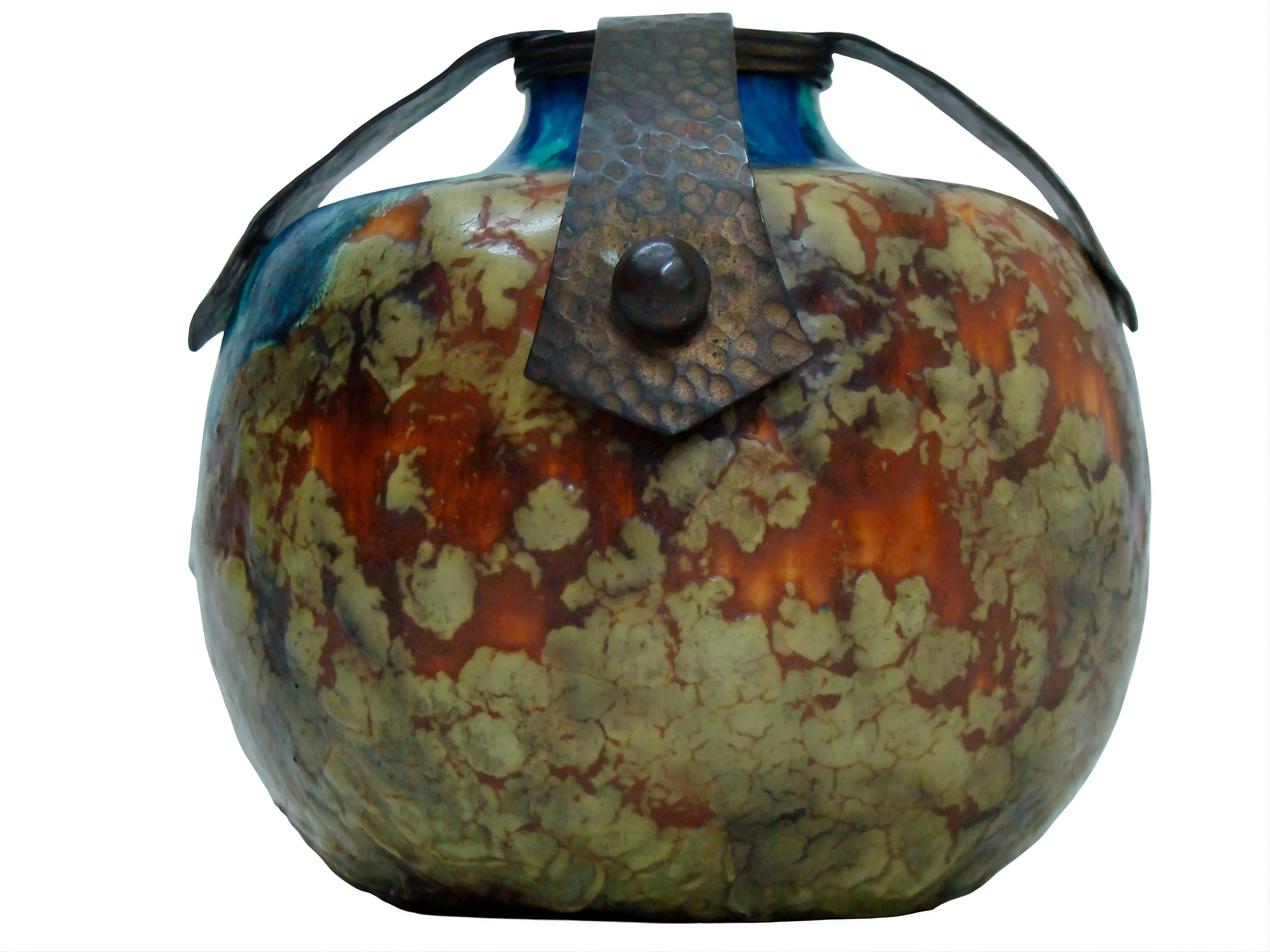
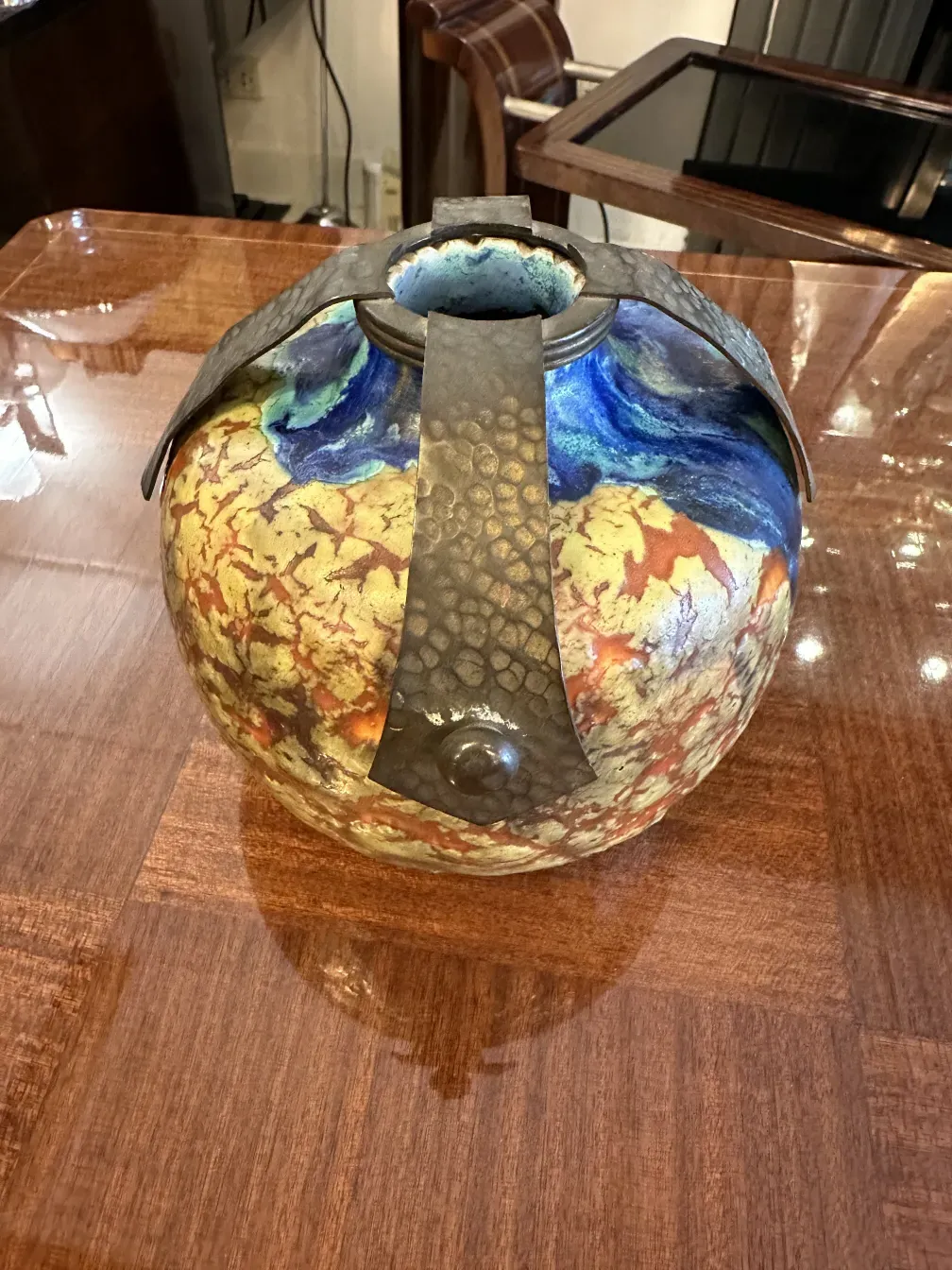
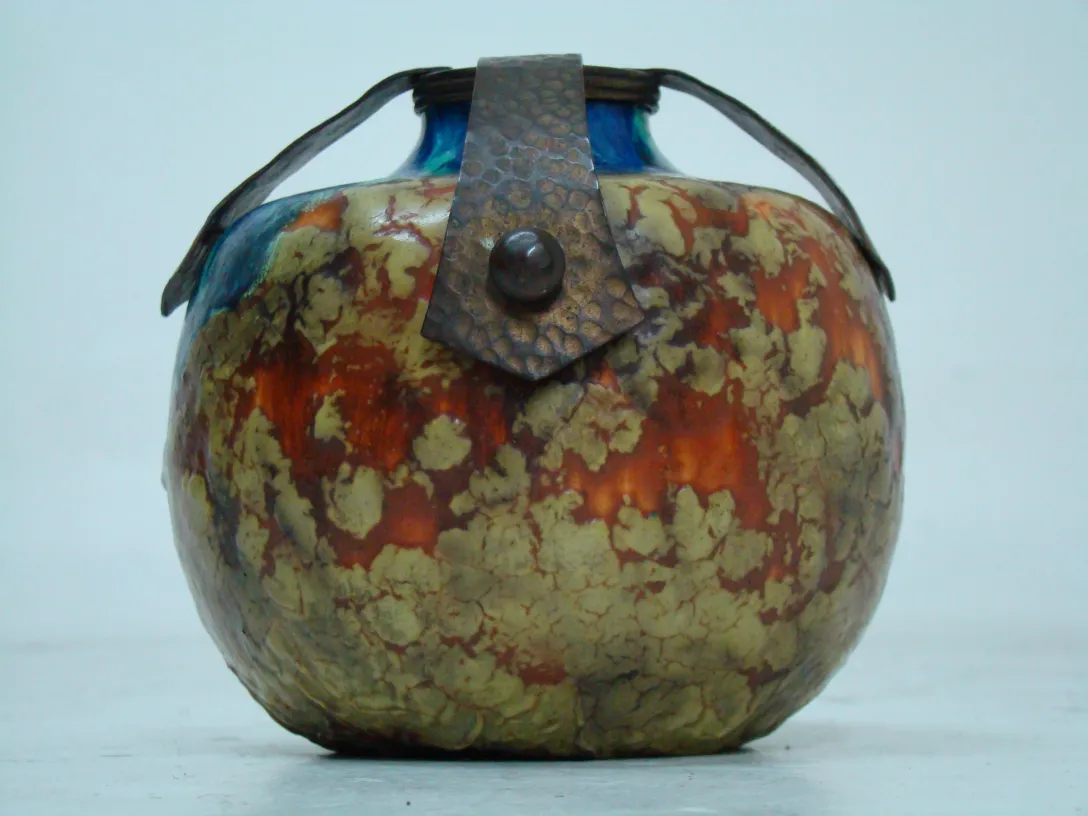
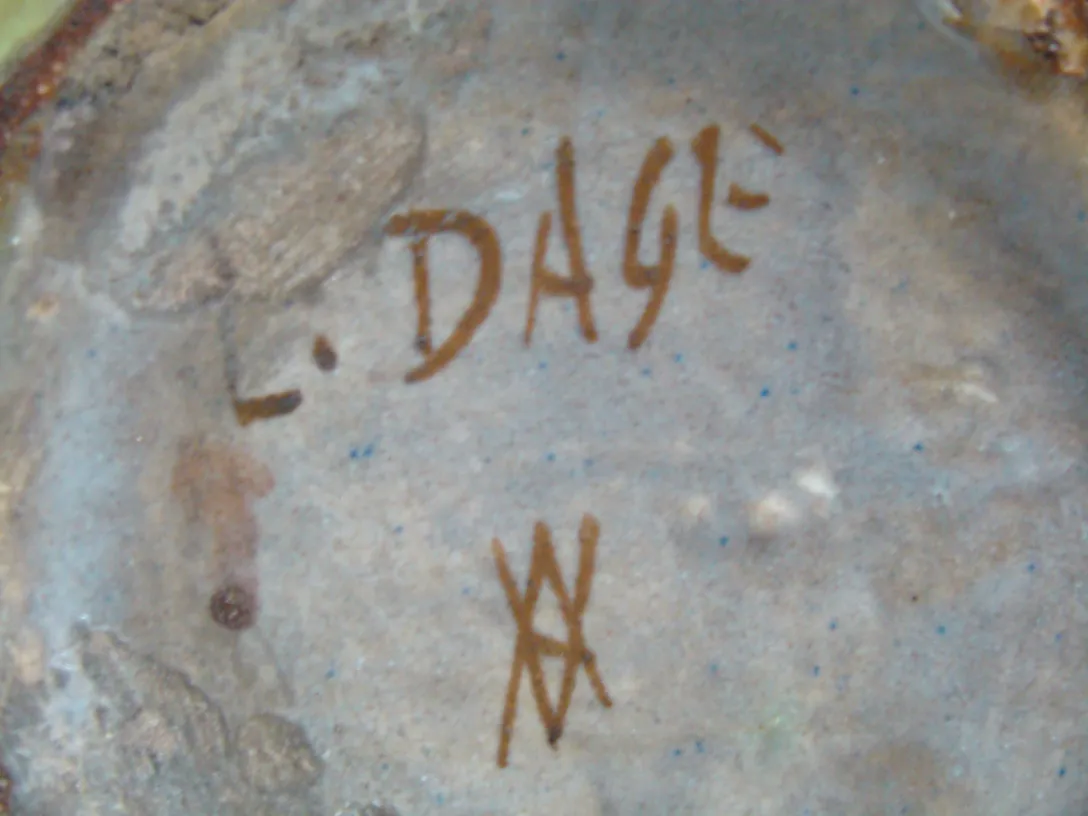
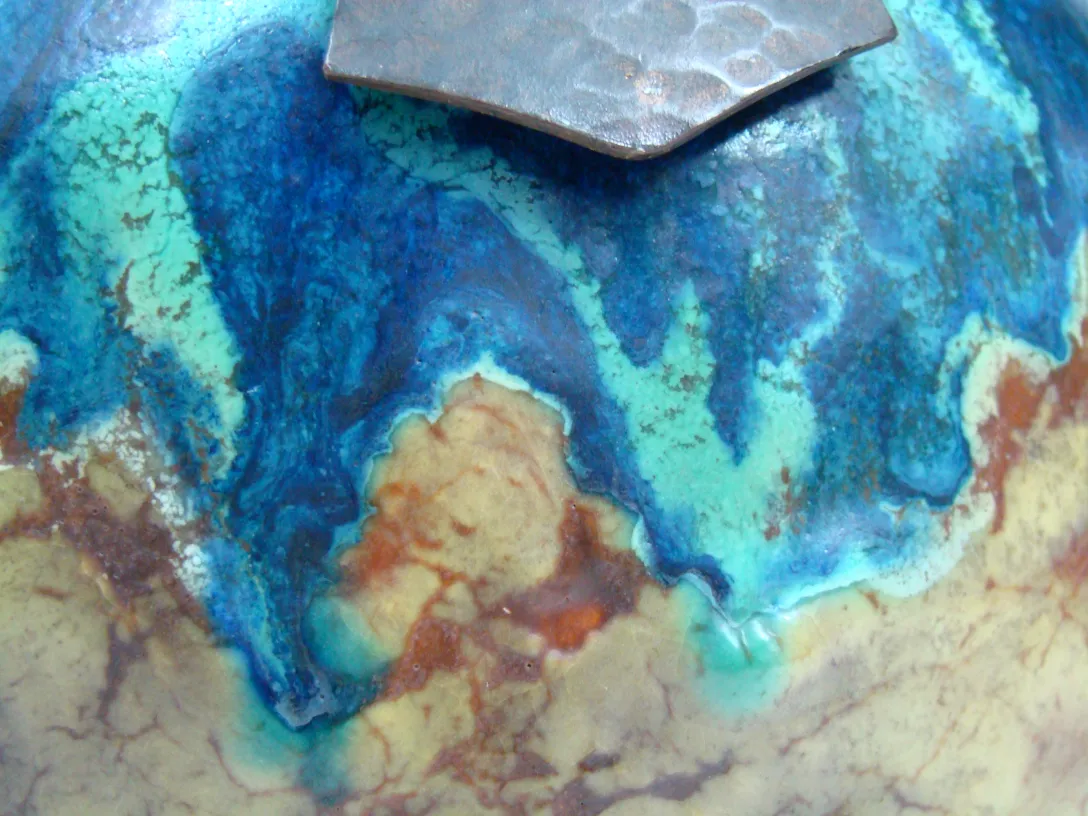
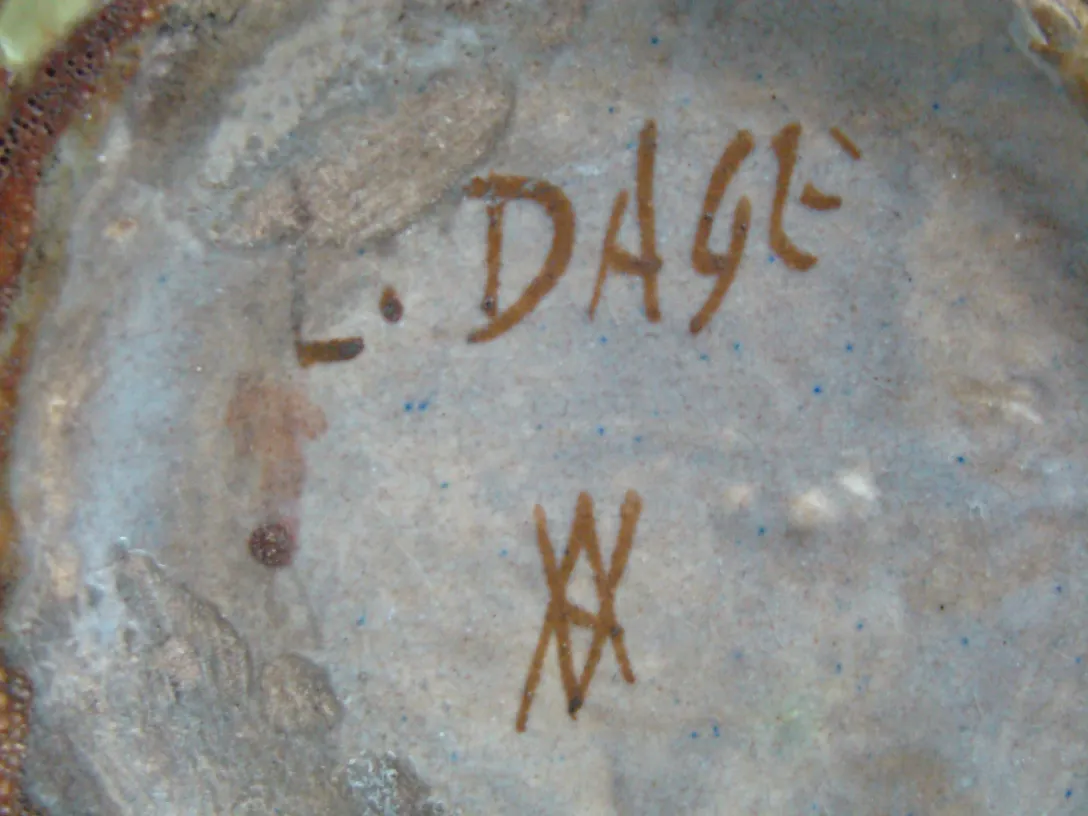
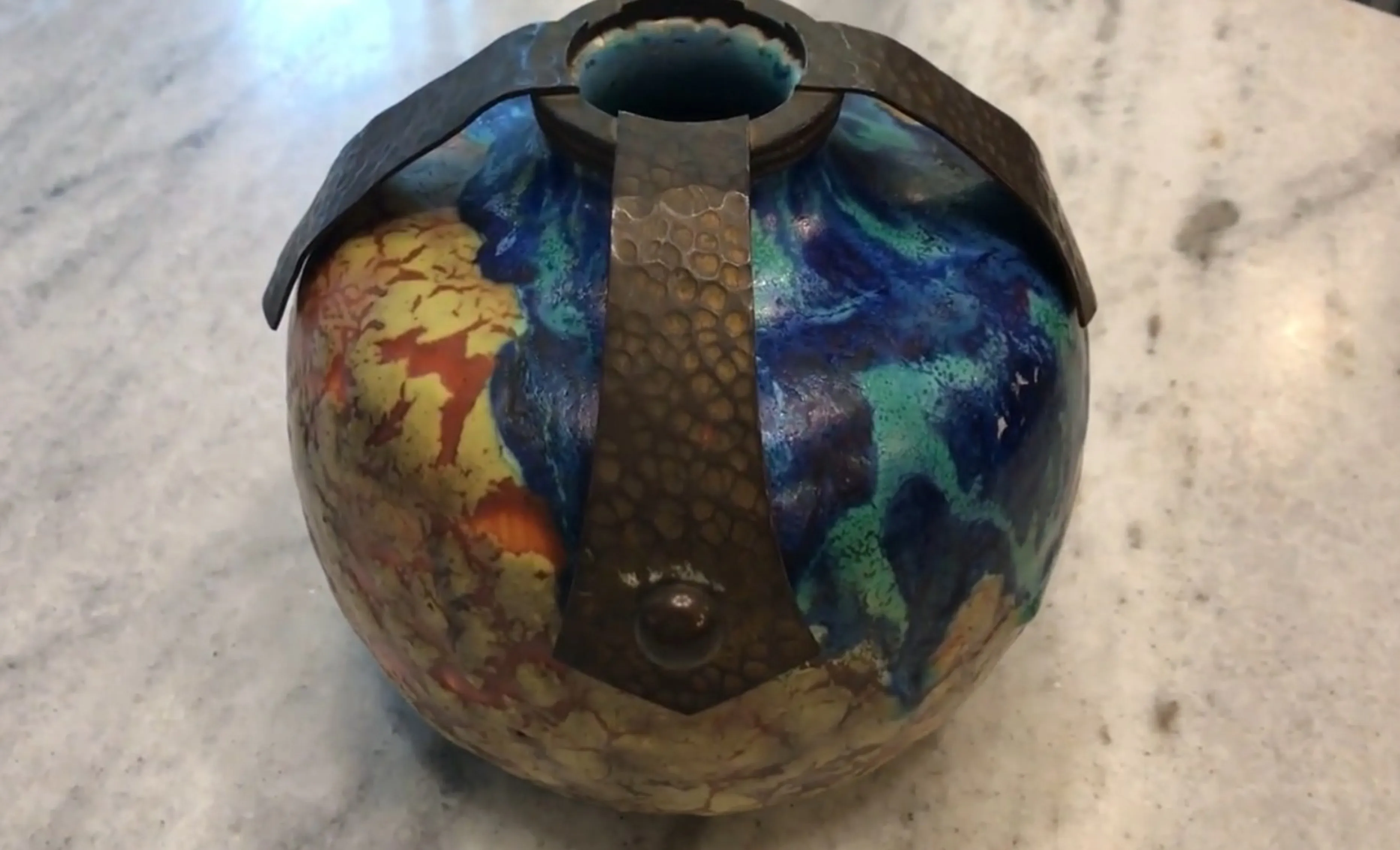
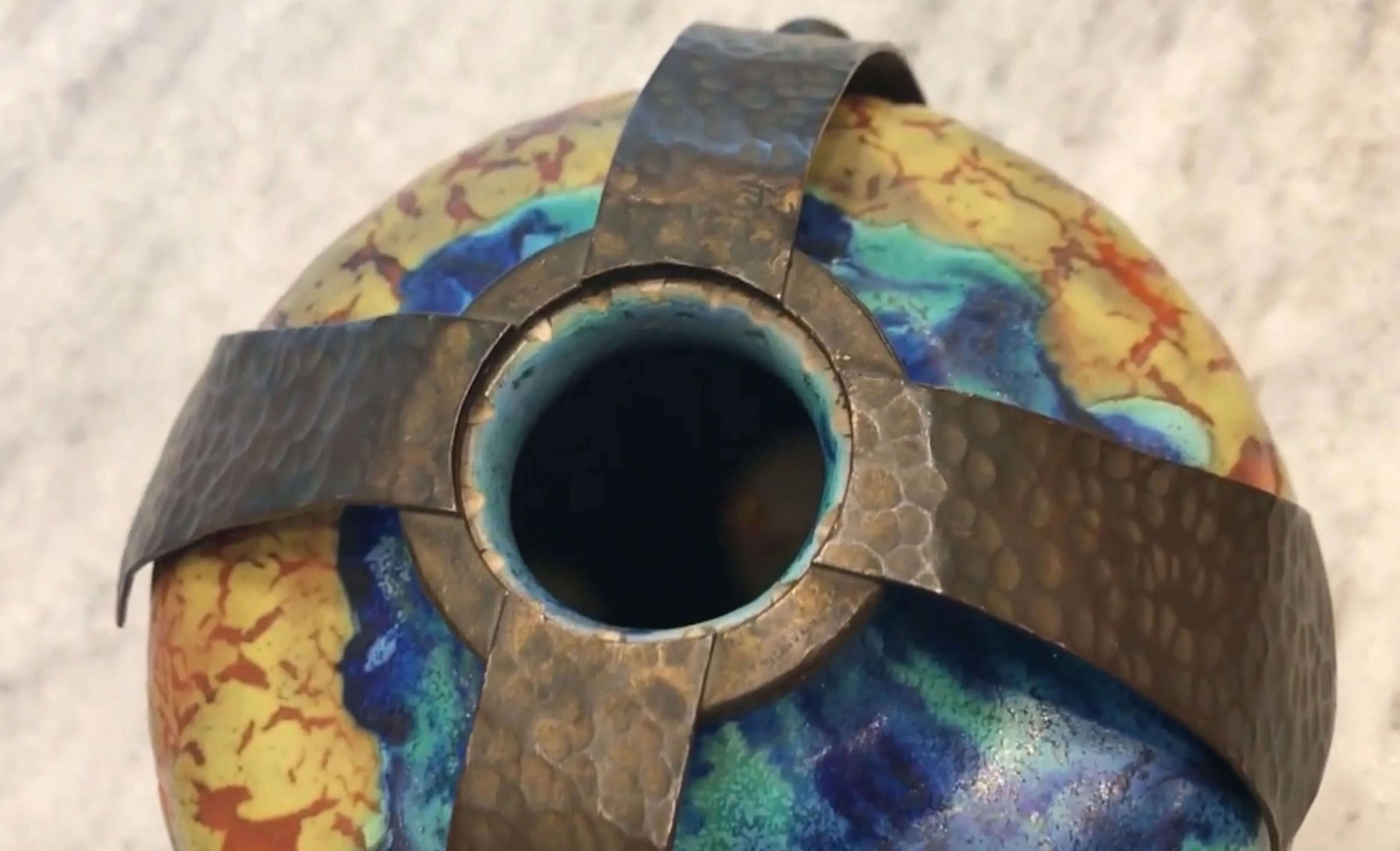
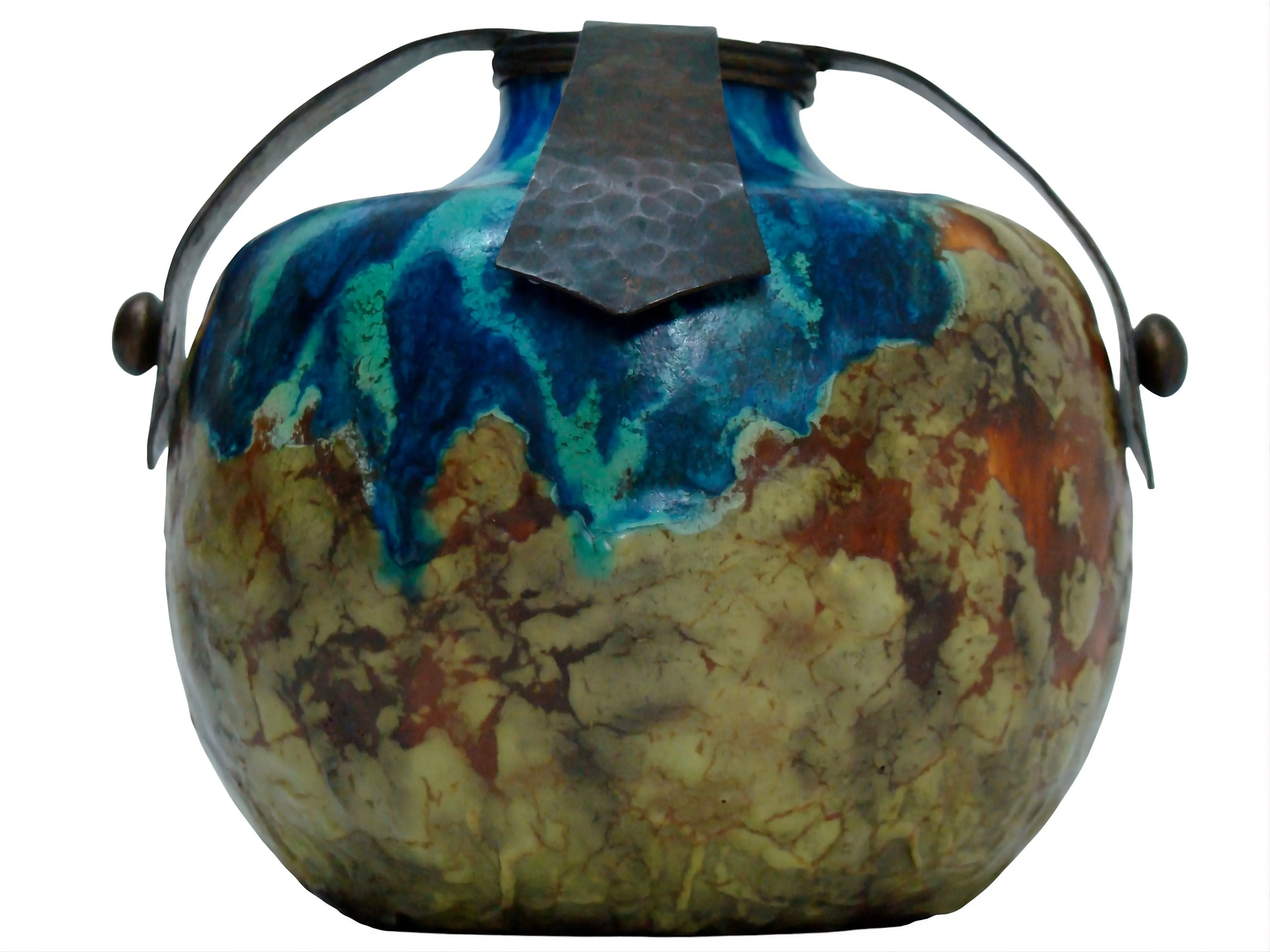
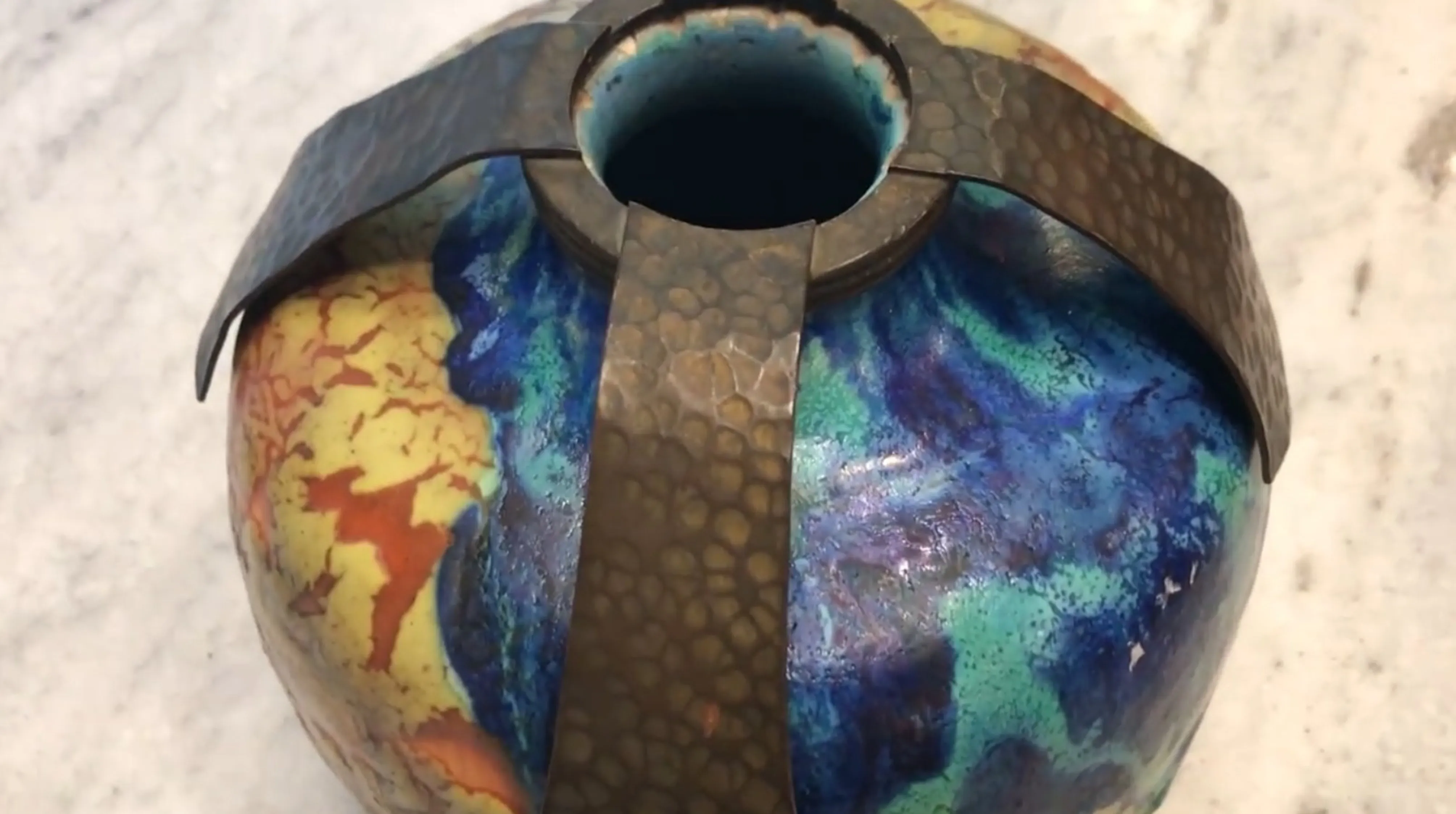
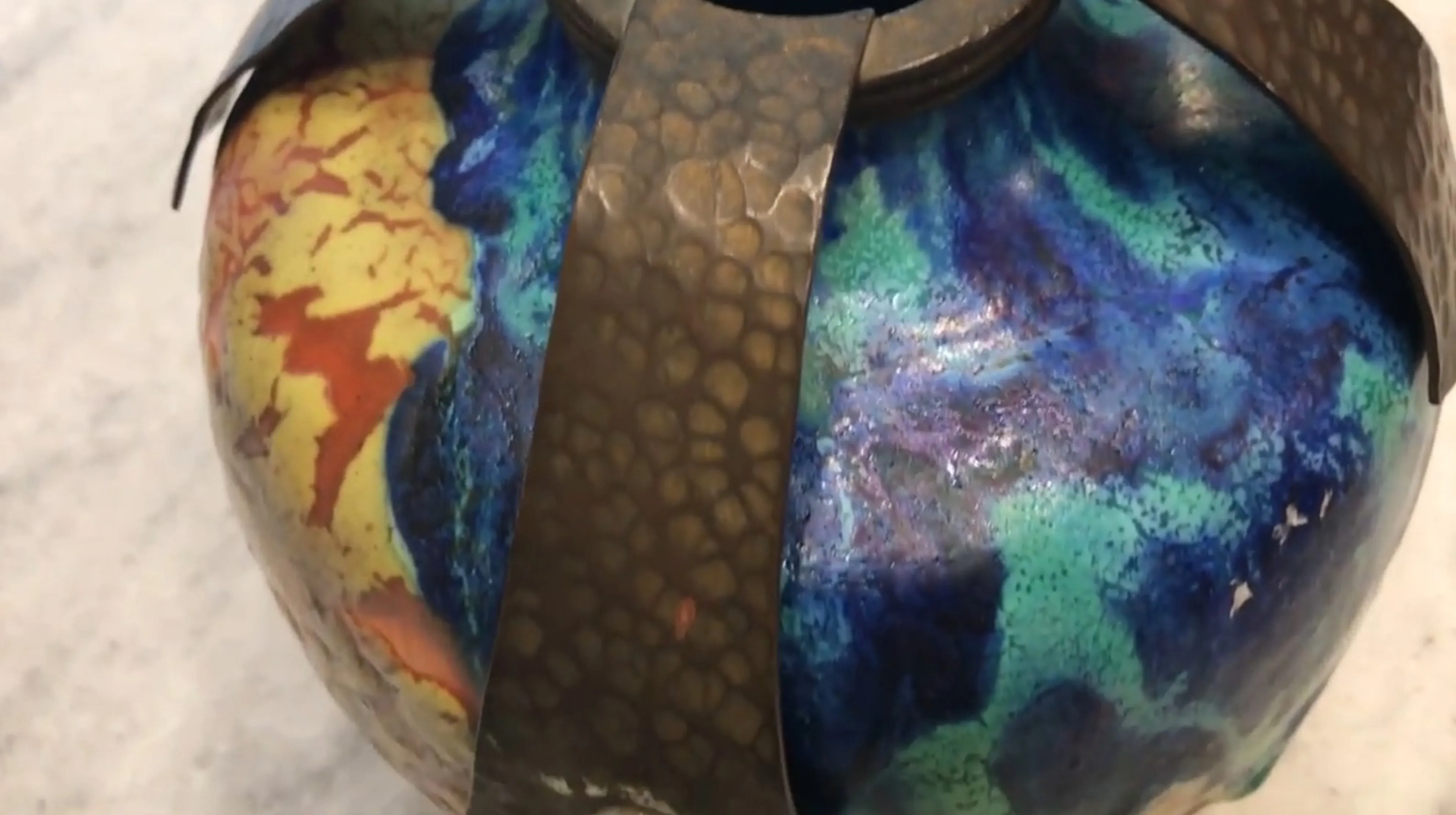
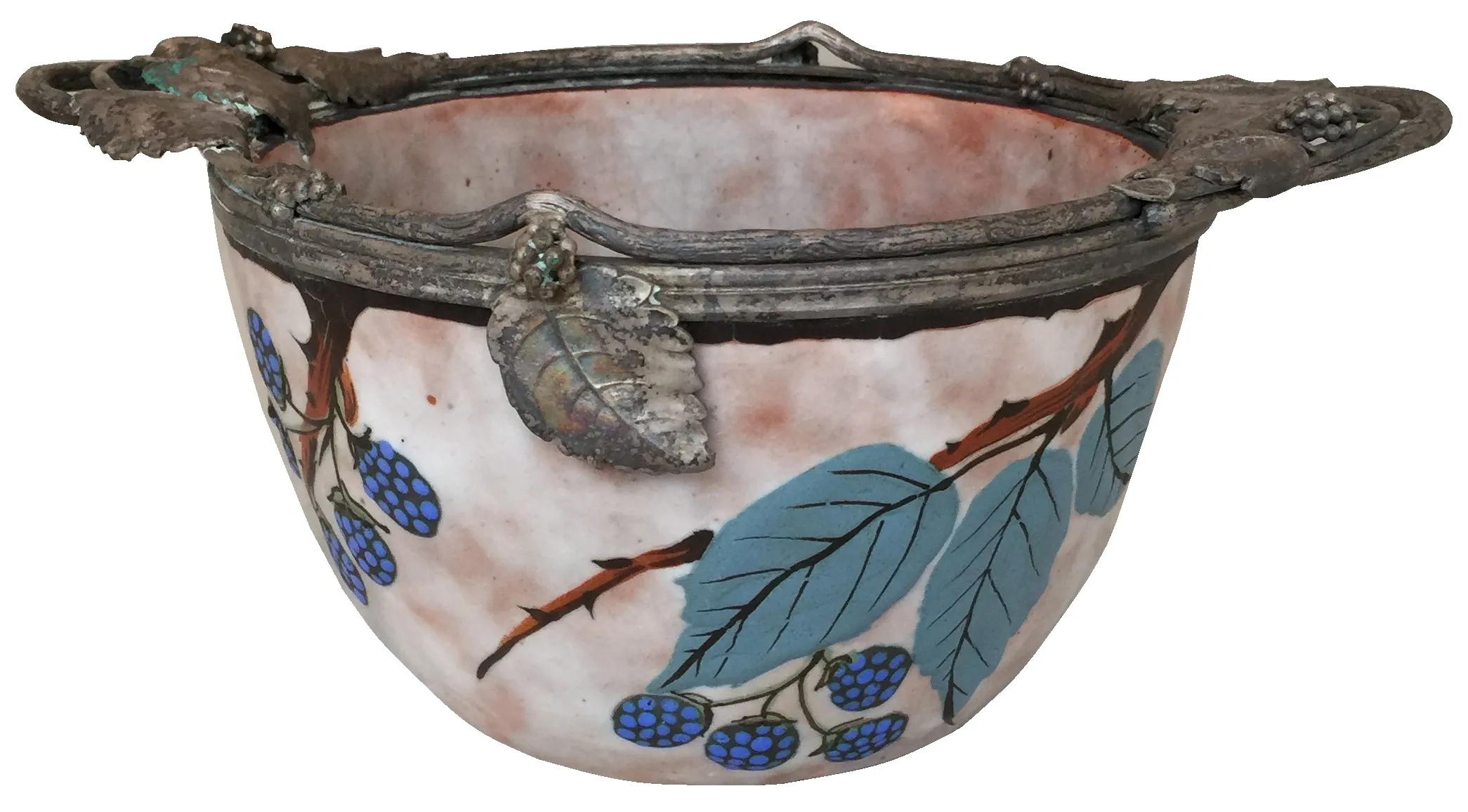
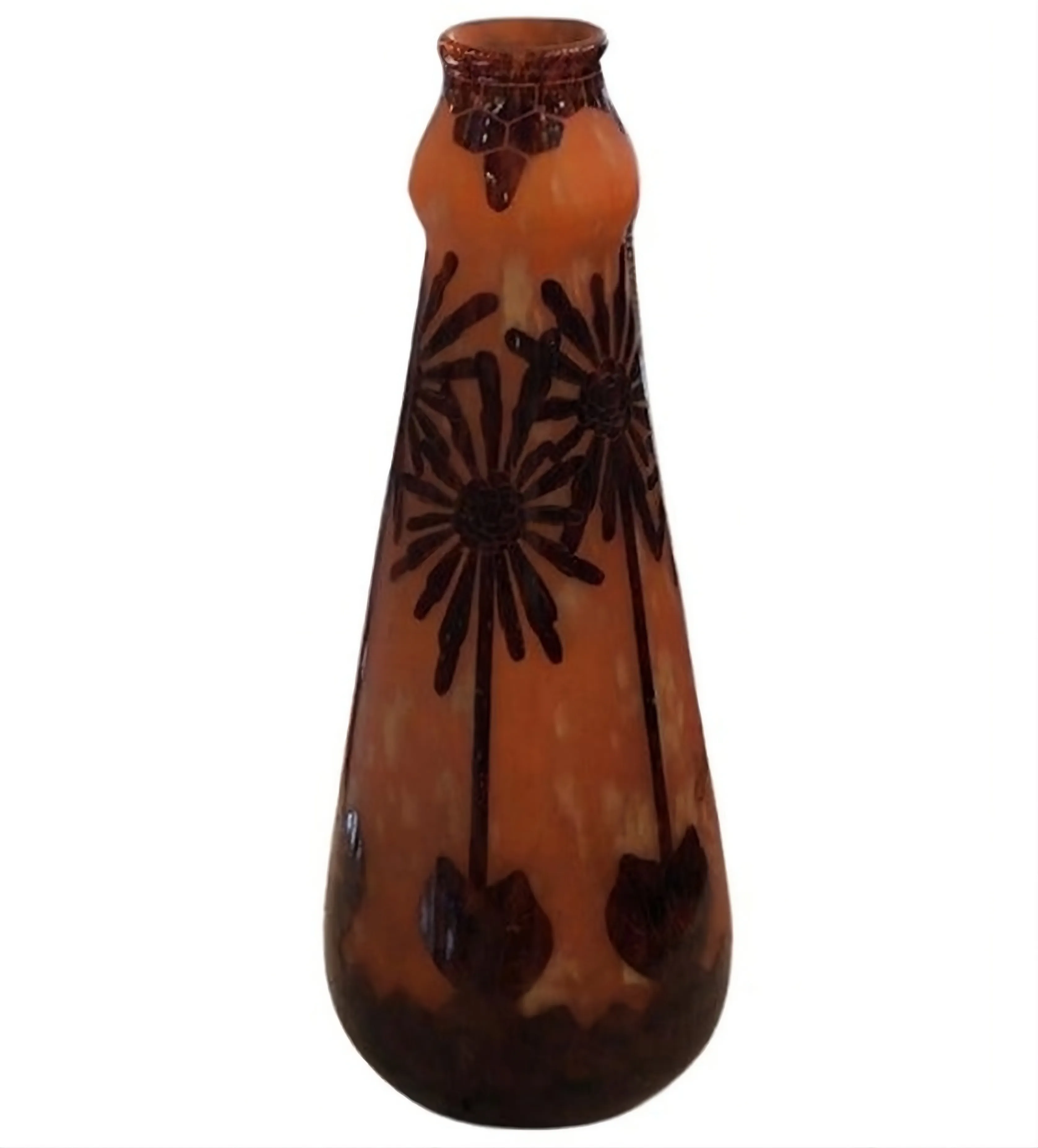
Louis Dage was born in 1885 in Lille, France. He was a highly influential French ceramist whose career spanned from the early 20th century into the 1960s, making significant contributions to the Art Deco movement in ceramics.
He began his career at the Fives-Lille earthenware factory.
1920: Dage co-founded the "Faïencerie d'Art" in Antony (near Paris) with Jean de la Fontinelle, who specialized in animal ceramics. Their collaboration ended in 1922.
1924: Dage won the prestigious "Meilleur Ouvrier de France" (Best Craftsman of France) award, a testament to his exceptional skill and craftsmanship.
Around 1930: He opened a ceramic factory with five kilns, where his daughter and brother also worked.
From 1933: He became the managing director of his ceramic factory.
1935: He took over the "Faïencerie de l'Adour" in Saint-Sever (Landes), which he operated until his death.



 Share
Share






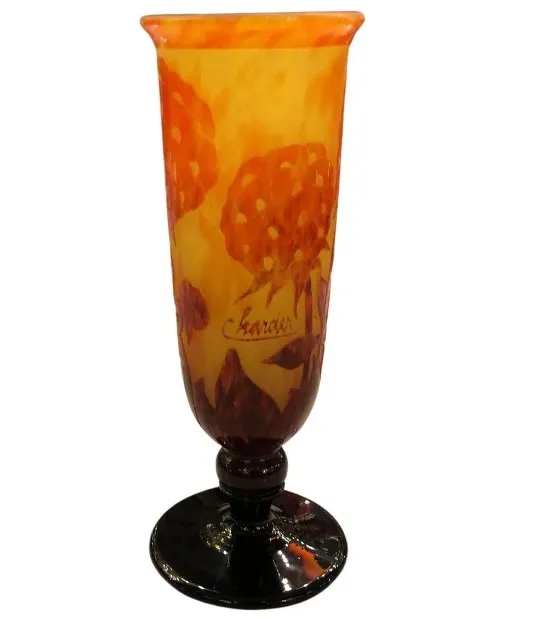
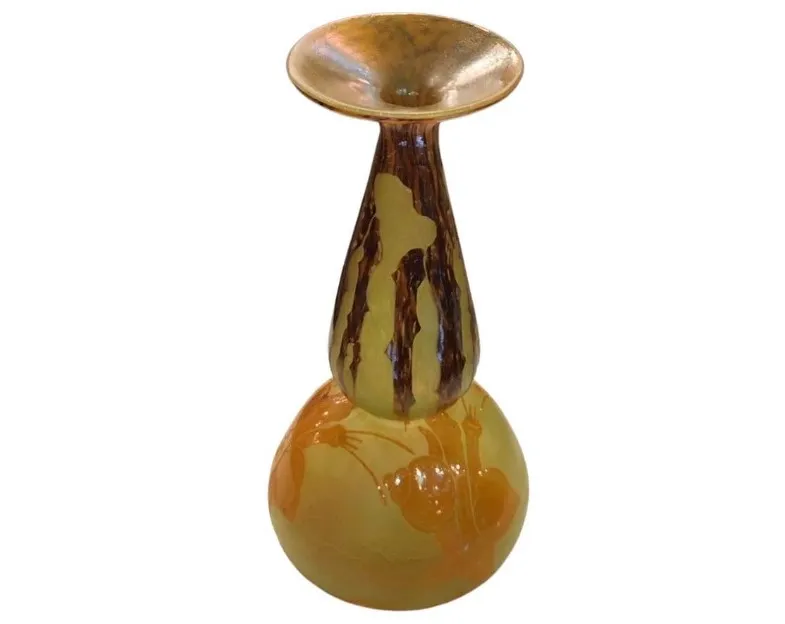
1785984008.webp)