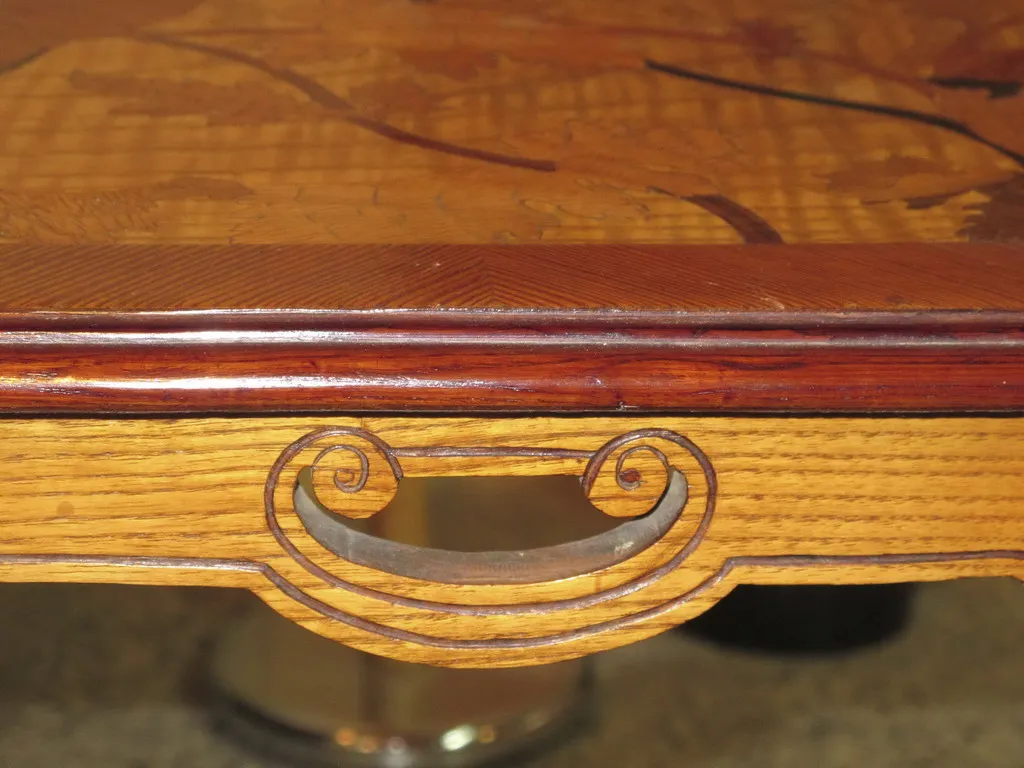
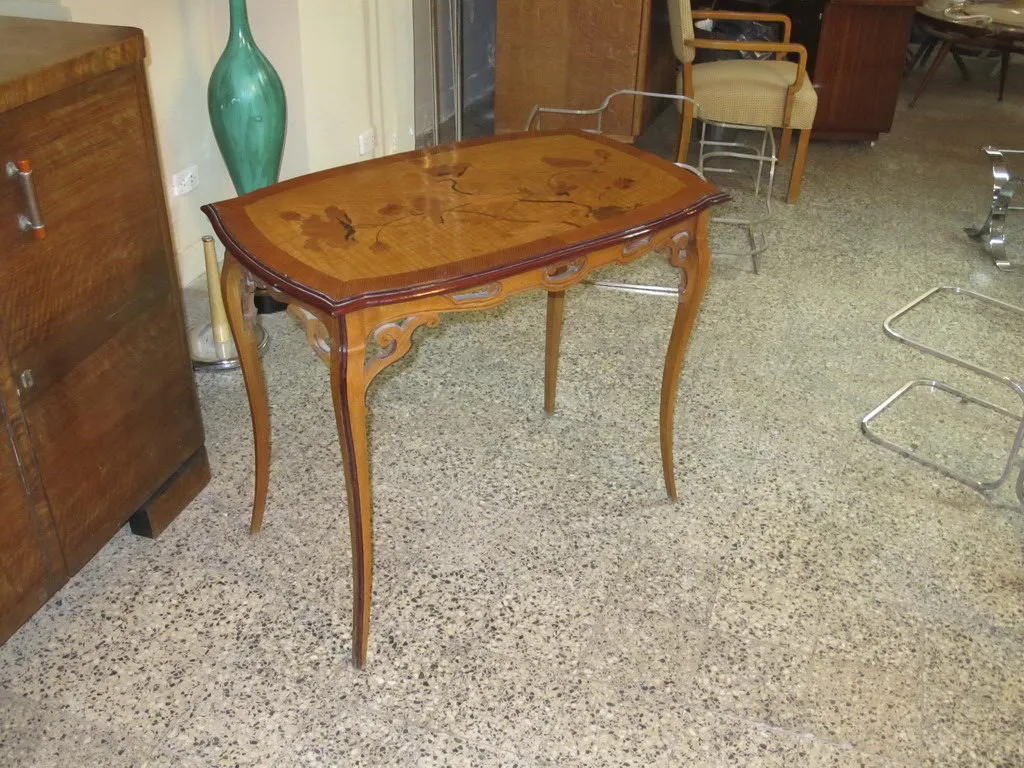
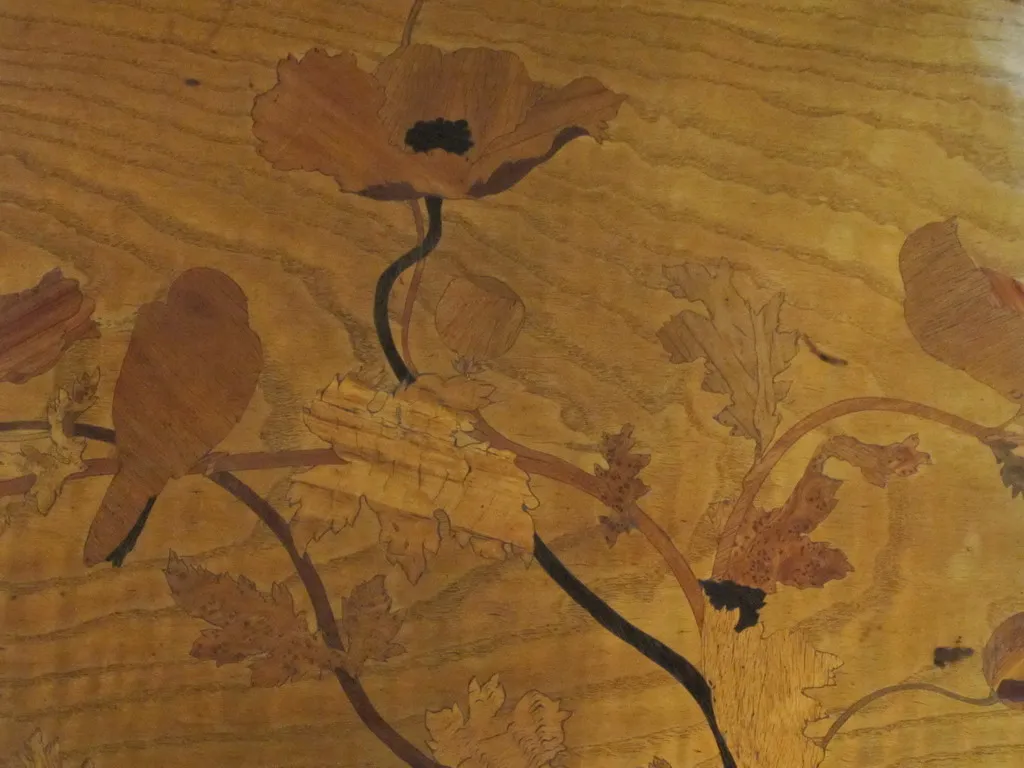
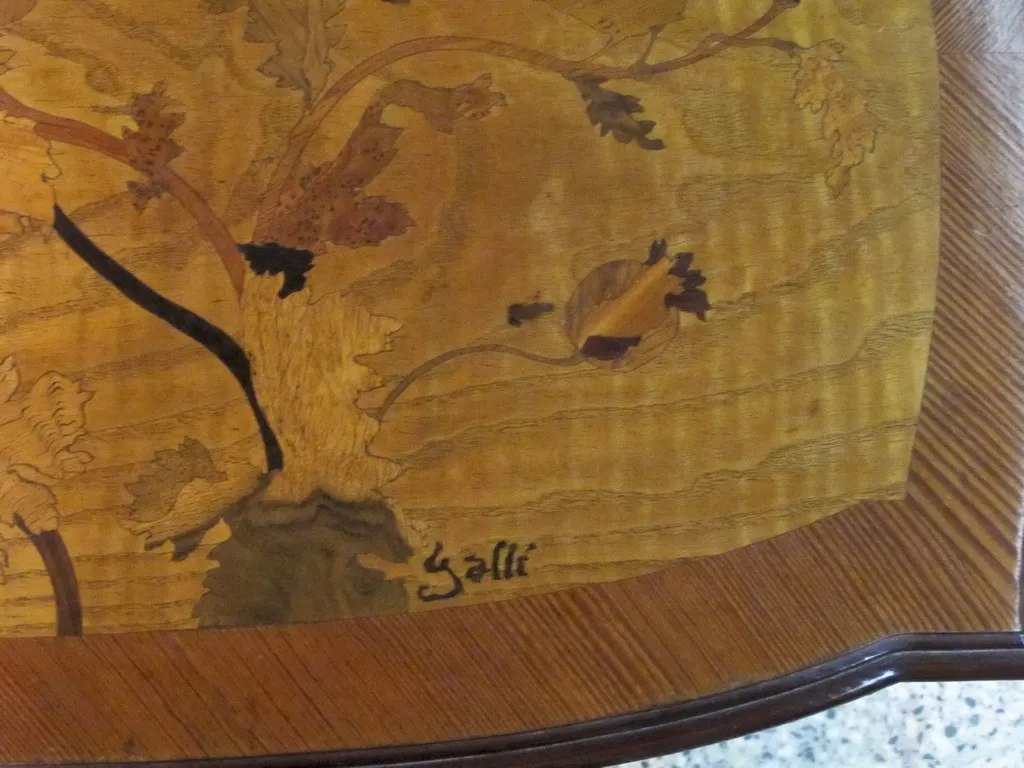
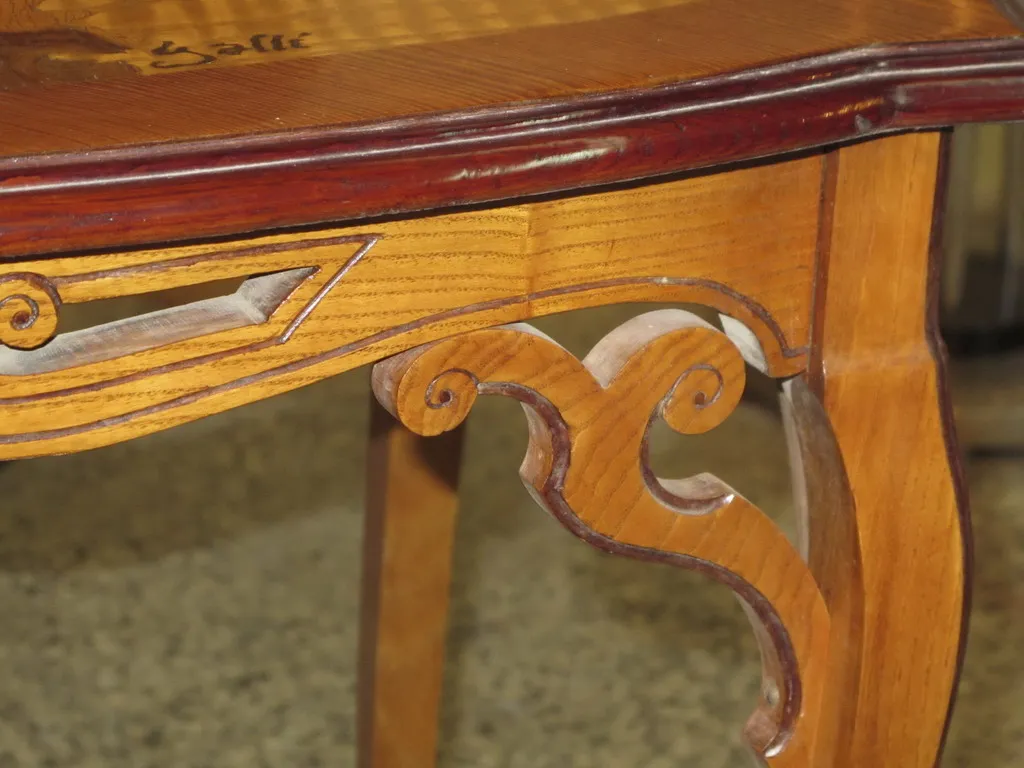
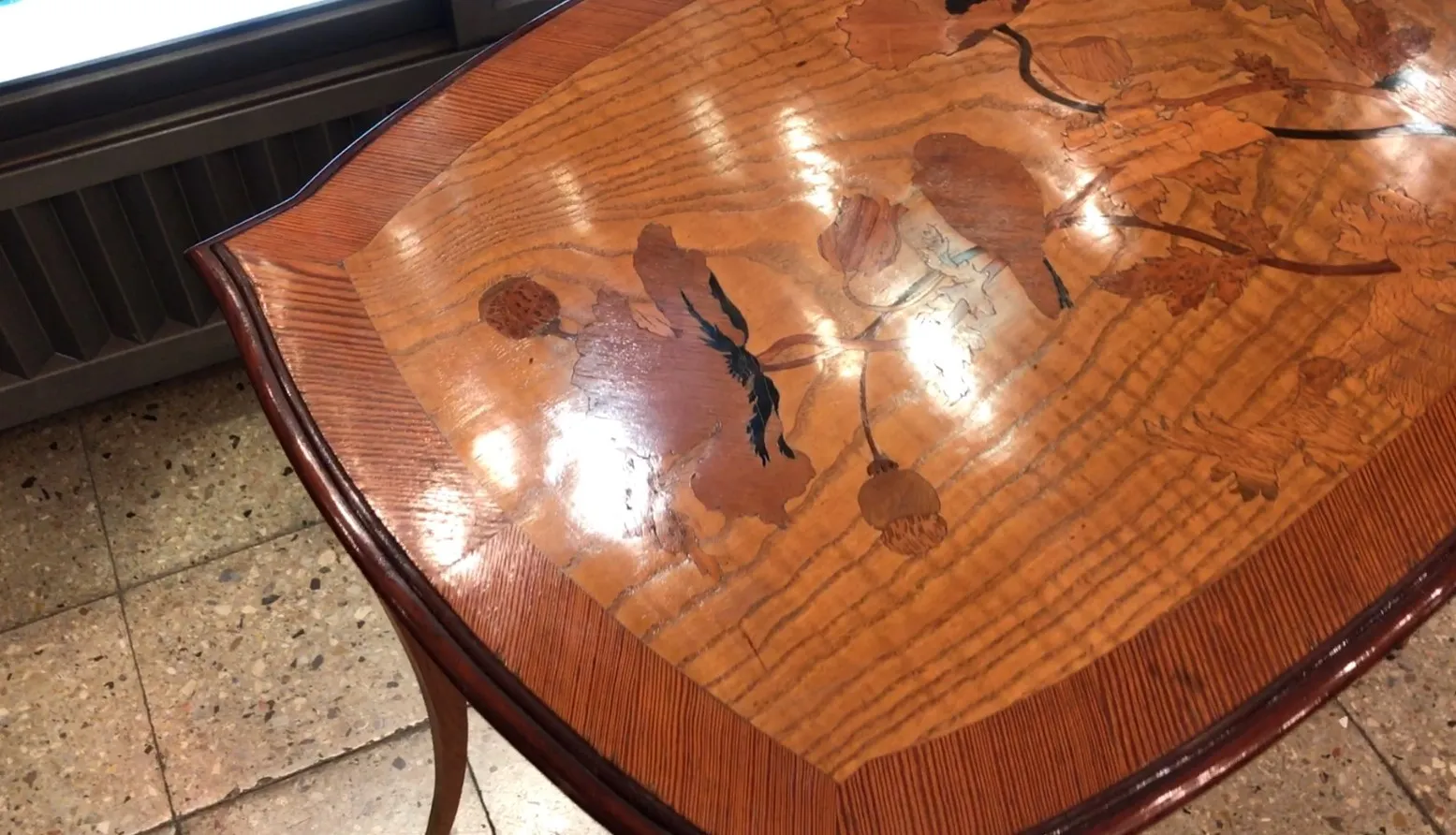
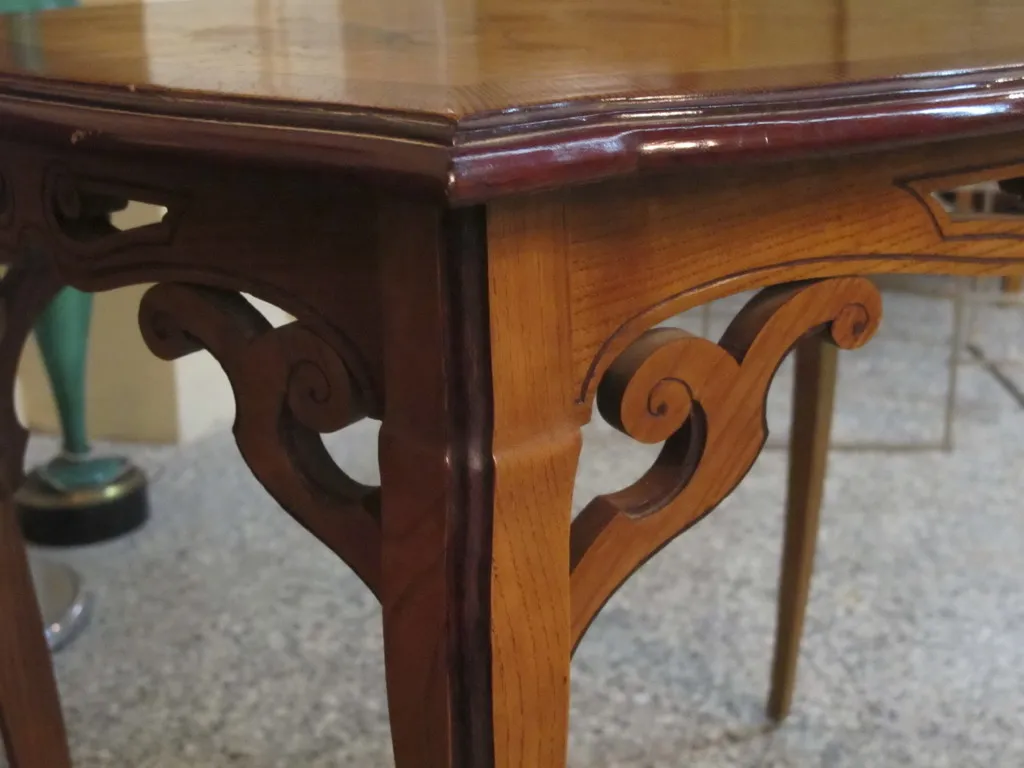
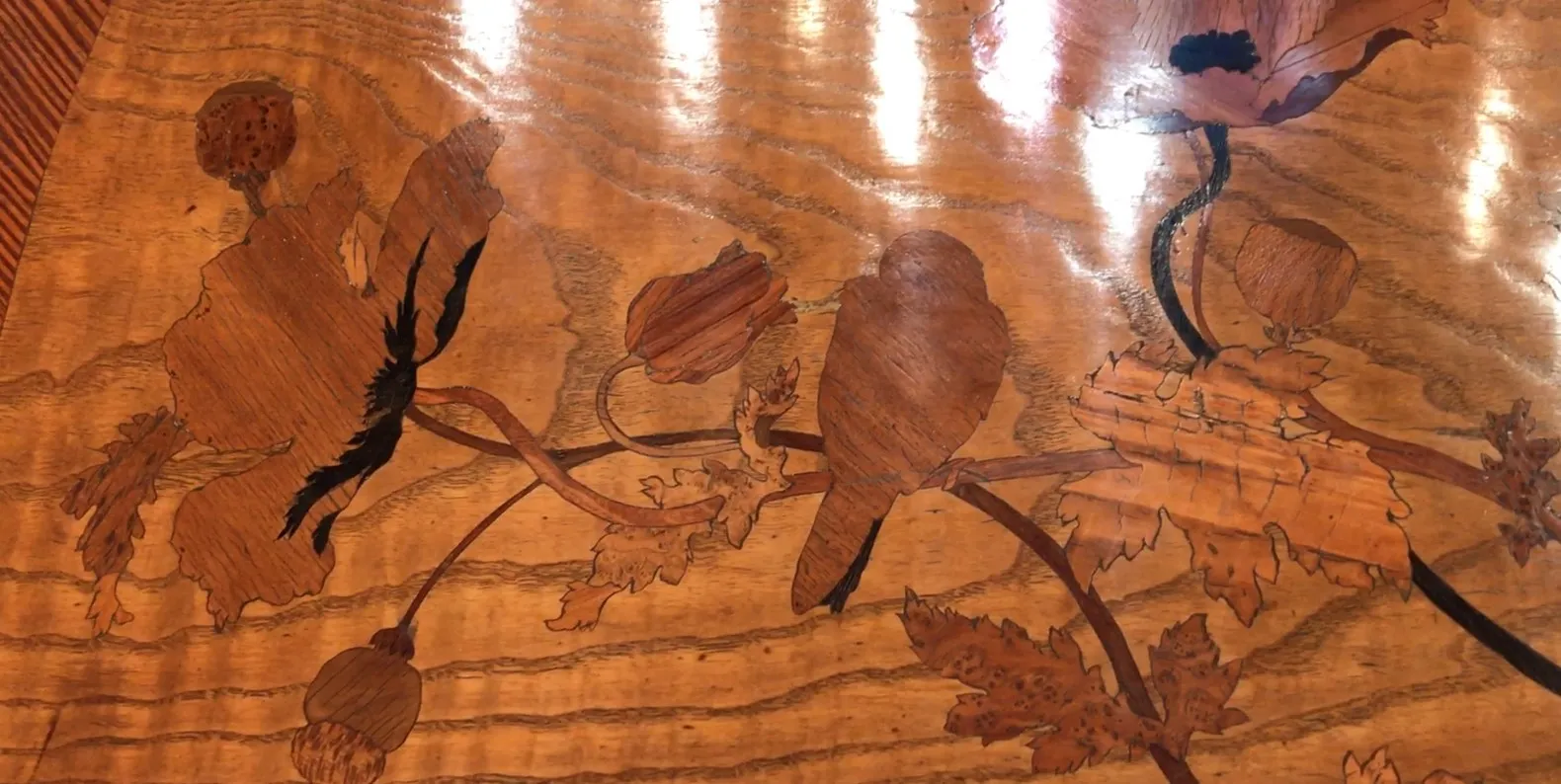
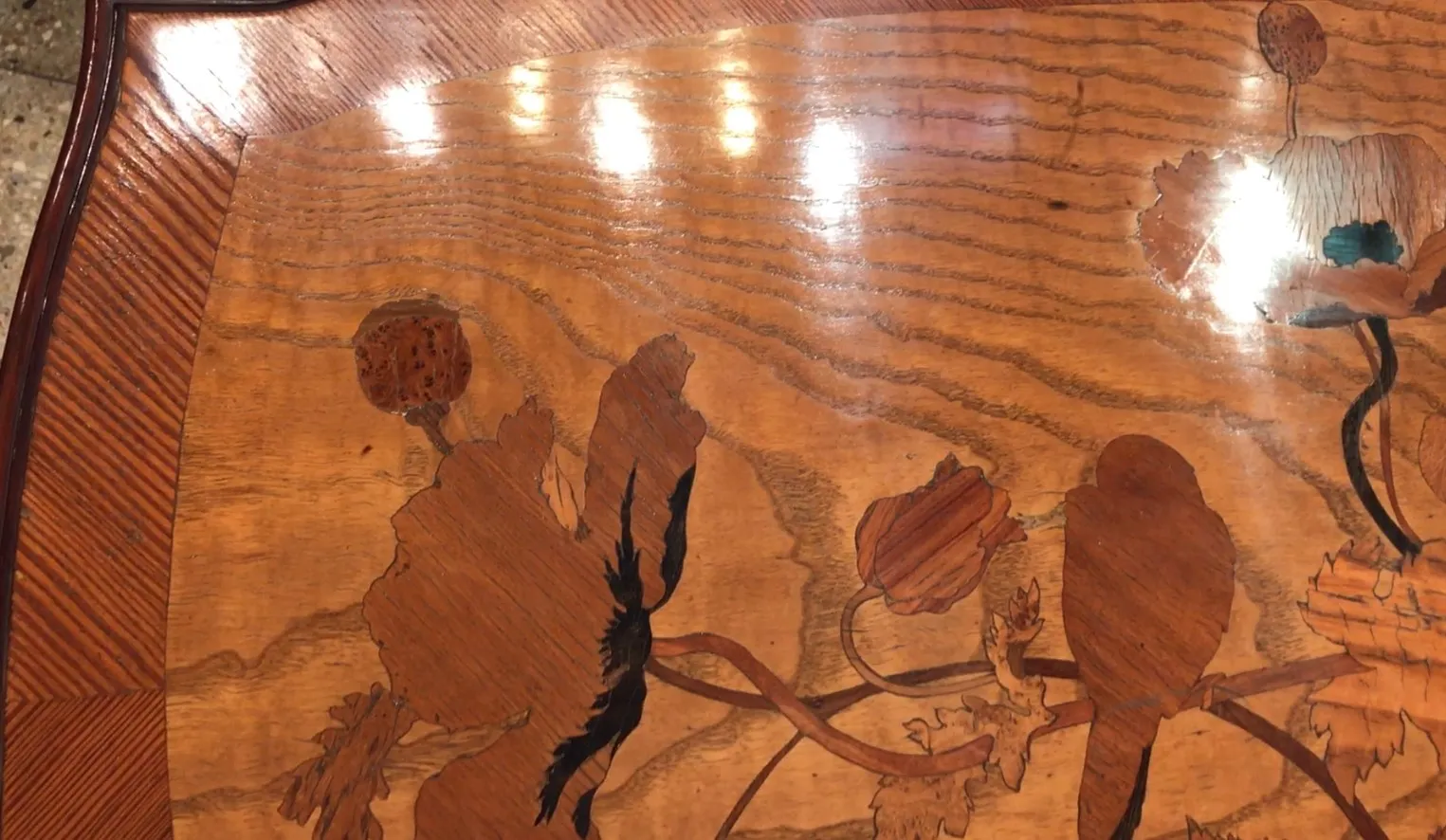
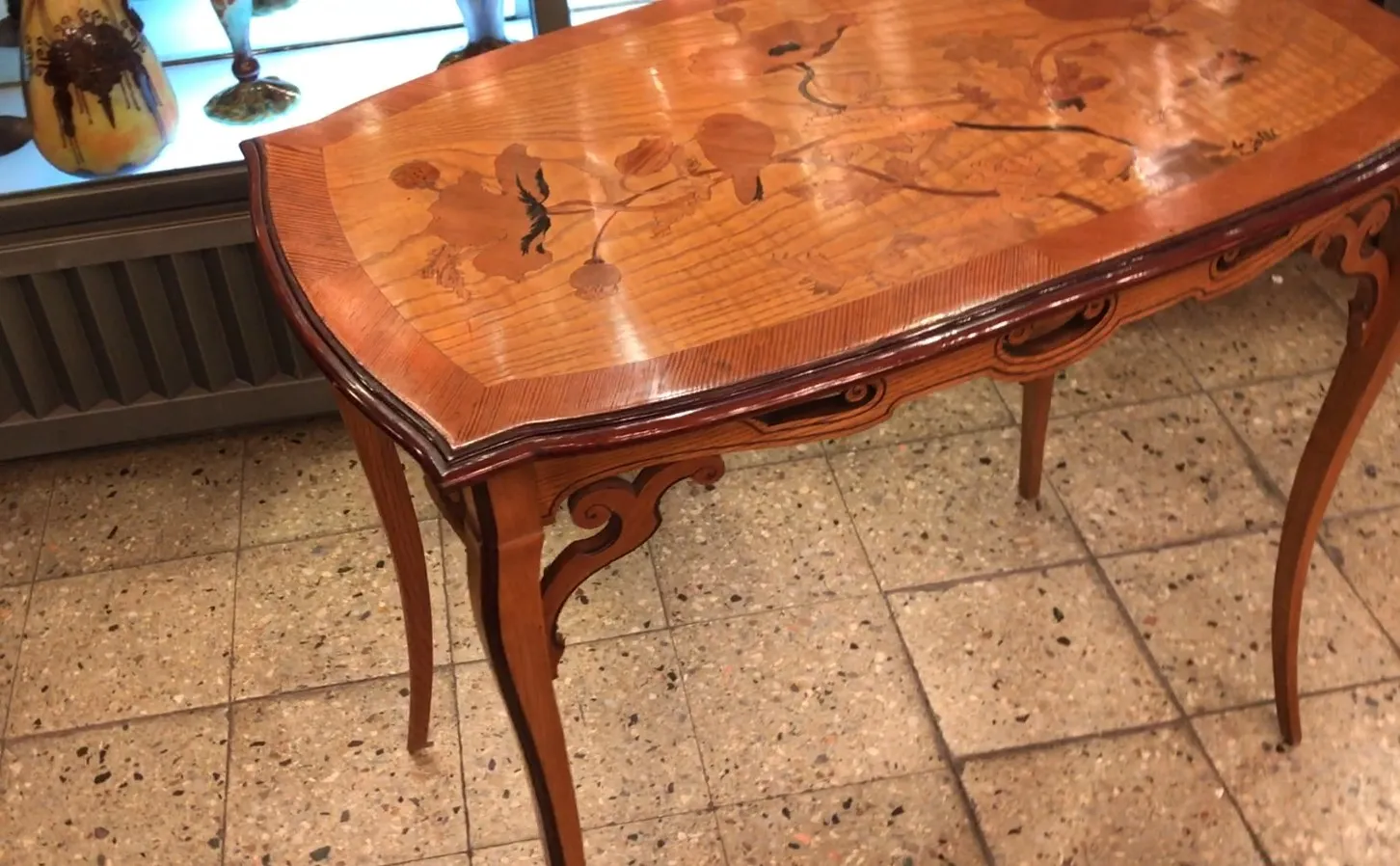
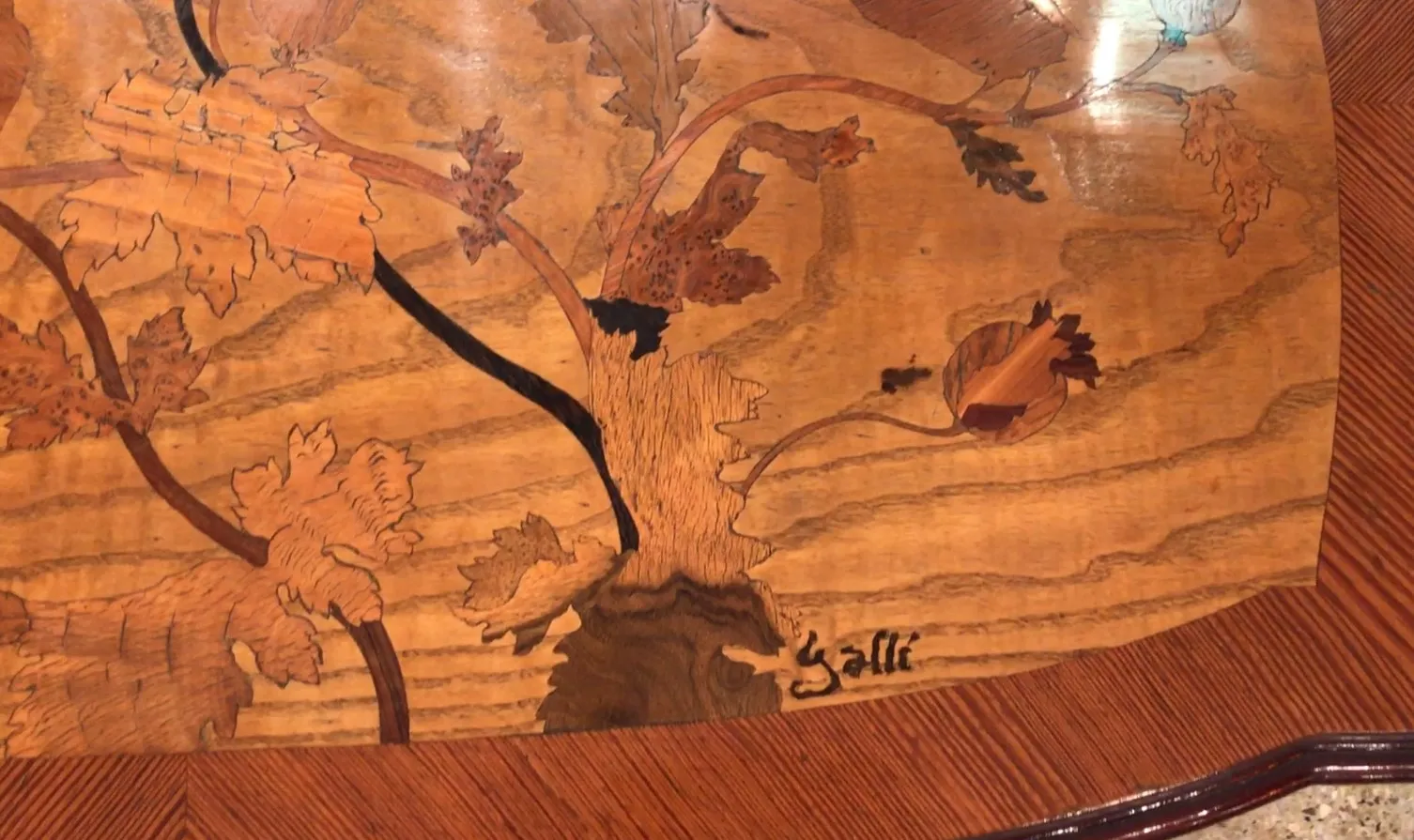
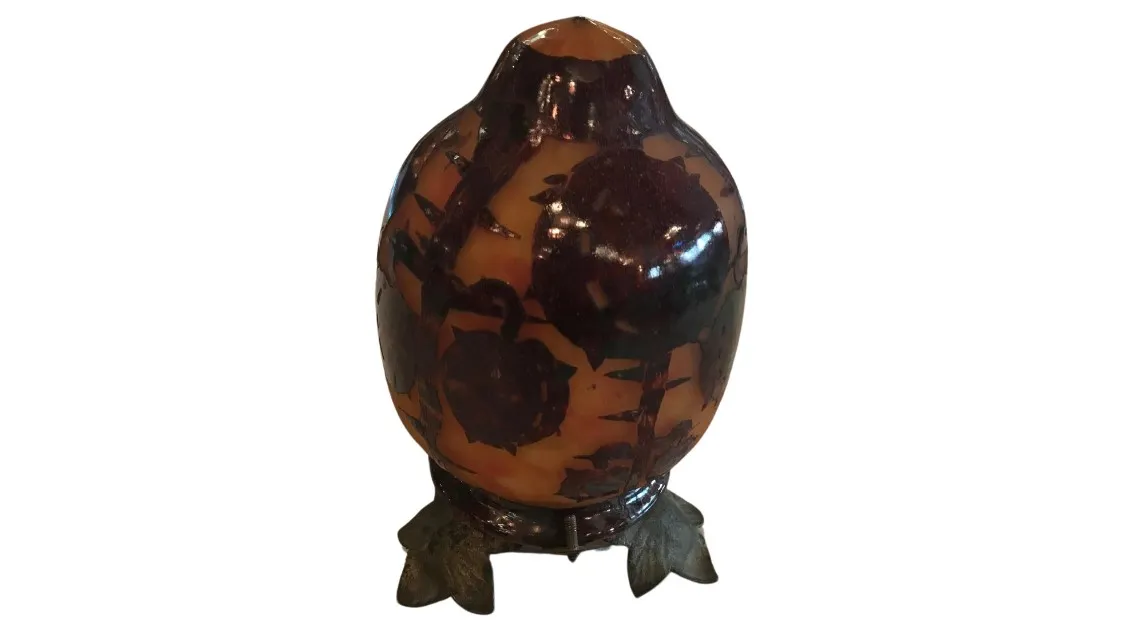
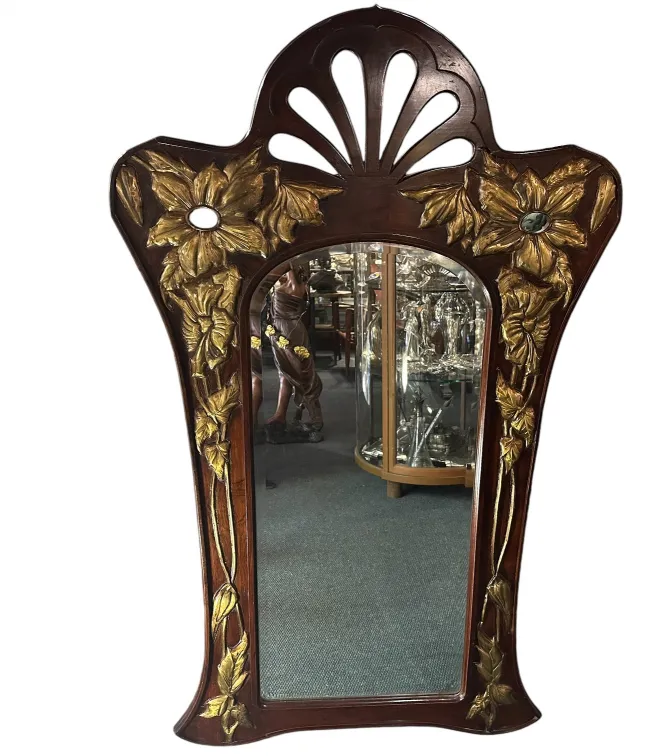
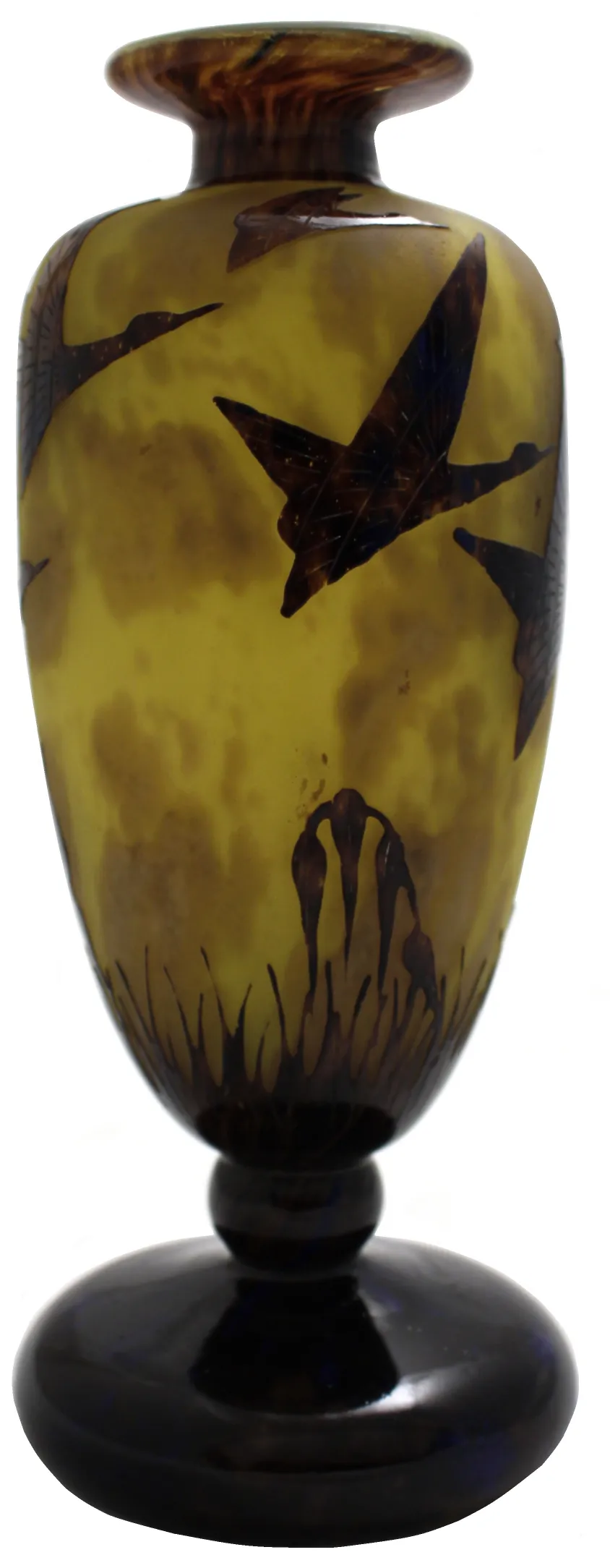
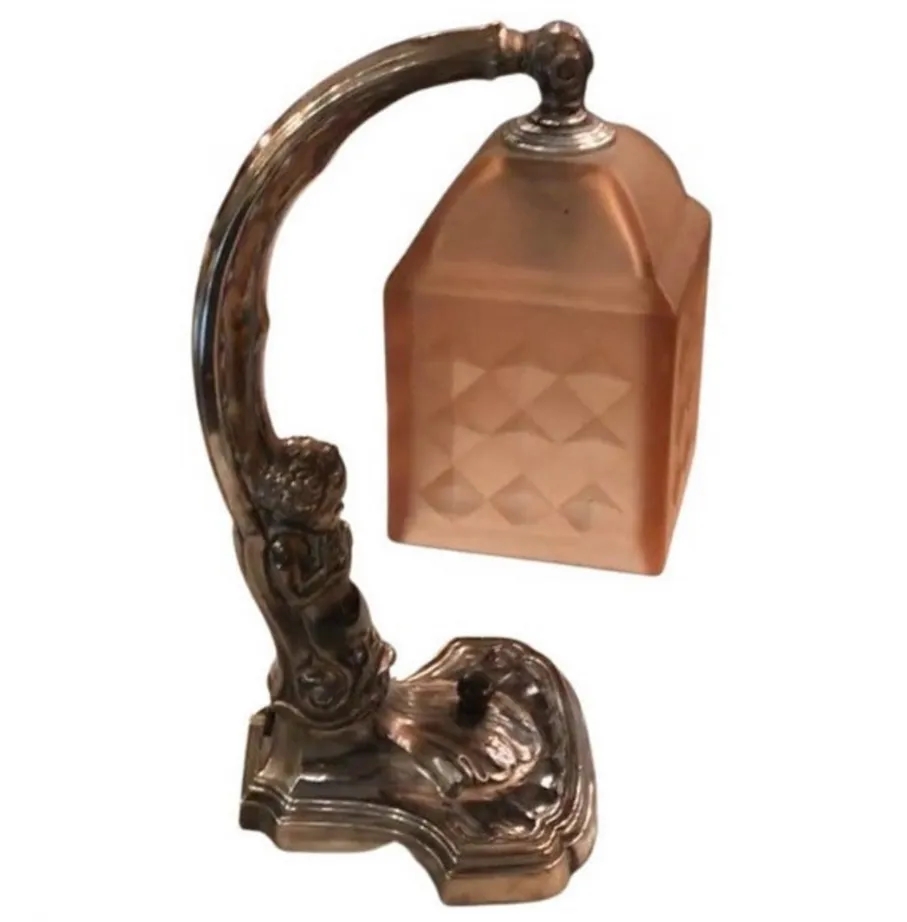
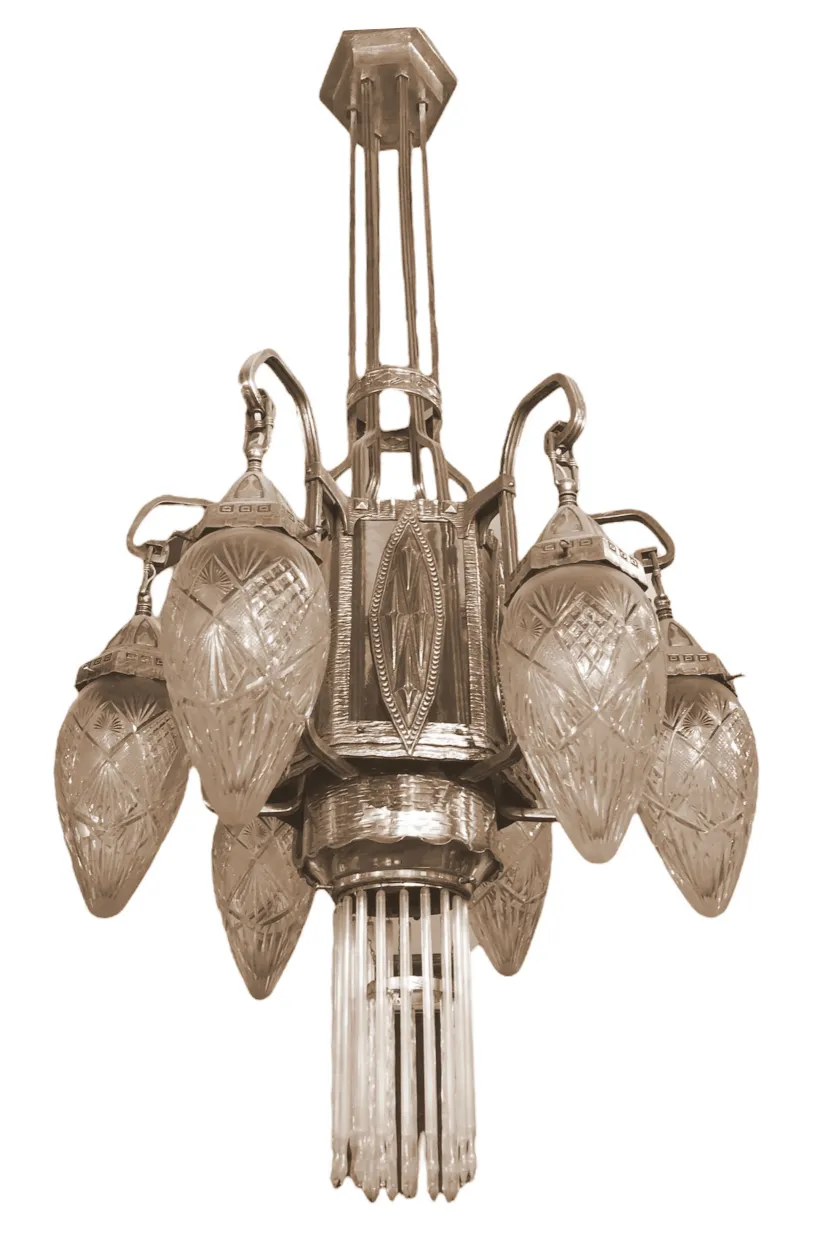
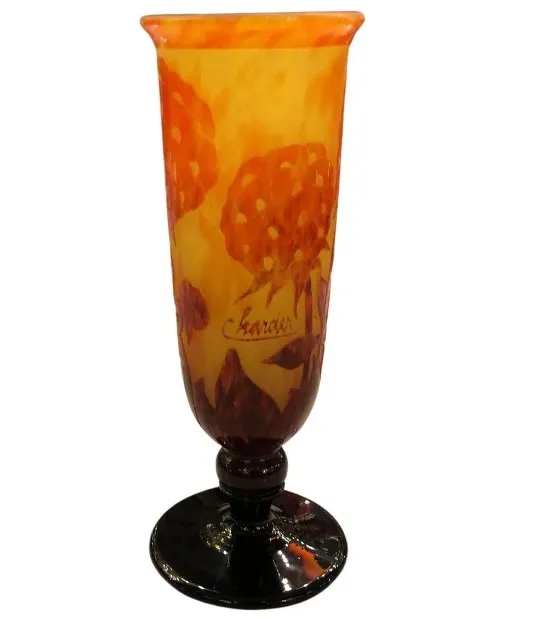
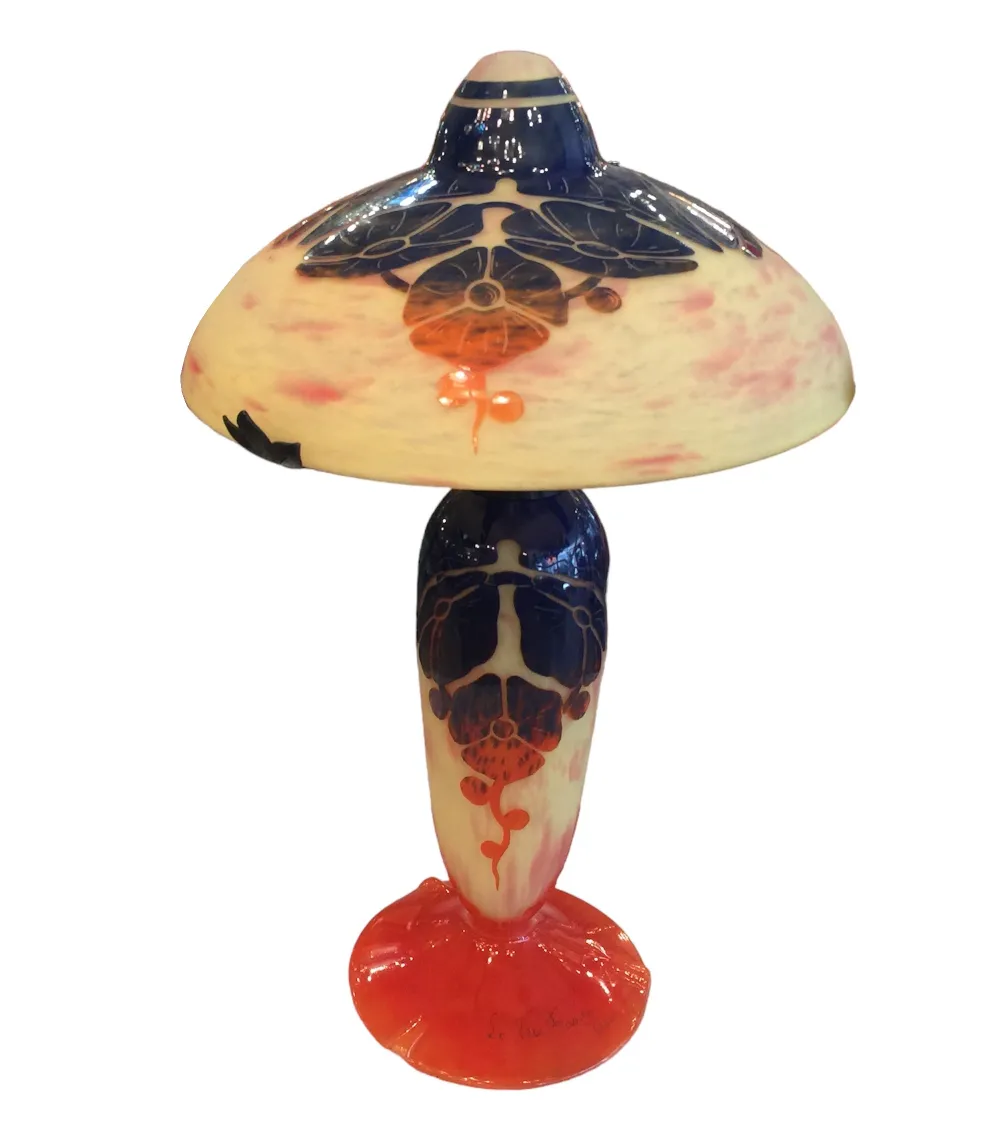
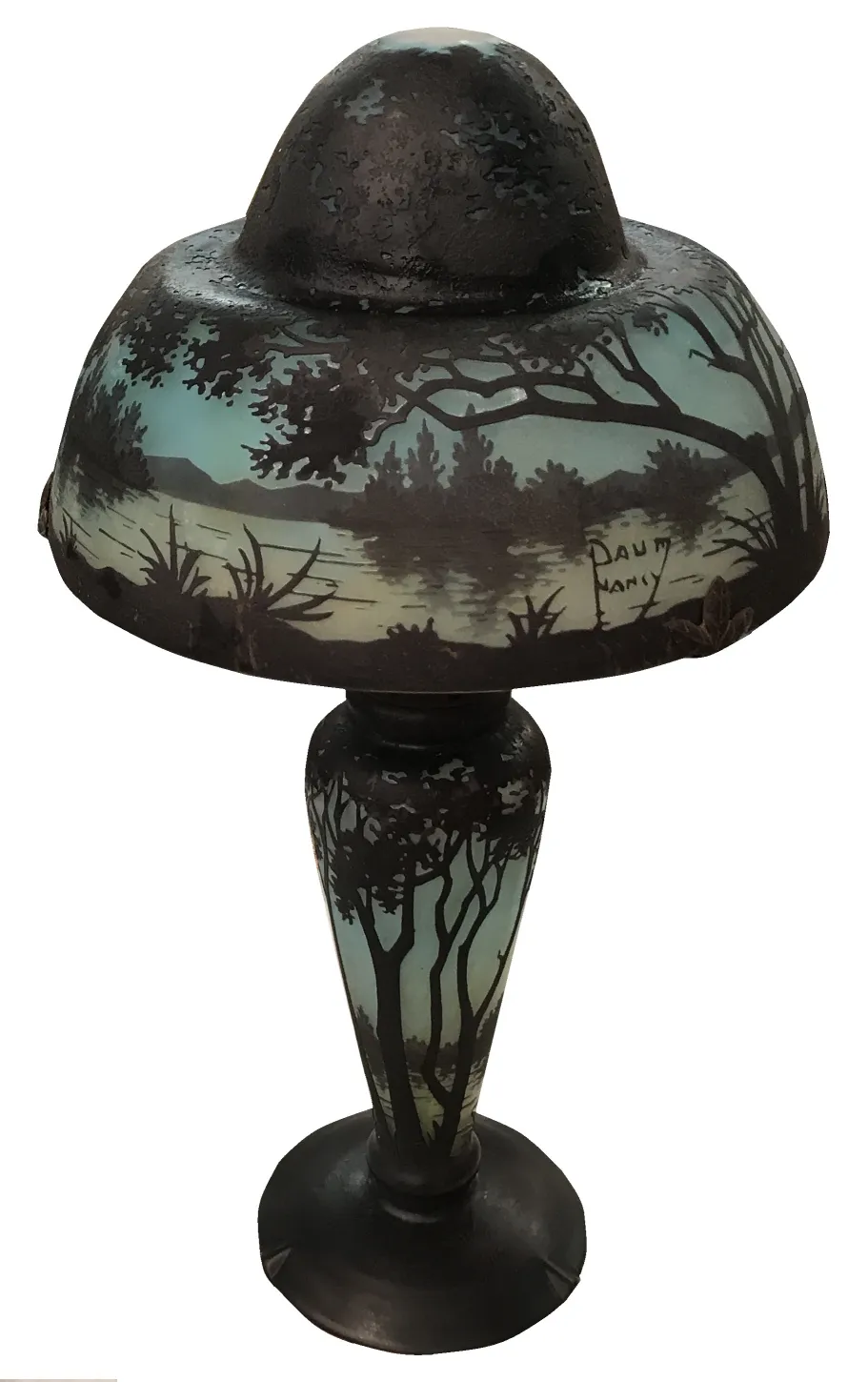
Émile Gallé, a French designer, illustrator, decorator, and glass artist.
In 1901, he created the Alliance Provinciale des Artistes, known as the École de Nancy, a group of artists with enormous influence in the spread of Art Nouveau in France.
He had the support of designers Victor Prouvé and Louis Majorelle.
Son of glass and ceramic merchant Charles Gallé, he began designing decorations on glass and ceramics for his father at a very young age, and later studied botany and mineralogy in Weimar (Germany) and the art of glassmaking in Meisenthal (France).
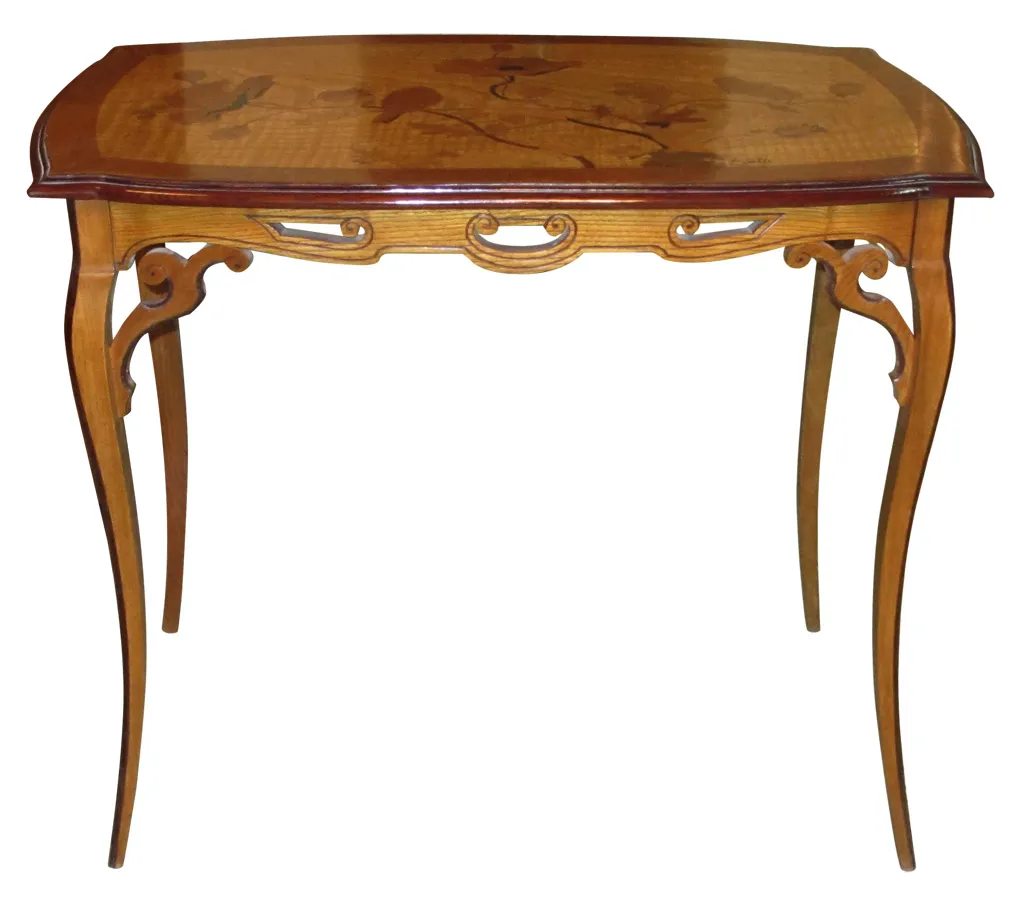
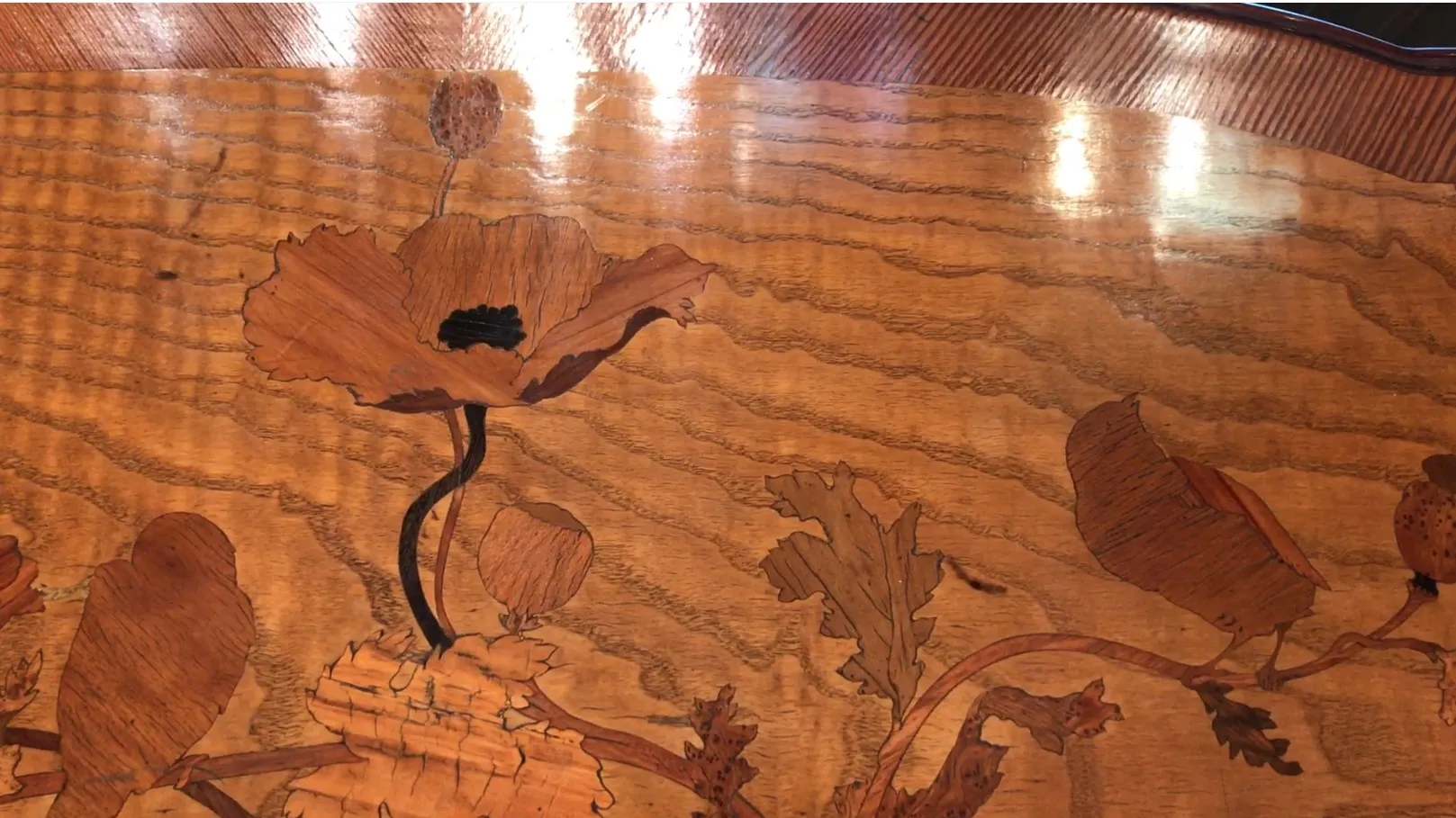
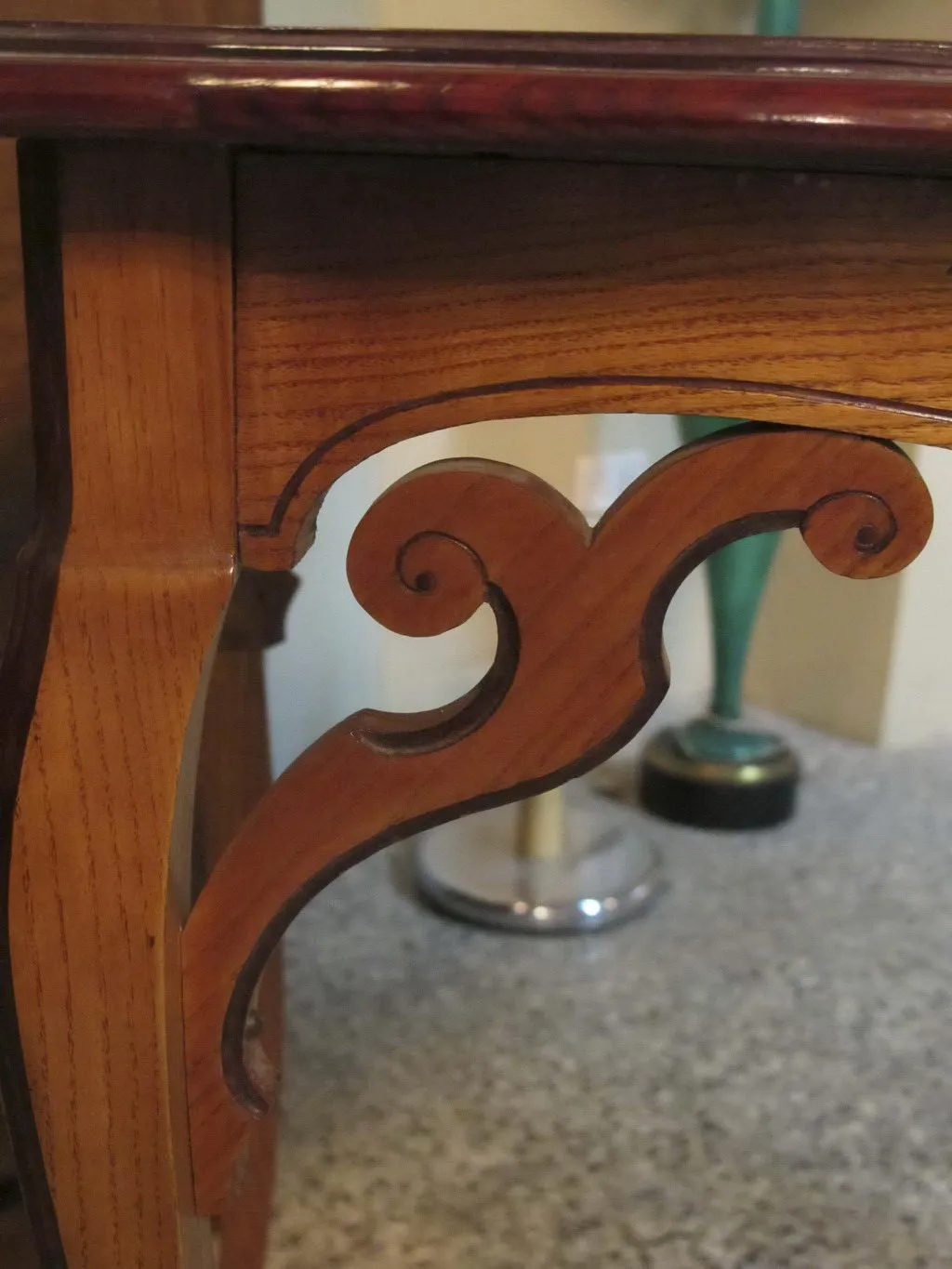
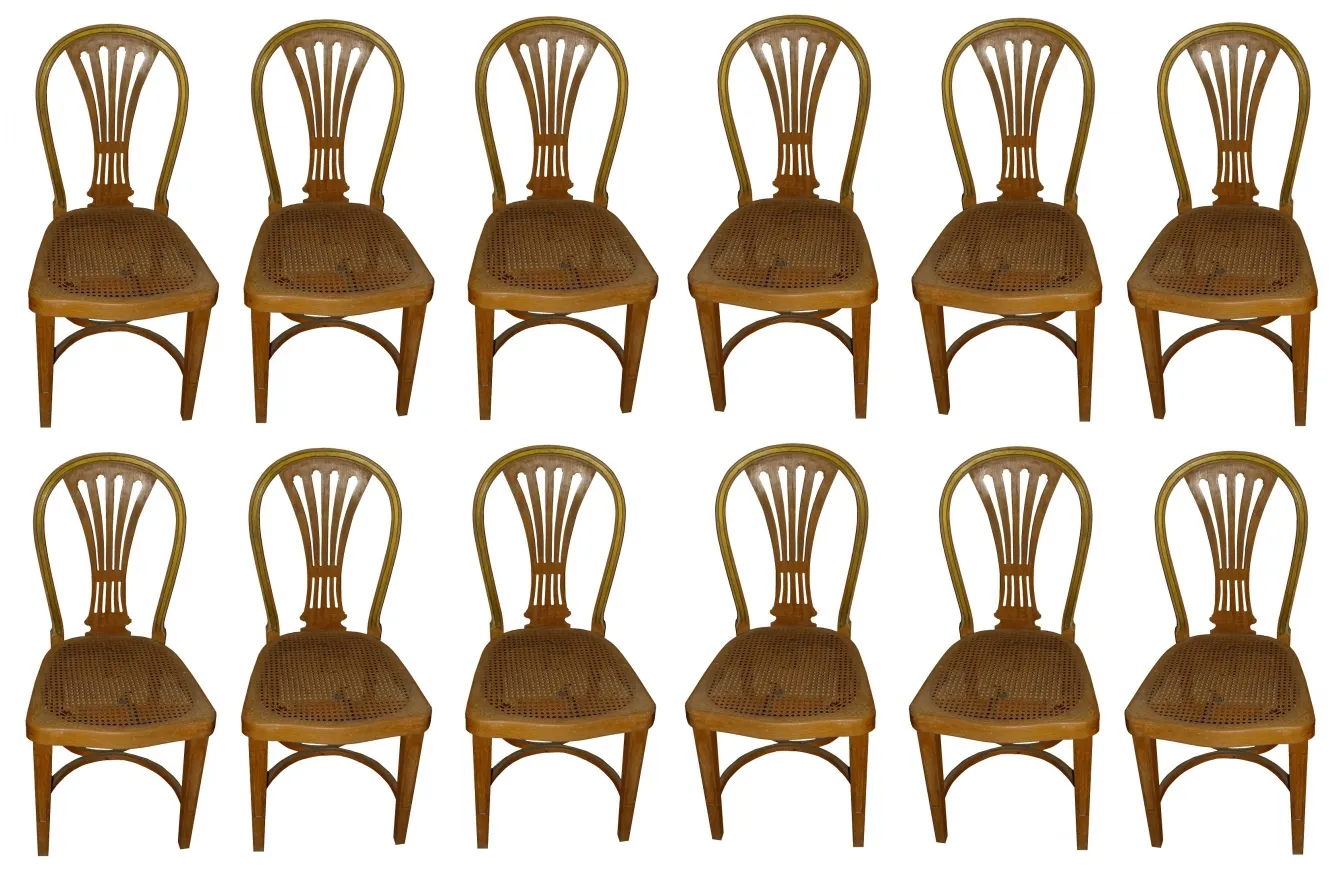
Starting in the 1870s, he produced works in glass and, to a lesser extent, designed furniture and ceramics.
He was highly acclaimed at the major Paris exhibitions. By then, he already had his own factory.
The works they produced were sold at Samuel Bing's L'Art Nouveau, and in the year he died, he had opened a shop in London.



 Share
Share