Delphin Massier was born in 1836 and was a renowned French ceramicist who played a significant role in the revival of artistic ceramics in Vallauris.
His father, Jacques Massier, and his brothers, Clément and Jérôme, were also potters.
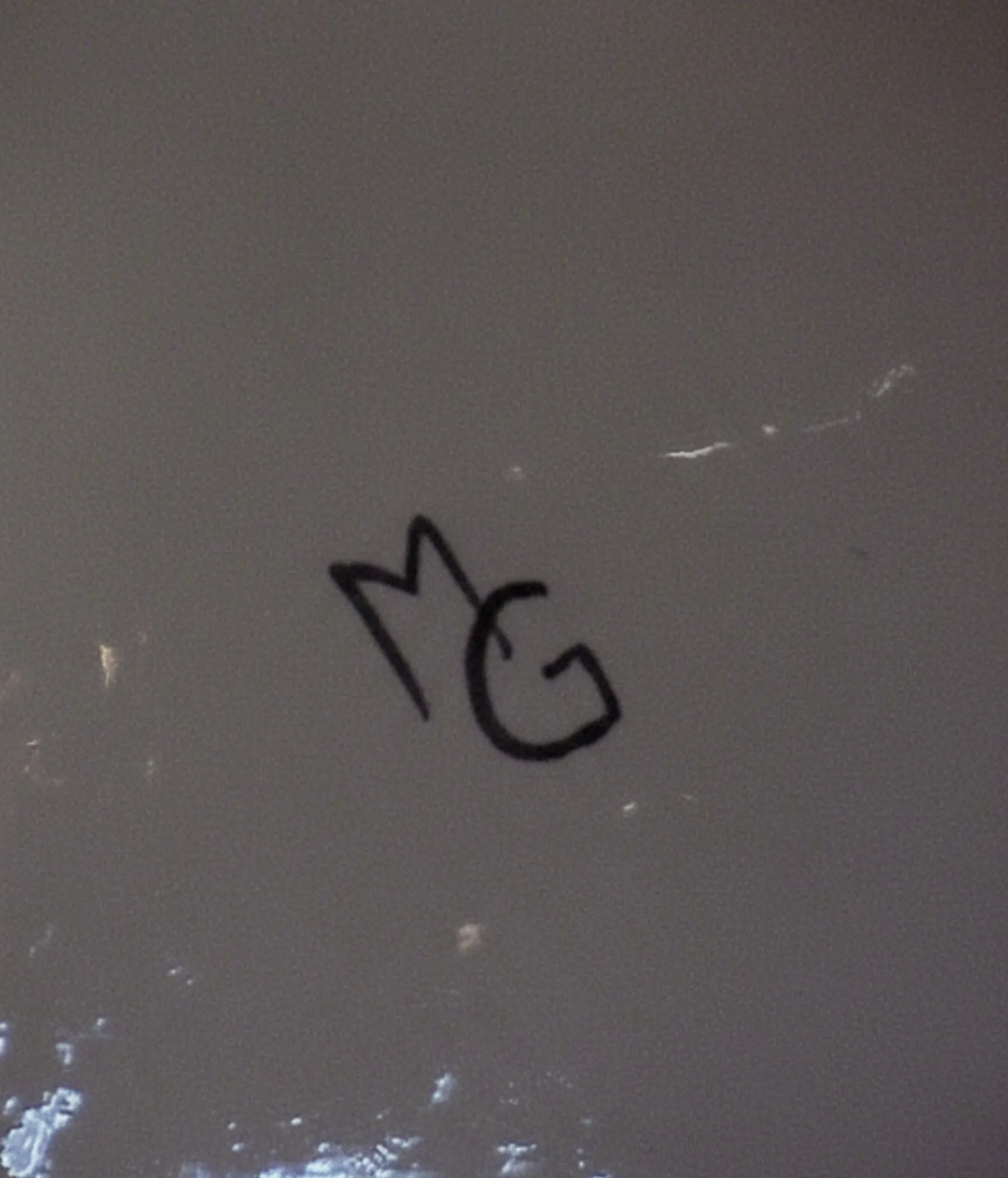
Delphin Massier established his own pottery workshop outside Vallauris in 1883.
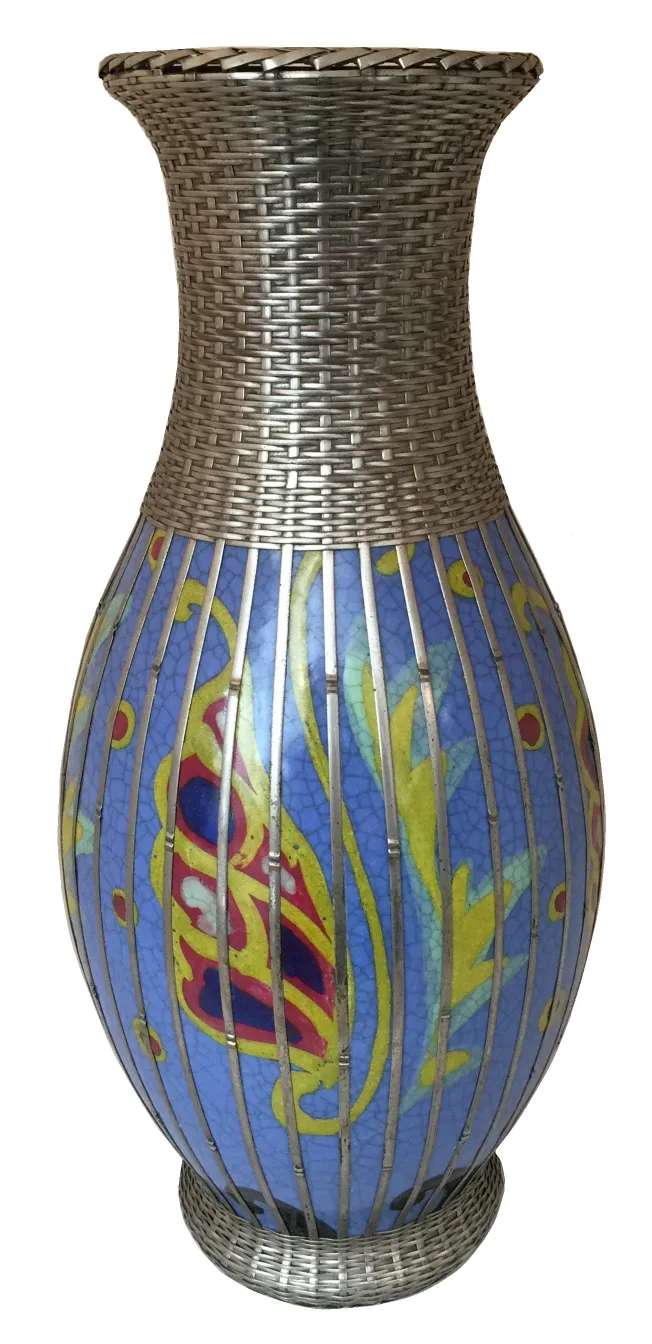
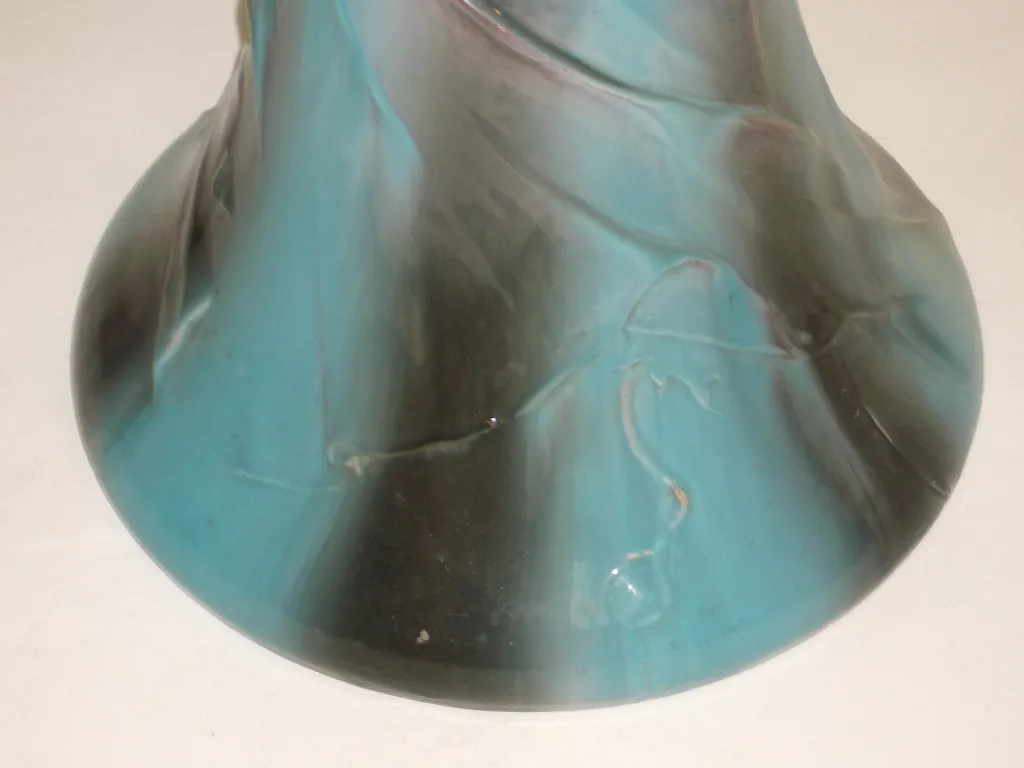
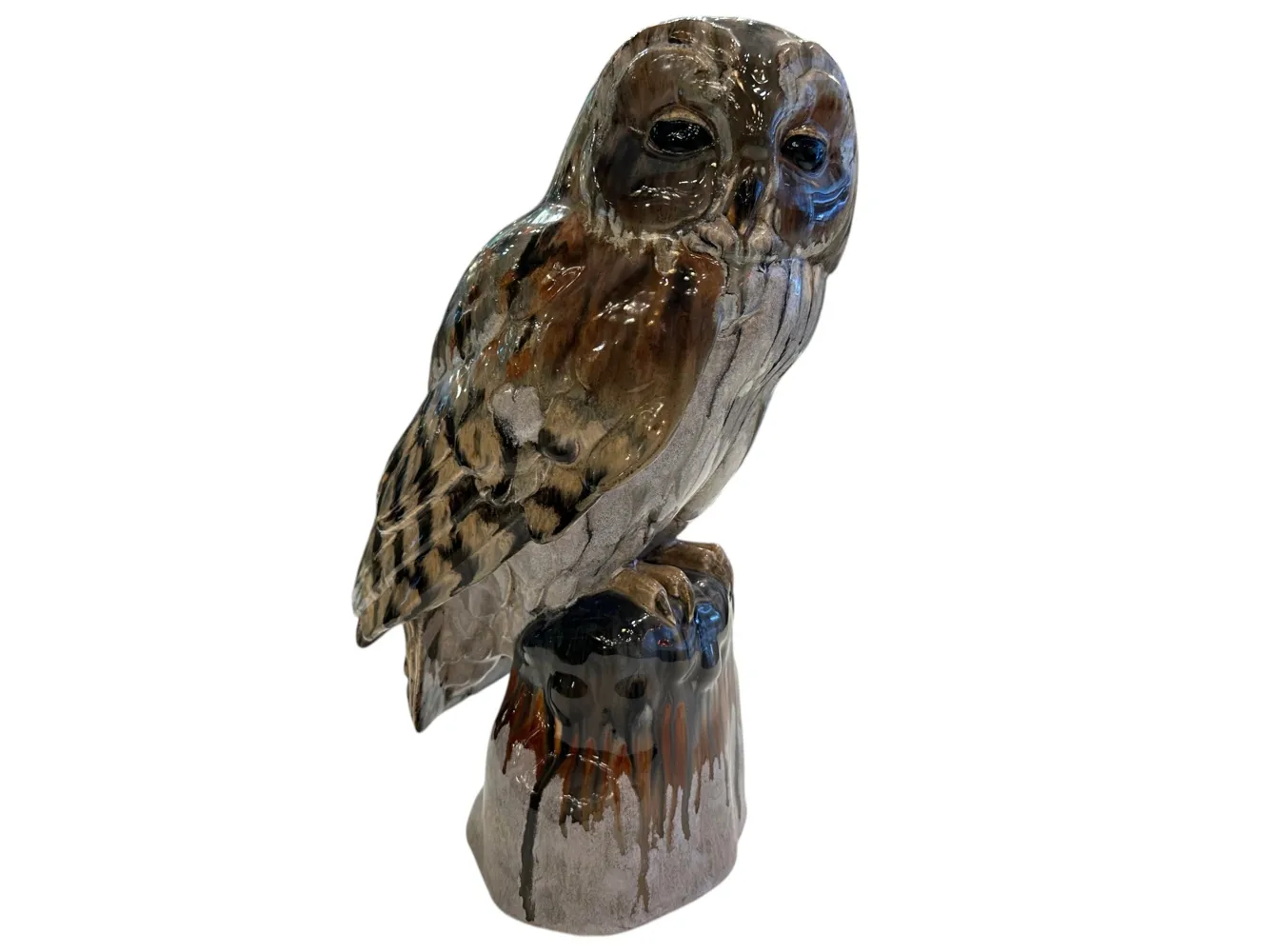
He specialized in polychrome enameled earthenware (faience) intended for both domestic and garden use.
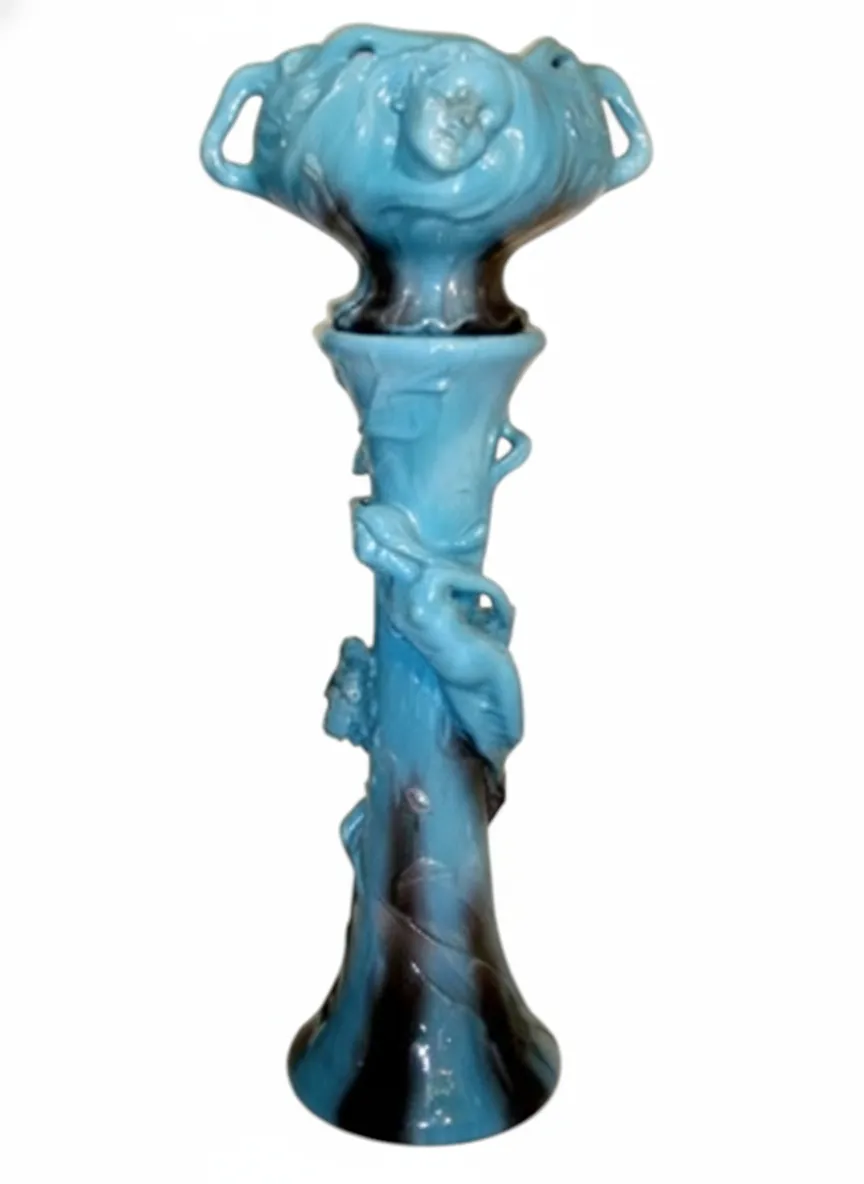
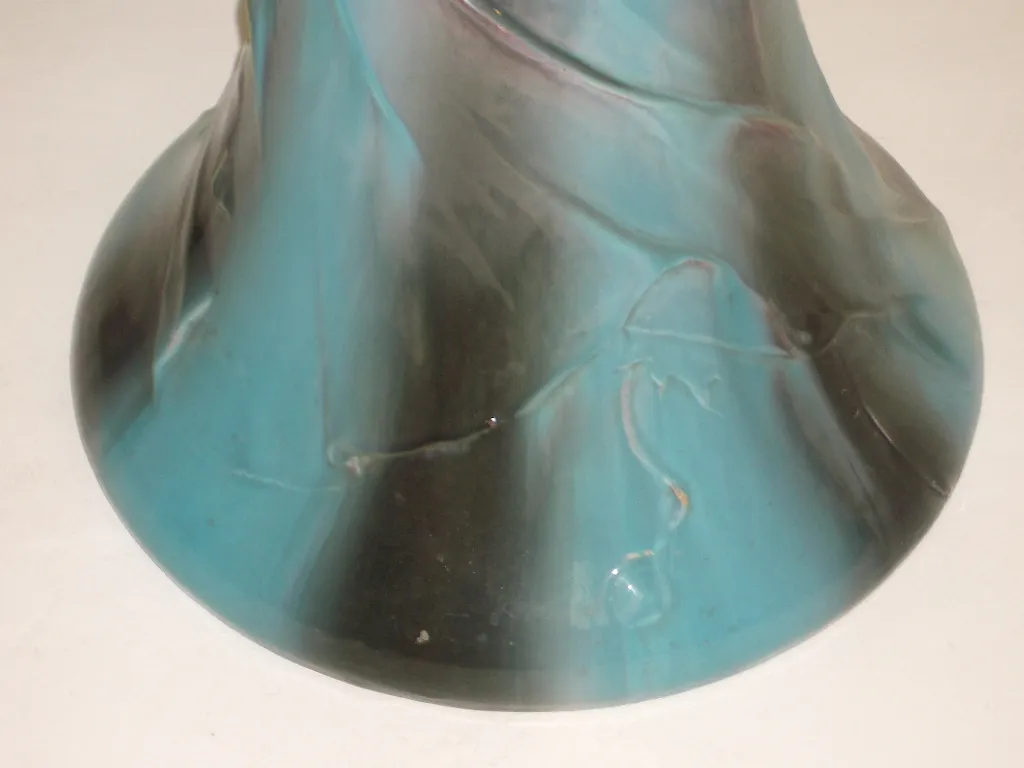
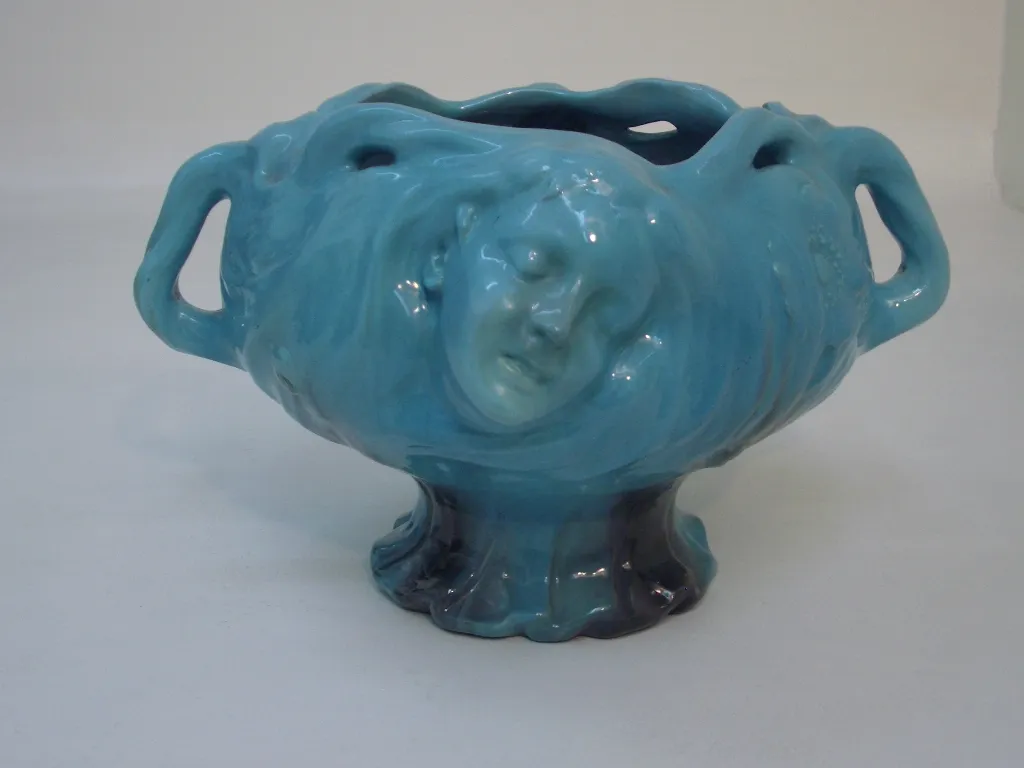
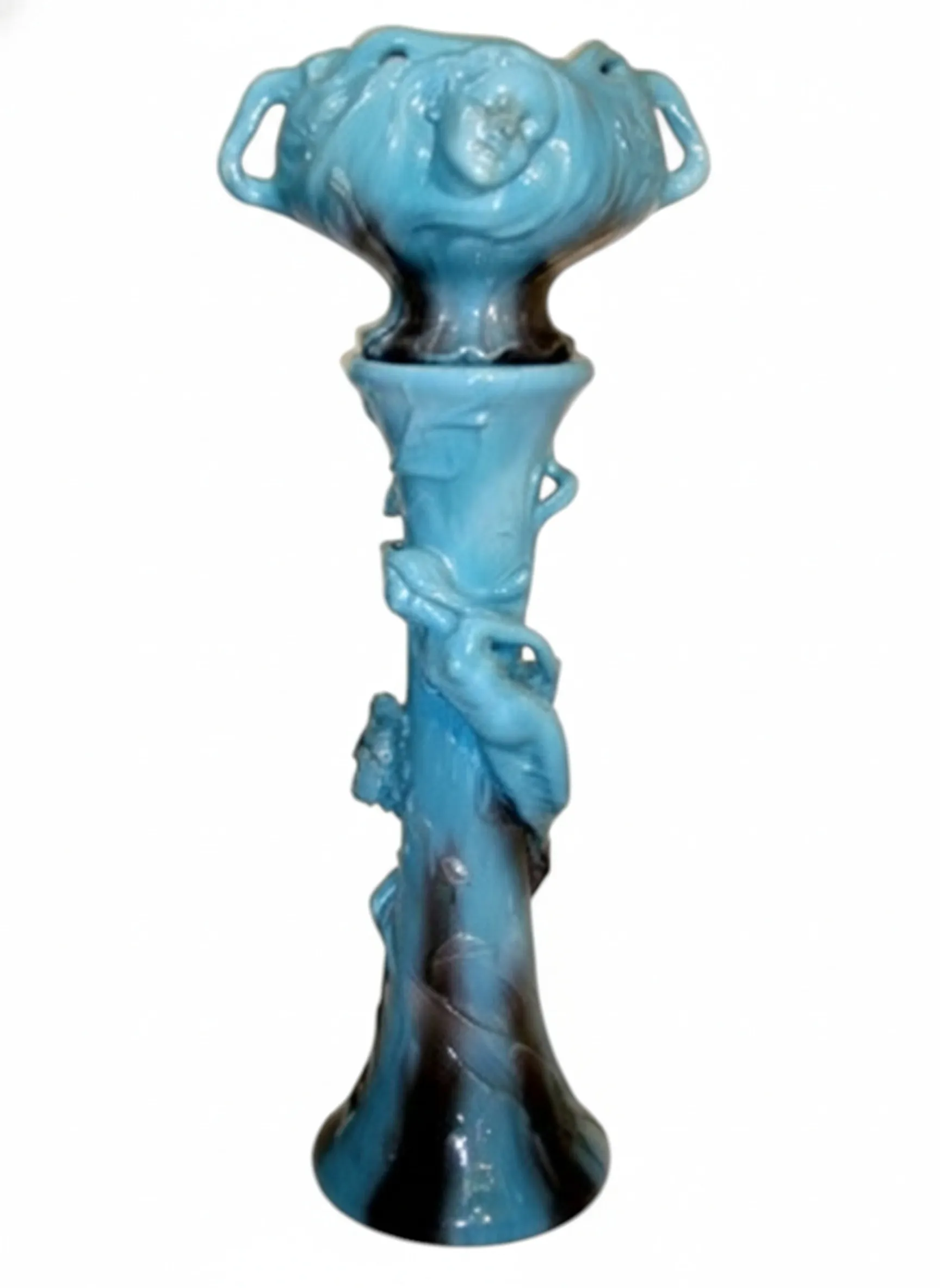
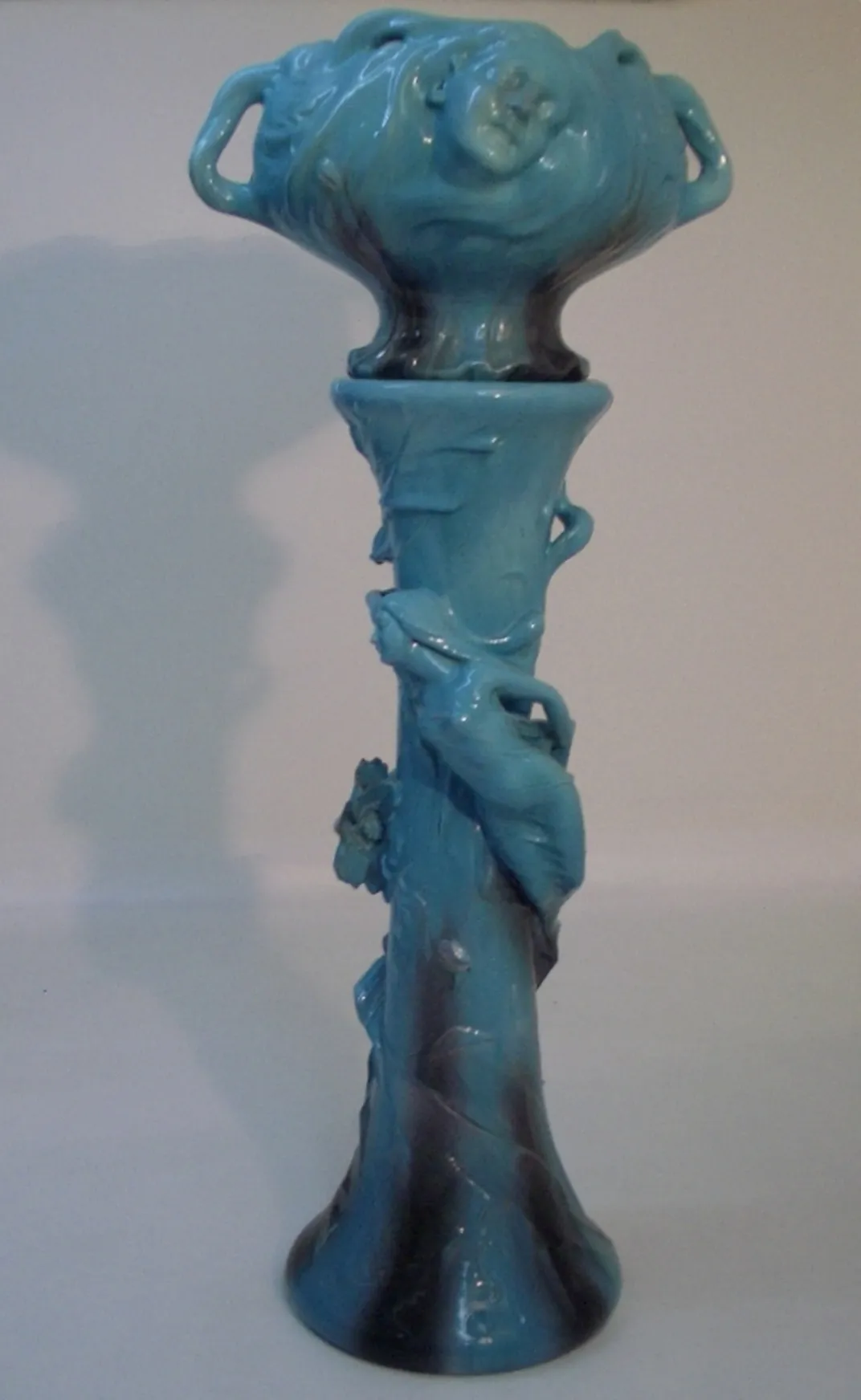
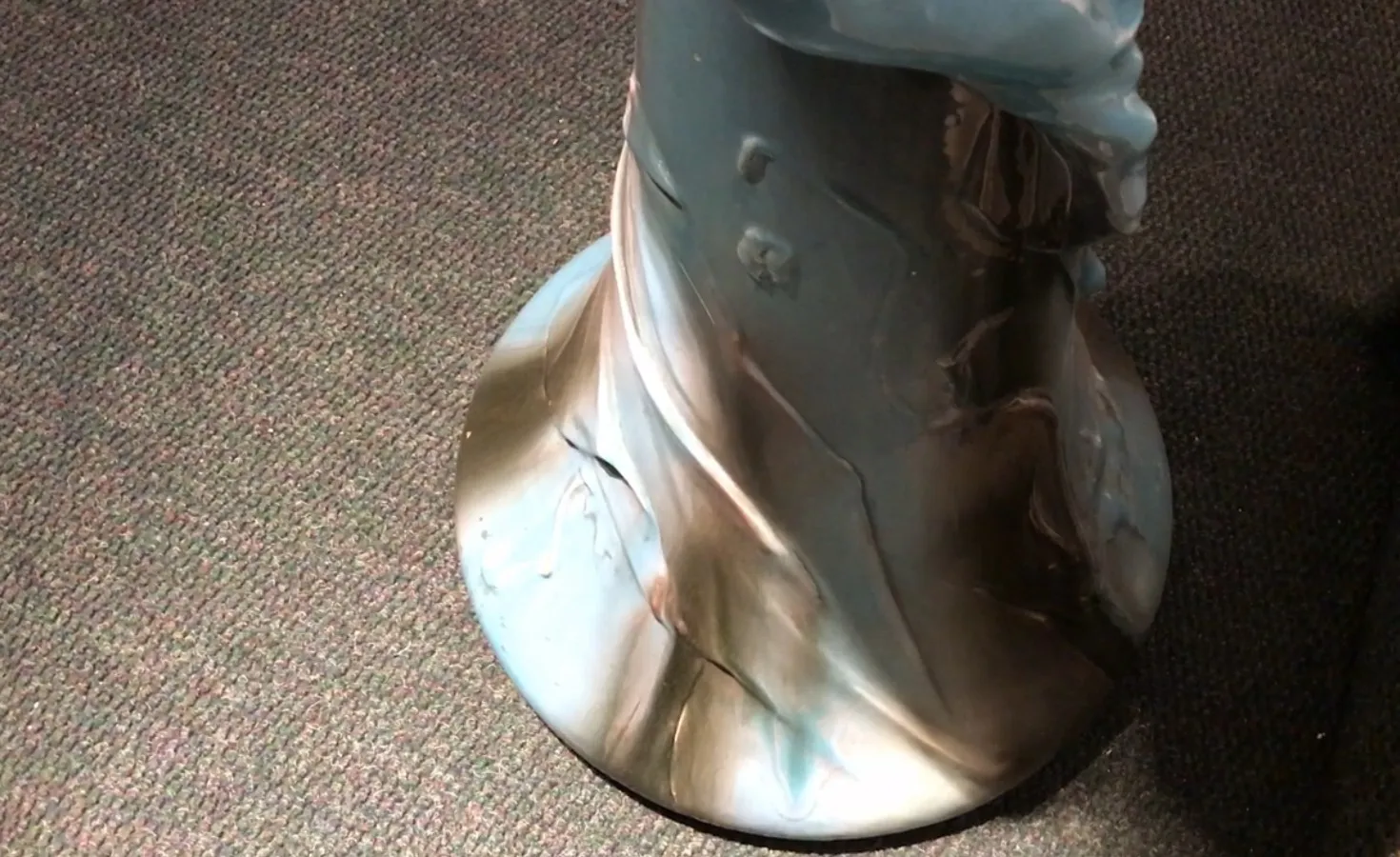
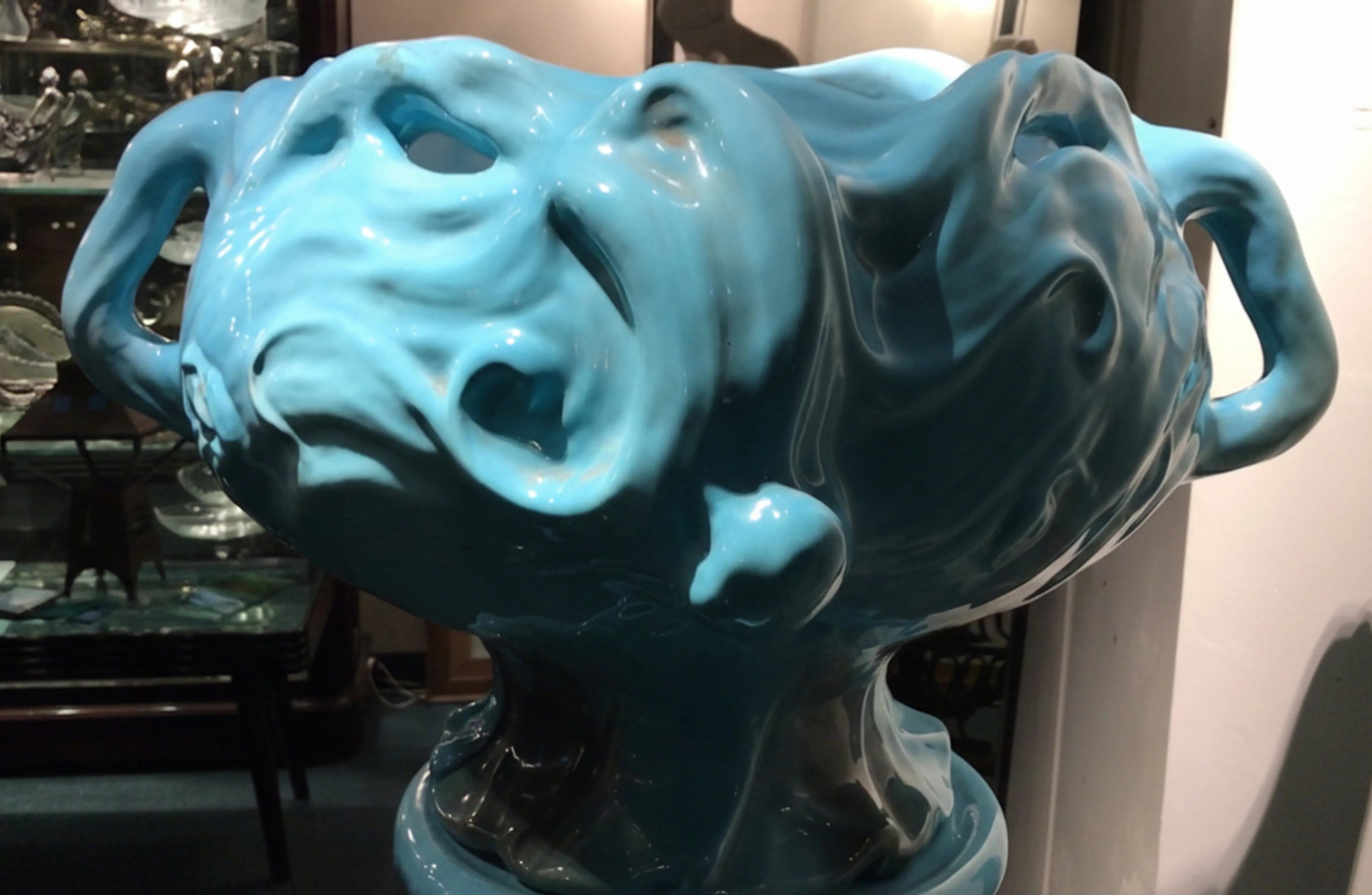
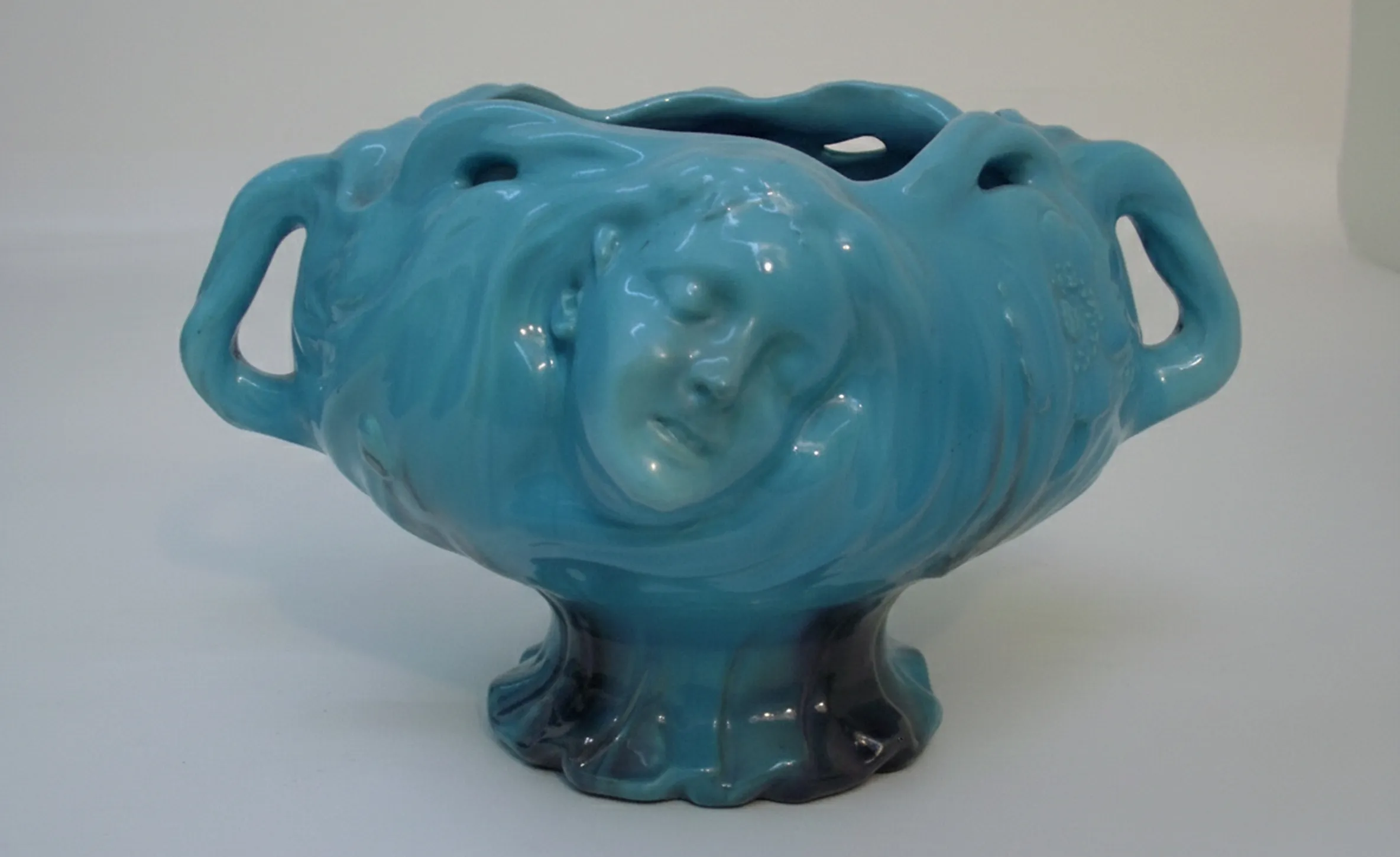
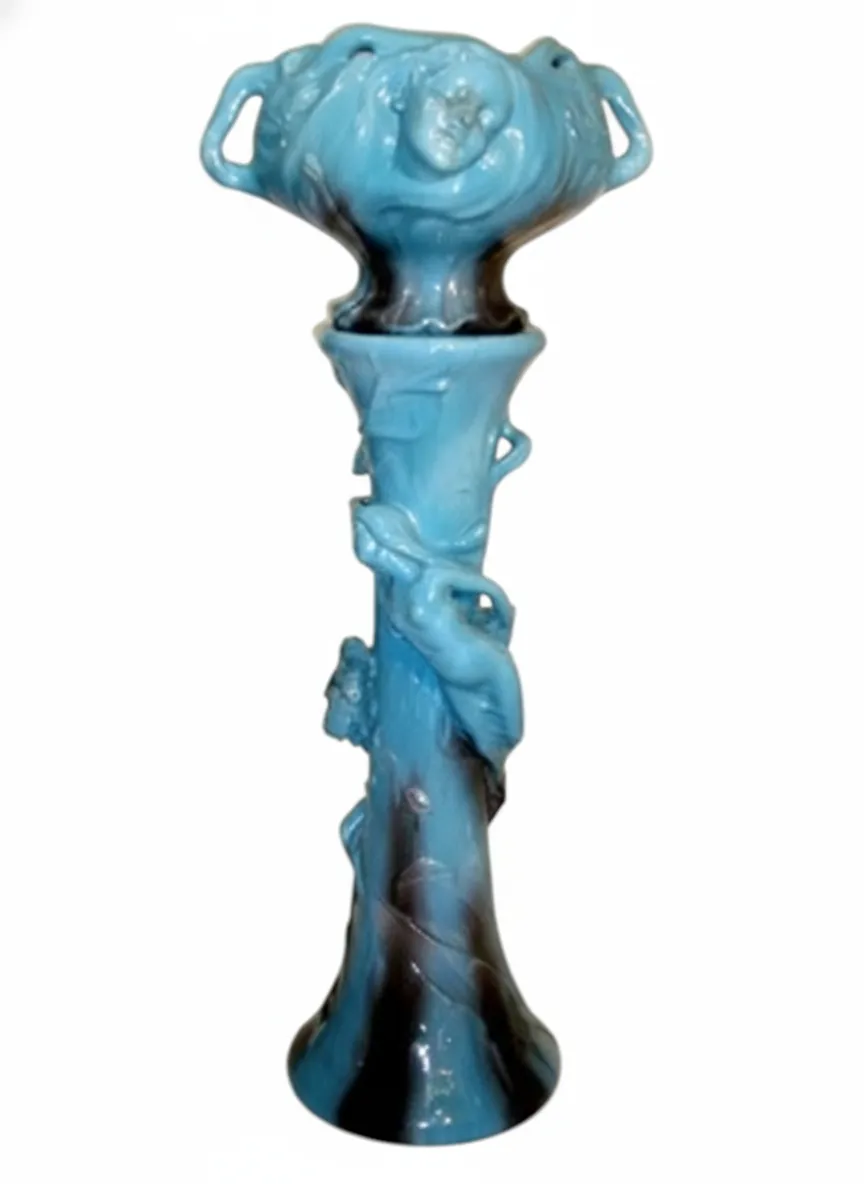
During the Art Nouveau period, Delphin became a master of metallic luster glazing.
In 1887, he became the official supplier to the British Crown.
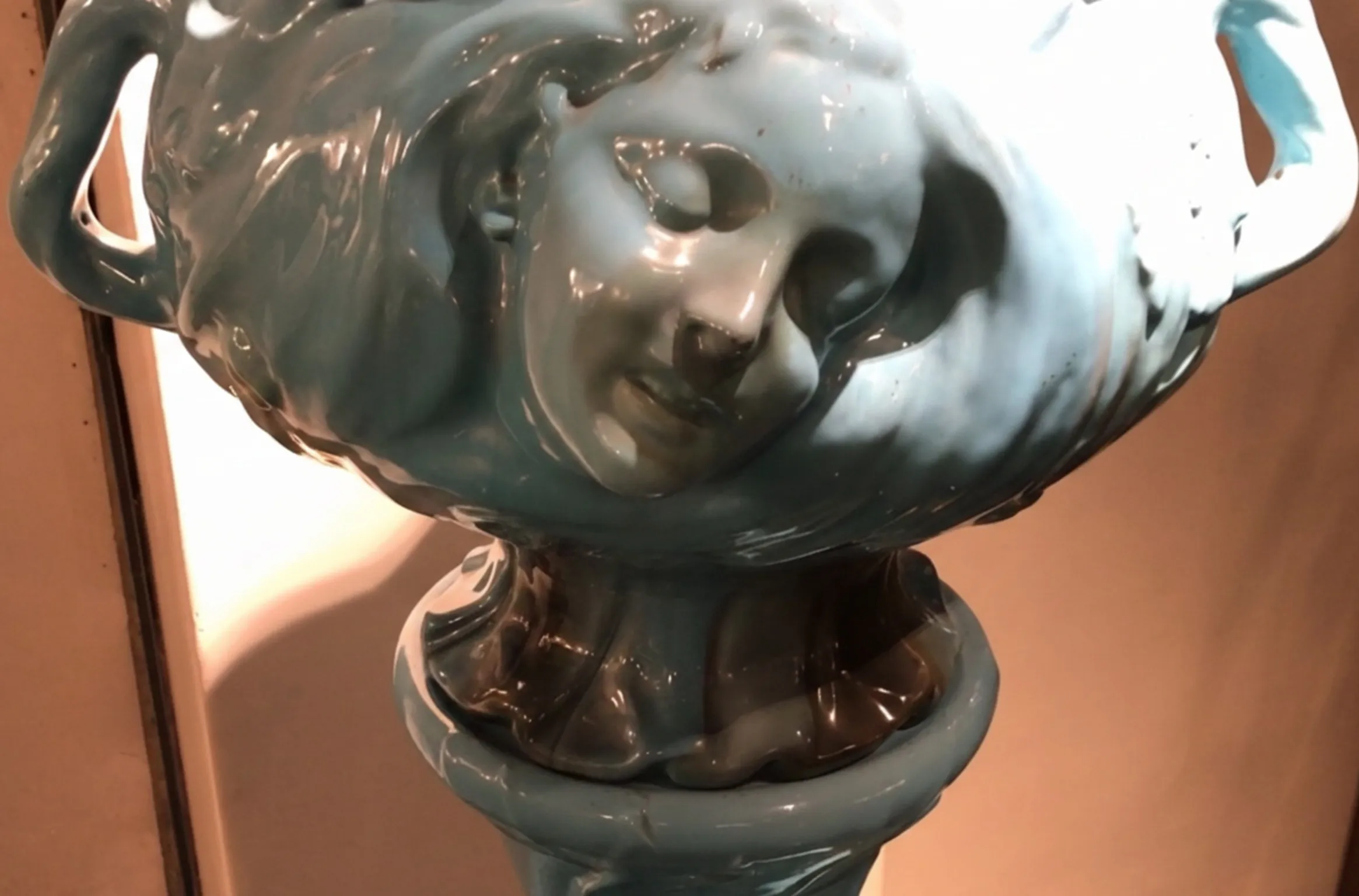
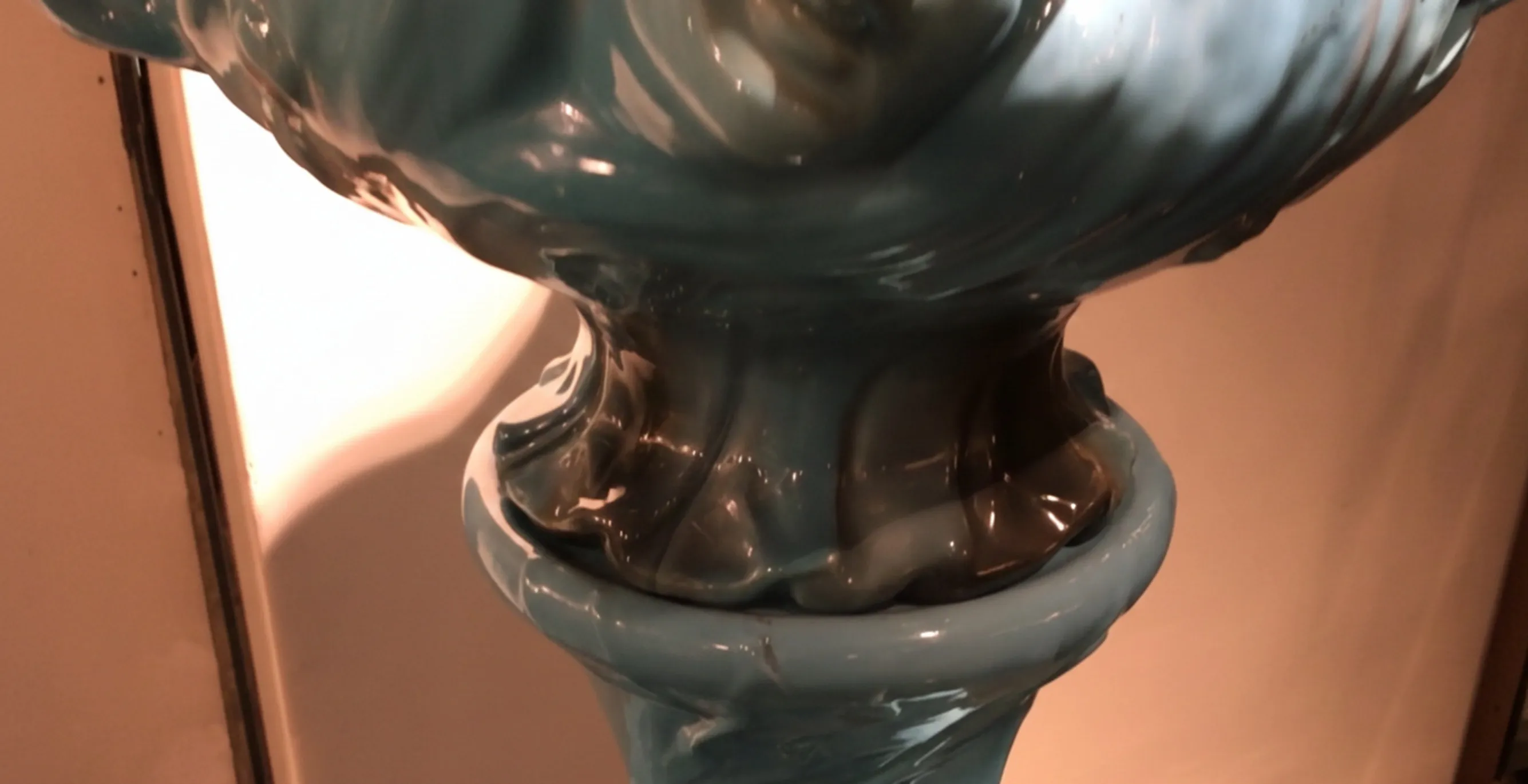
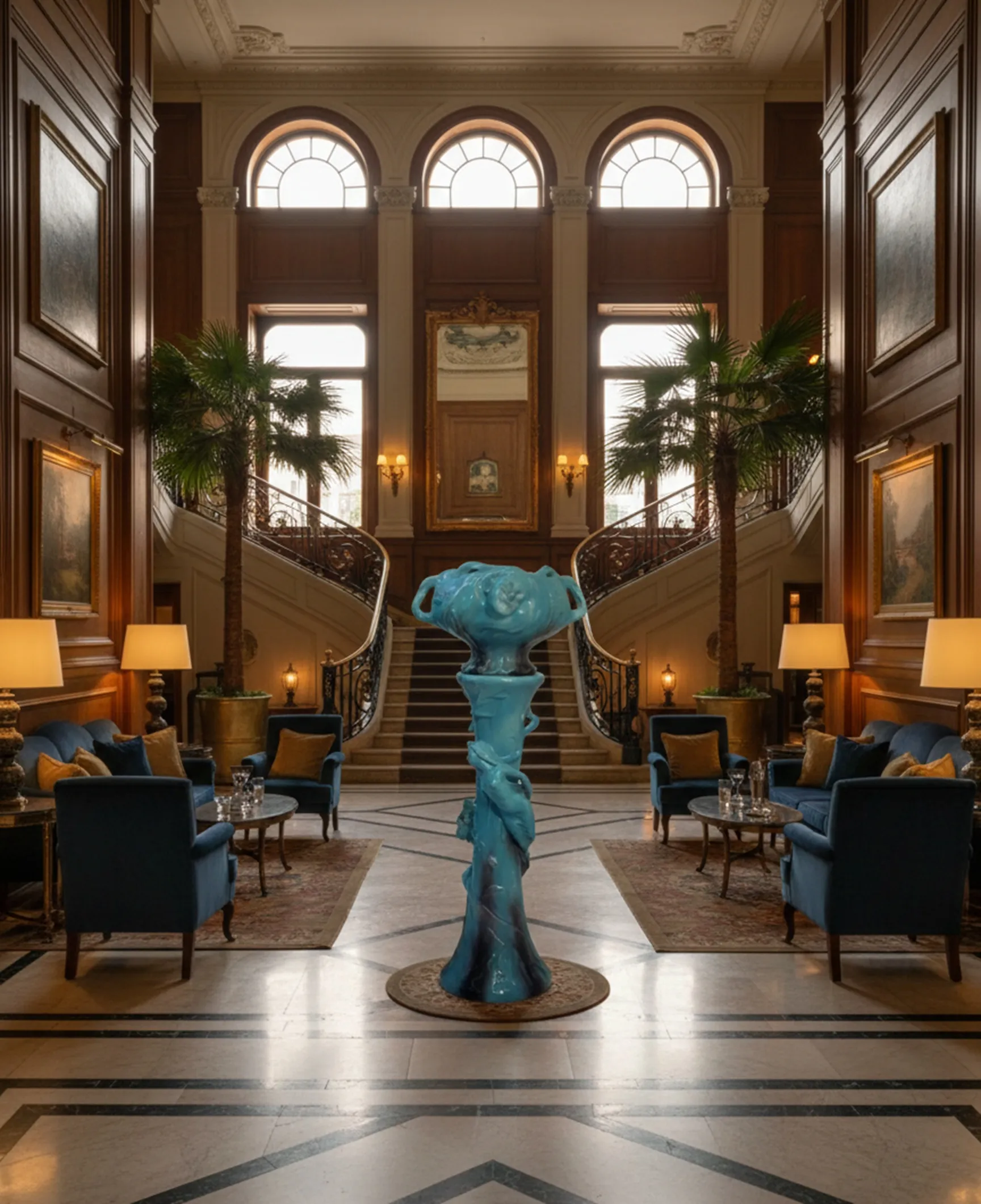
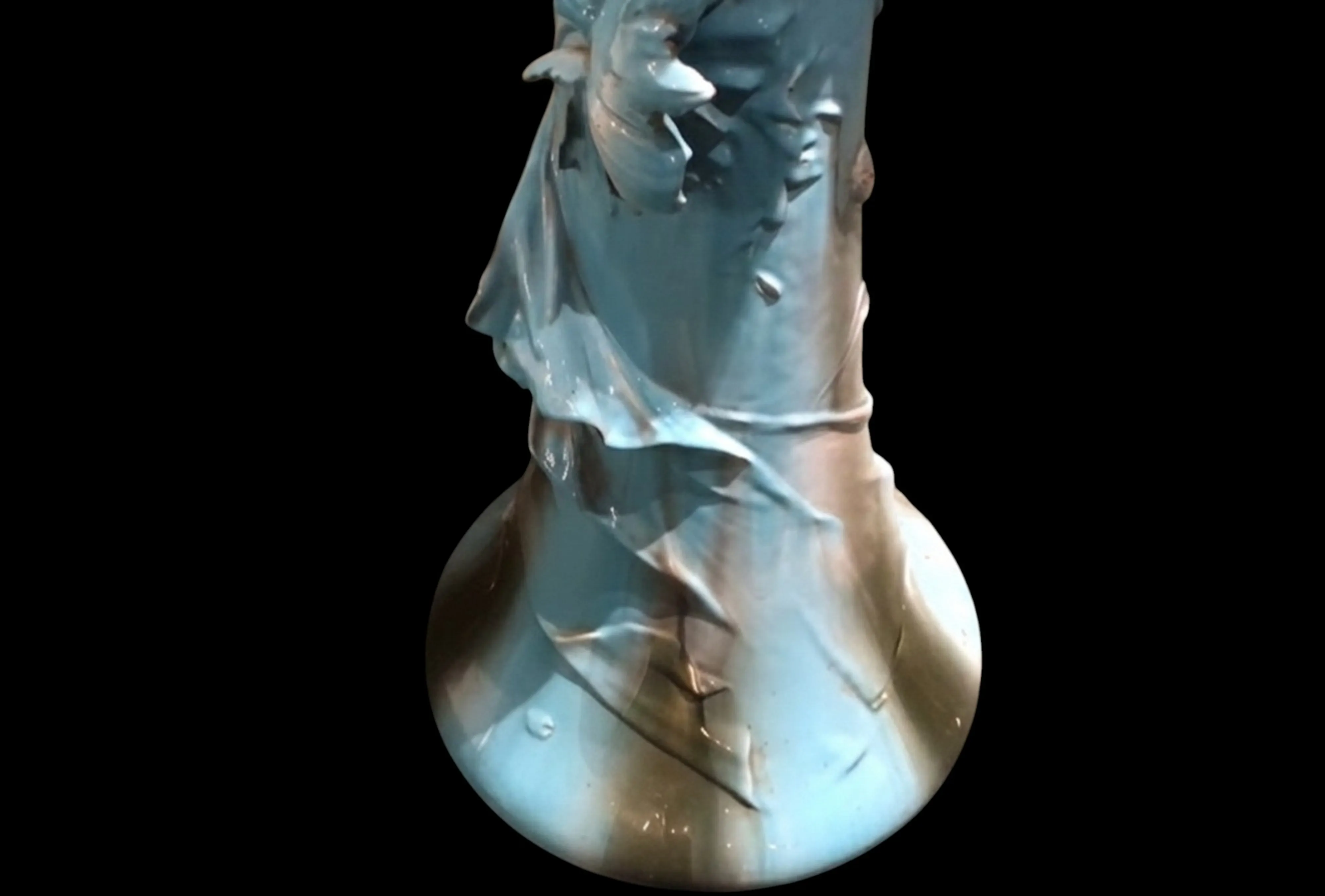
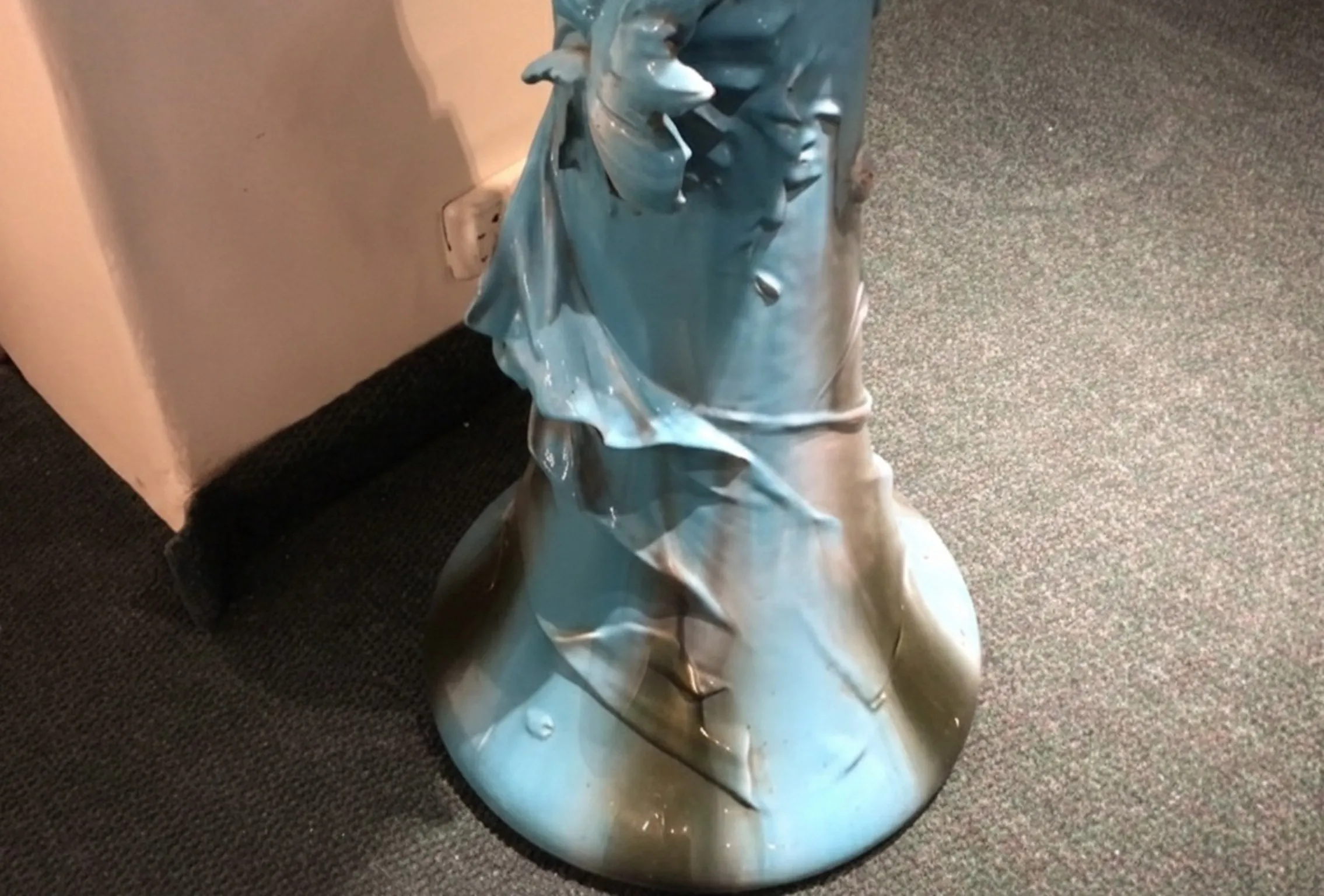
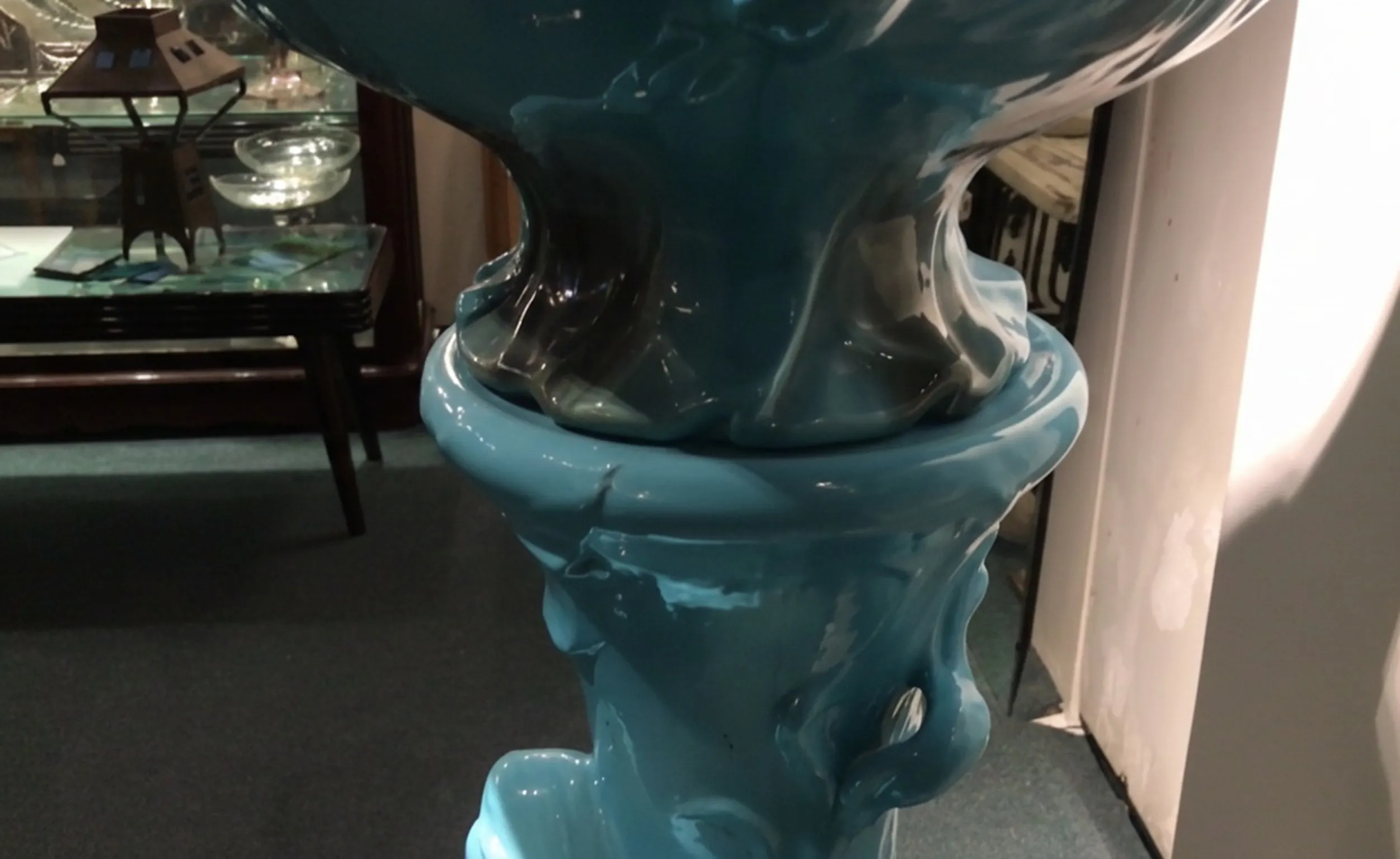
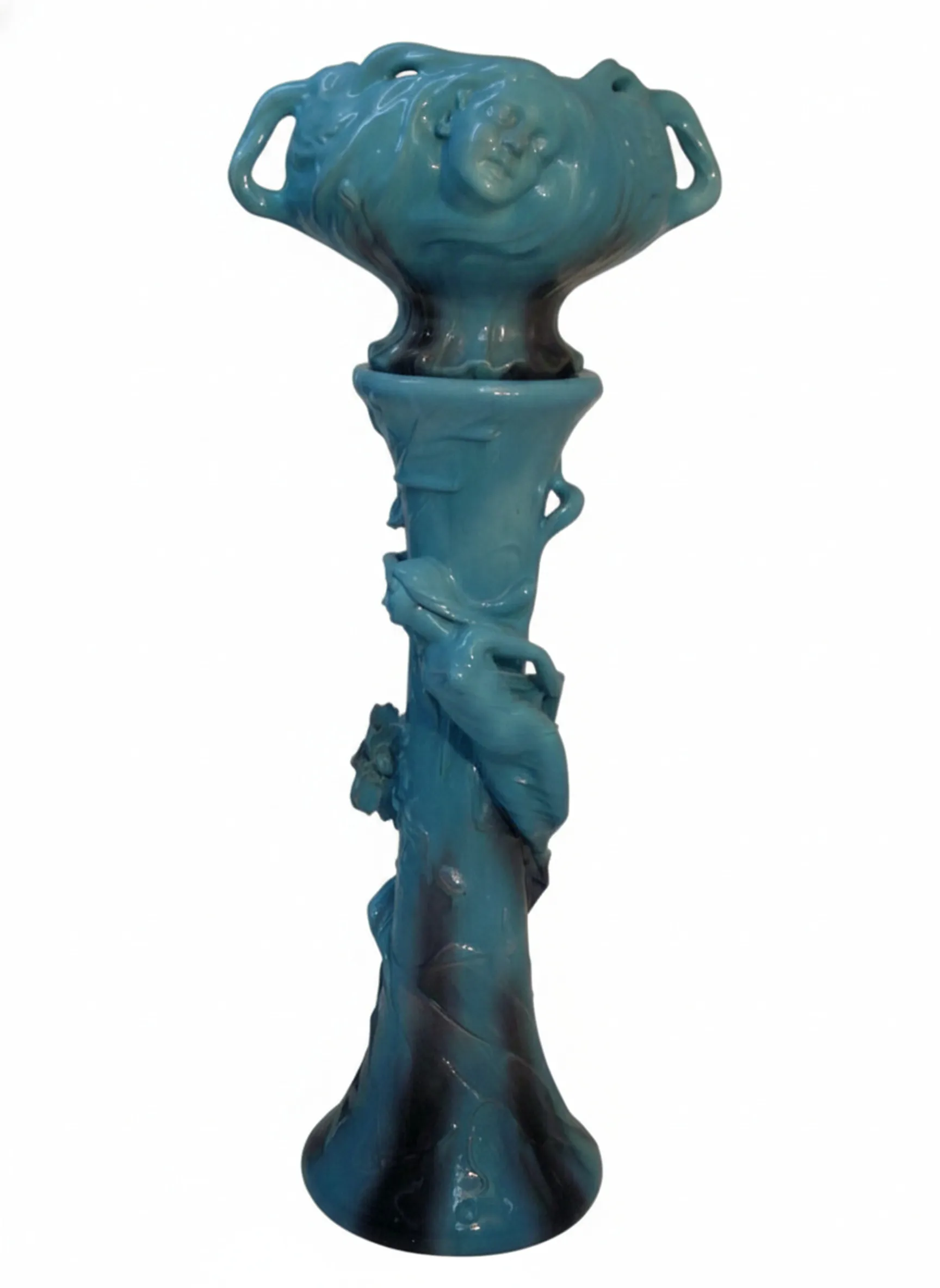
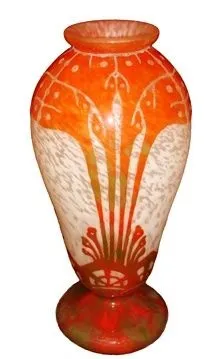
He created a wide range of pieces, including vases, jardinières, pitchers, tableware, and figural sculptures.
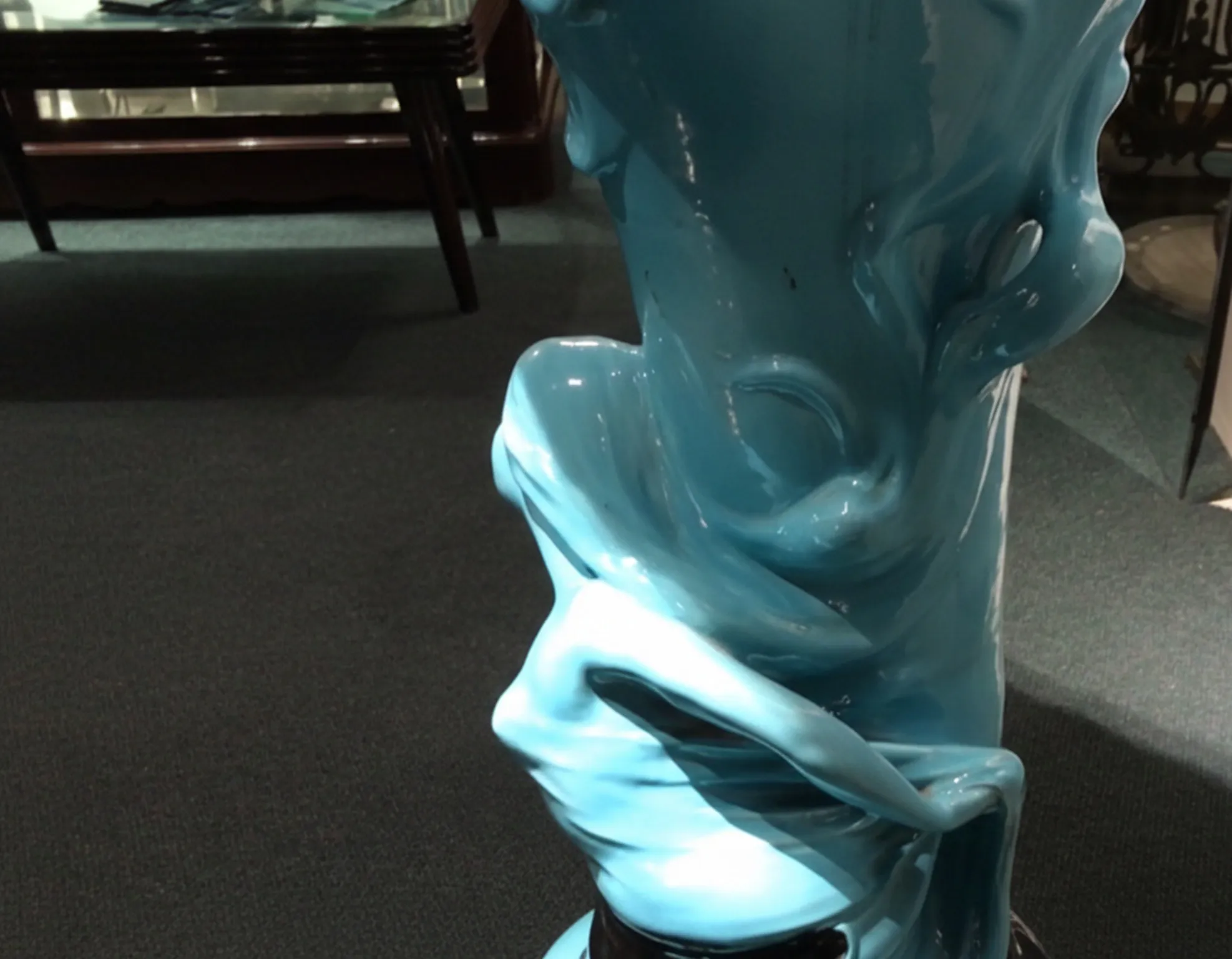
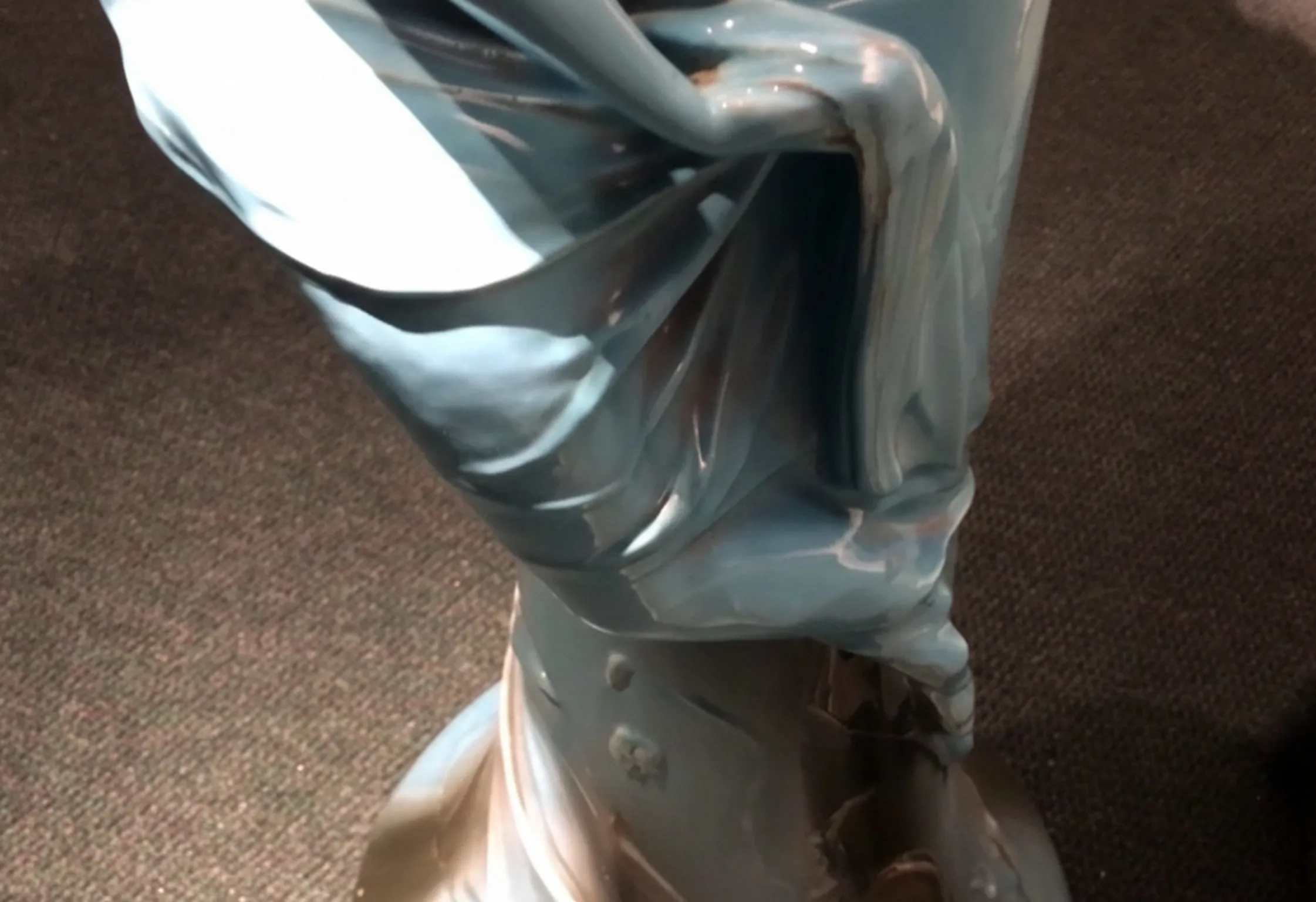
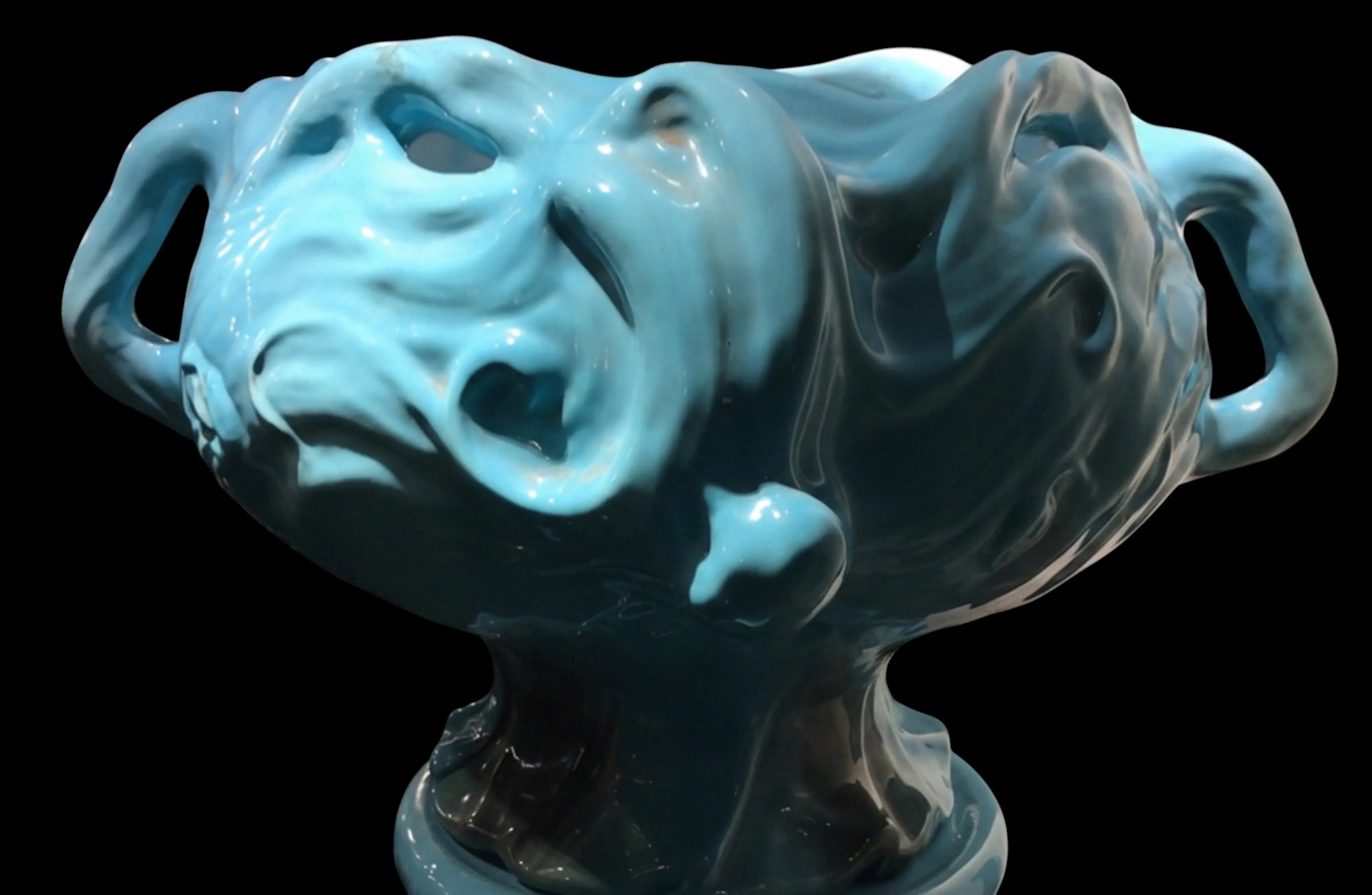
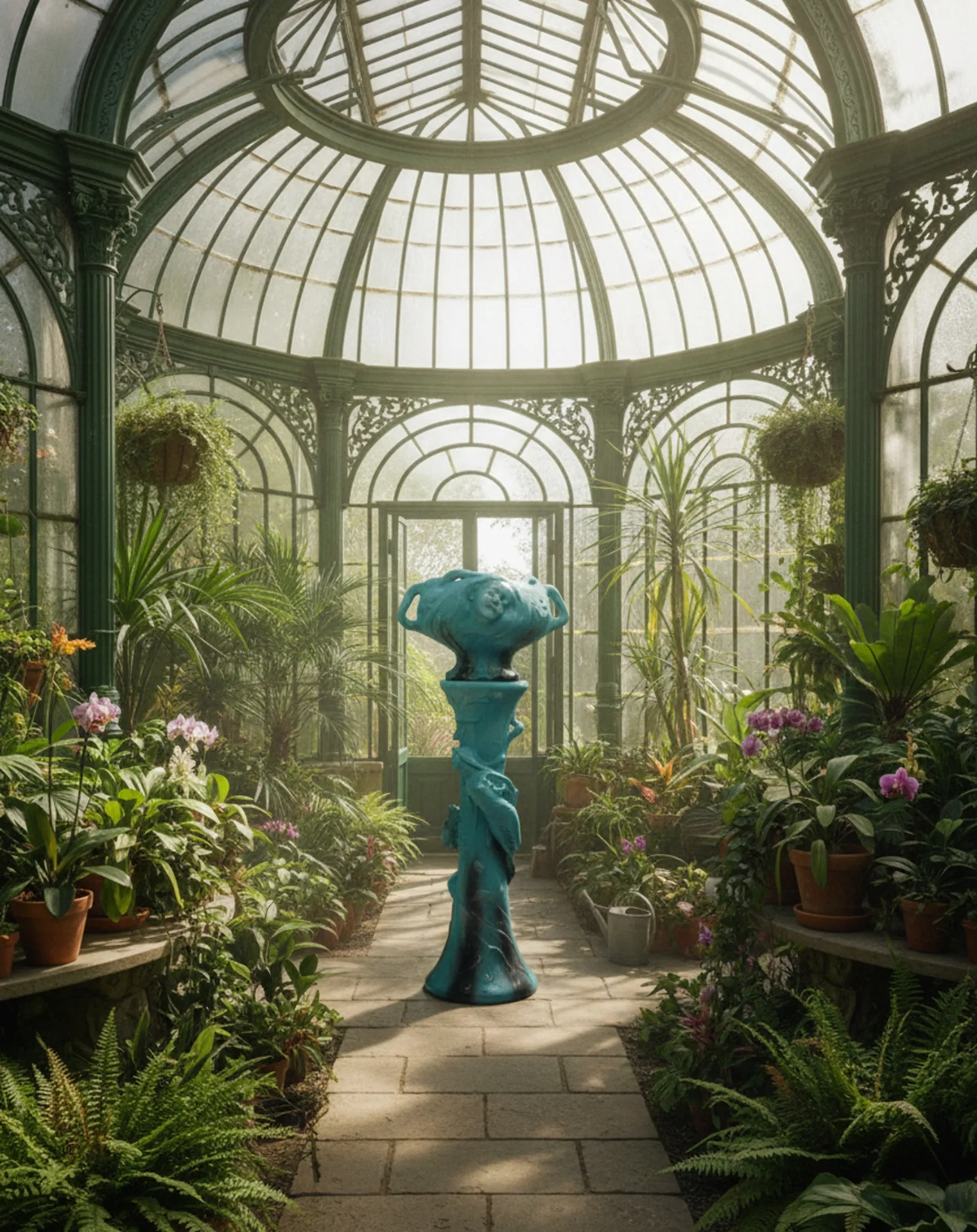
During the 1889 Universal Exposition, his turquoise-colored ceramics with metallic luster won a gold medal.
He opened sales outlets not only in his own region but also in Germany.
Today, his pieces are highly sought after by collectors worldwide and are recognized for their craftsmanship, artistic flair, and the beauty of their iridescent glazes.



 Share
Share





1785884771.webp)
1781837158.webp)
1785945602.webp)