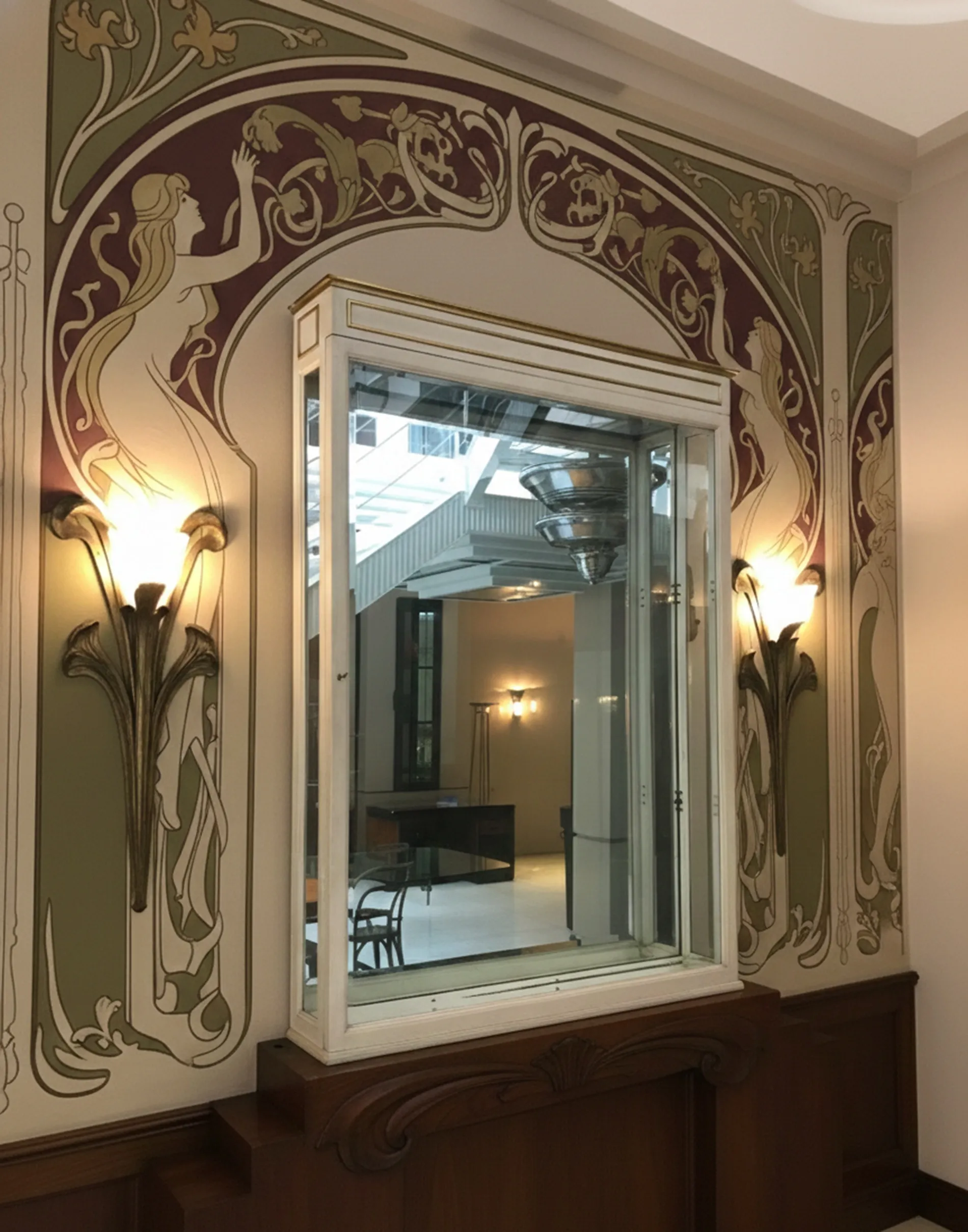
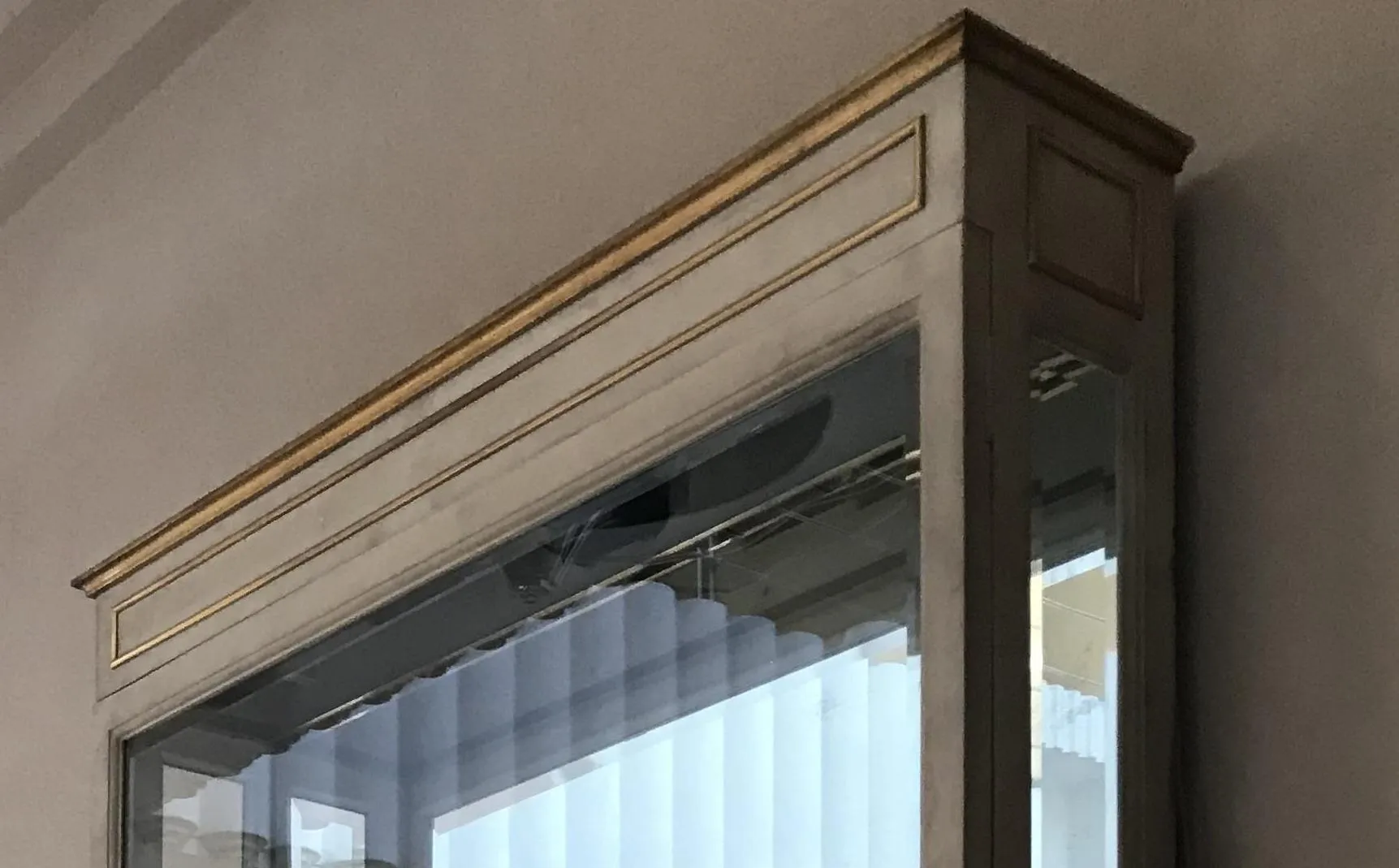
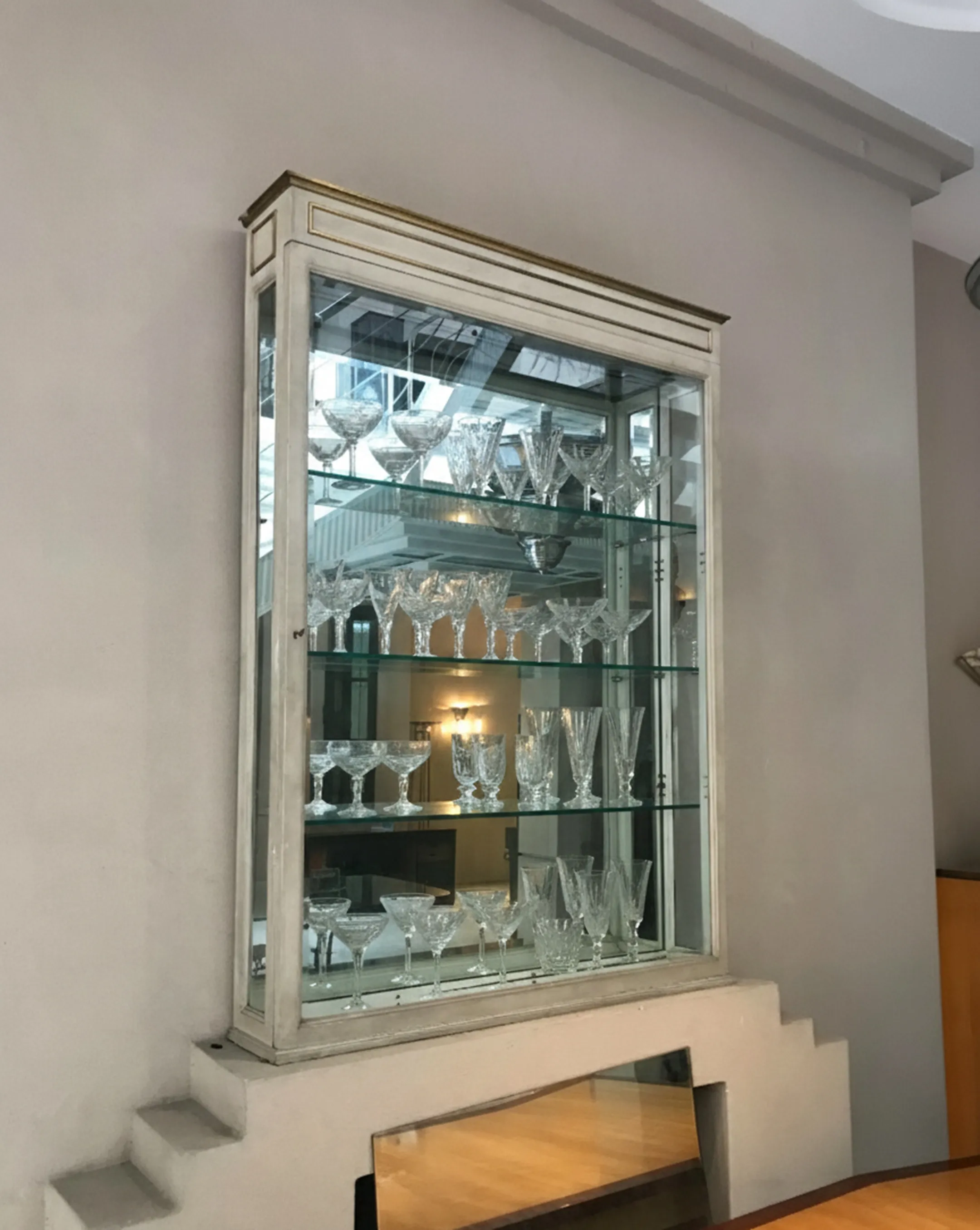
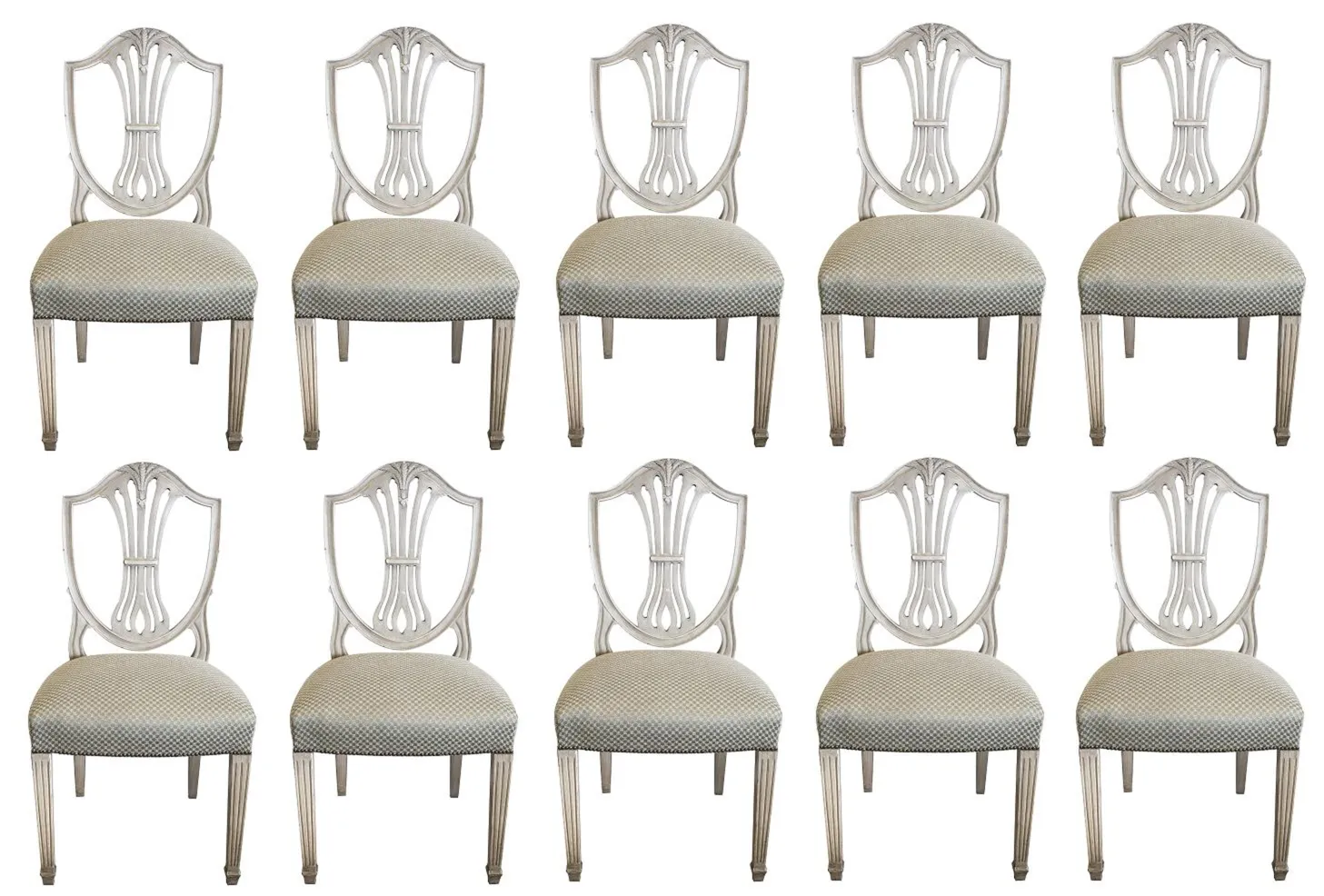
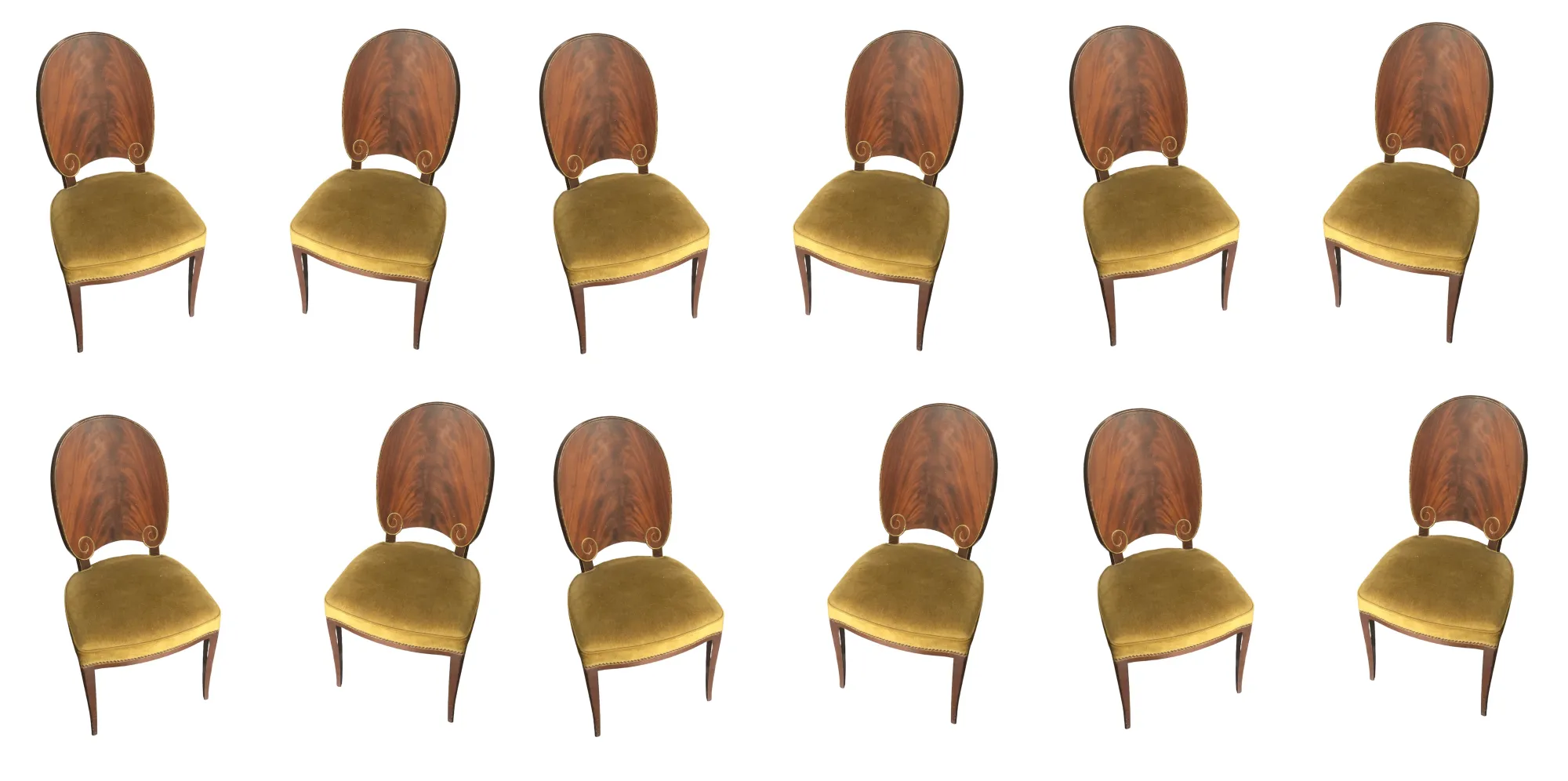
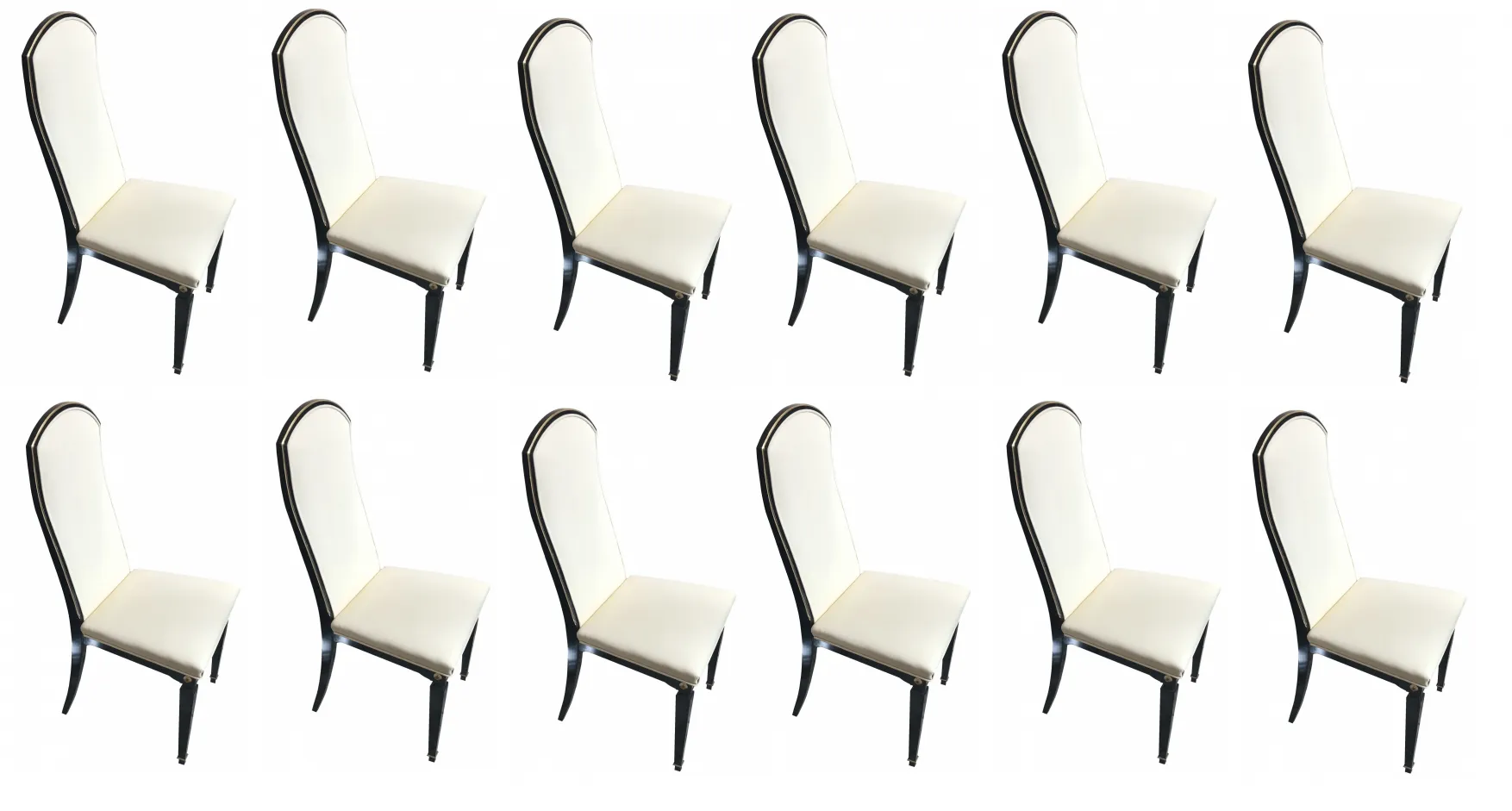
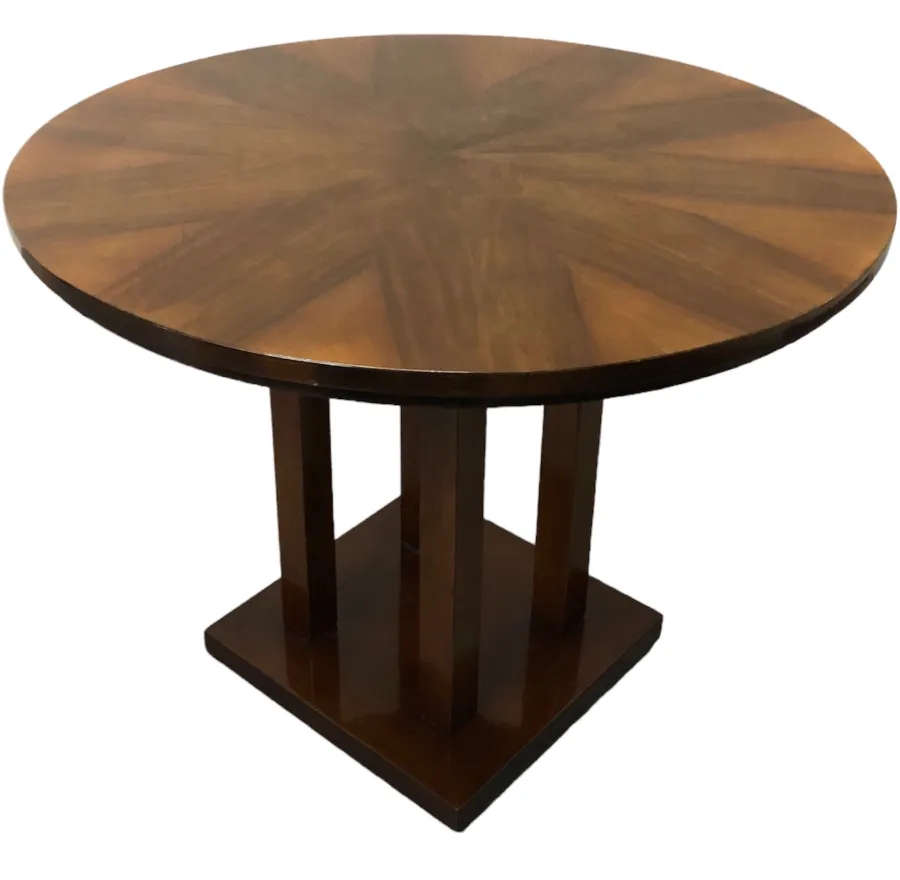
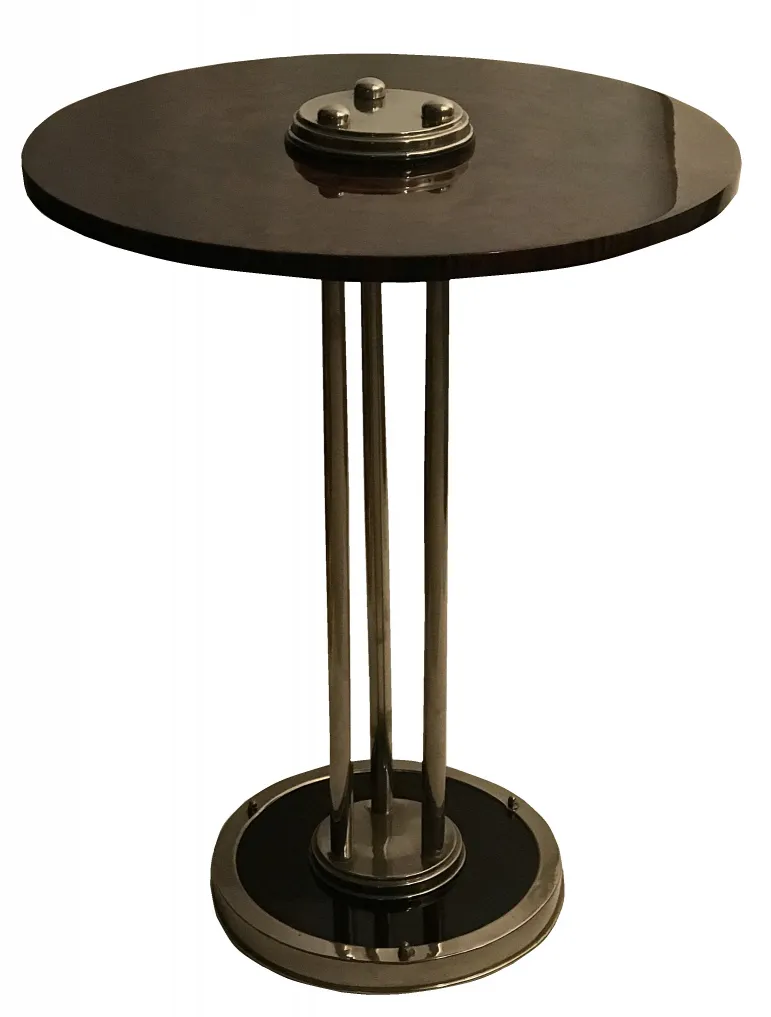
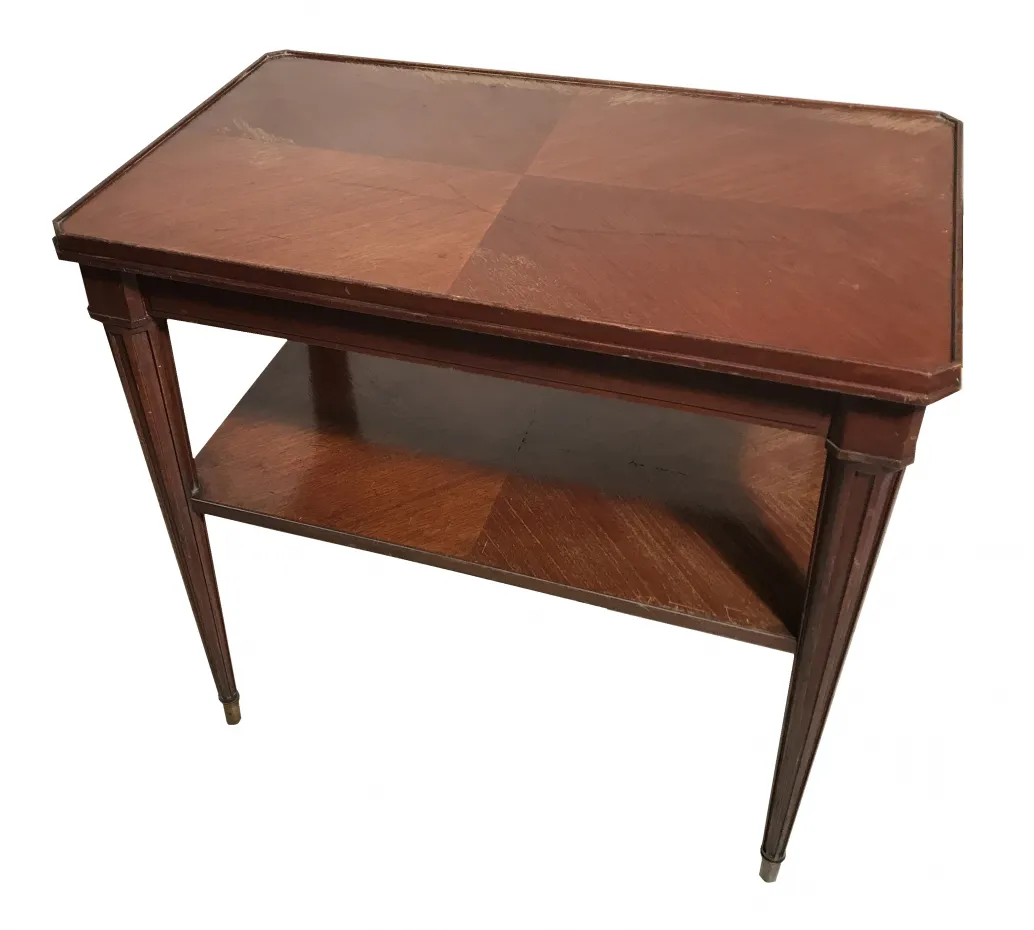
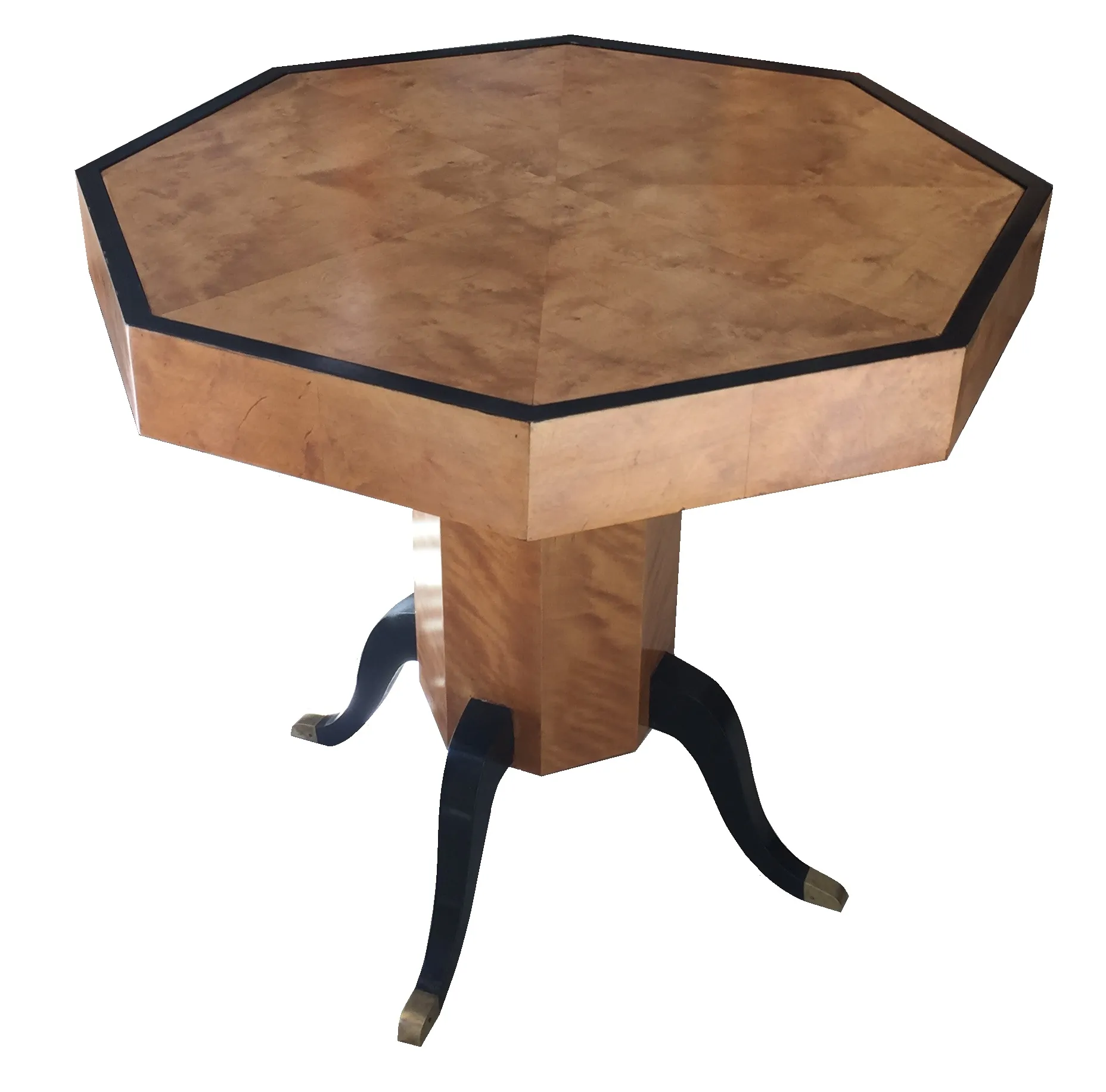
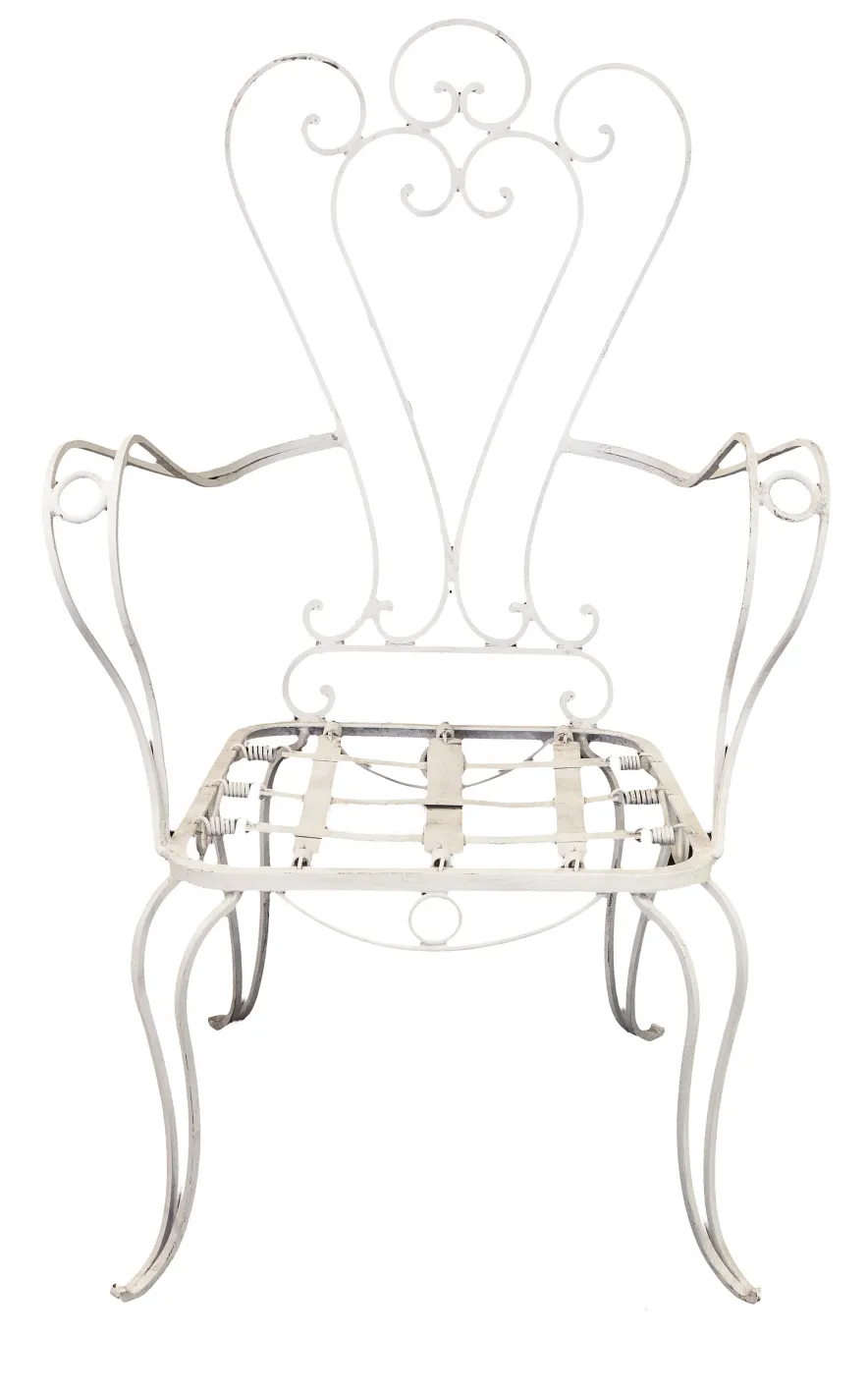
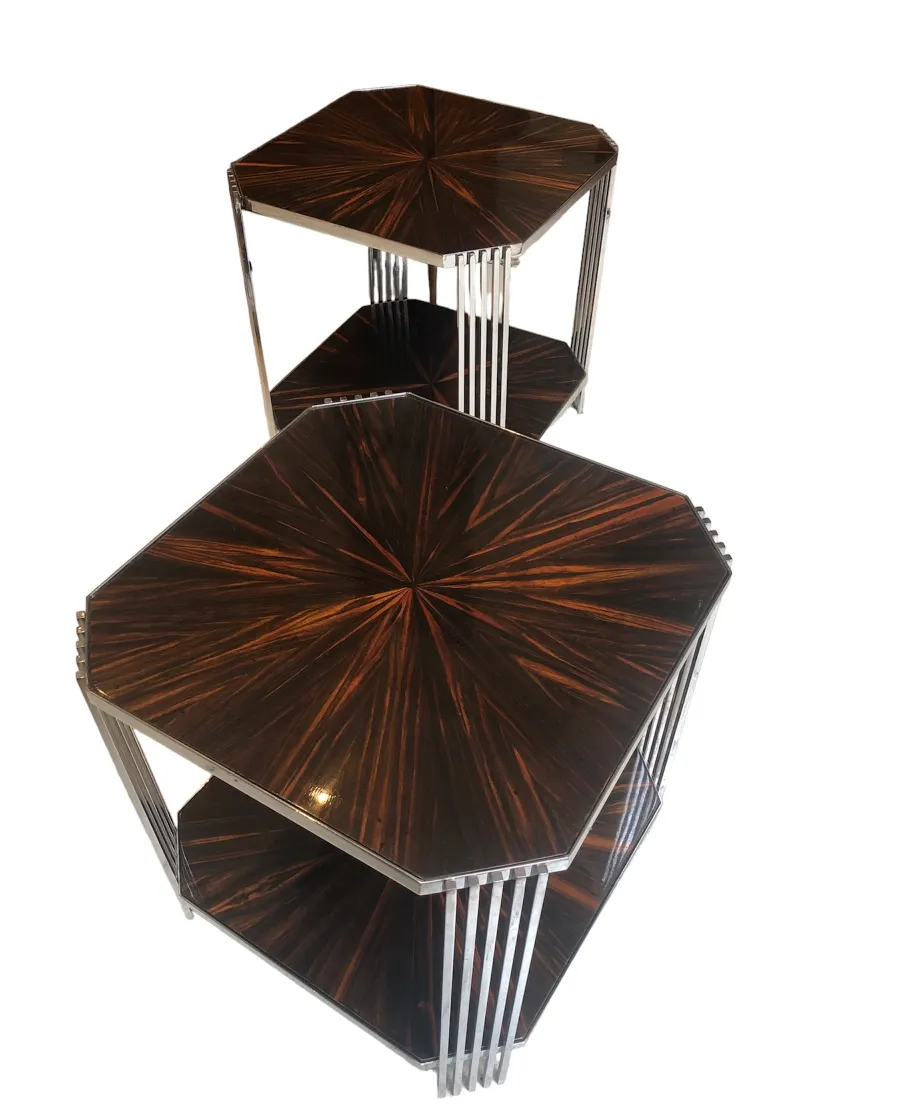
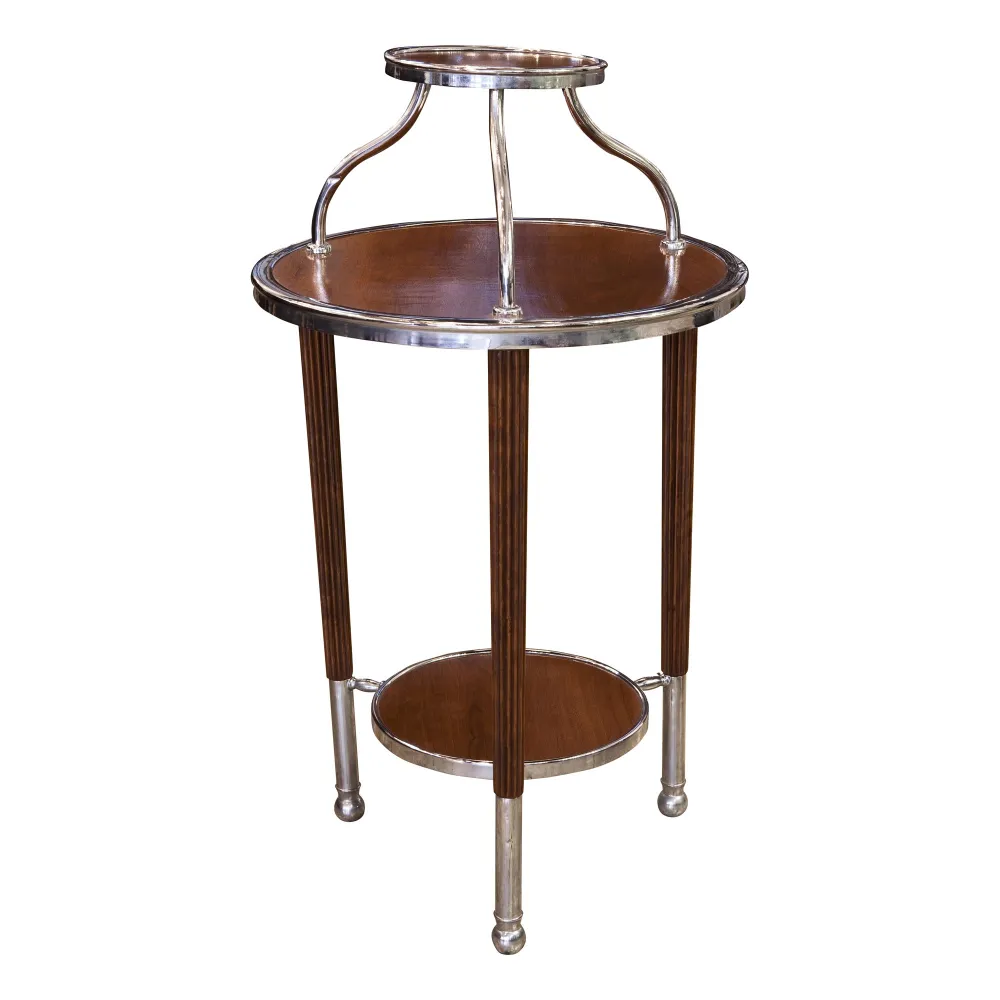
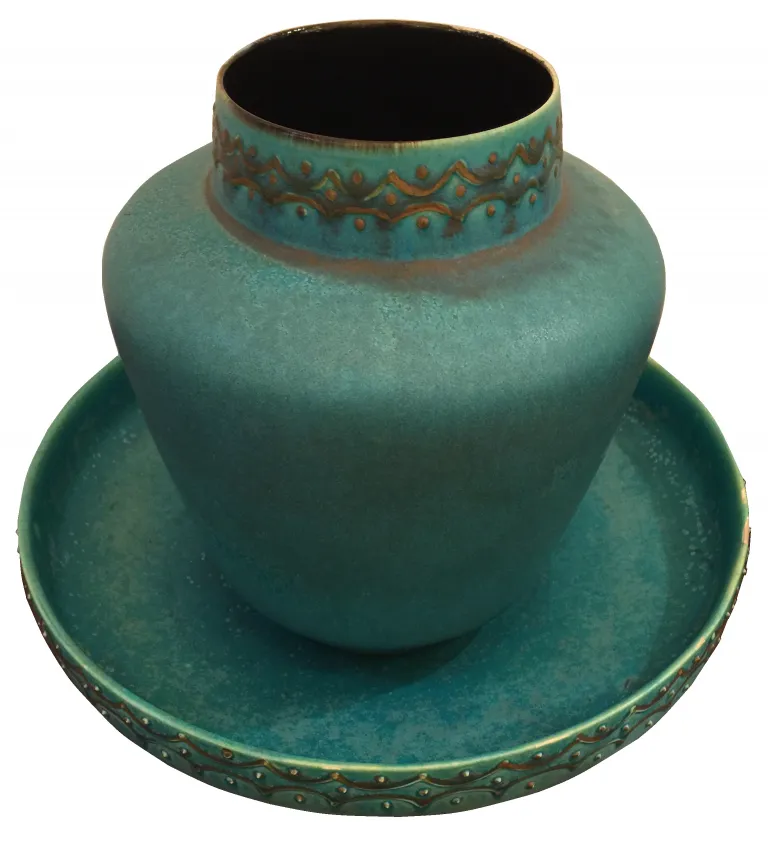
The story of Maison Jansen begins in Paris in 1880, founded by Dutch designer Jean-Henri Jansen.
Initially, the firm focused on selling antiques, but it quickly evolved into an internationally renowned interior design house.
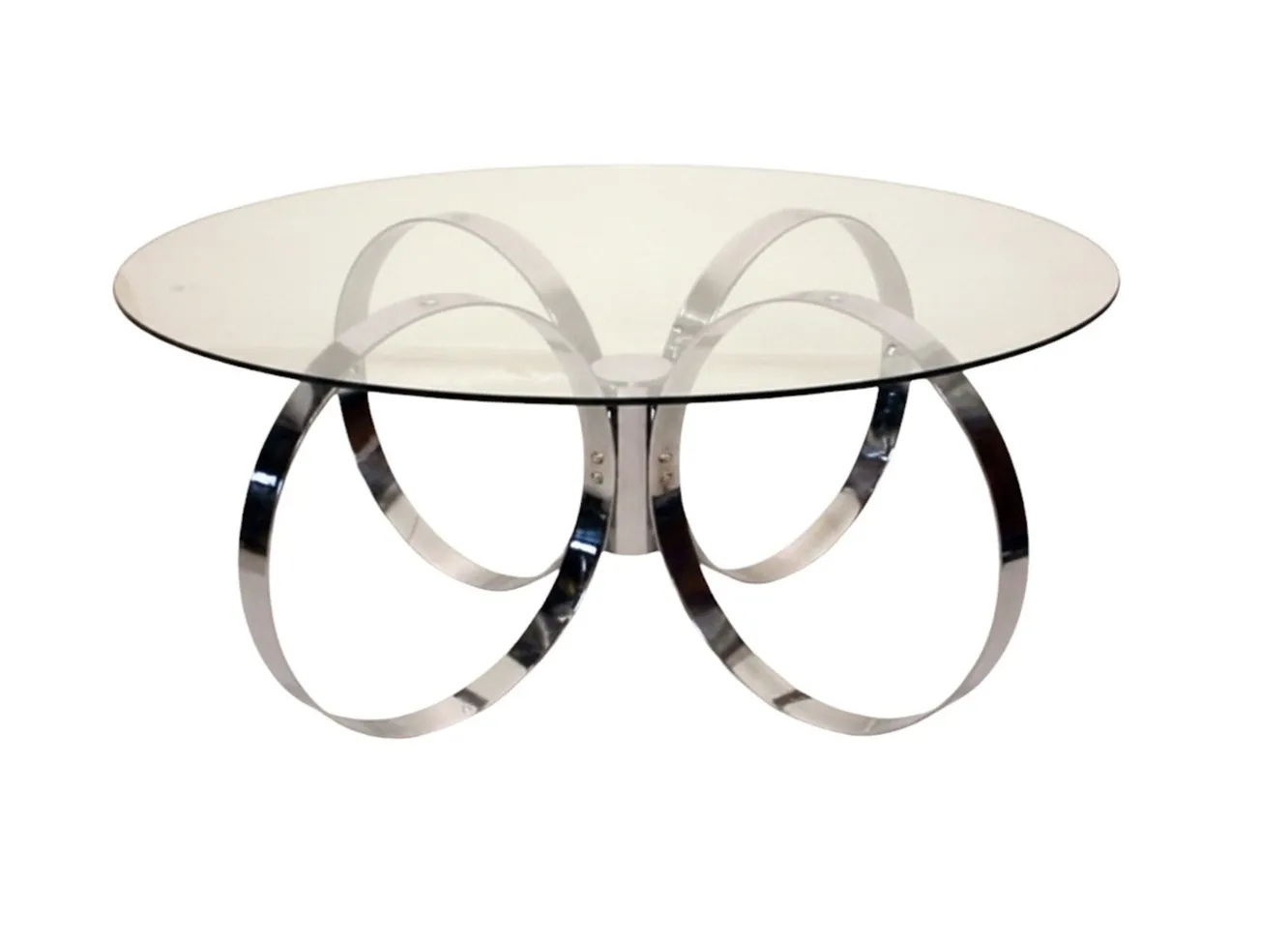
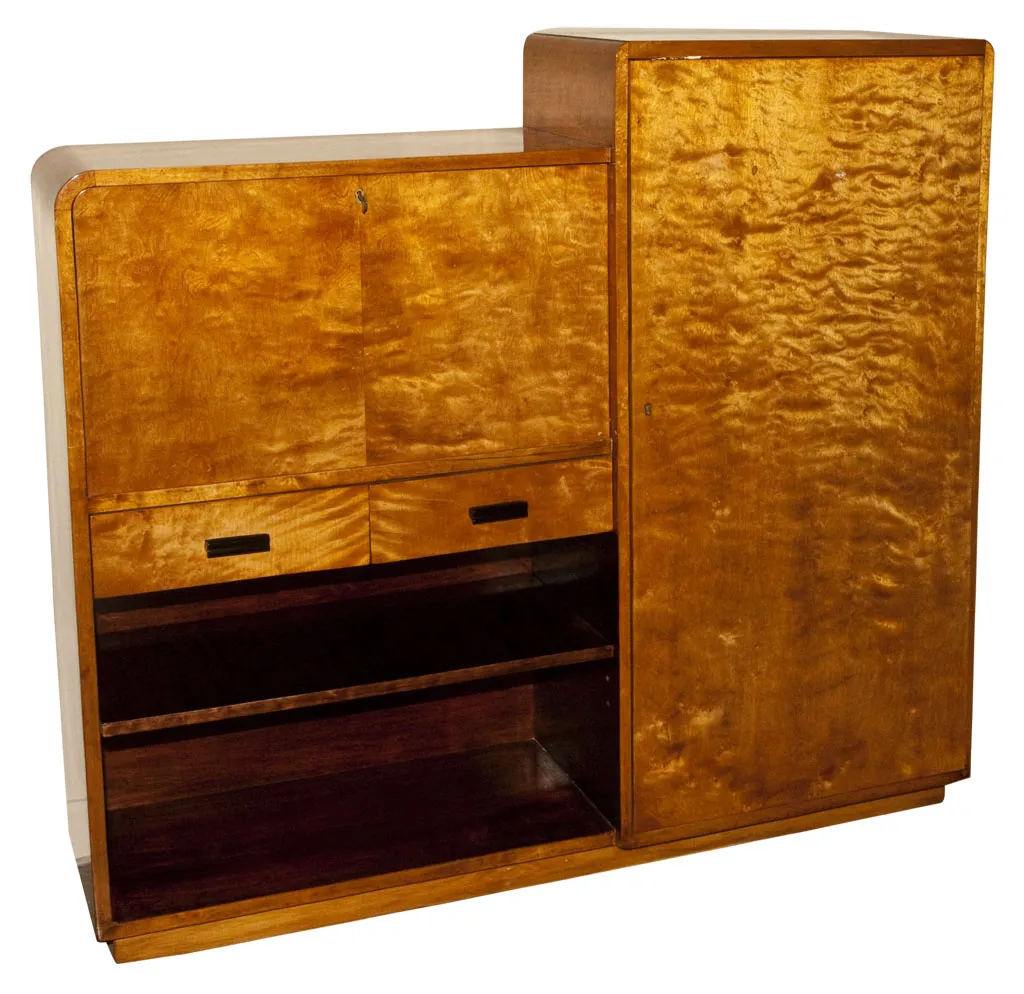
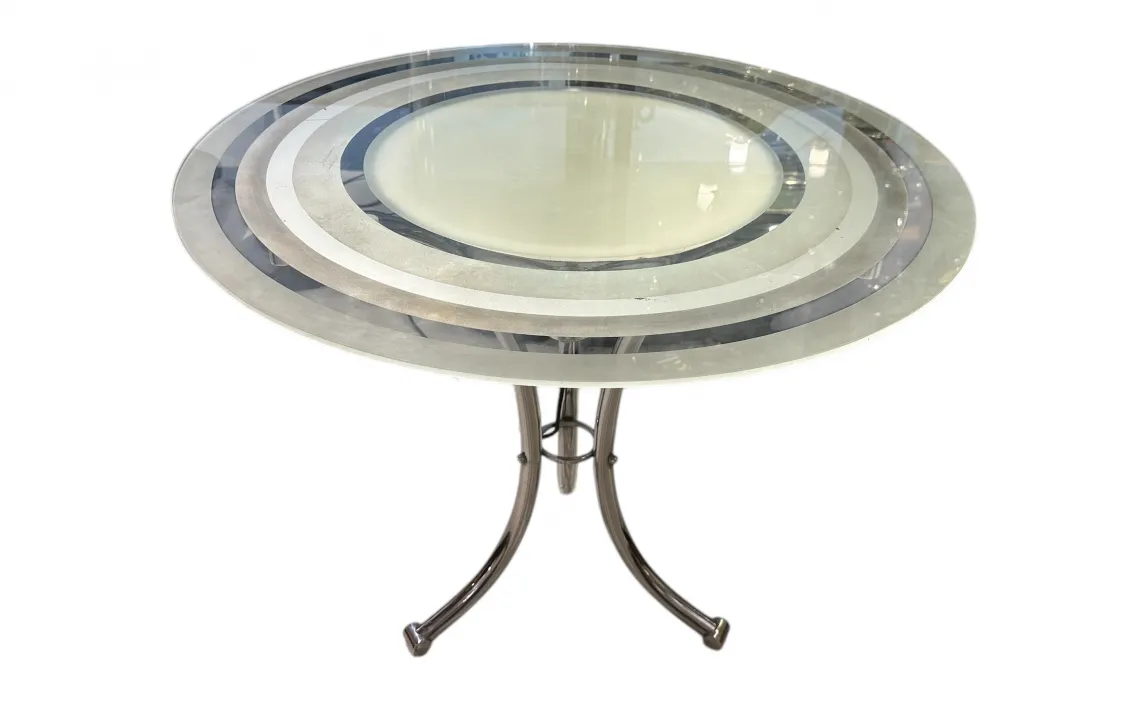
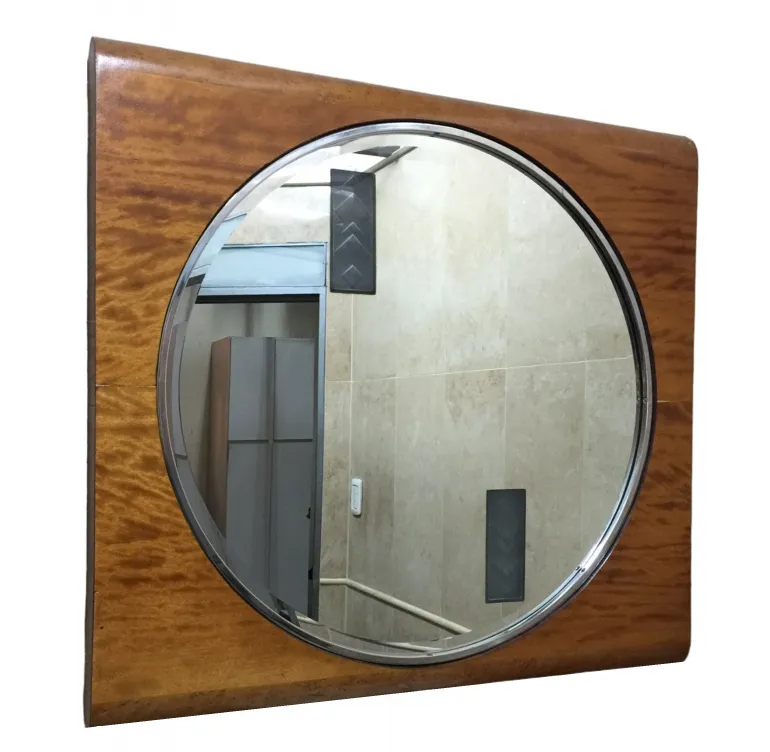
Their designs combined neoclassical elegance with elements of Turkish style, Japonism, Art Nouveau, Art Deco, and Modernism. This versatility allowed them to create unique and dynamic spaces tailored to each client.
Maison Jansen participated in important exhibitions such as the Paris Universal Exhibition of 1889 and the Exposition des Arts Décoratifs of 1925.
Maison Jansen worked for a high-profile clientele that included:
American mansions to South American villas.
Royalty, such as King Leopold II of Belgium and the Dutch royal family.
Government projects, such as the famous Red Room of the White House during the John F. Kennedy administration.




 Share
Share