He was an important Italian cabinetmaker and furniture designer.
In the early 1900s, he opened a workshop in Milan.
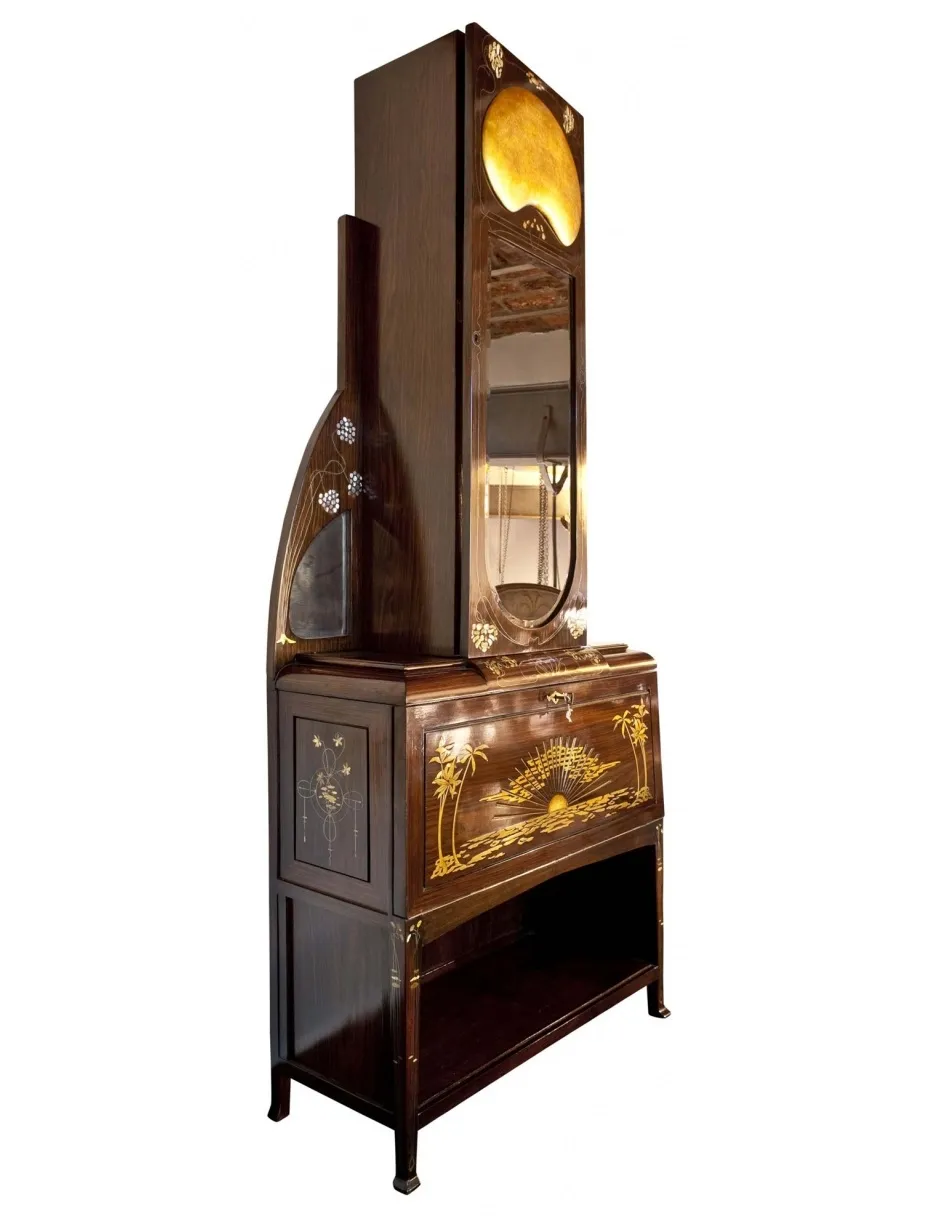
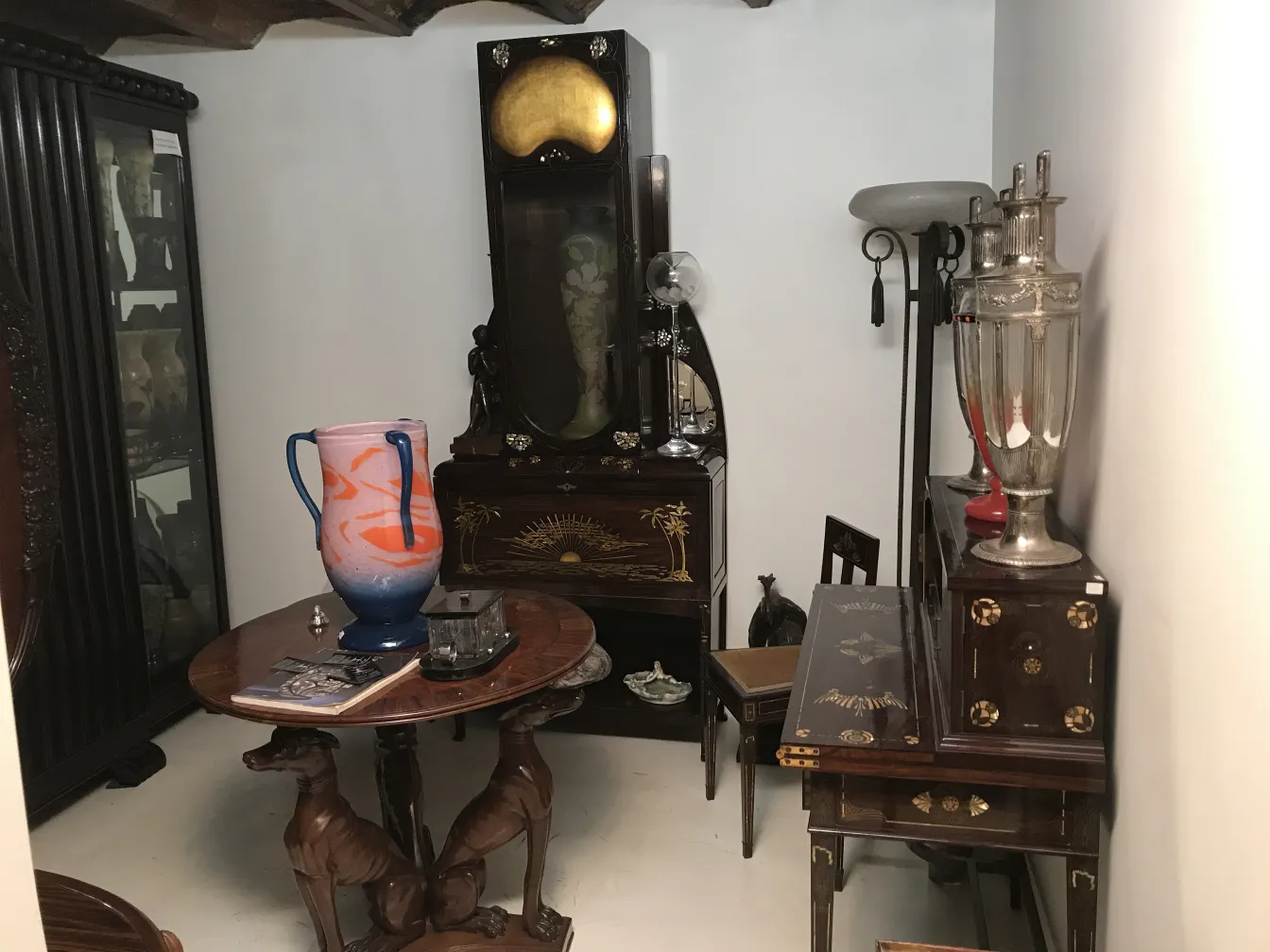
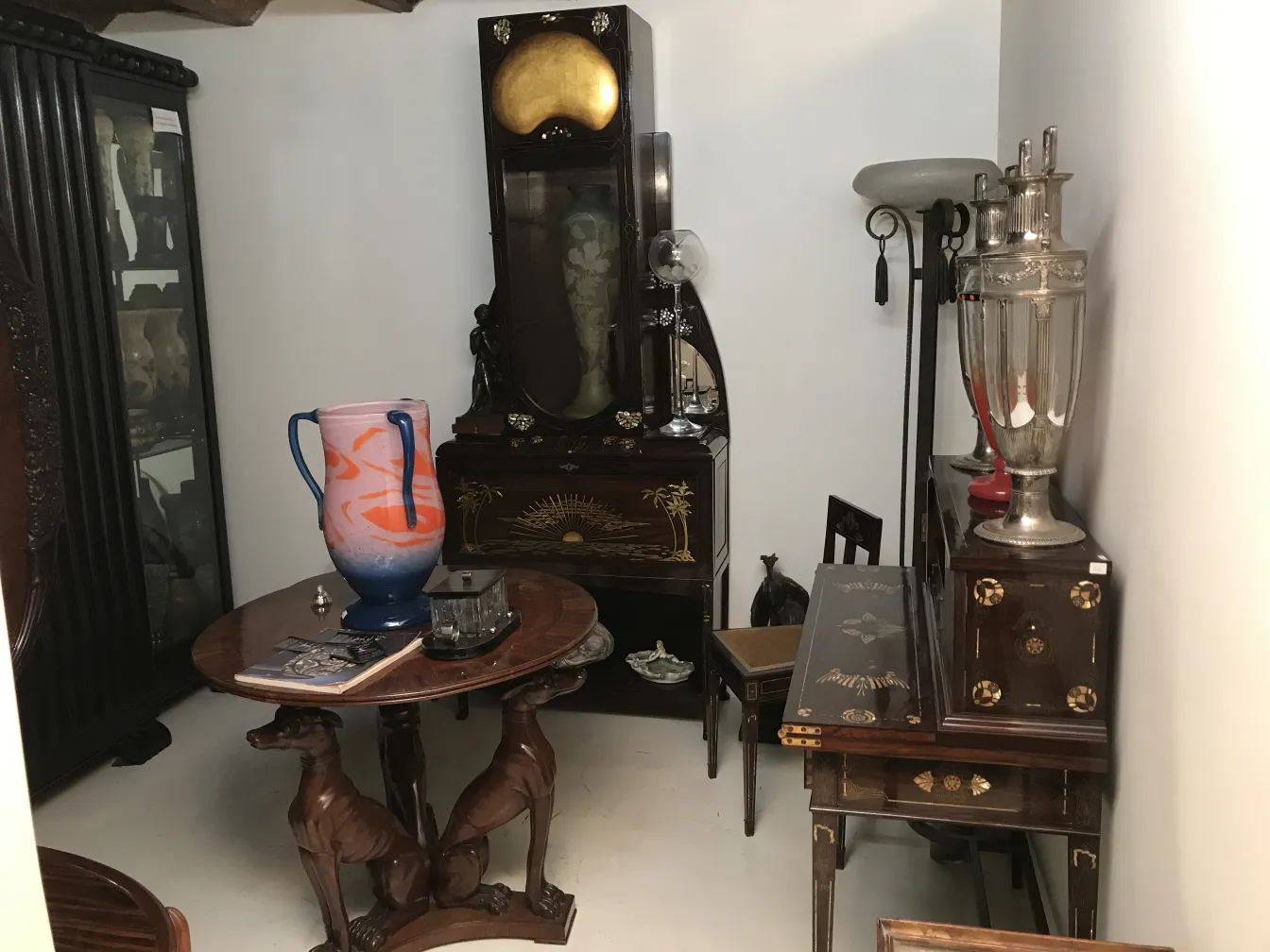
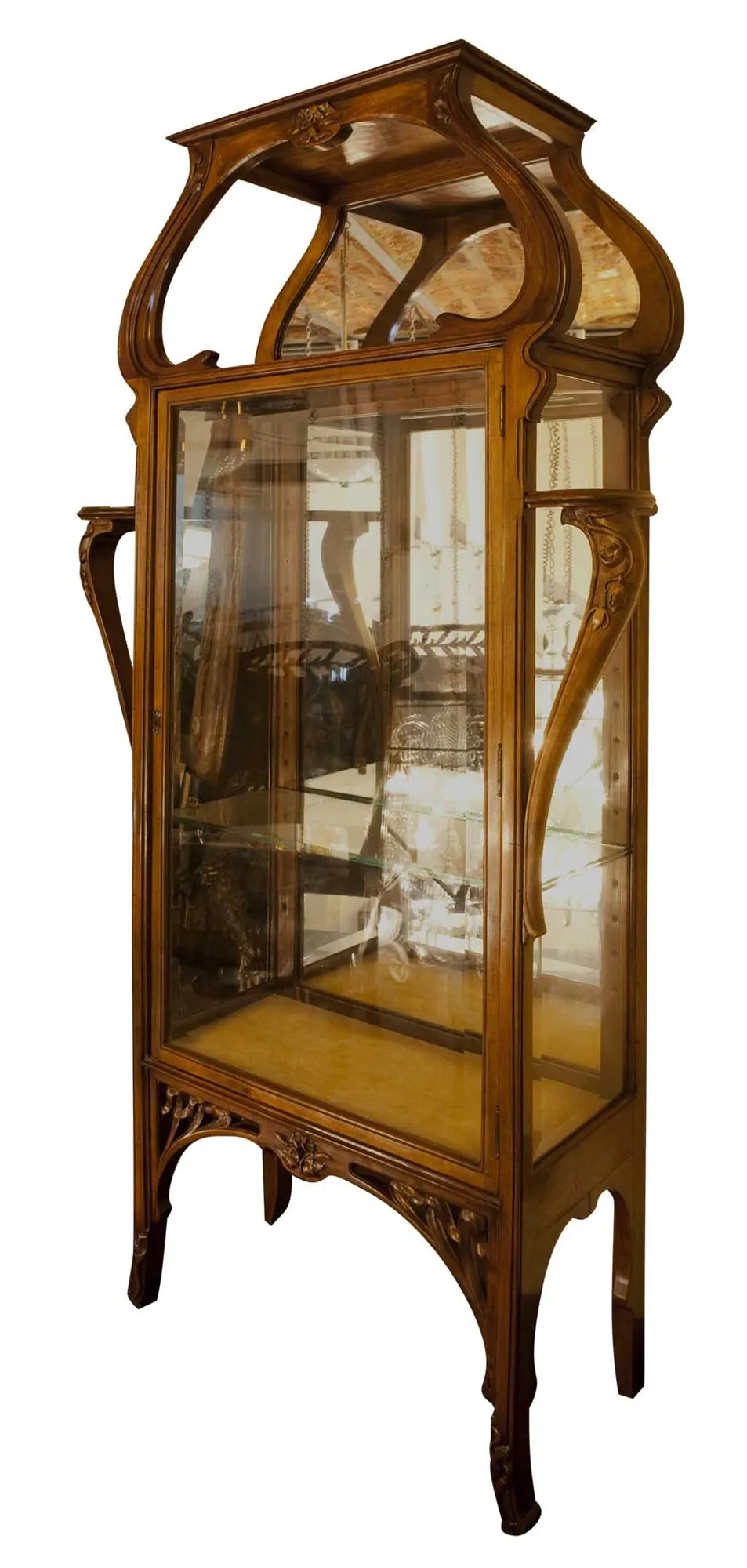
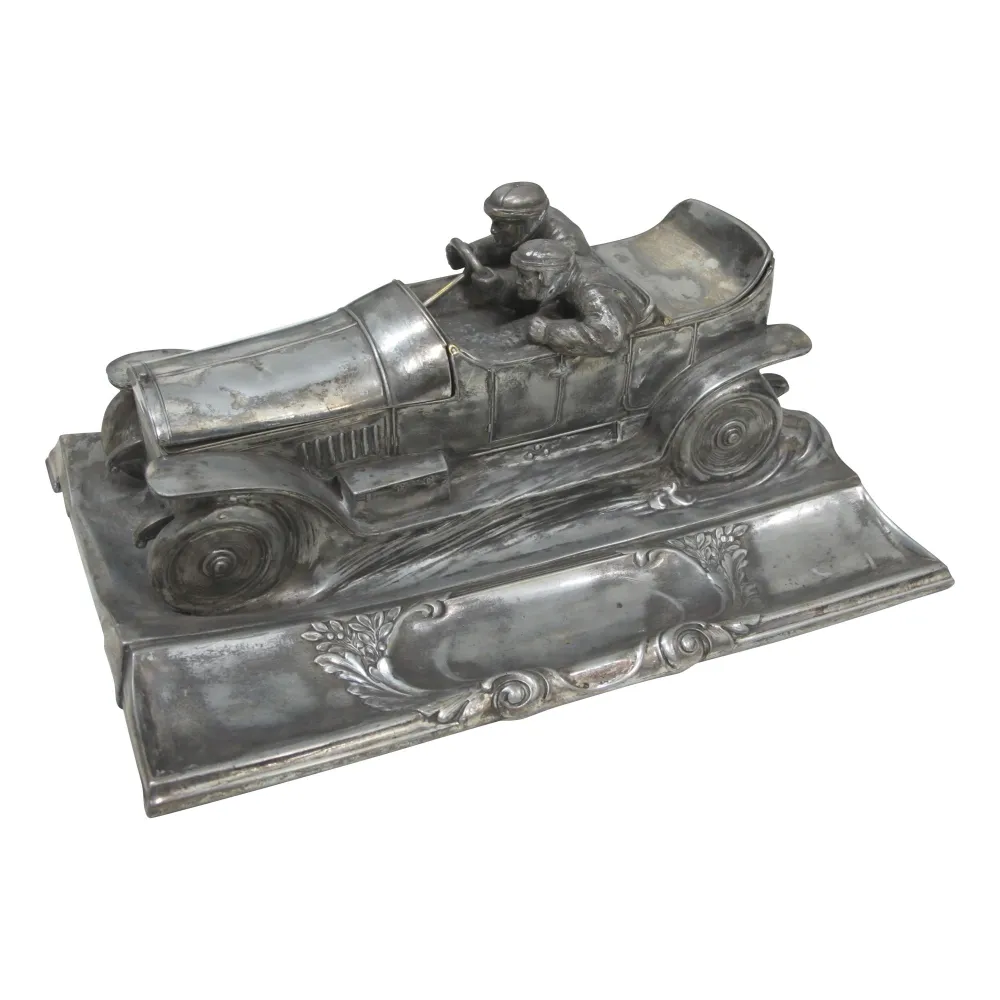
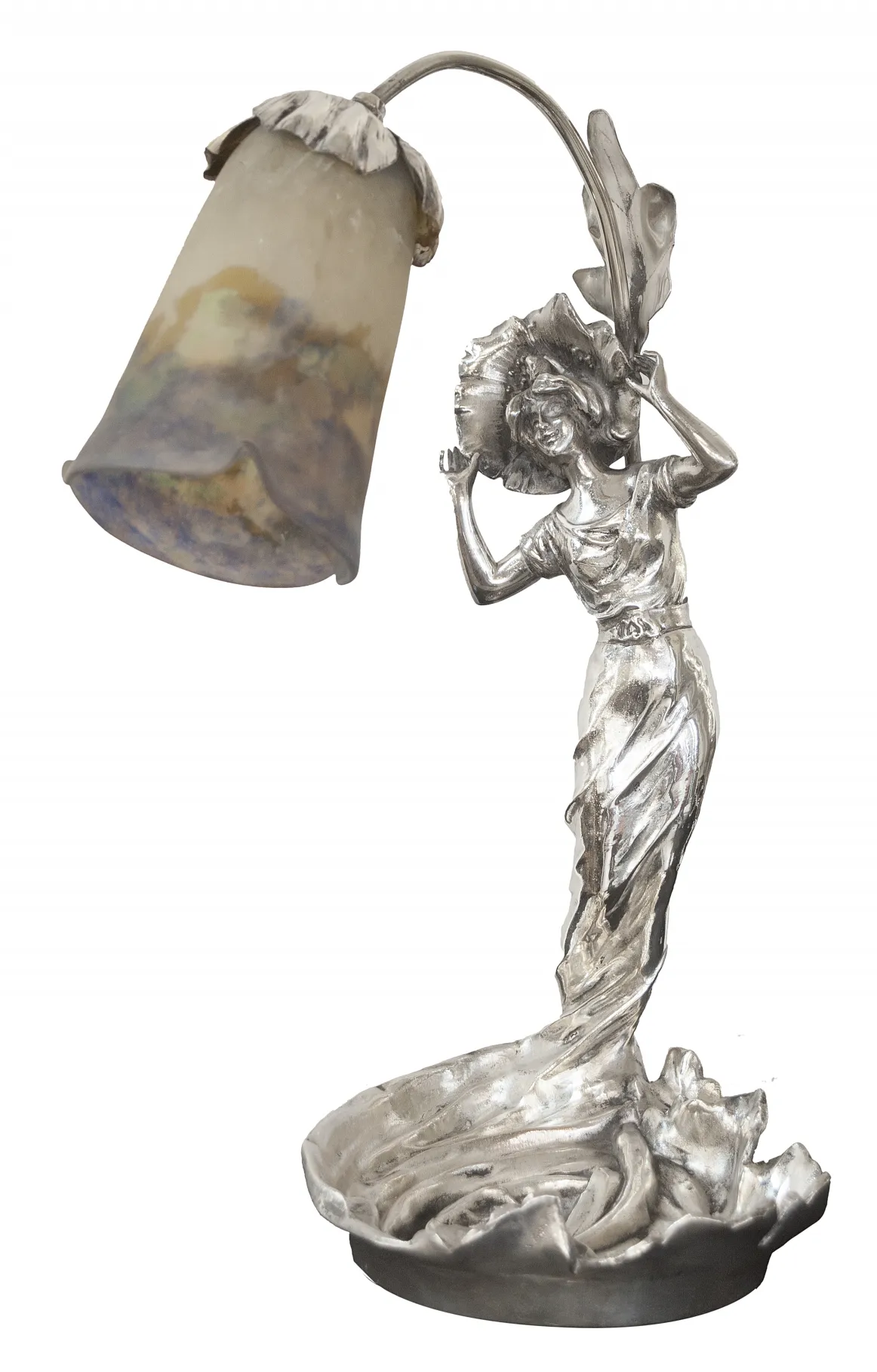
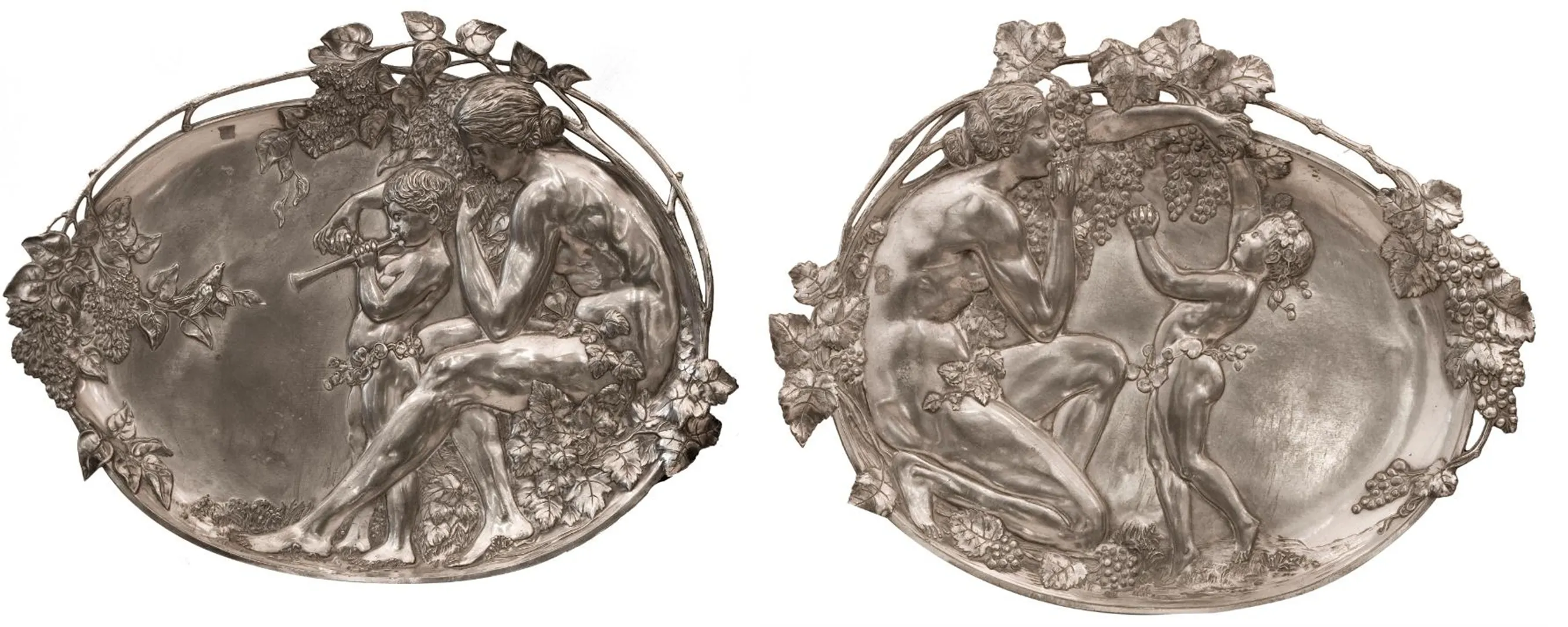
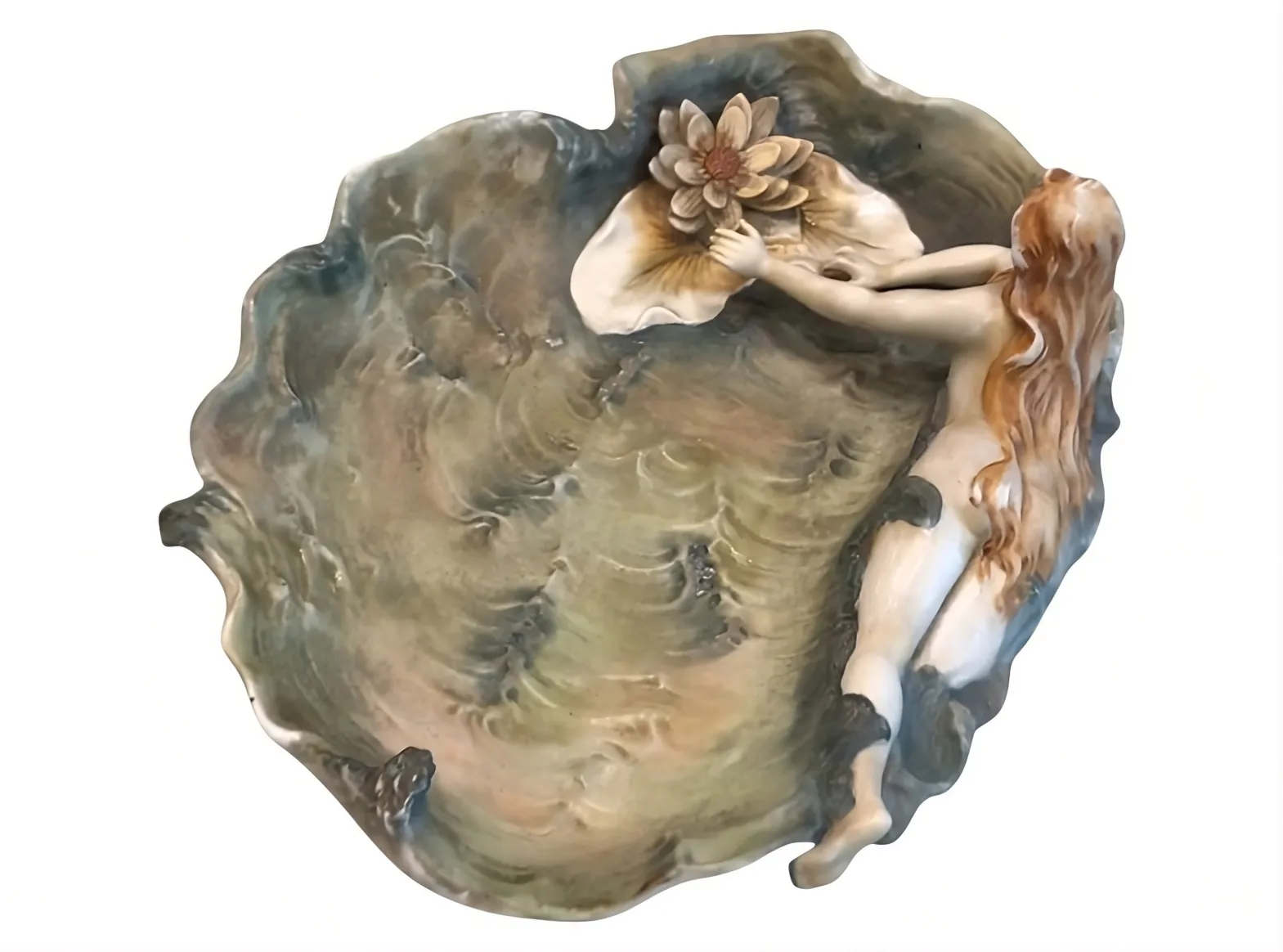
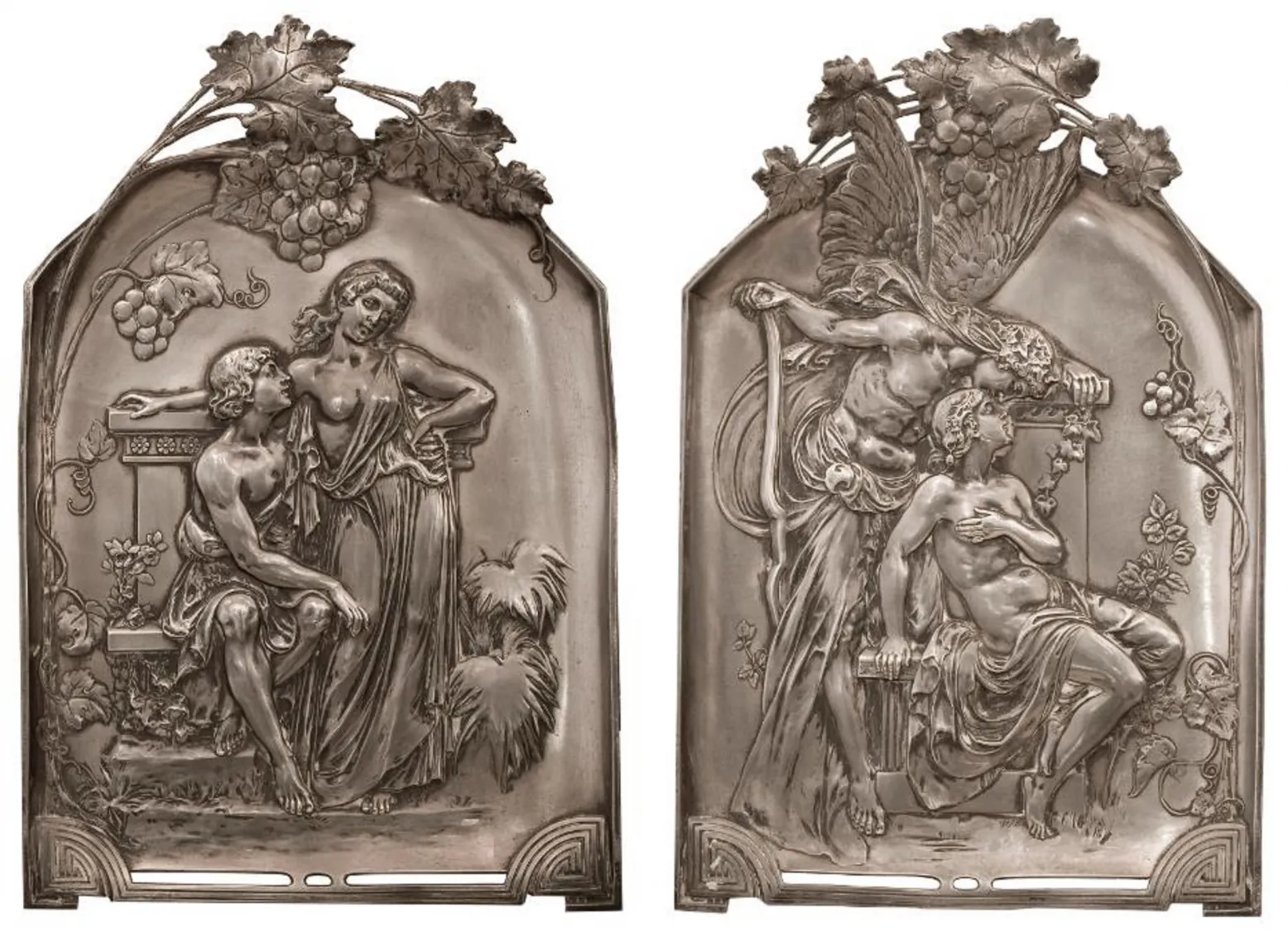
He was known for creating ornate pieces in the Stile Floreale, the Italian version of Art Nouveau.
Characteristics of his Design:
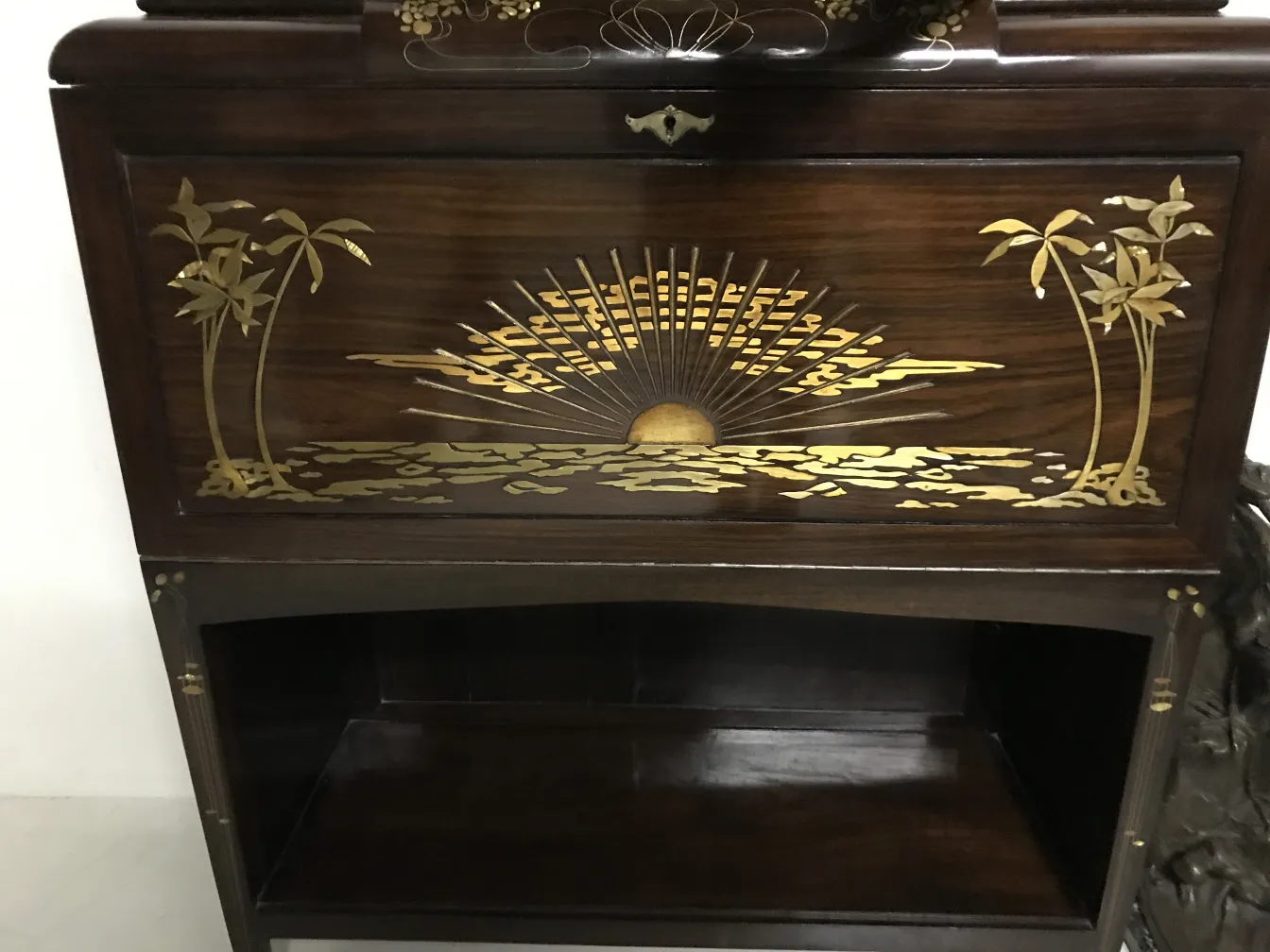
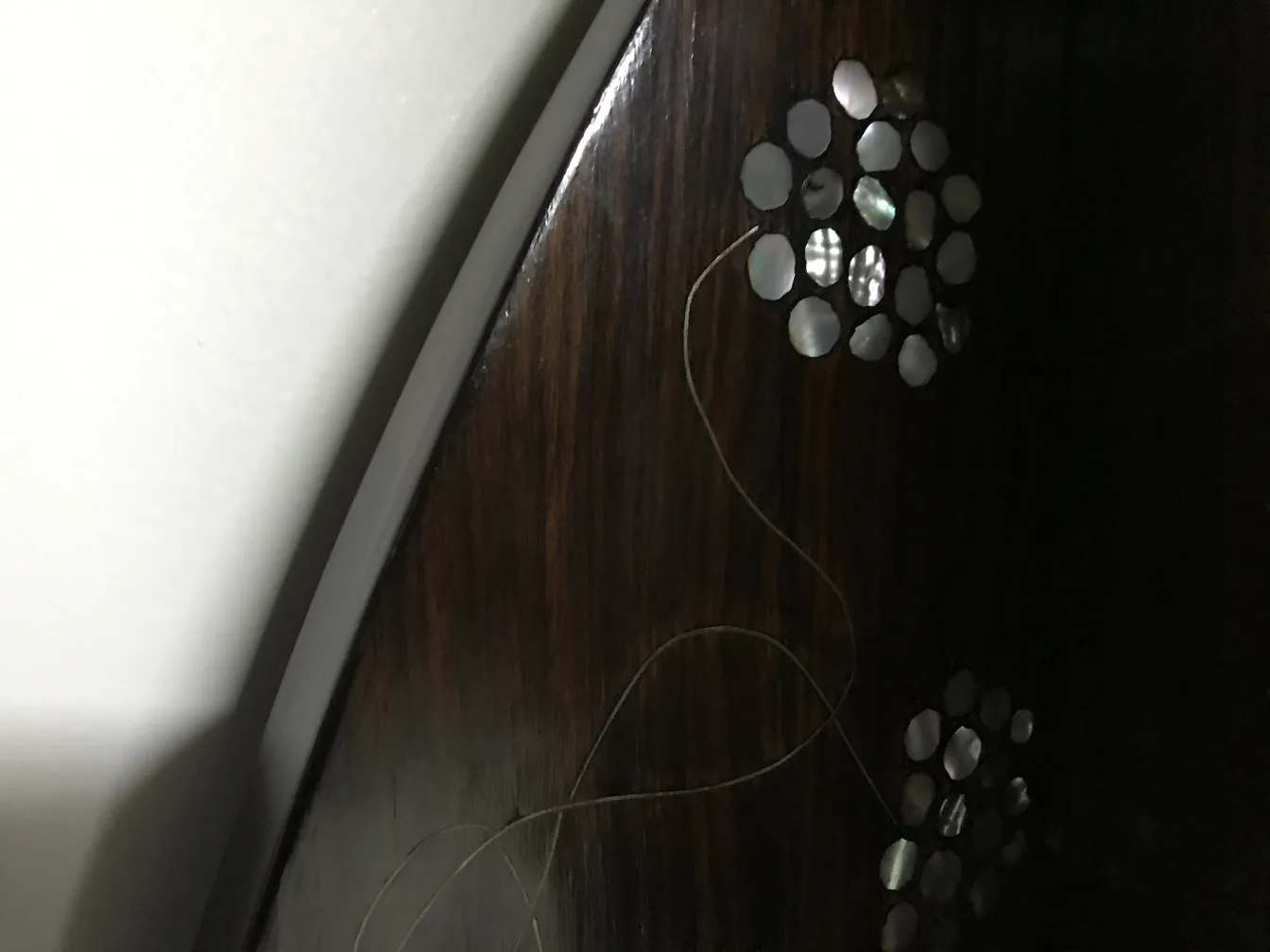
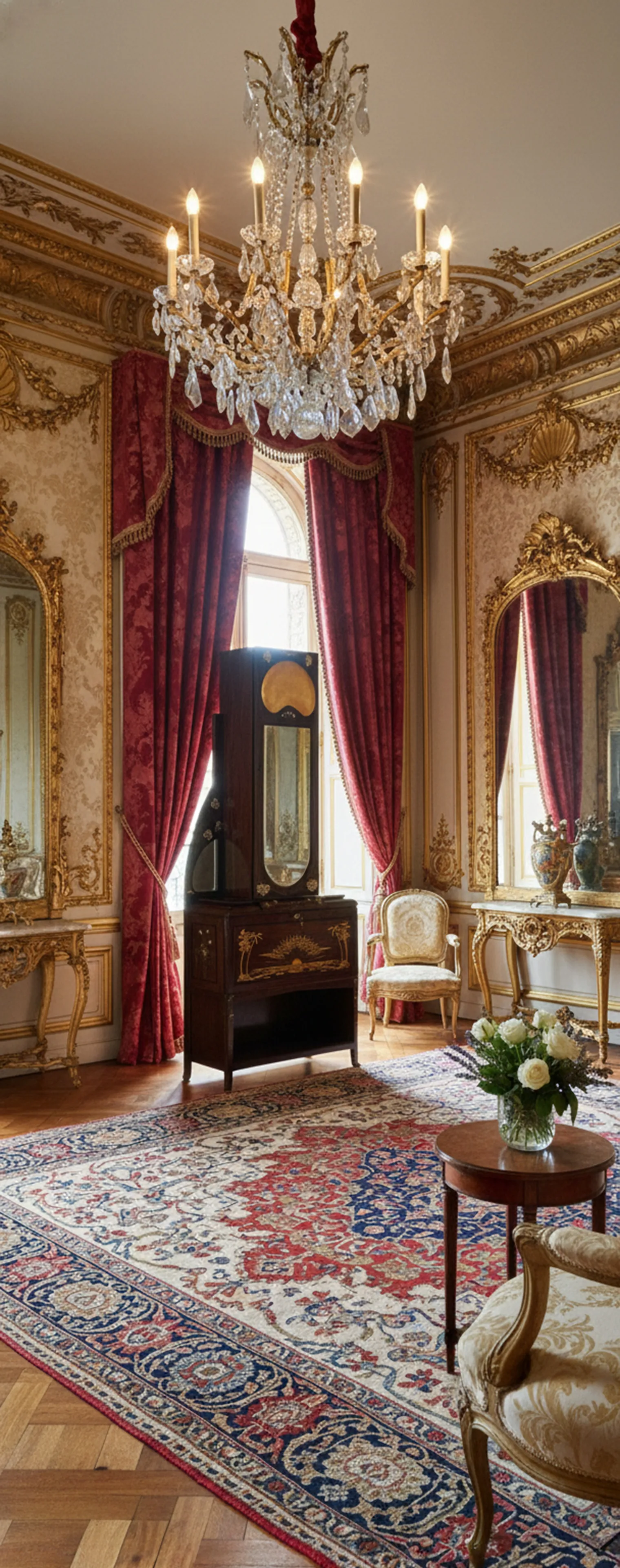
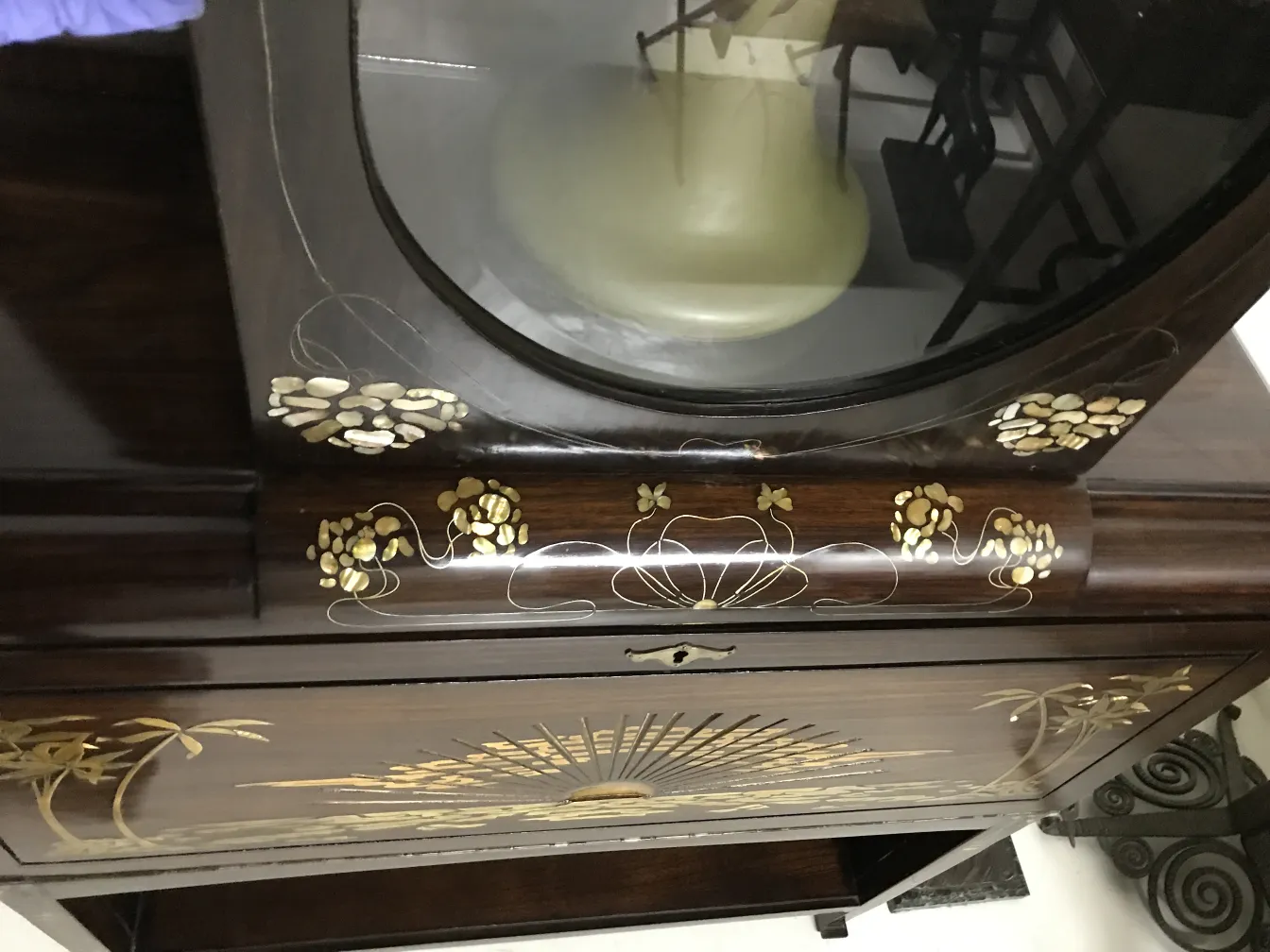
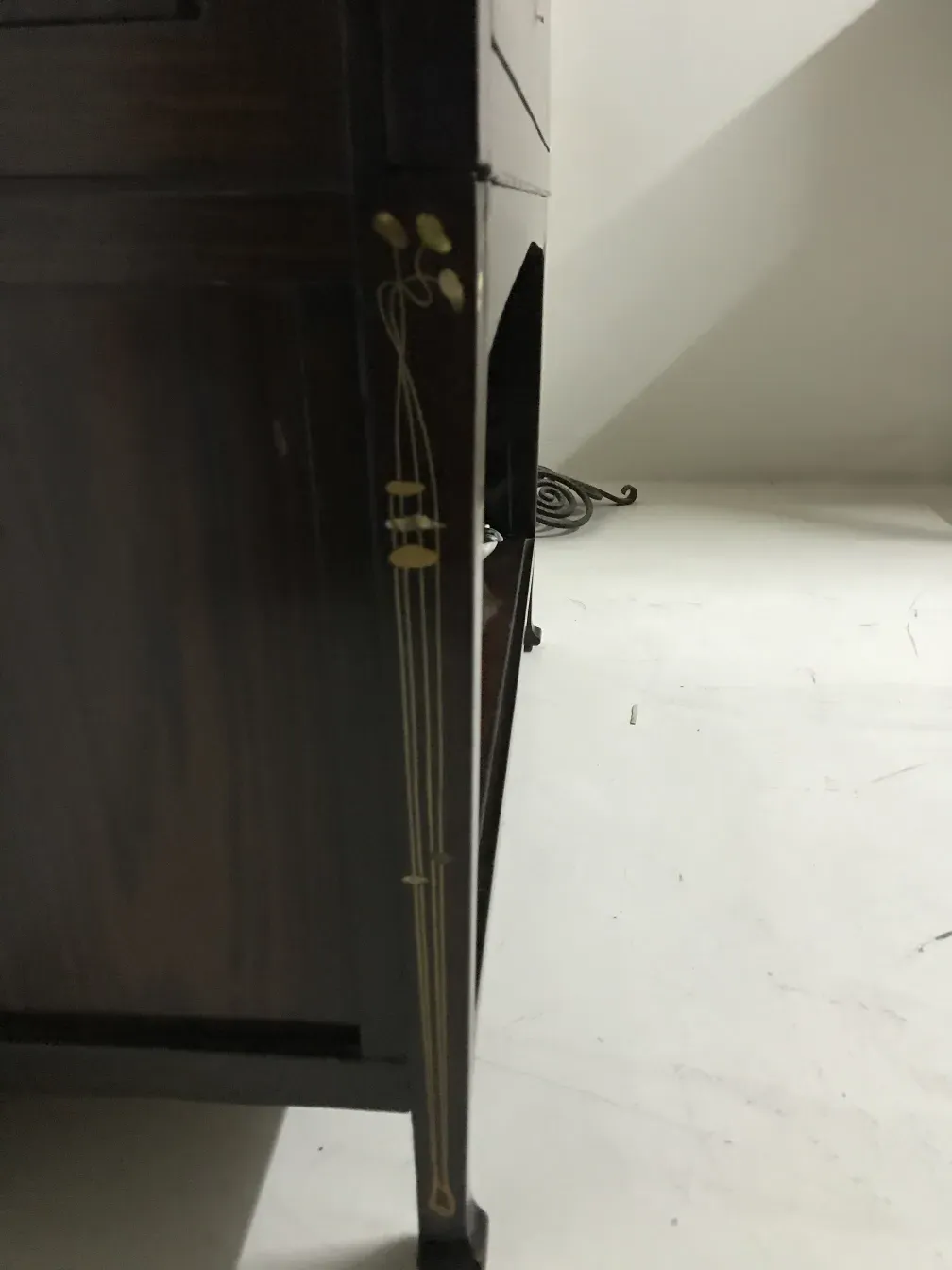
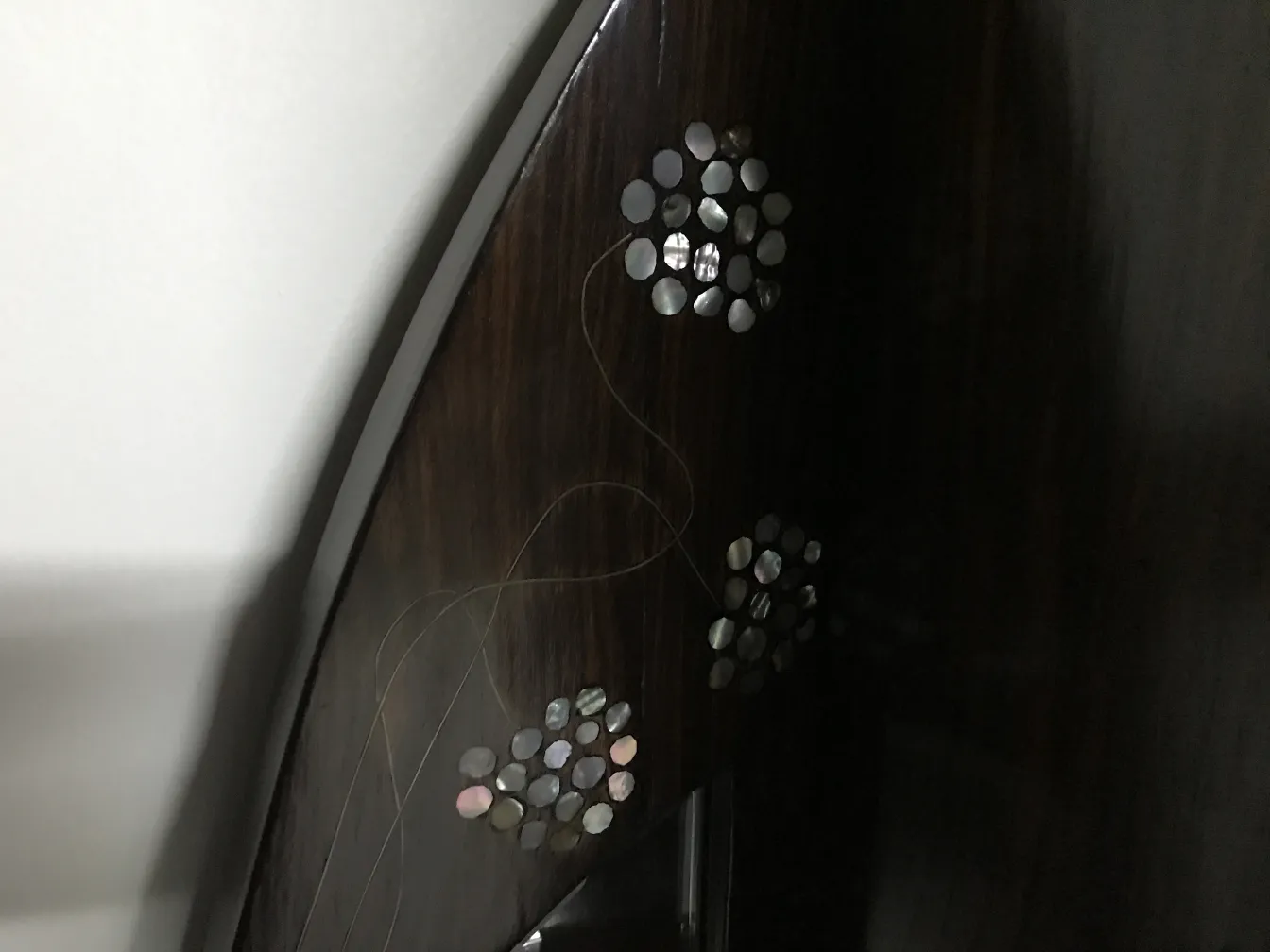
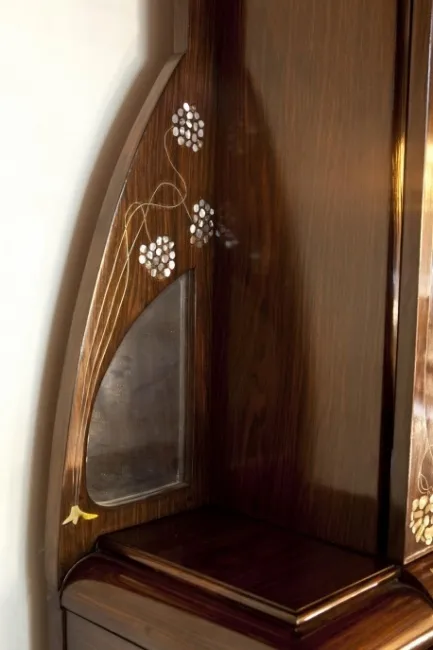
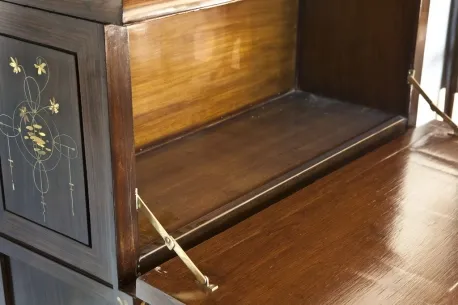
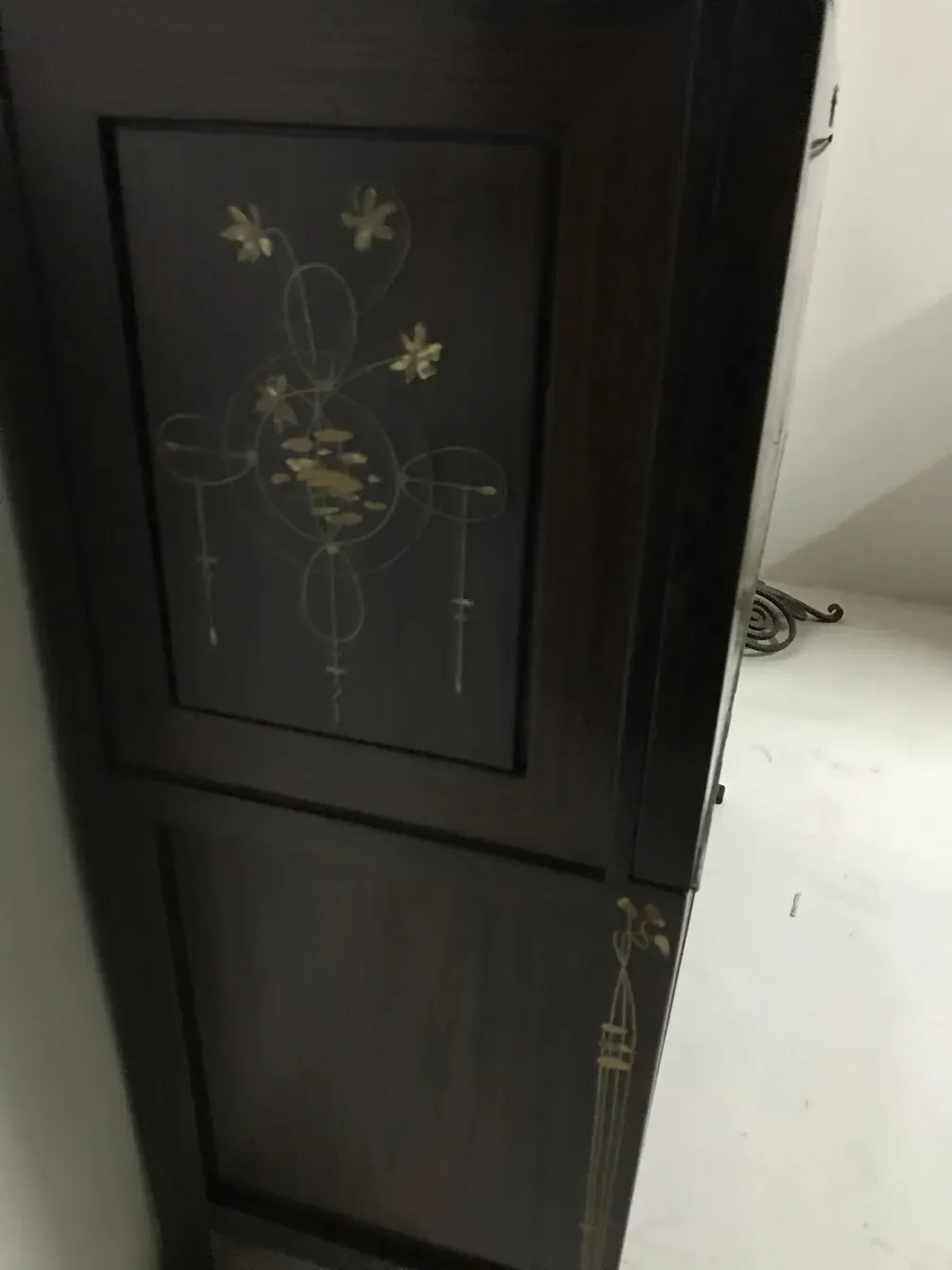
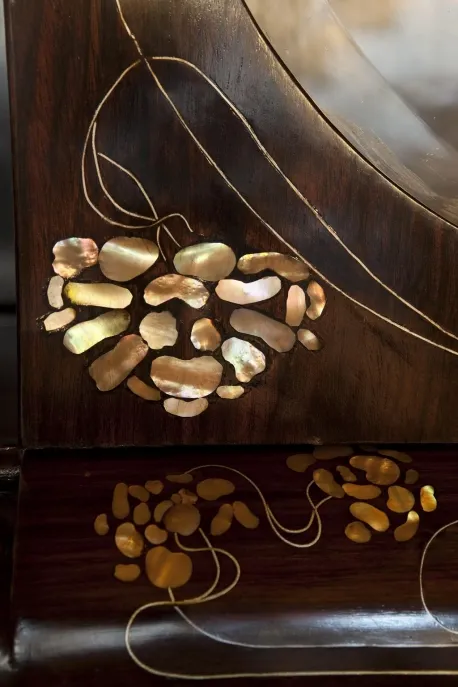
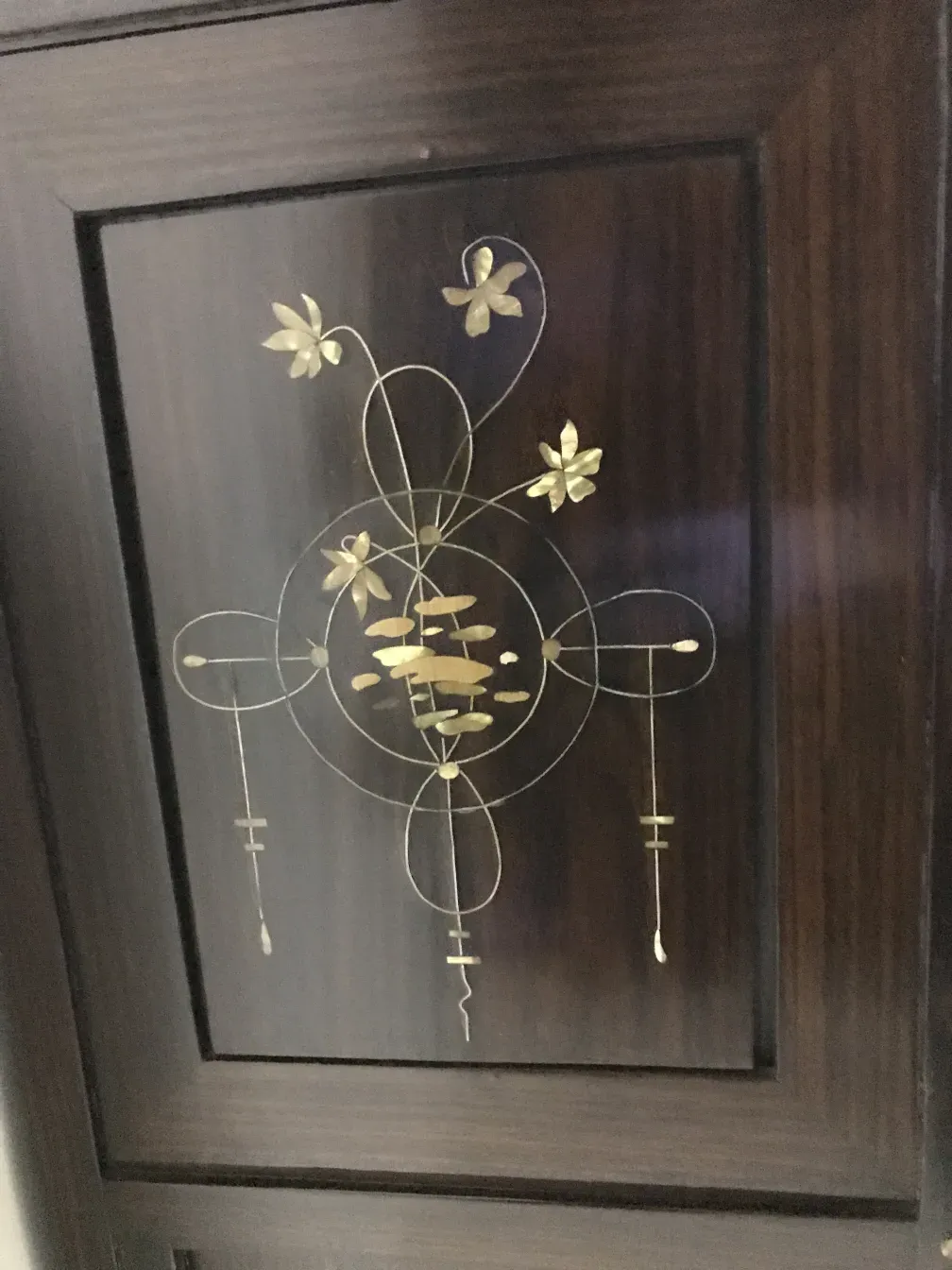
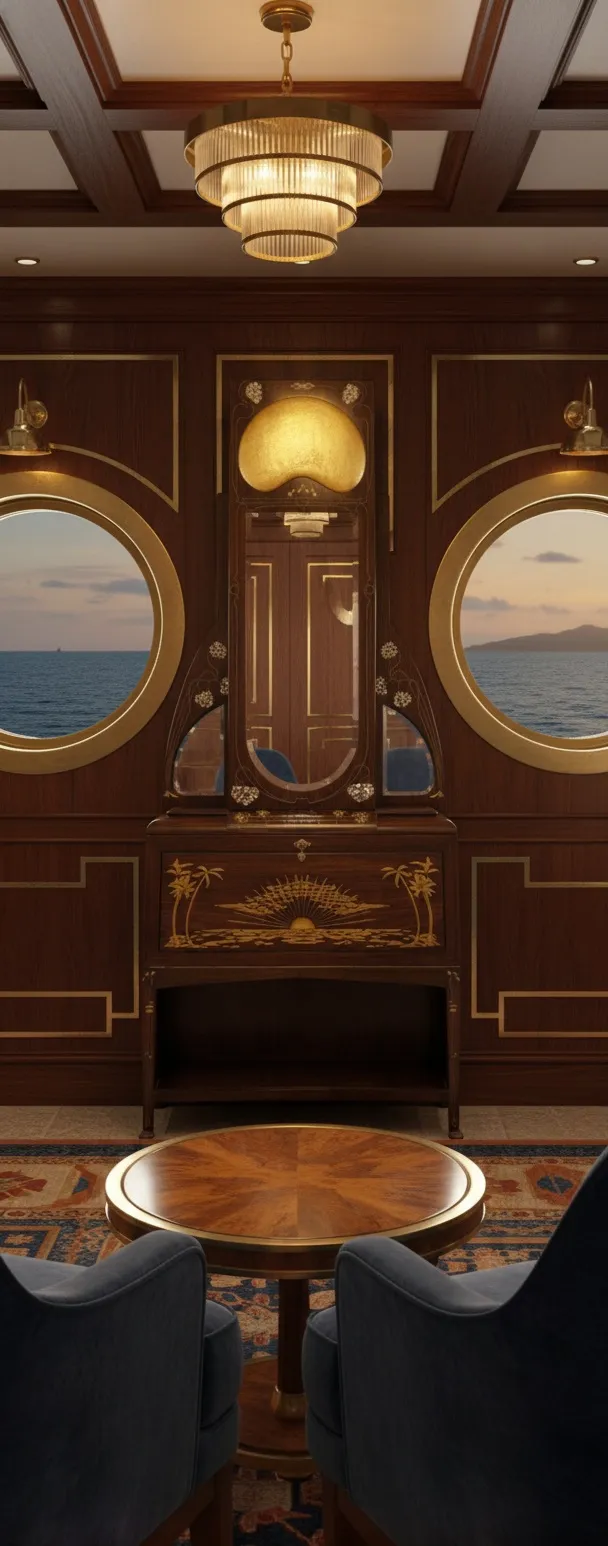
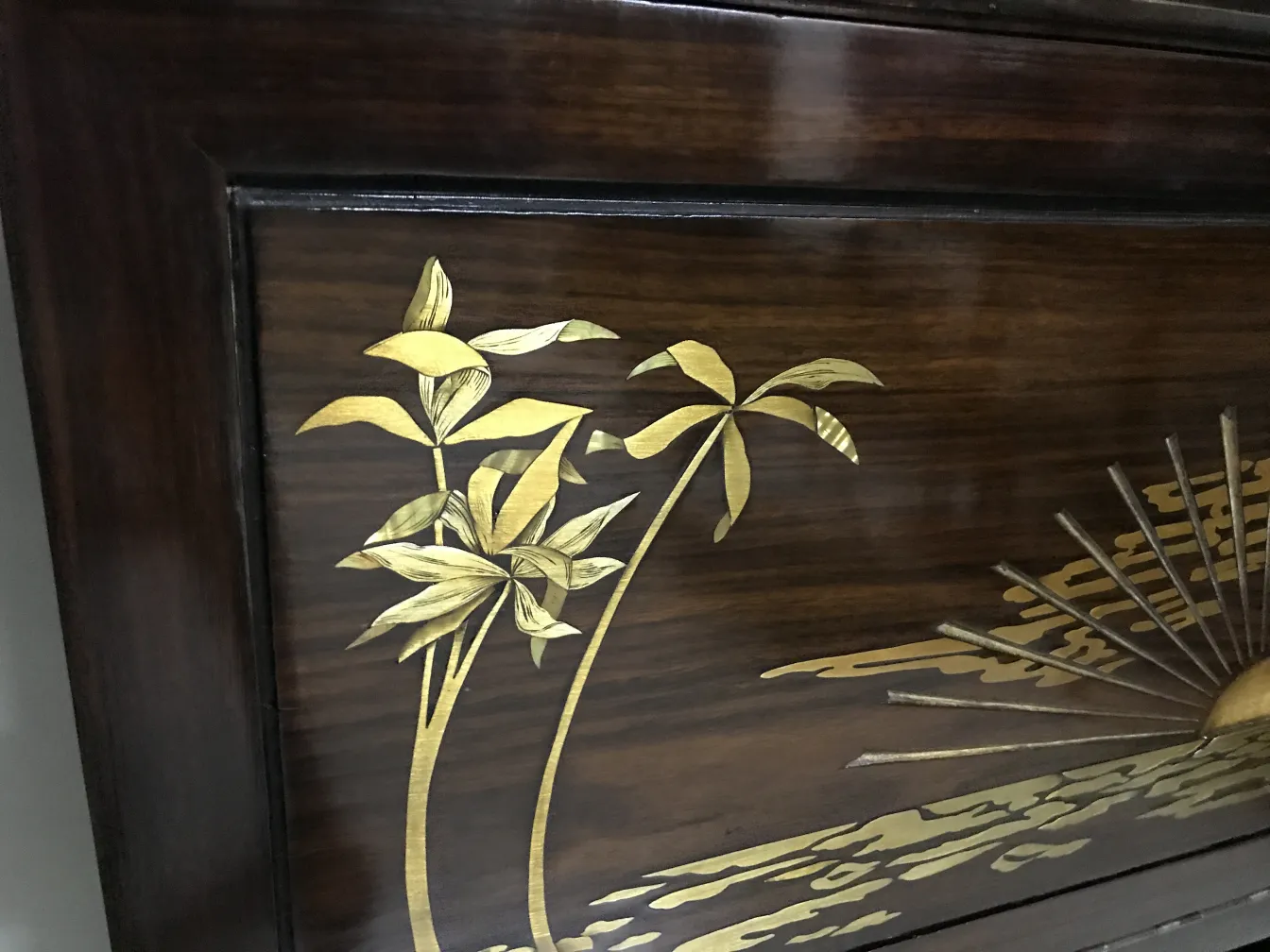
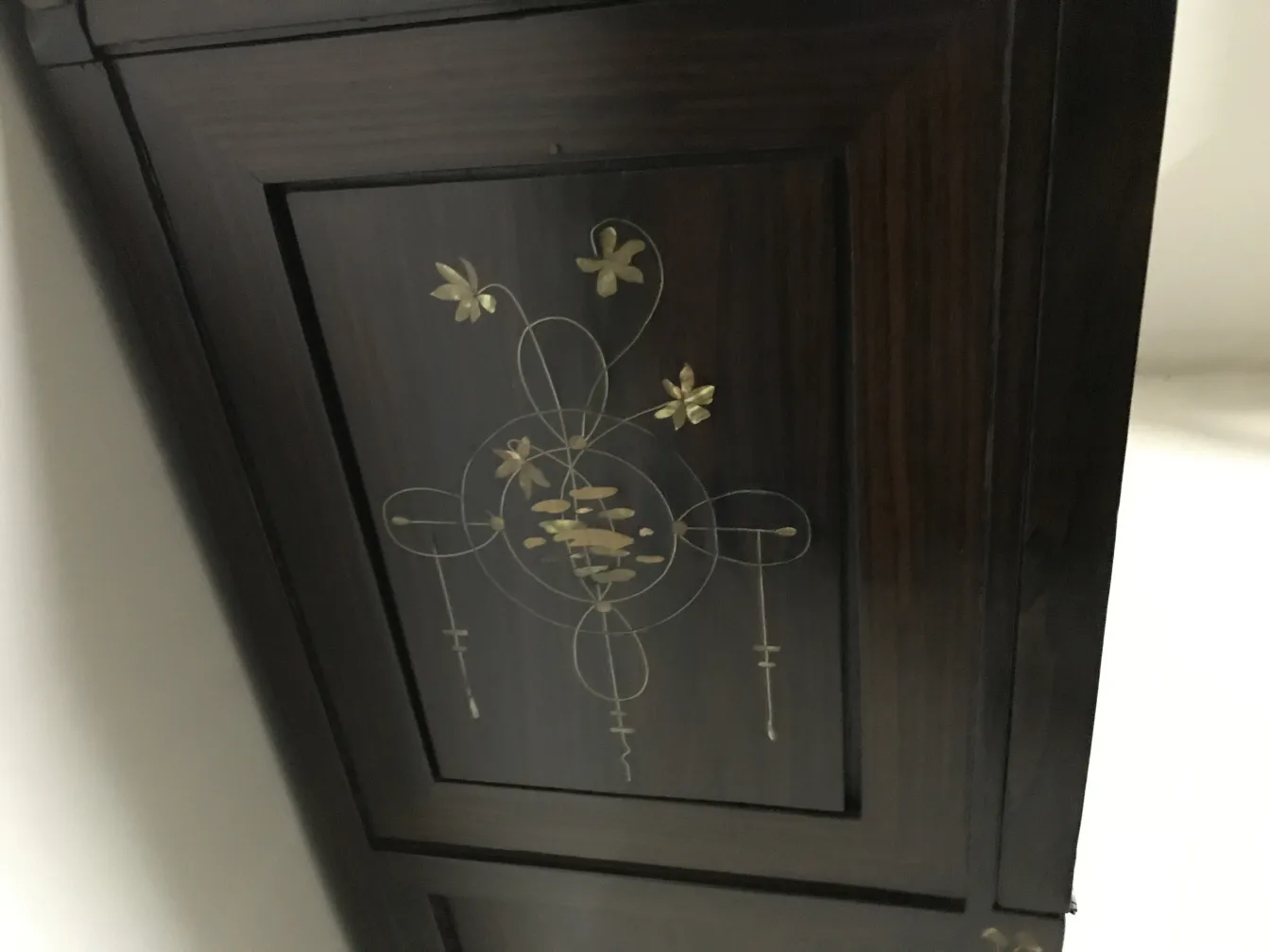
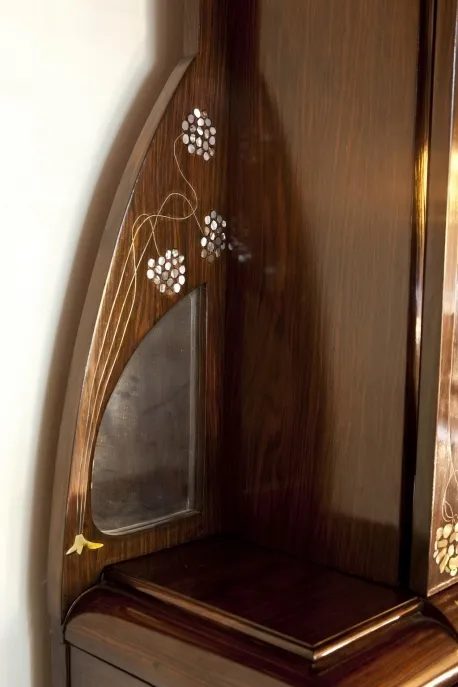
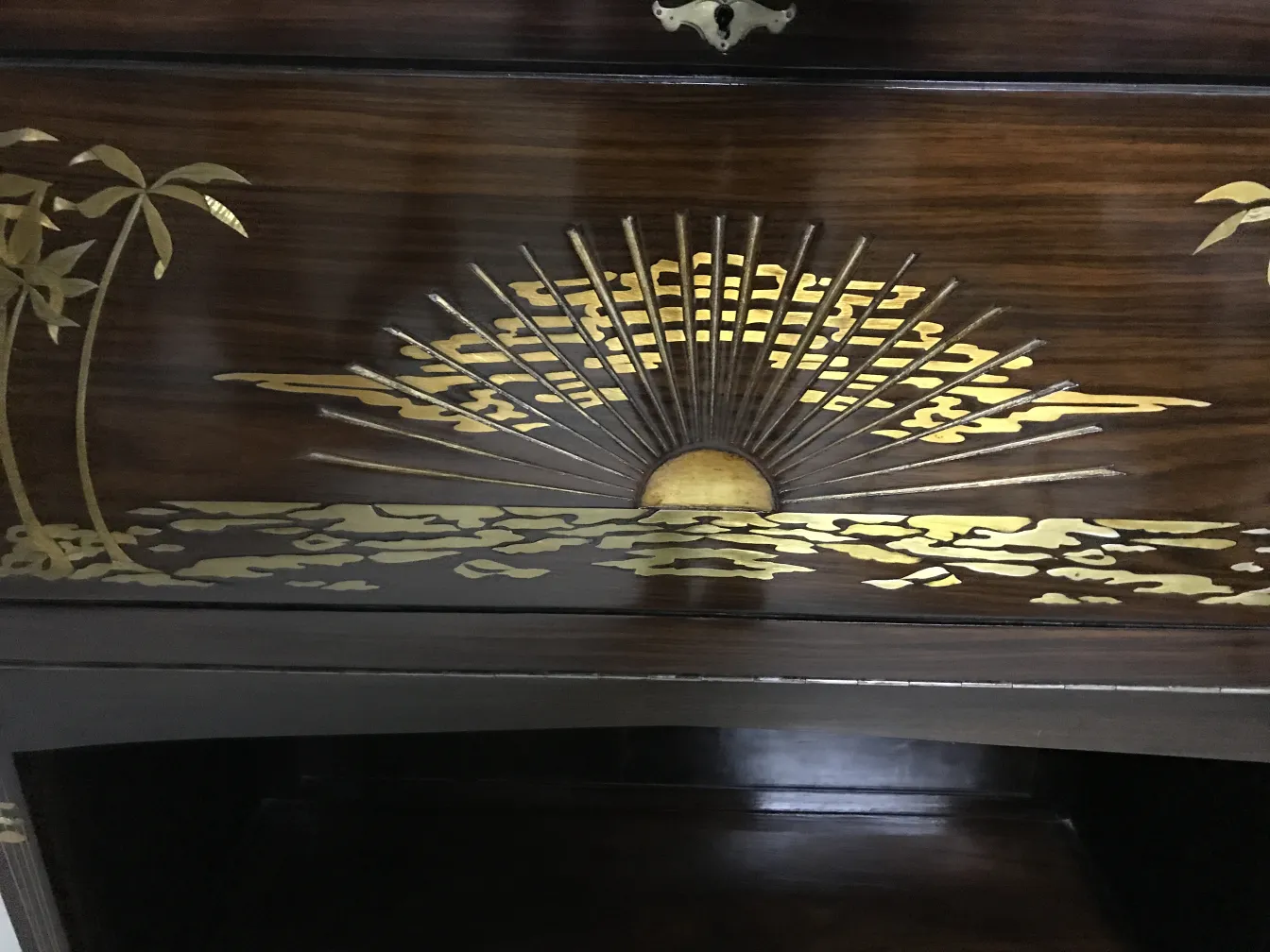
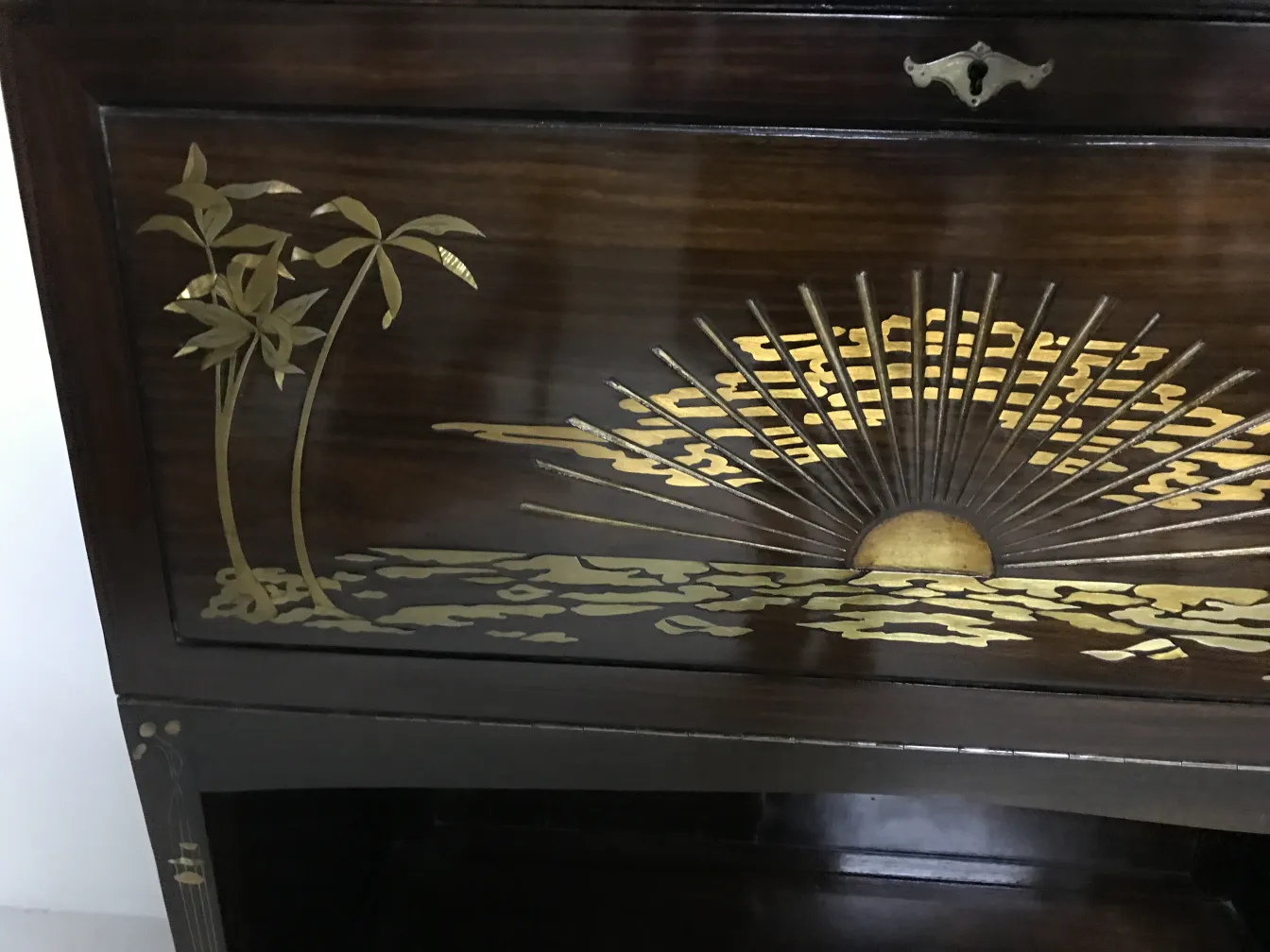
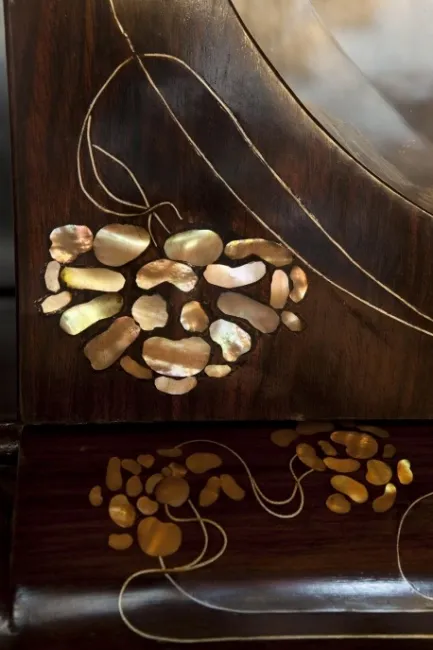
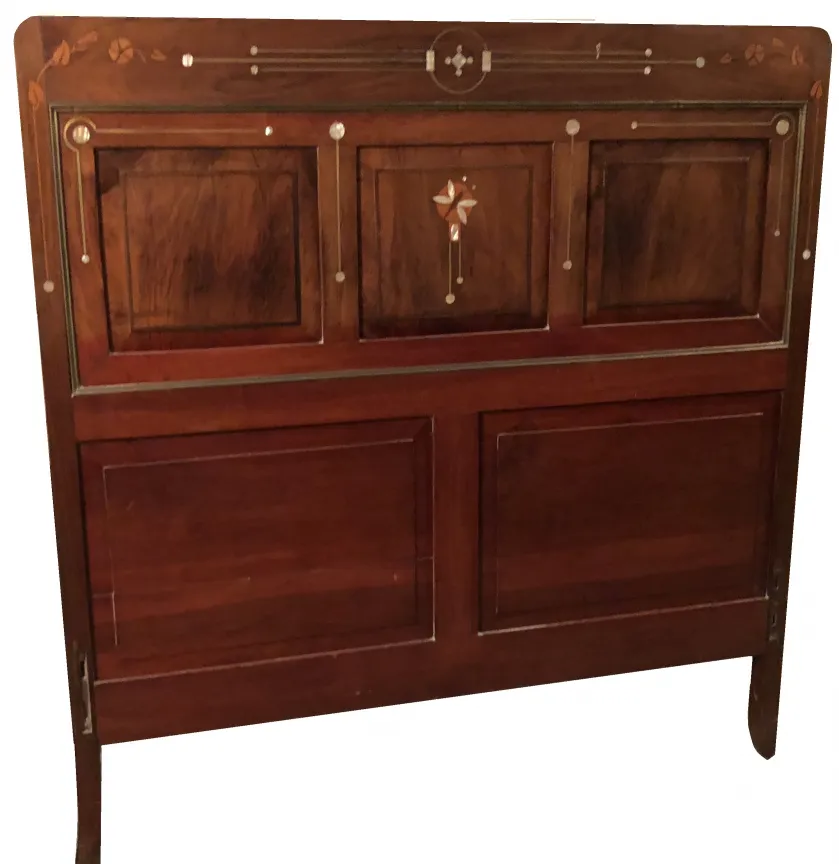
The decoration of his furniture was inspired by Asian flowers or exotic motifs, such as inlays of palm trees and sunbursts of gold leaf and mother-of-pearl.
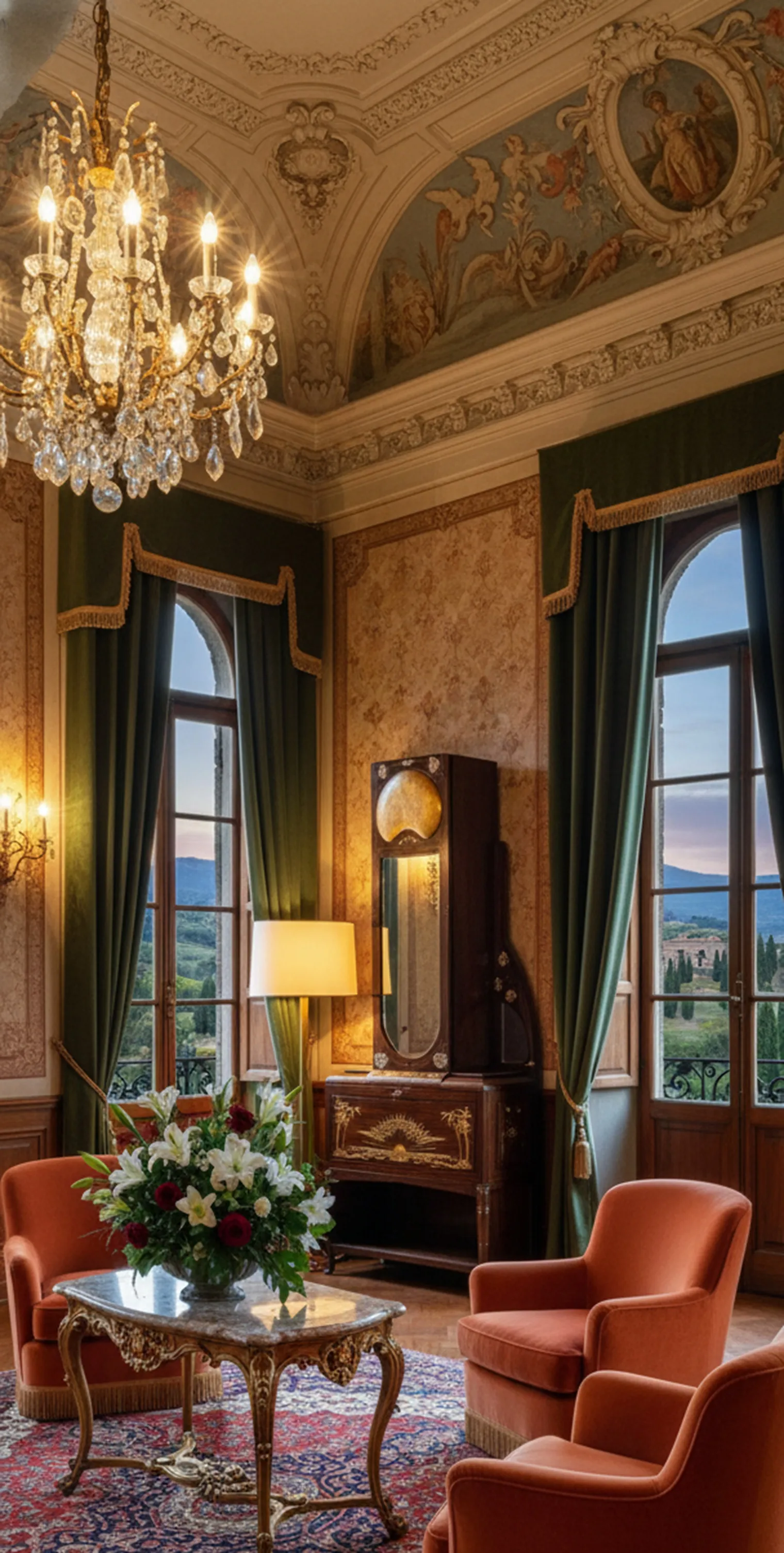
His work is recognized for its skill and its influence on Italian decorative arts of the time.
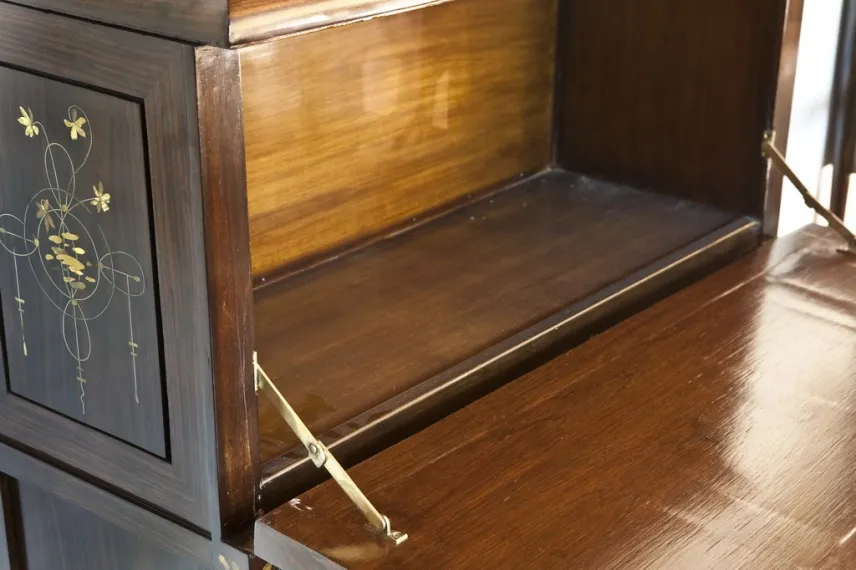
He used woods such as cherry and mahogany in the manufacture of his pieces.
He often adorned his creations with precious materials such as mother-of-pearl, brass, and marble.
Today, his furniture is appreciated by collectors and can be found in museums, such as the Cooper Hewitt and the Smithsonian Design Museum in New York.



 Share
Share





1785627178.webp)
1781837158.webp)
1774393081.webp)
1785884771.webp)