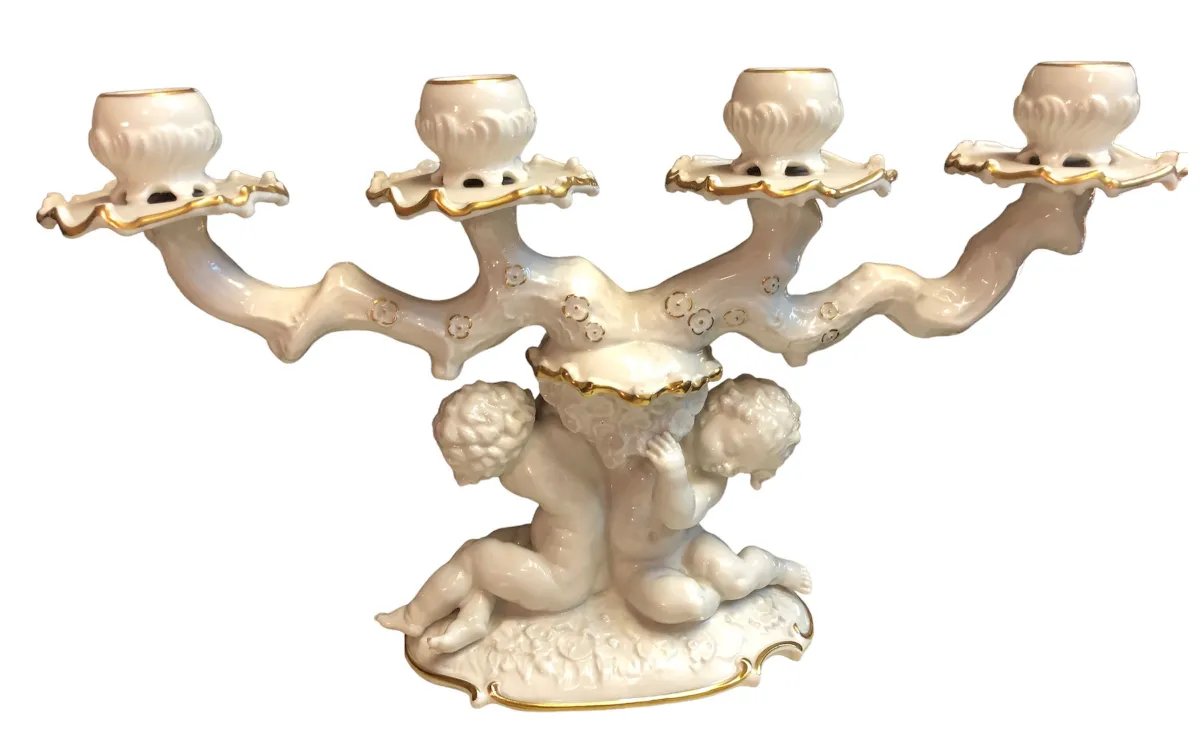
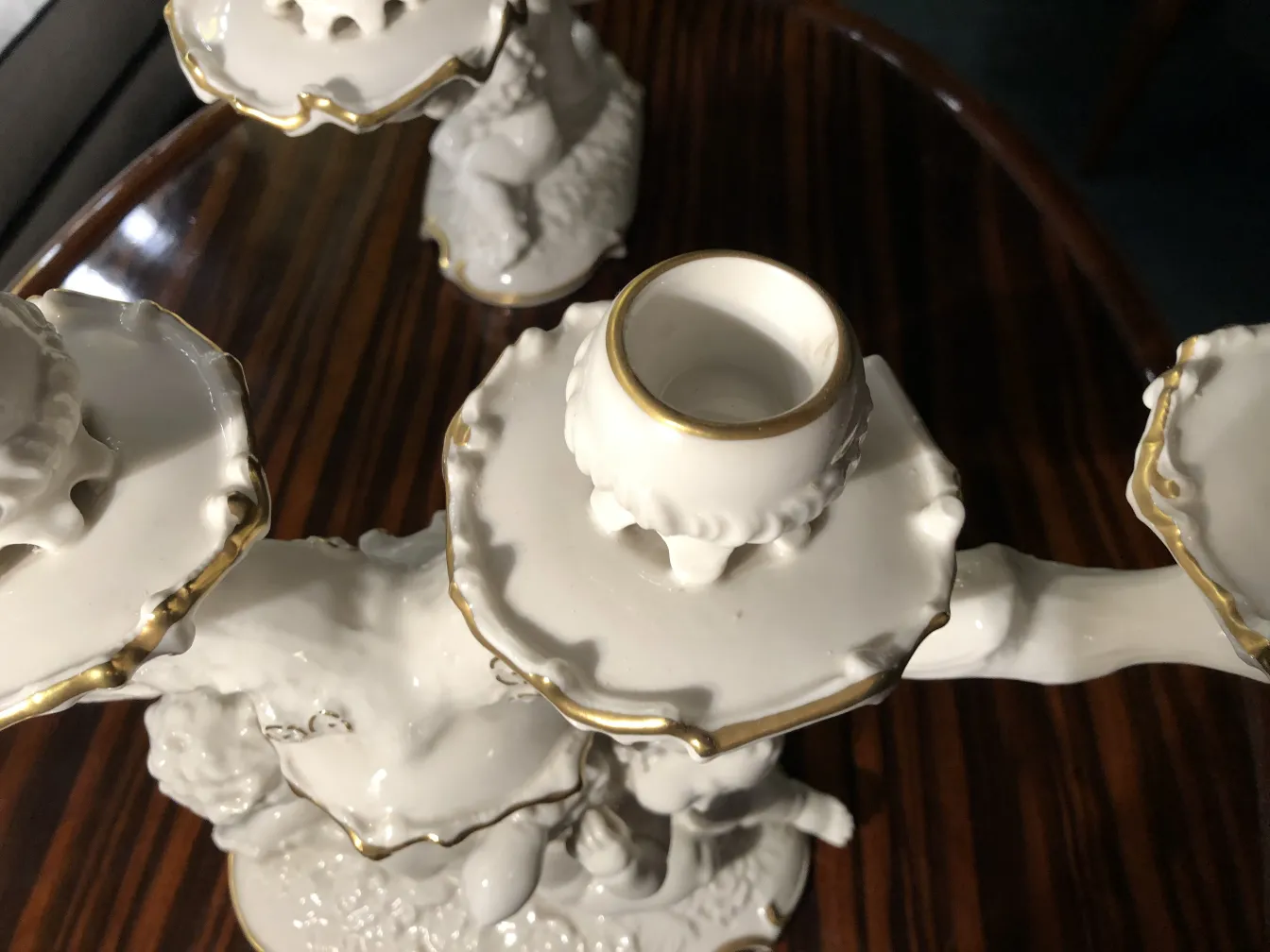
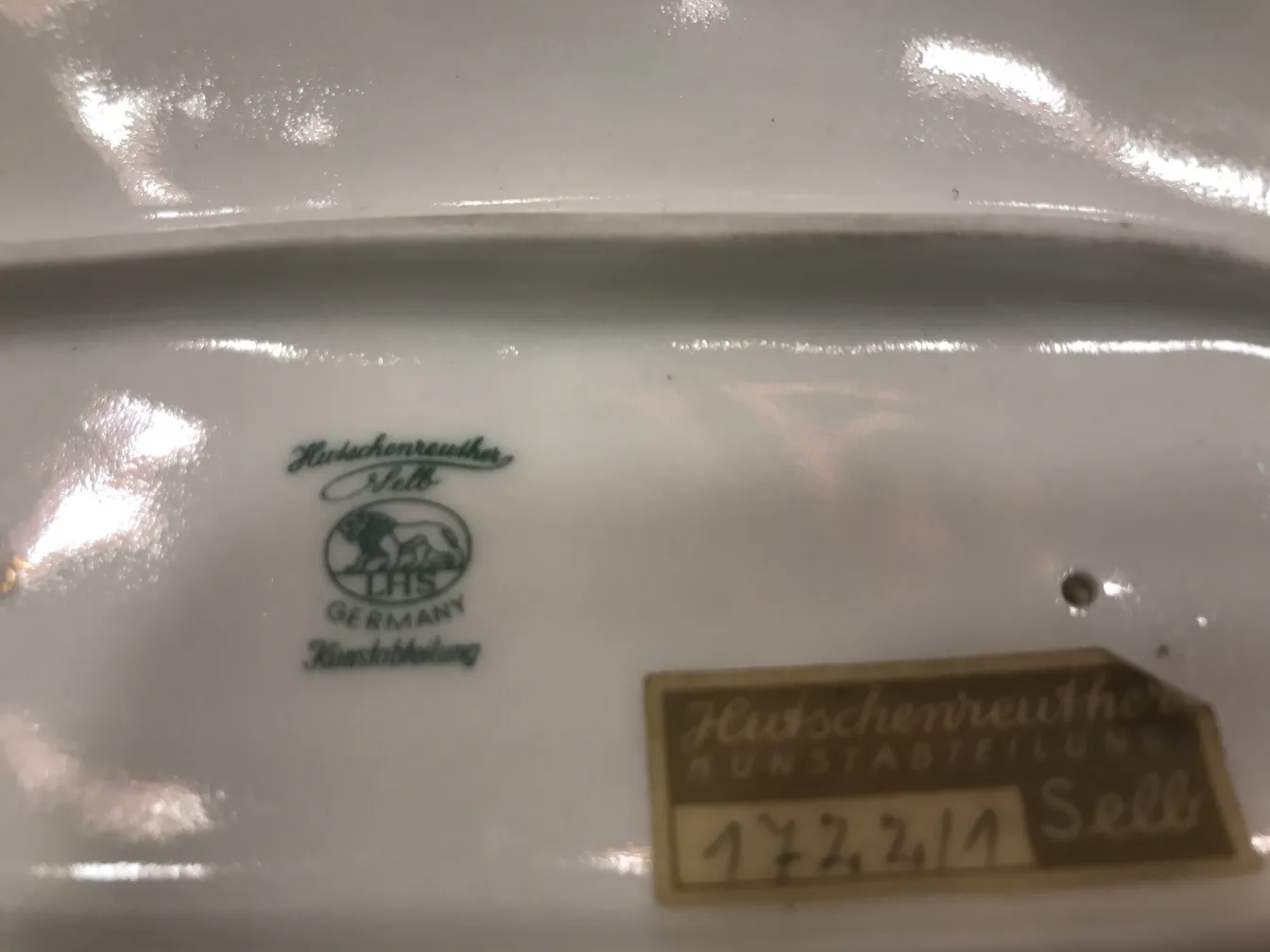
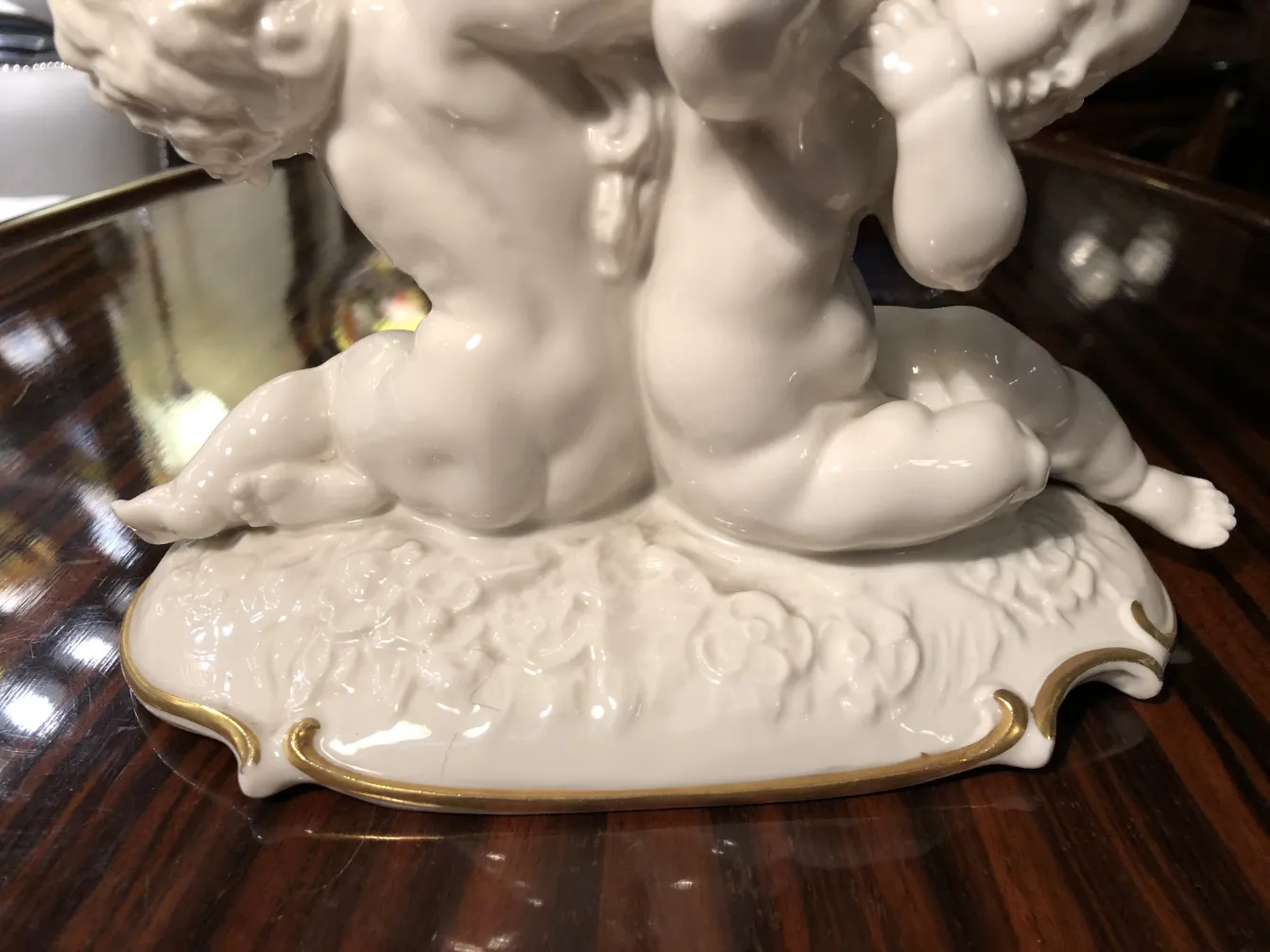
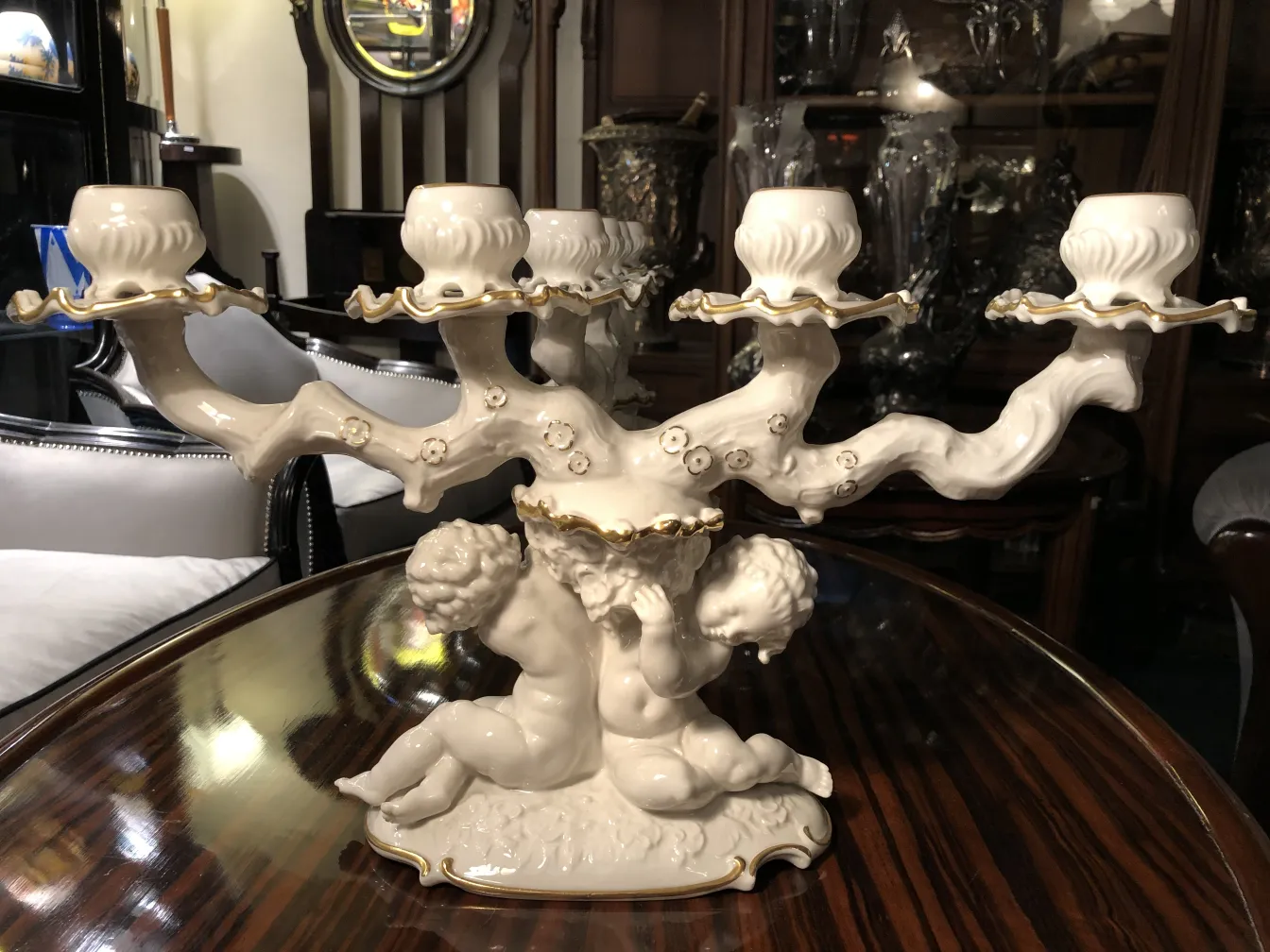
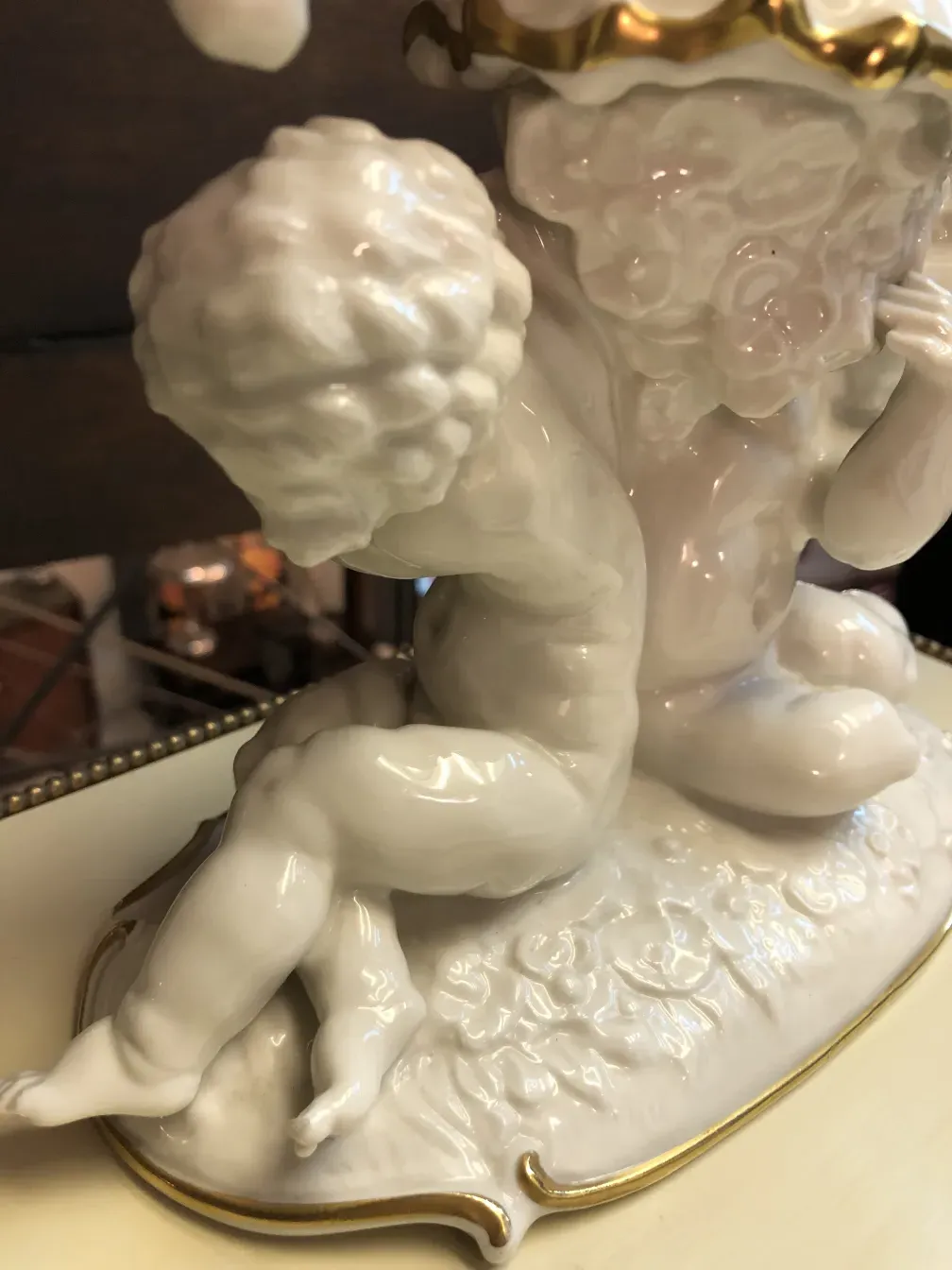
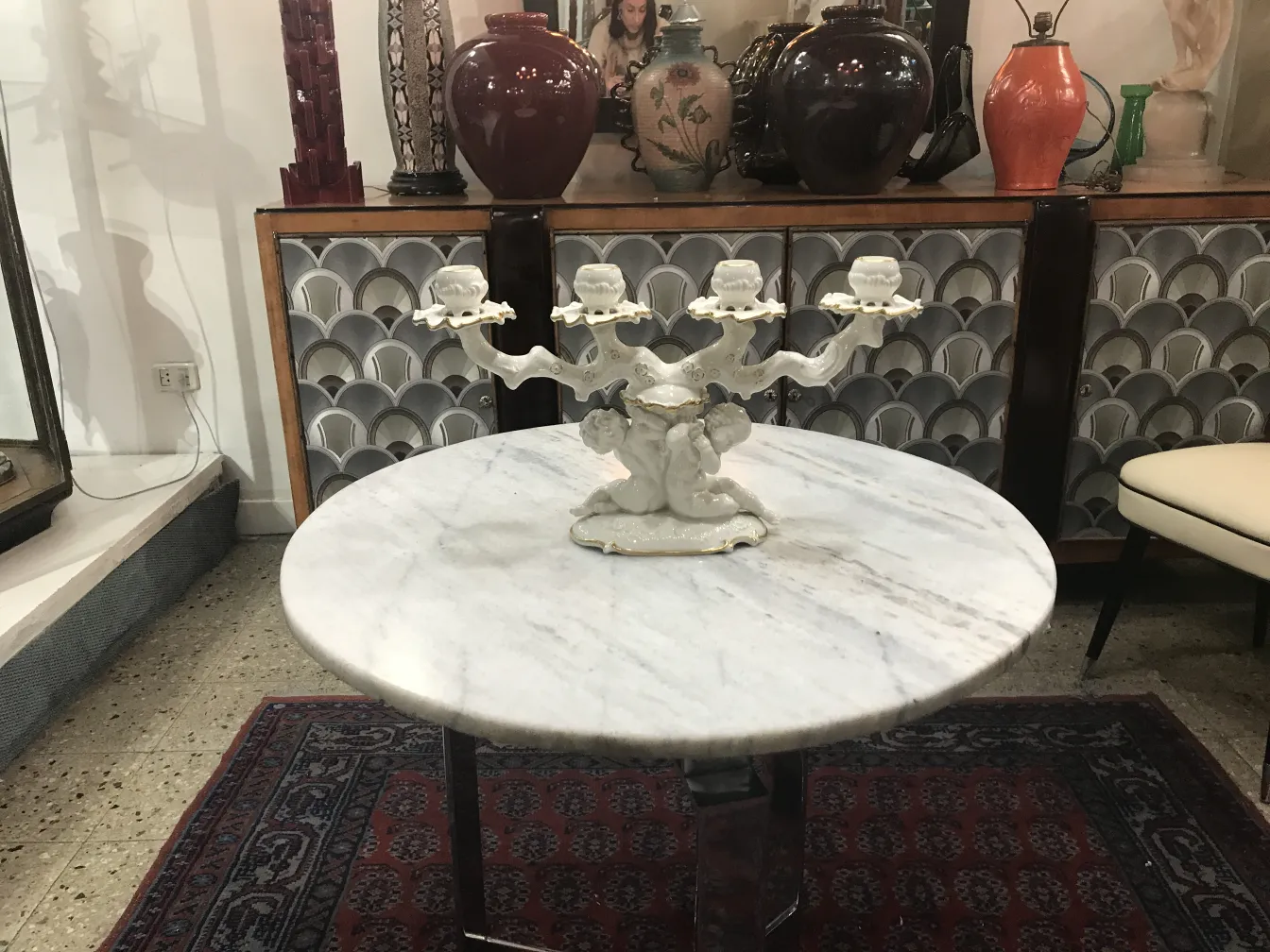
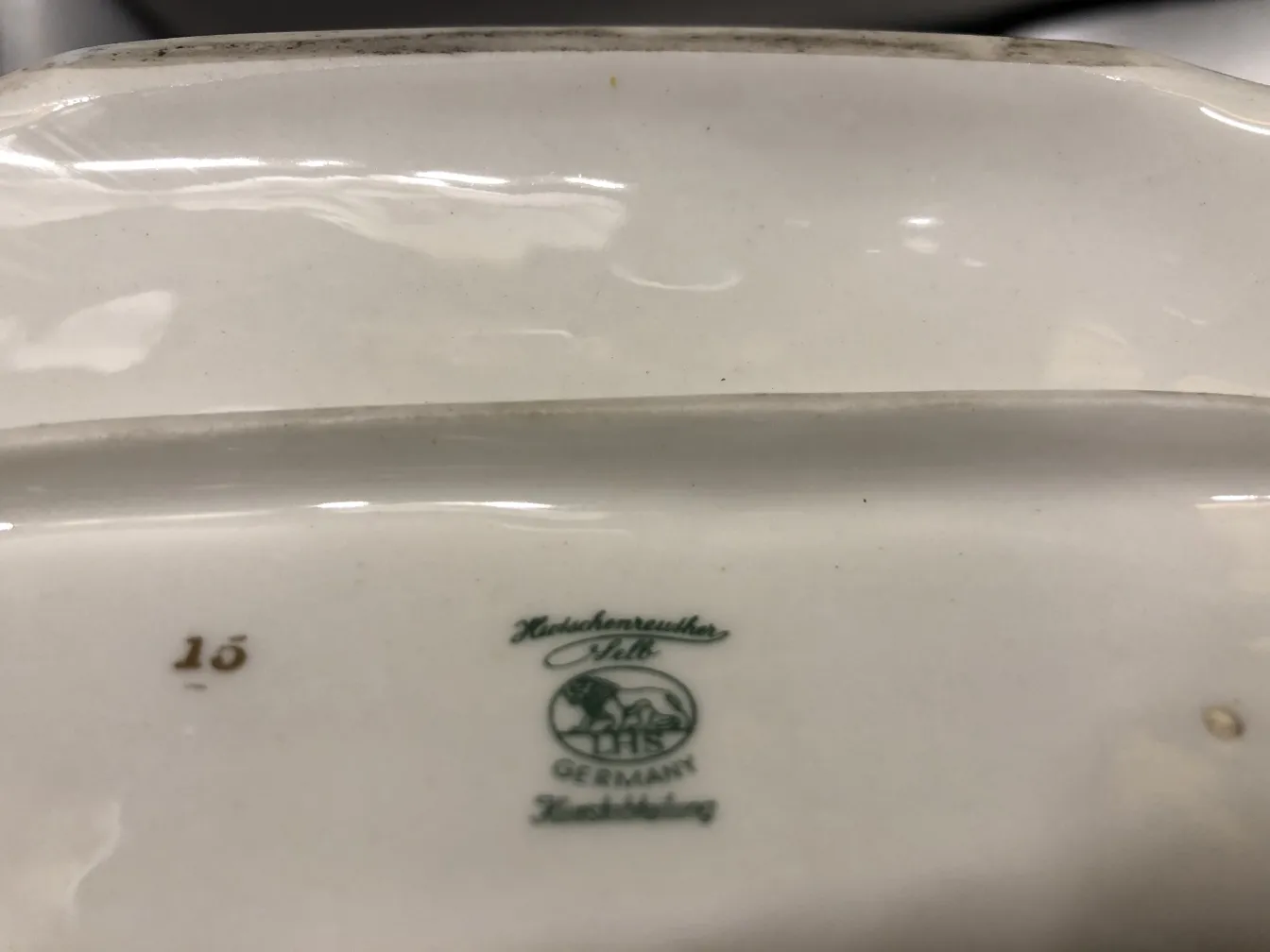
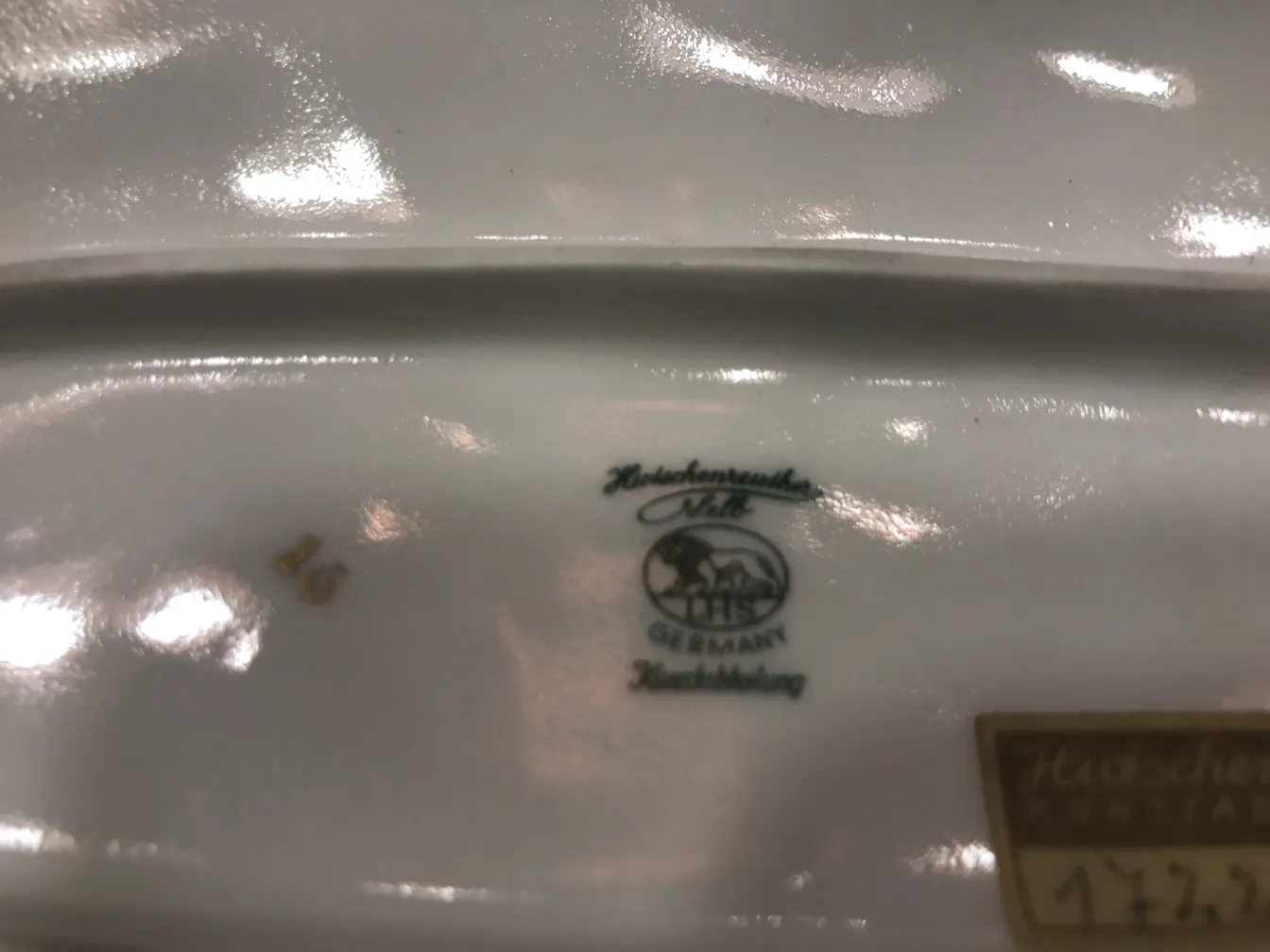
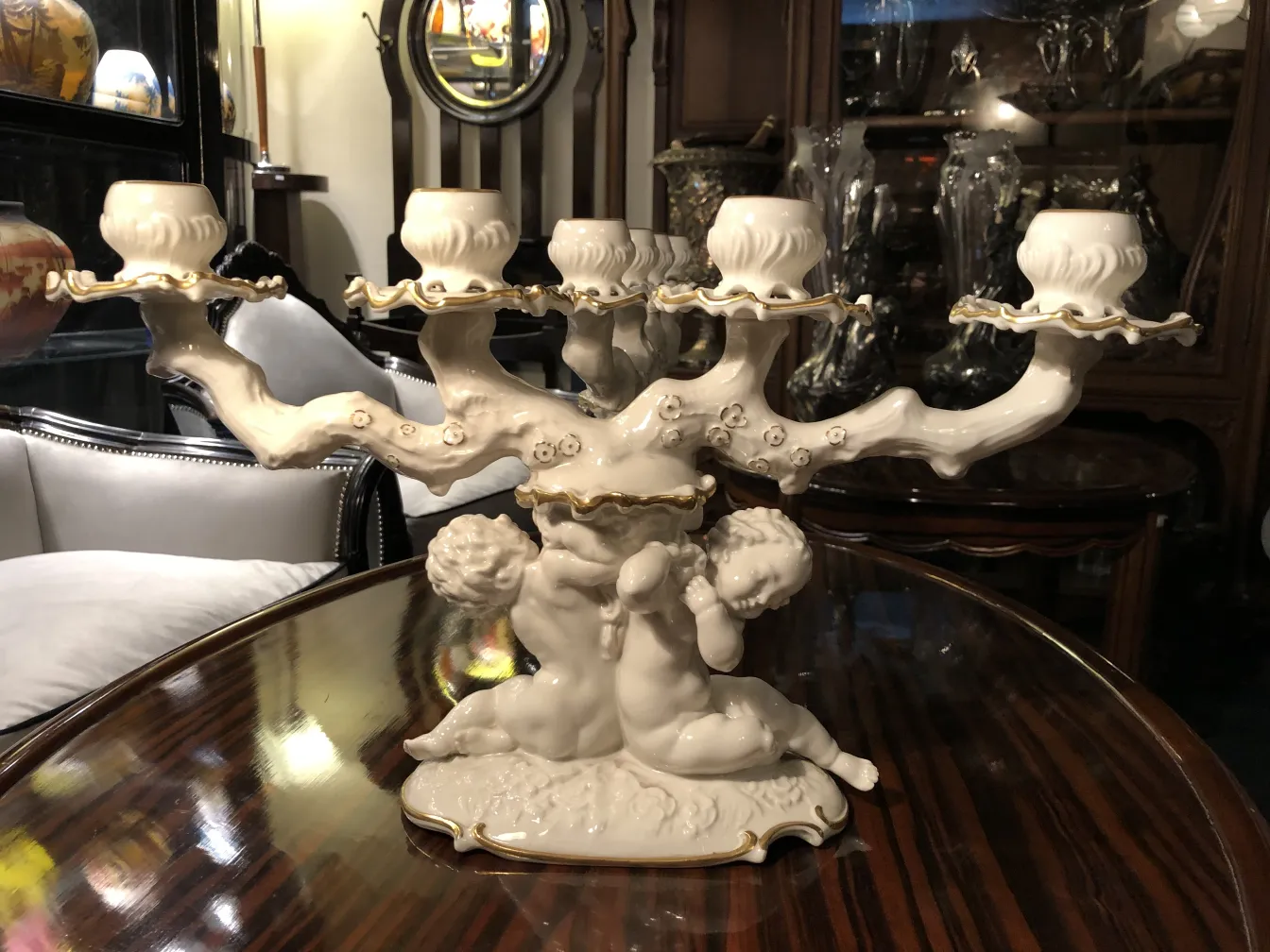
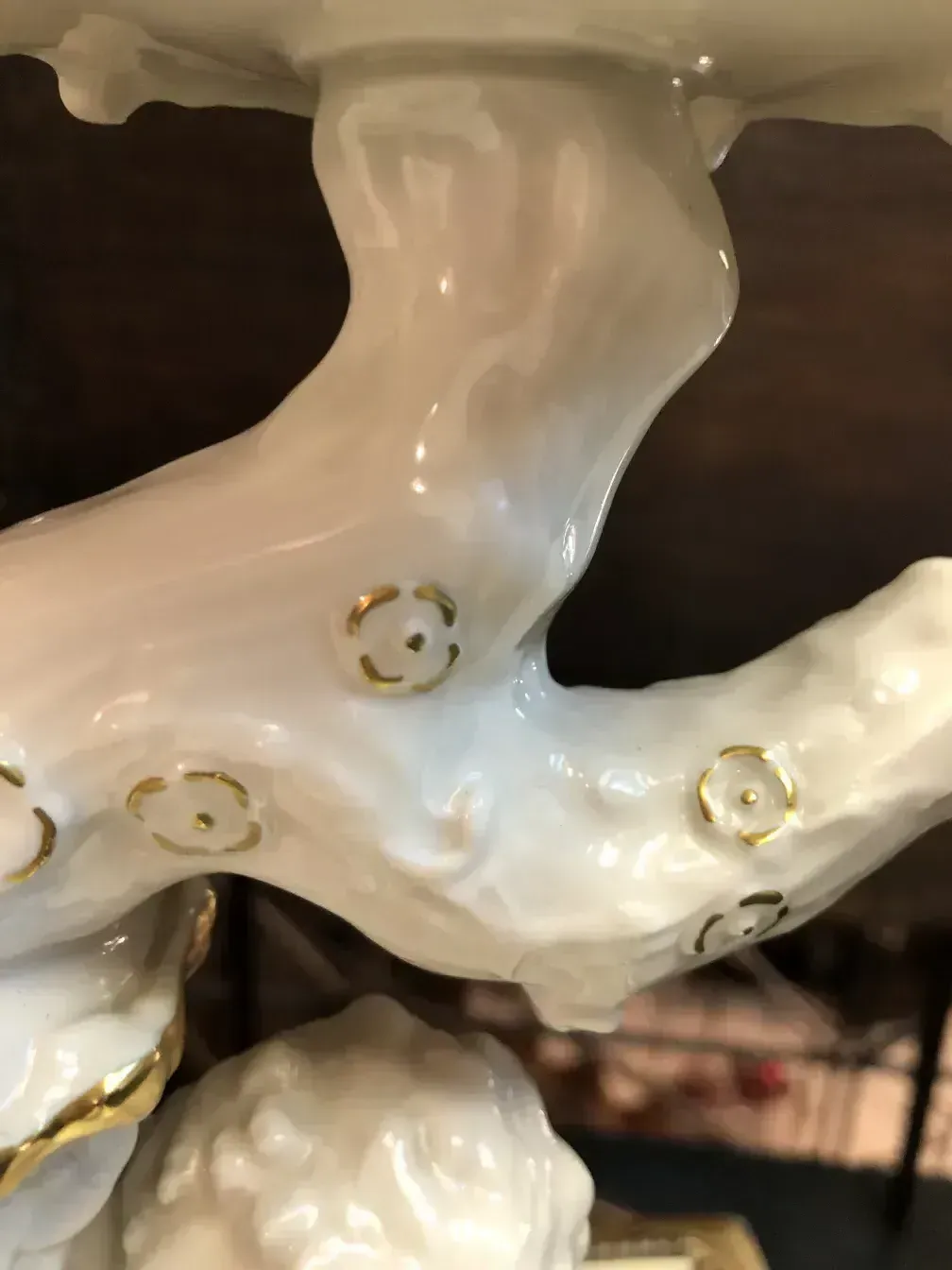
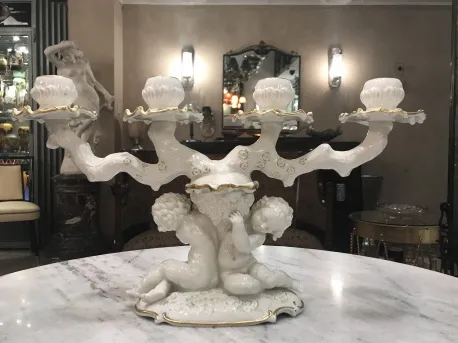
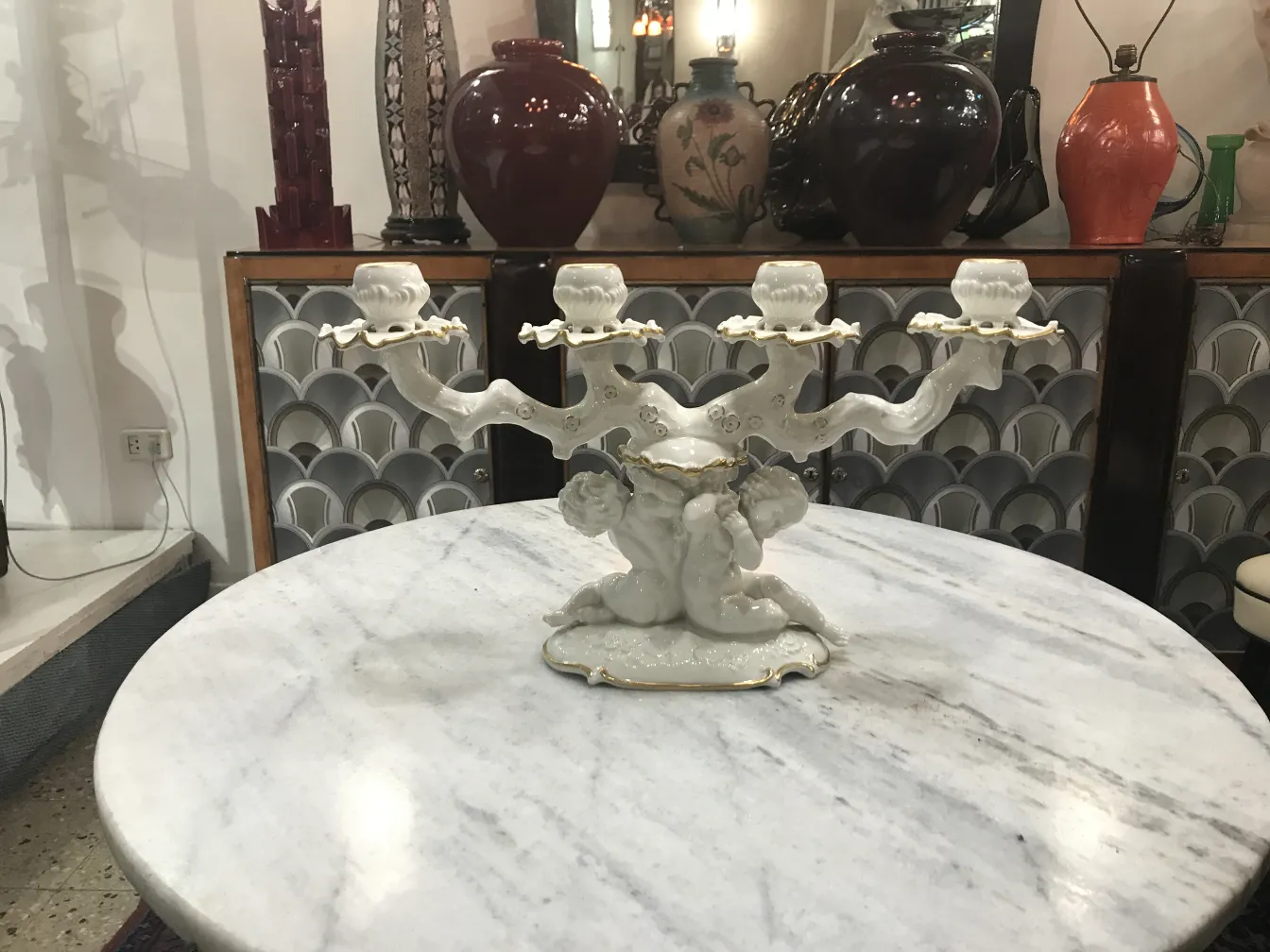
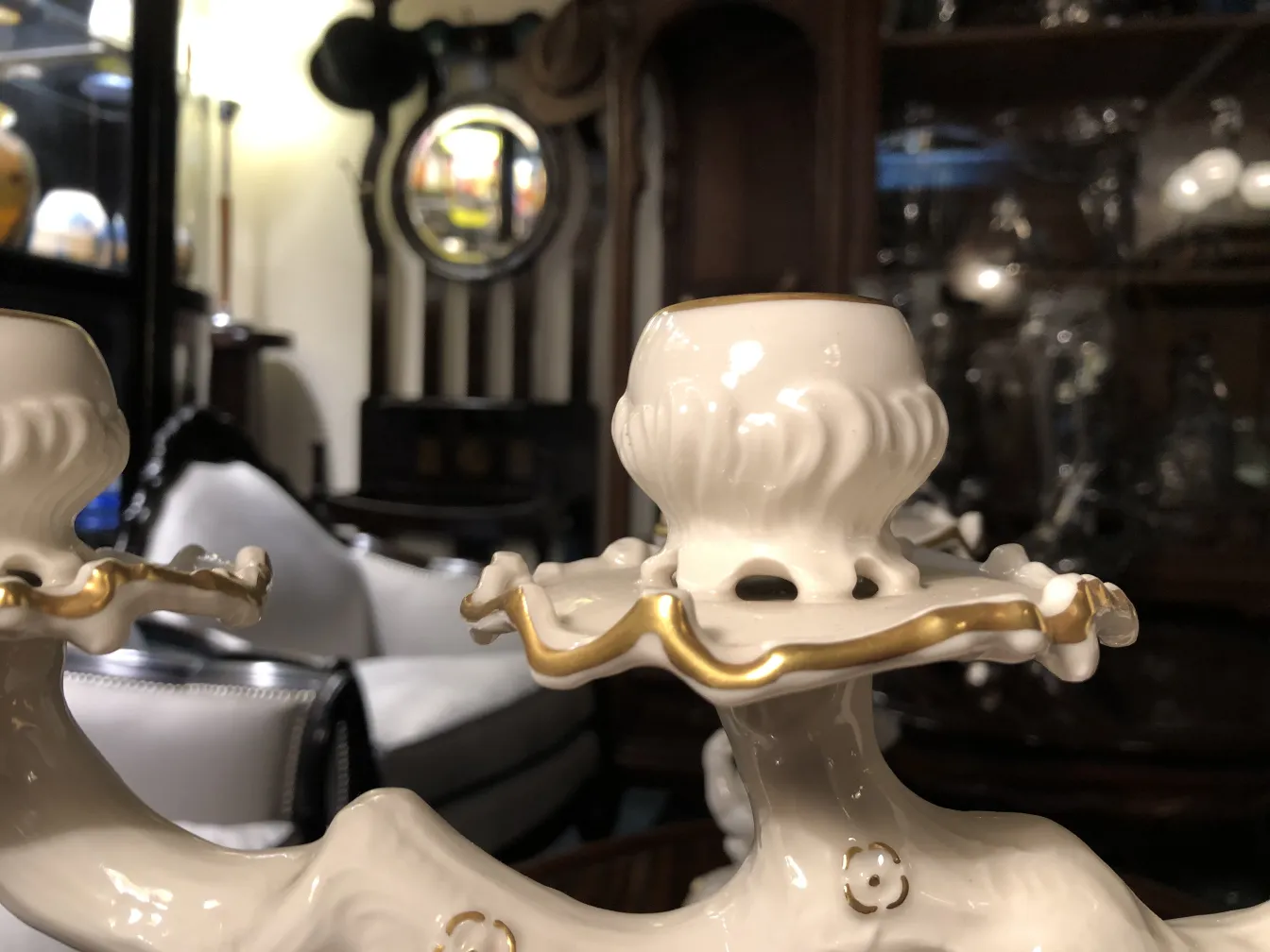
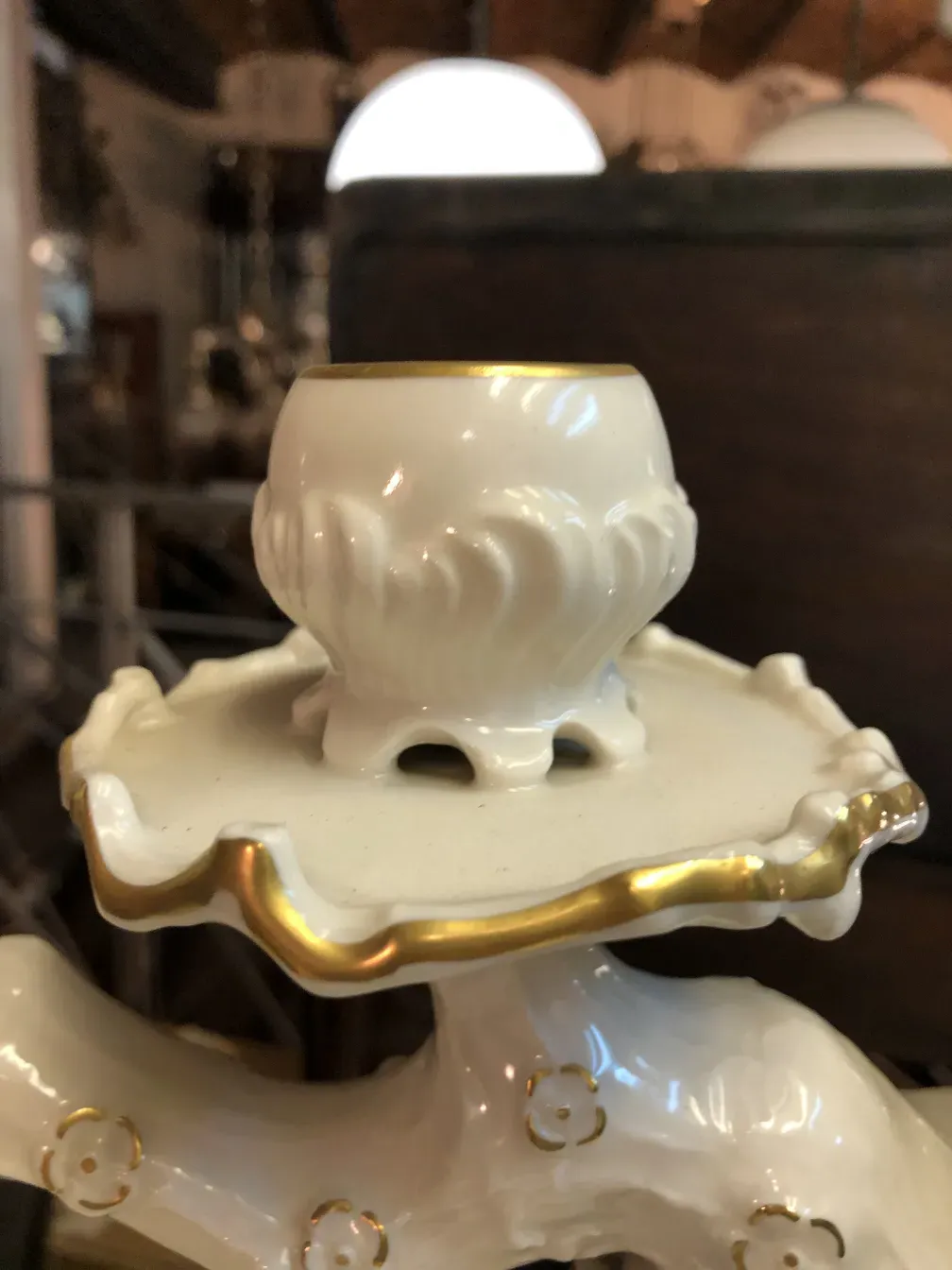
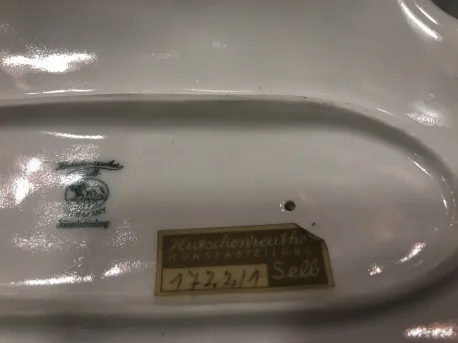
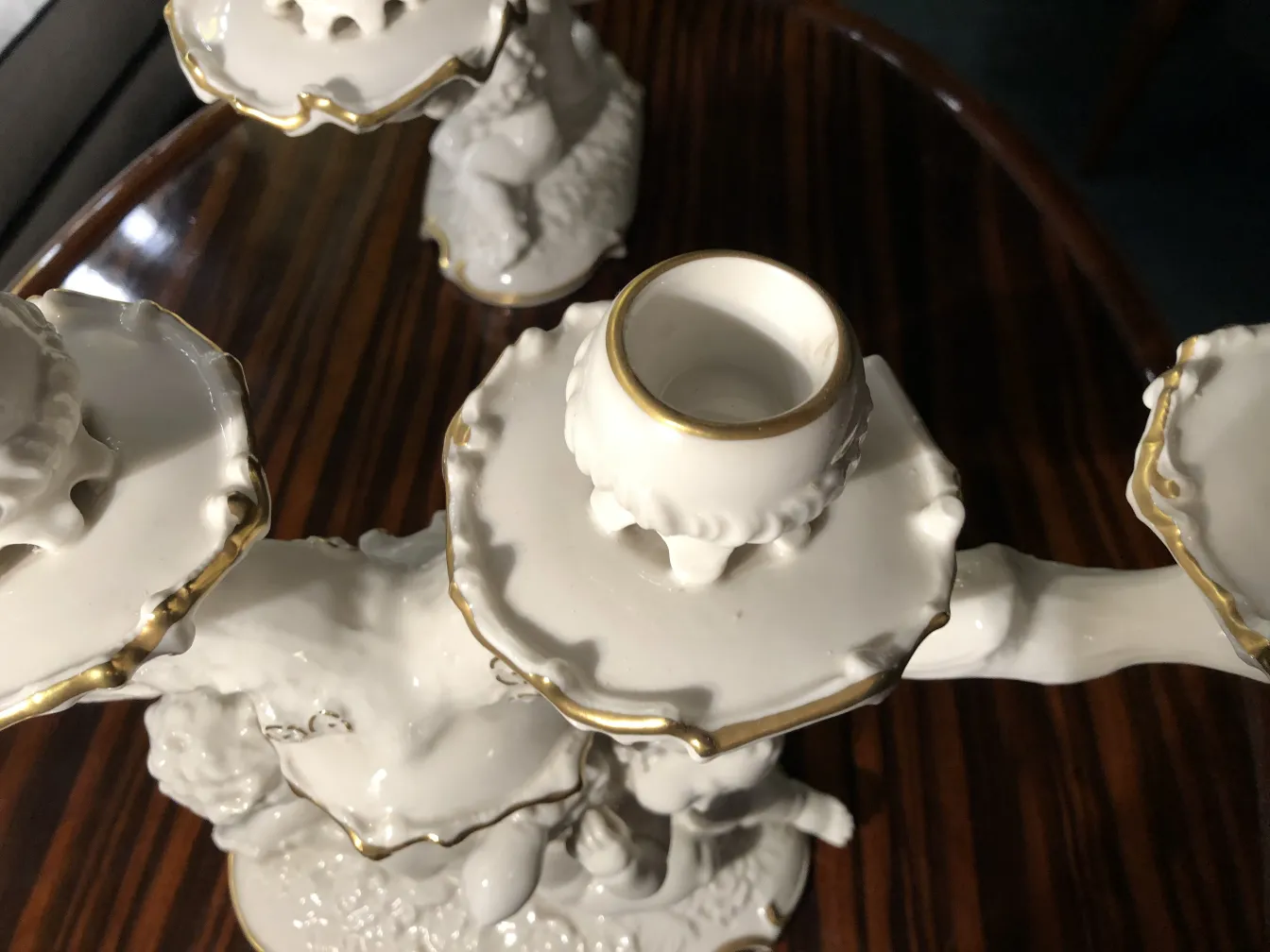
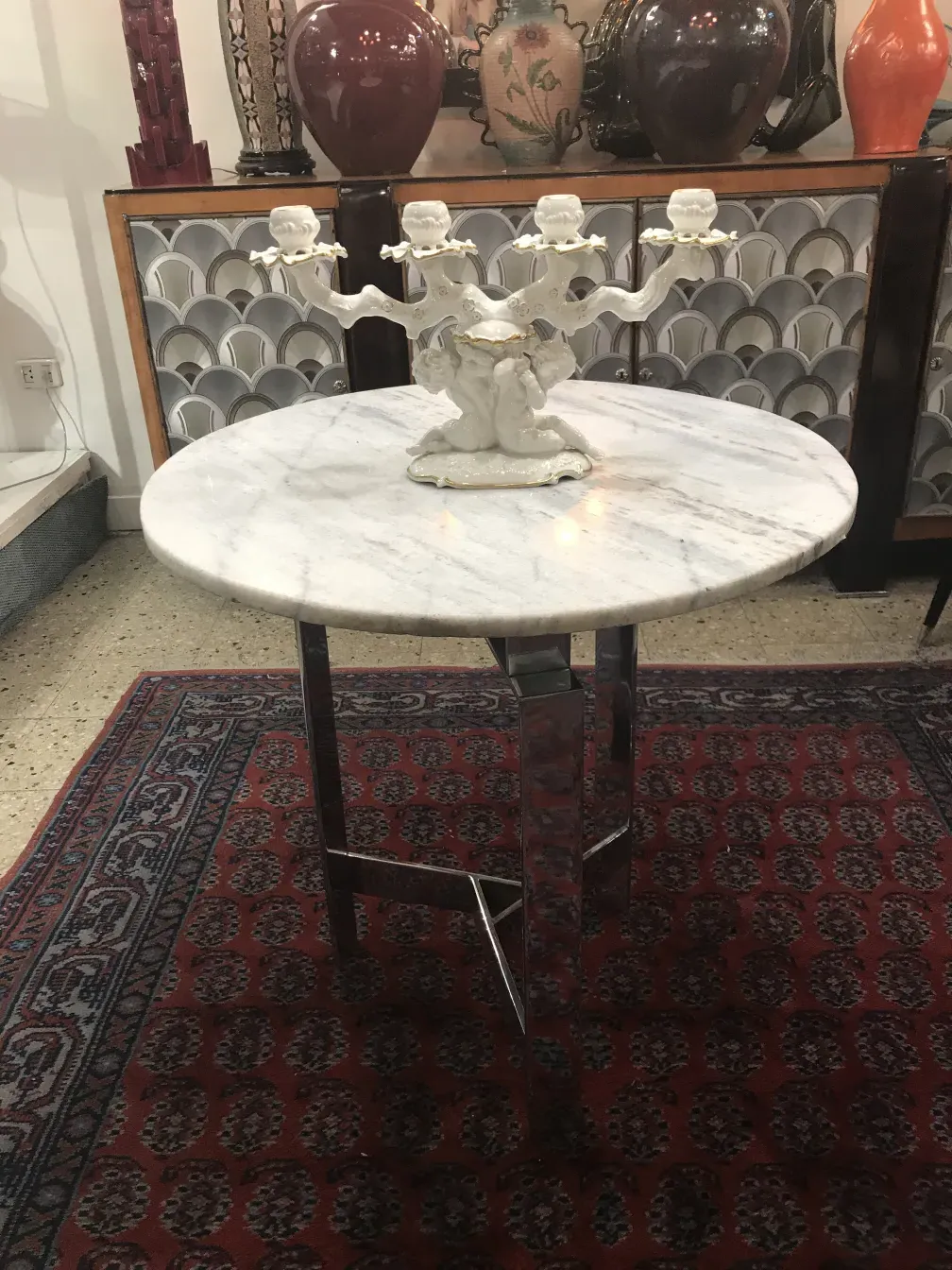
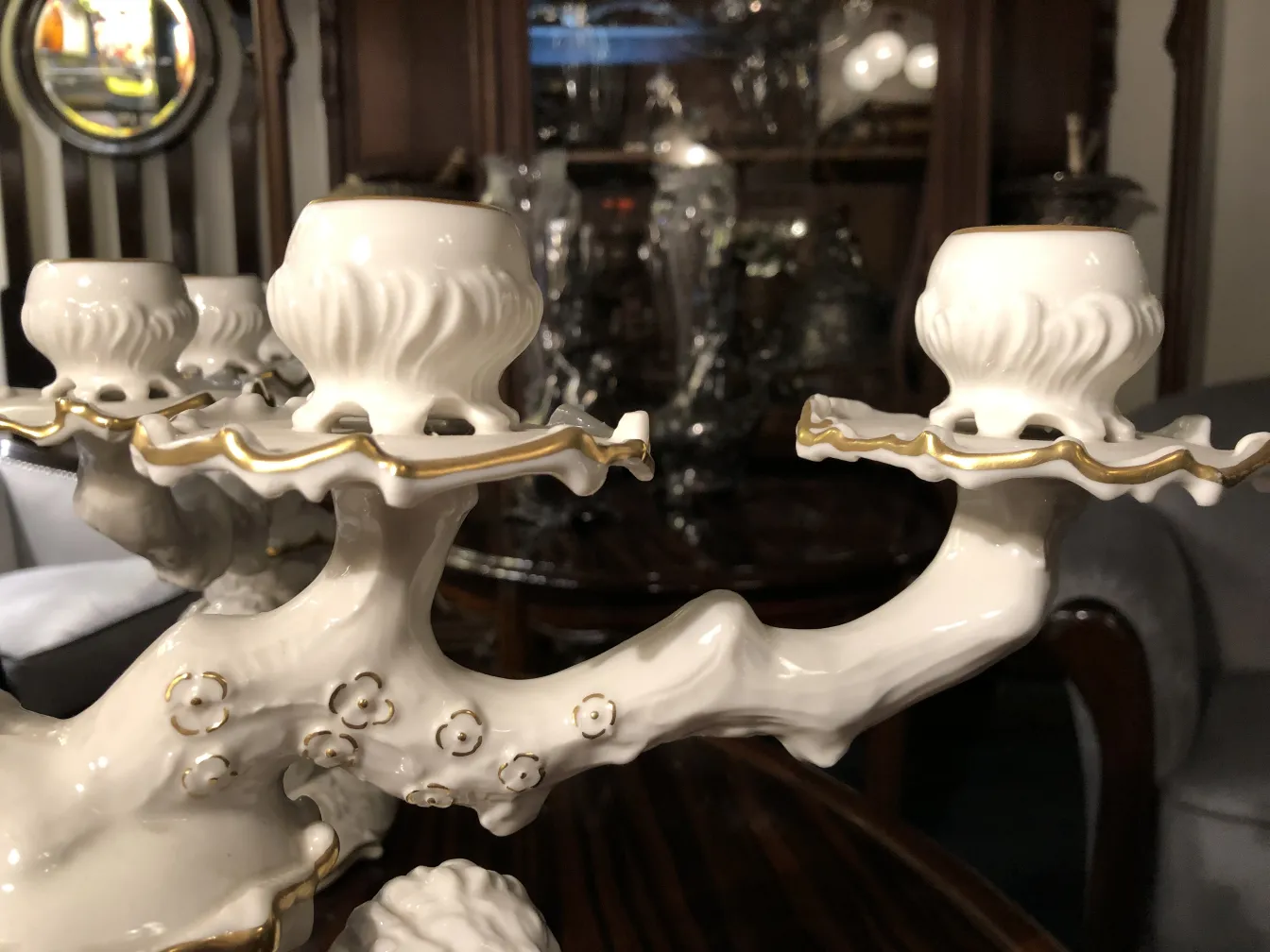
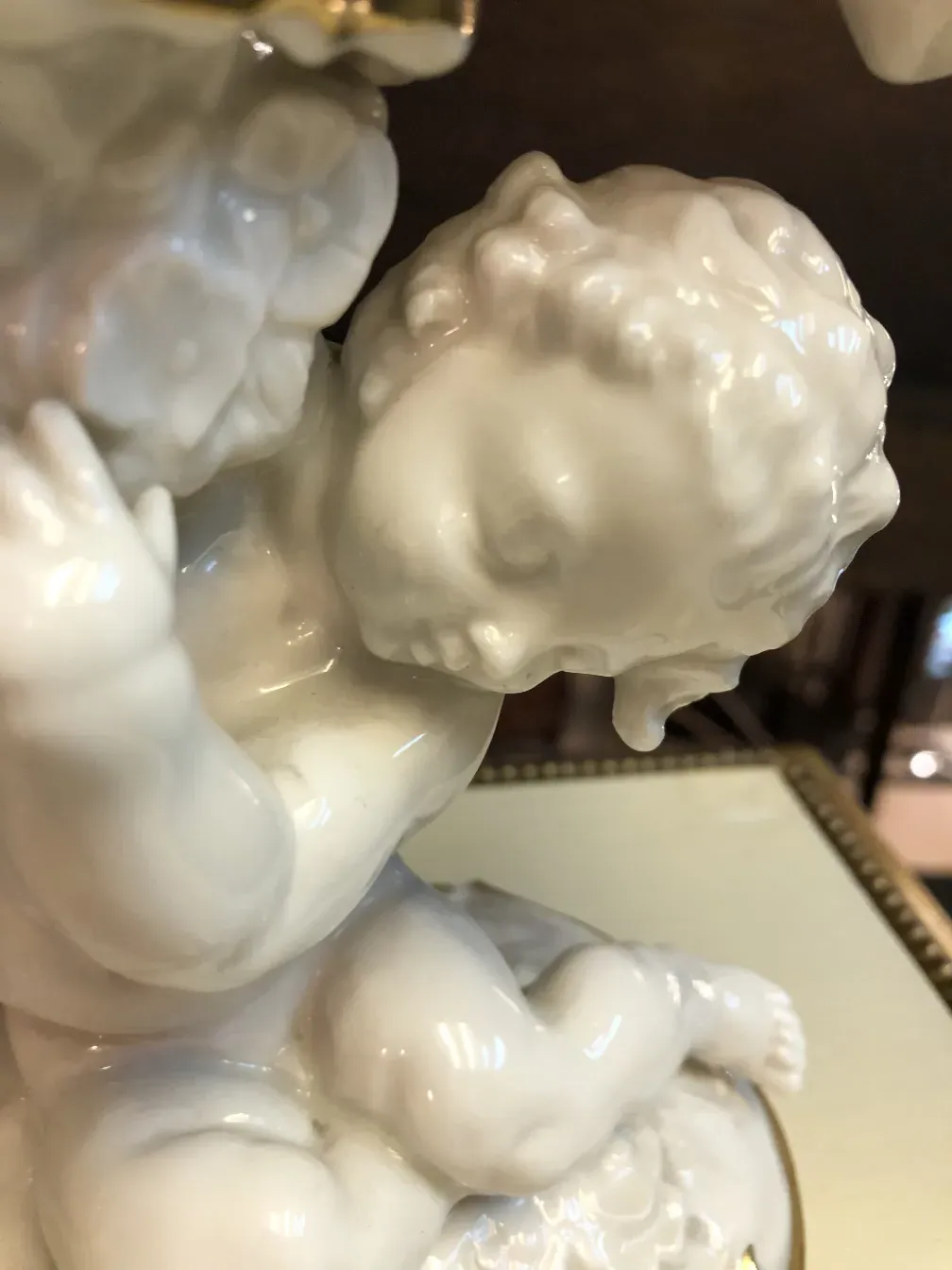
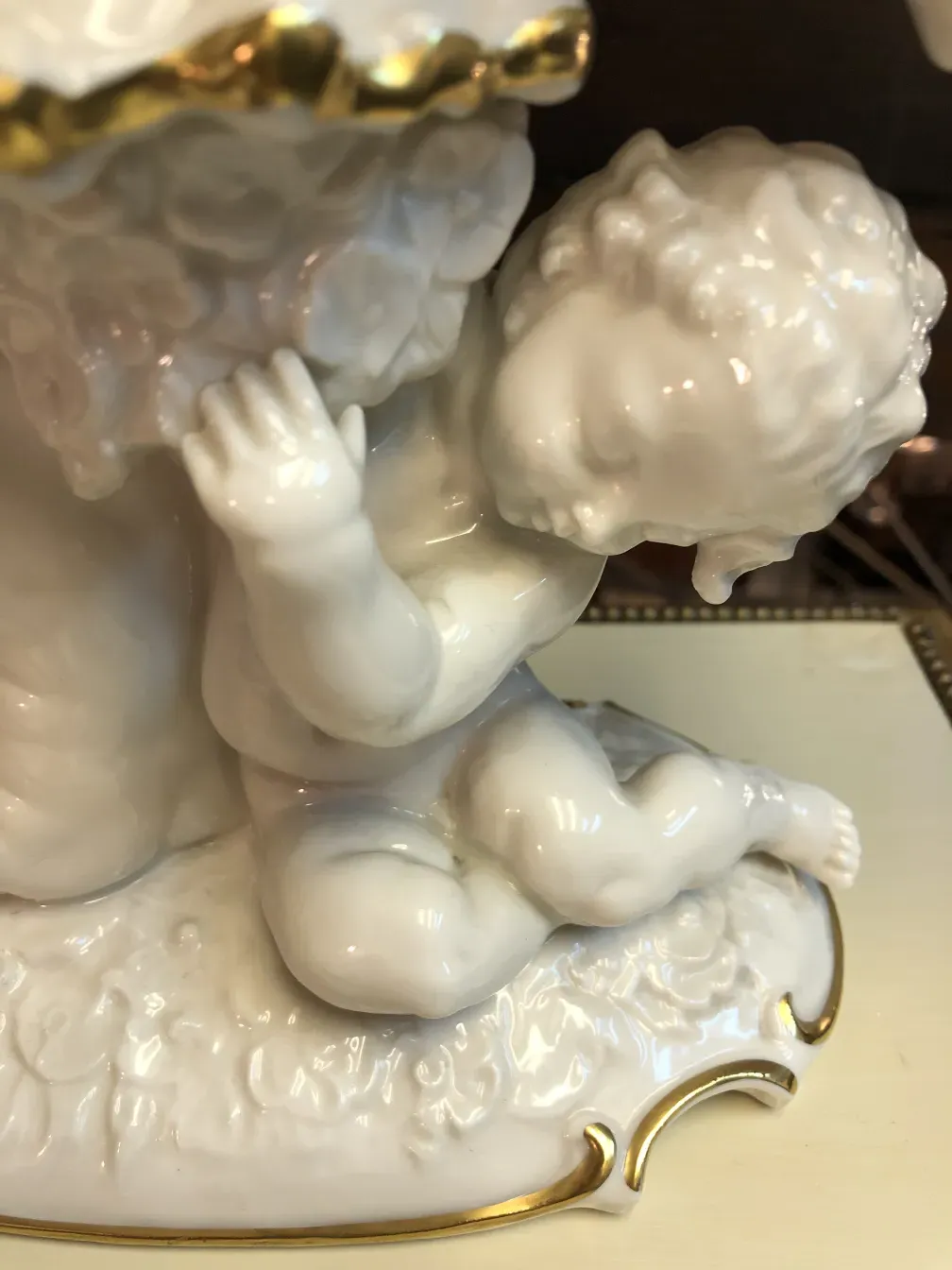
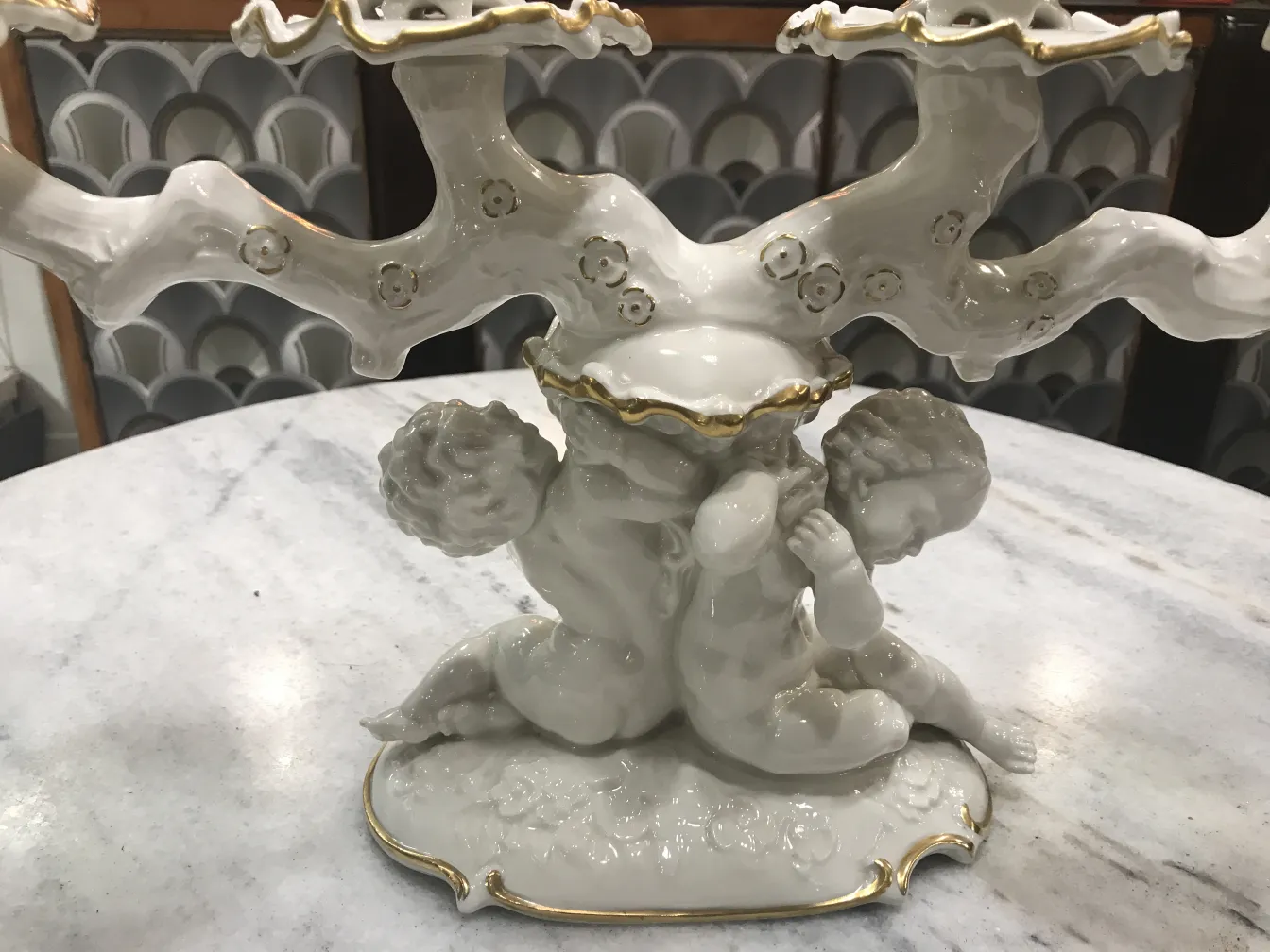
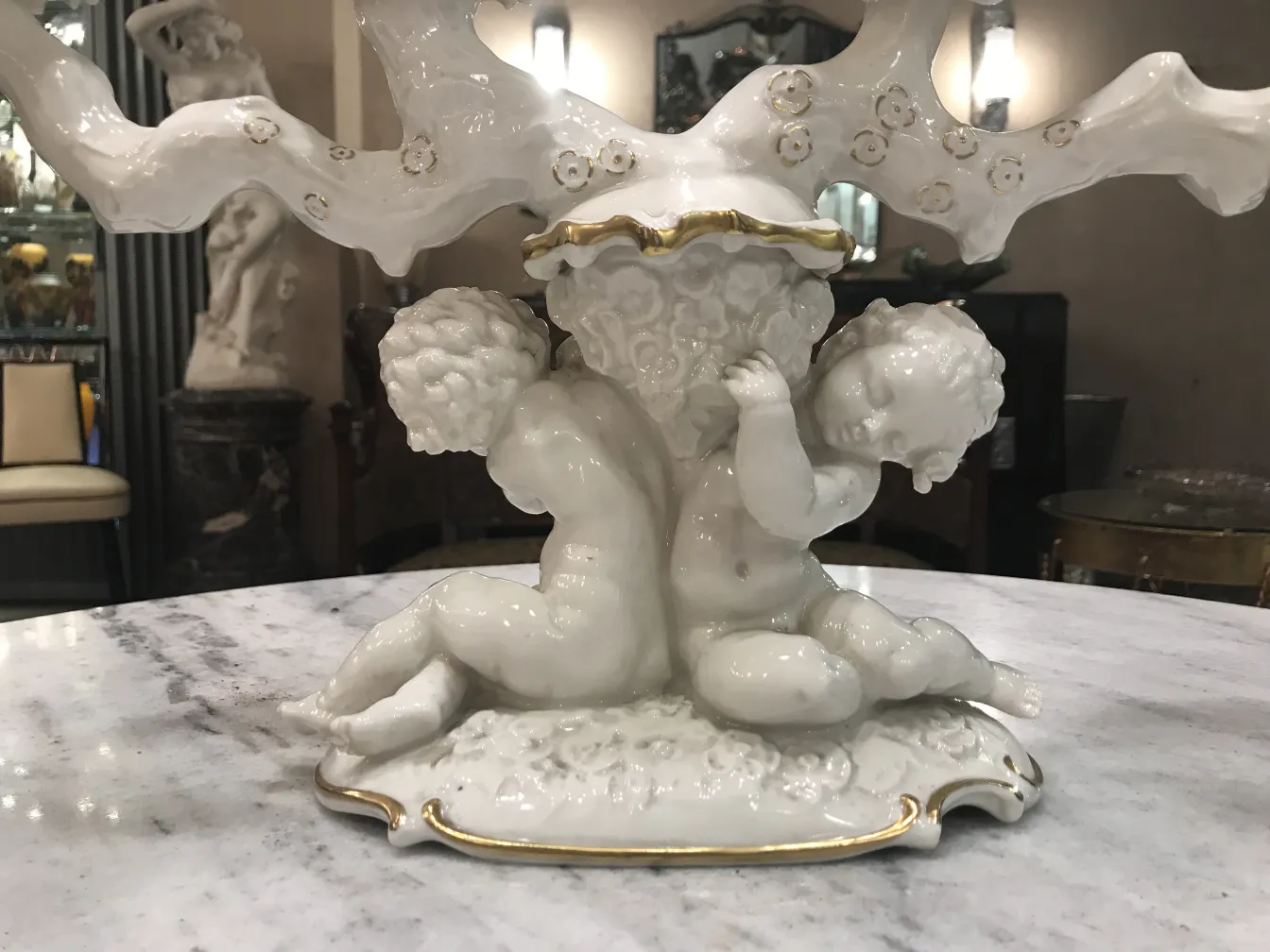
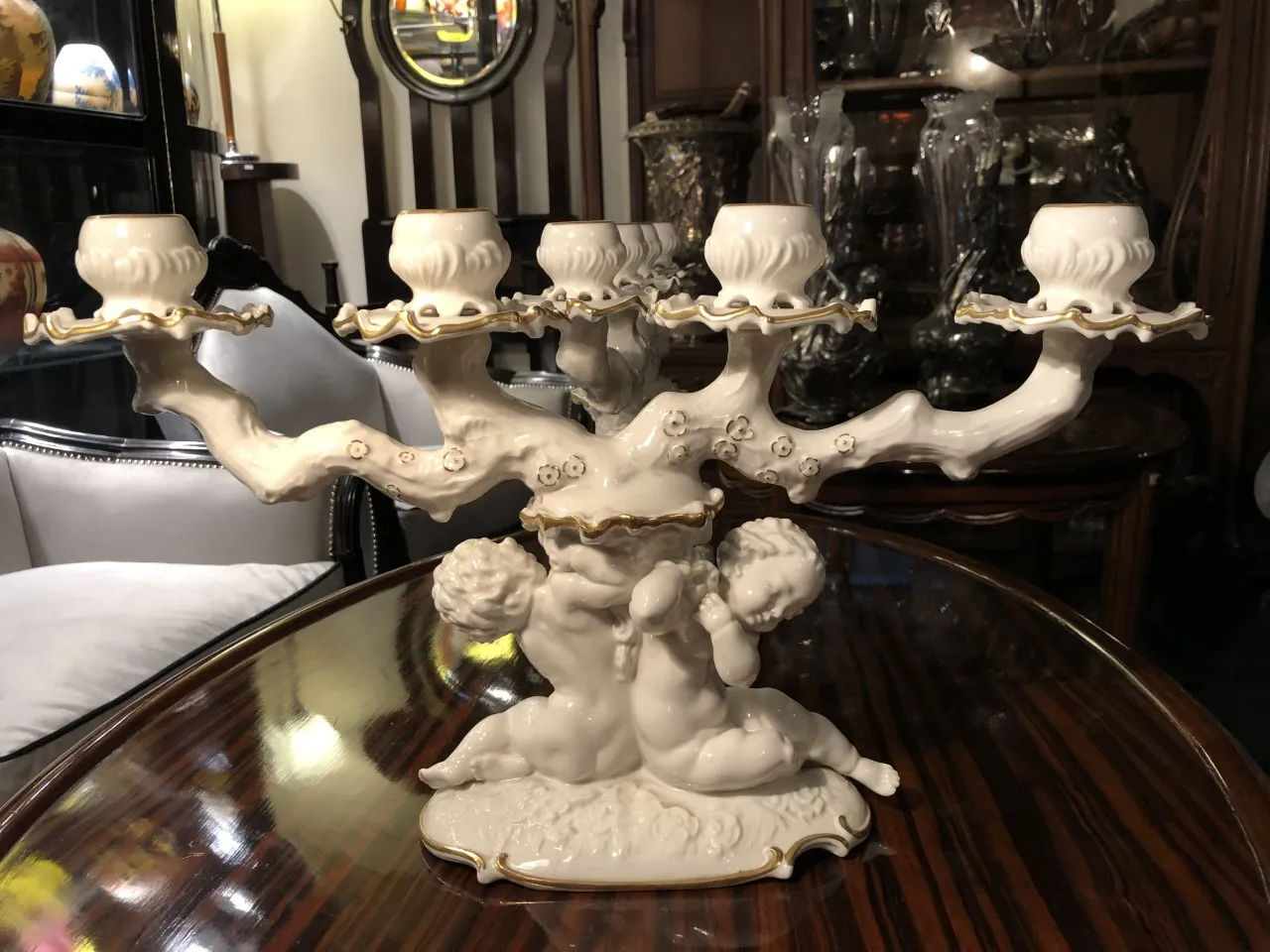
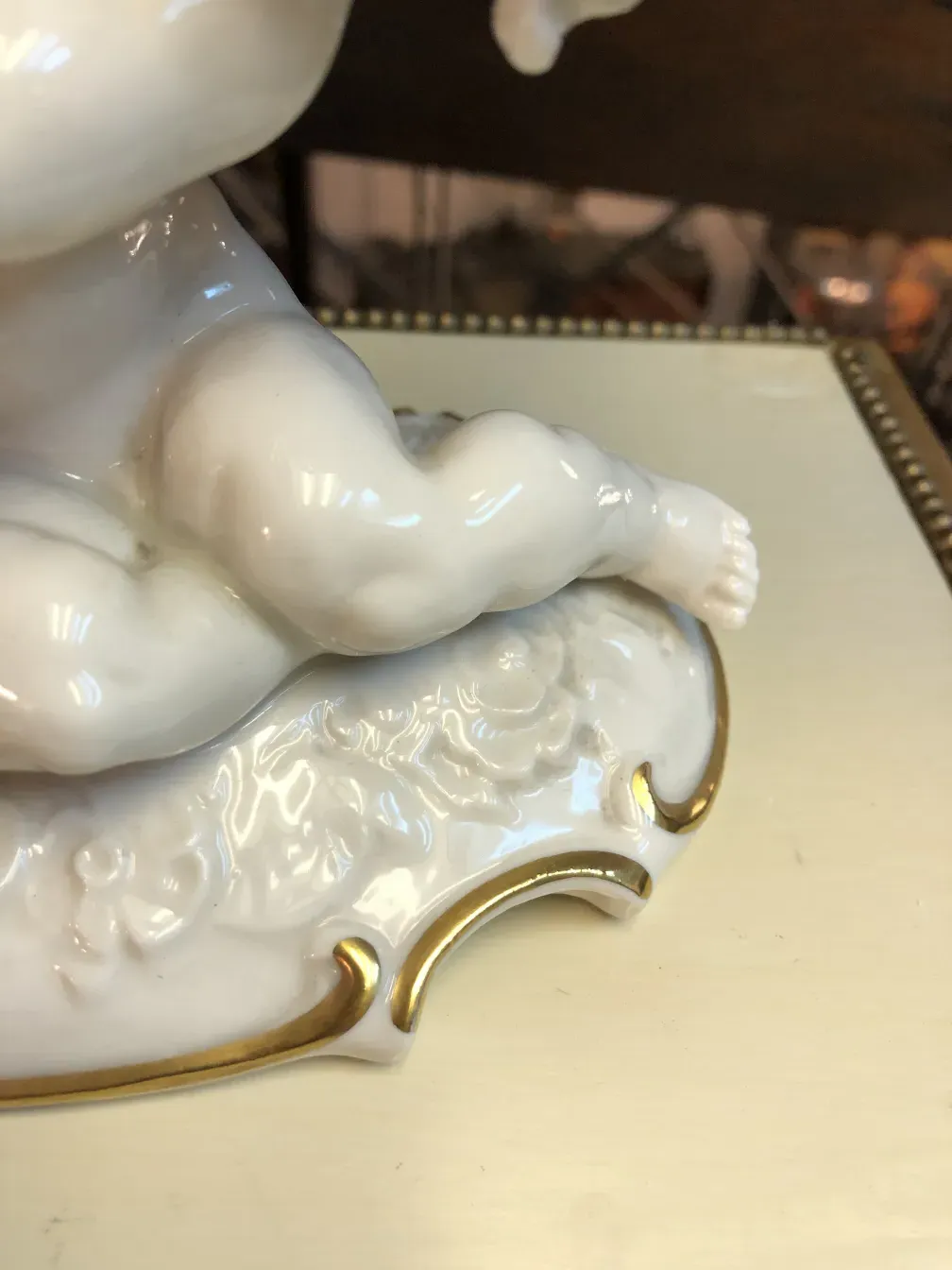
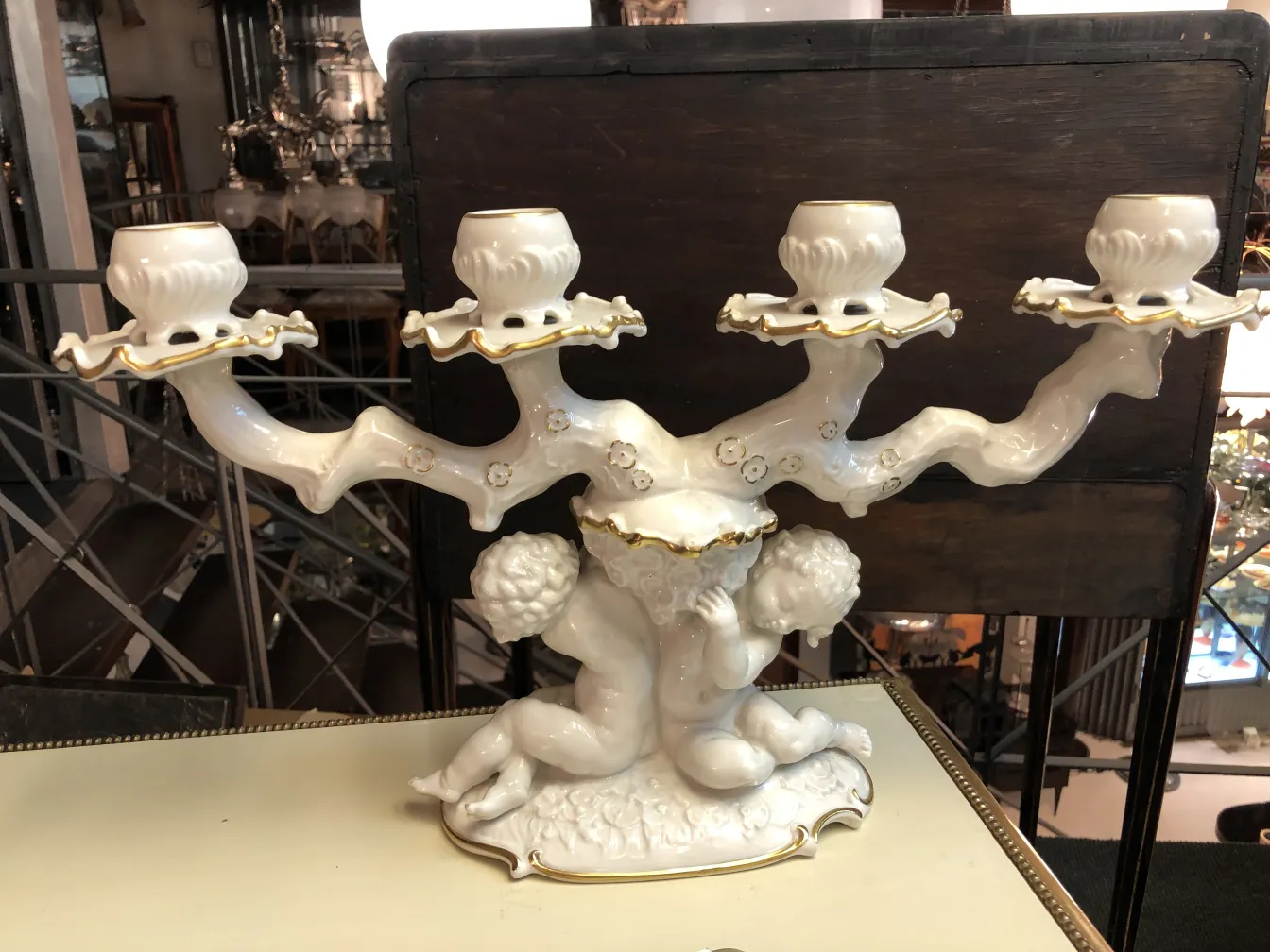
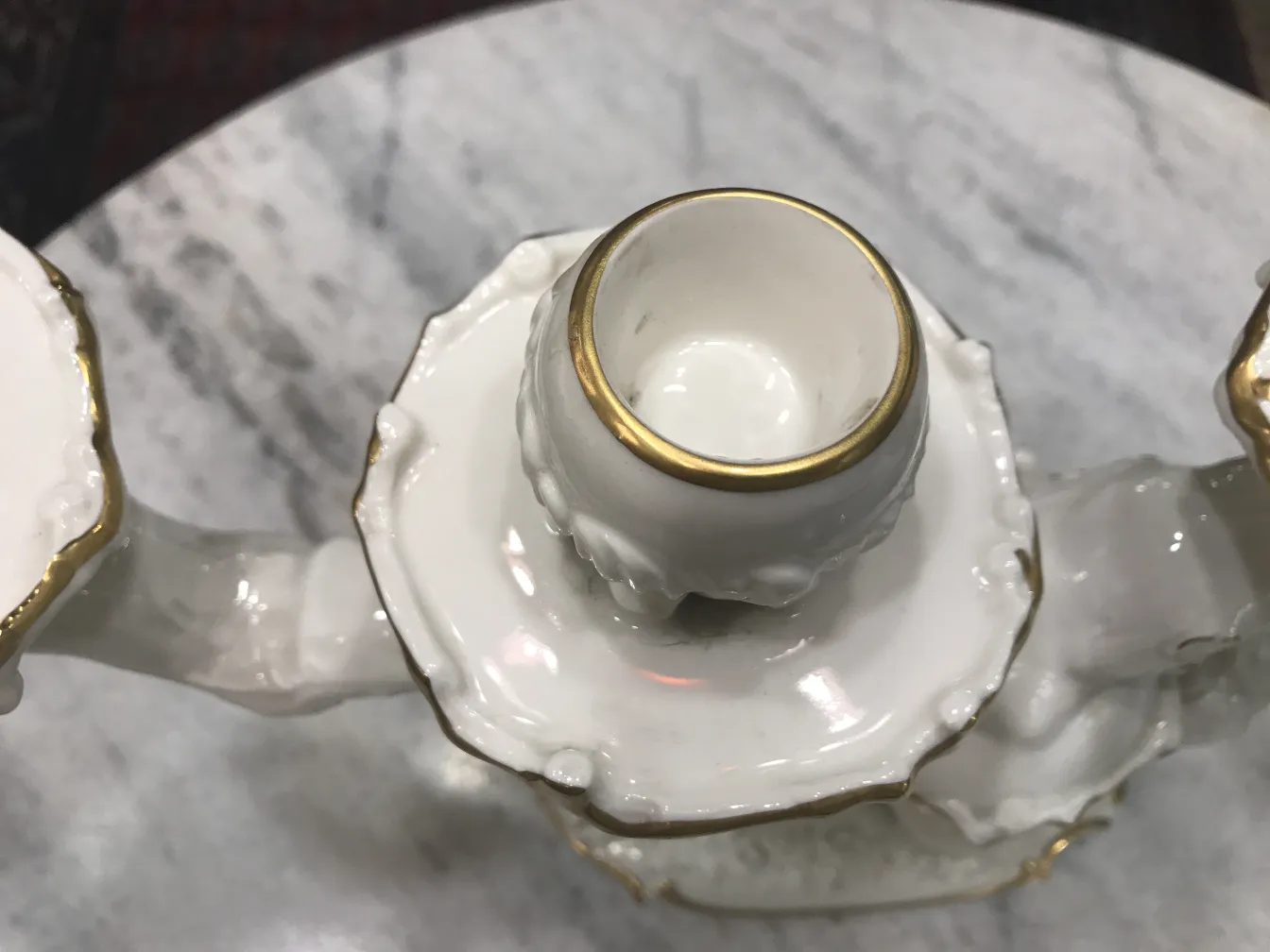
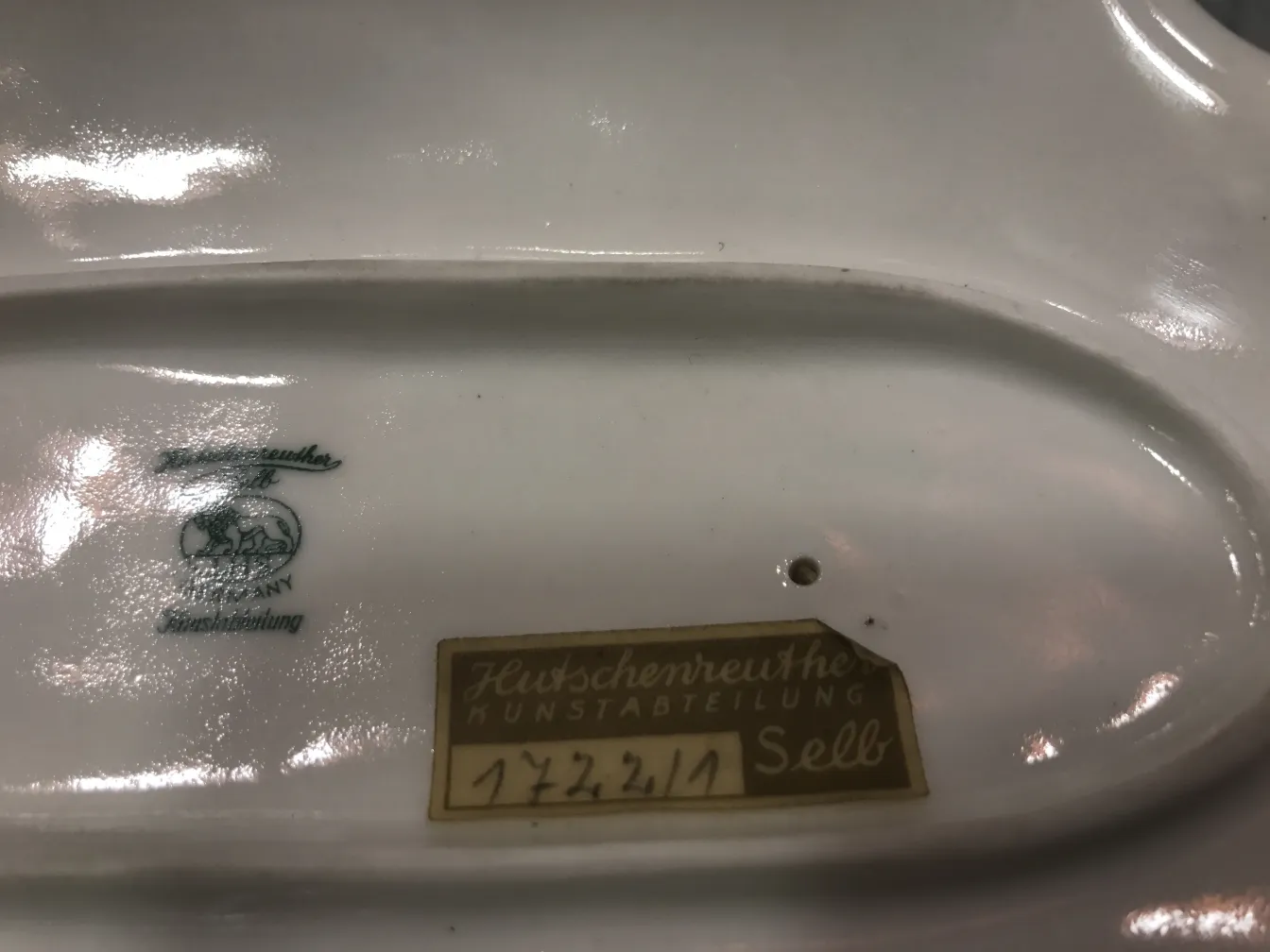
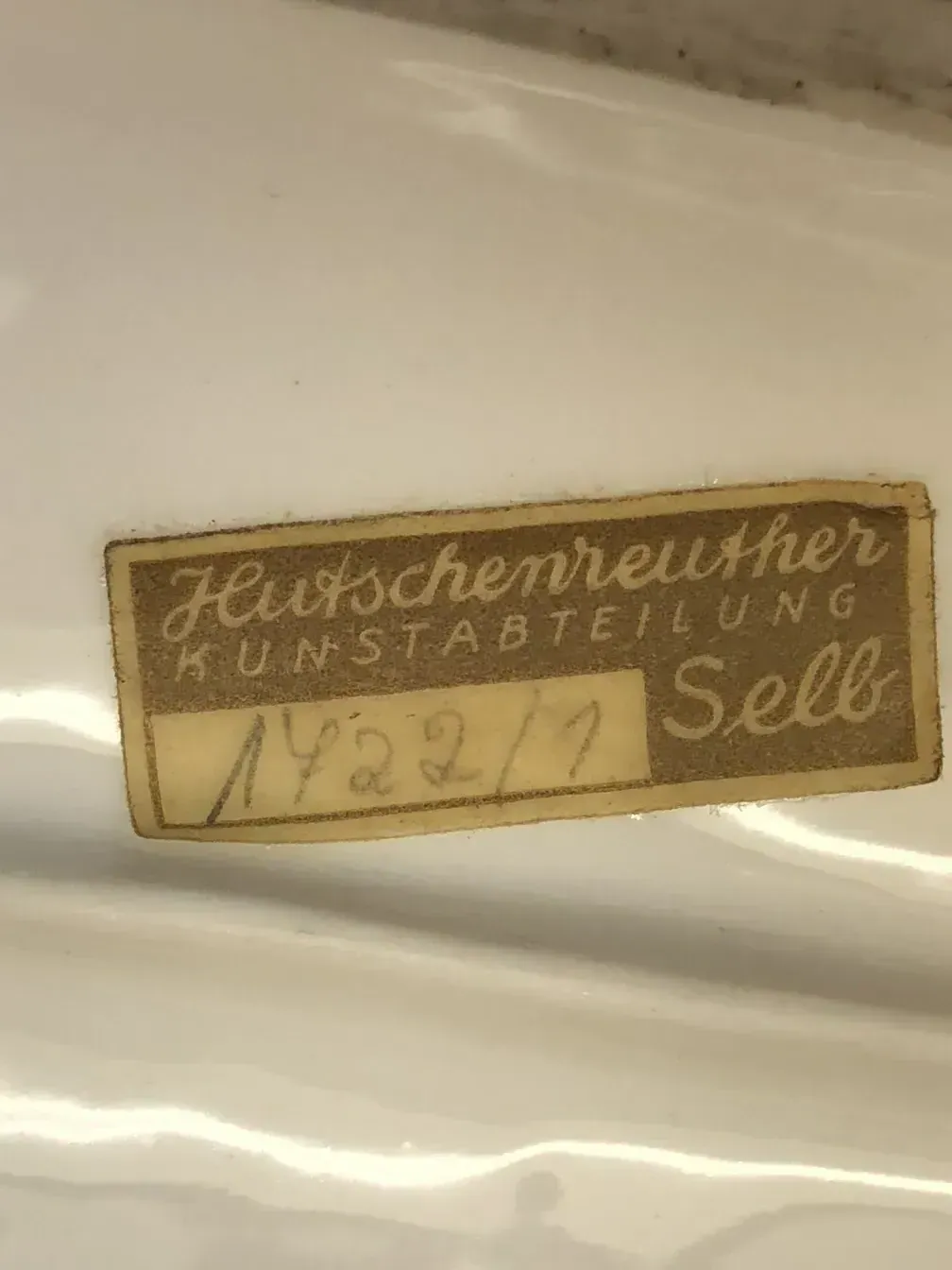
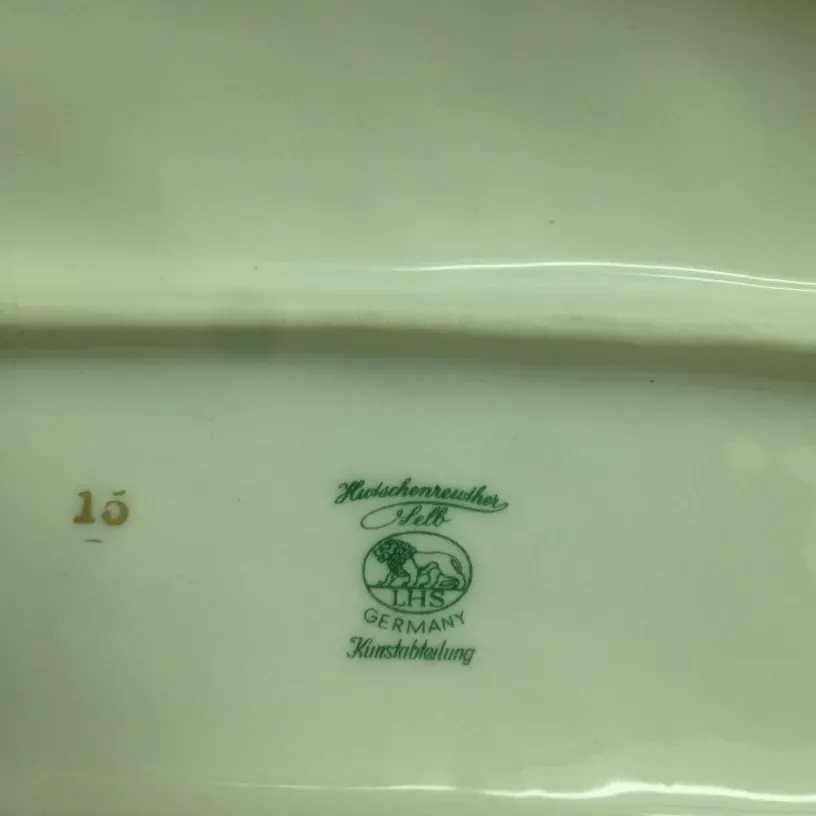
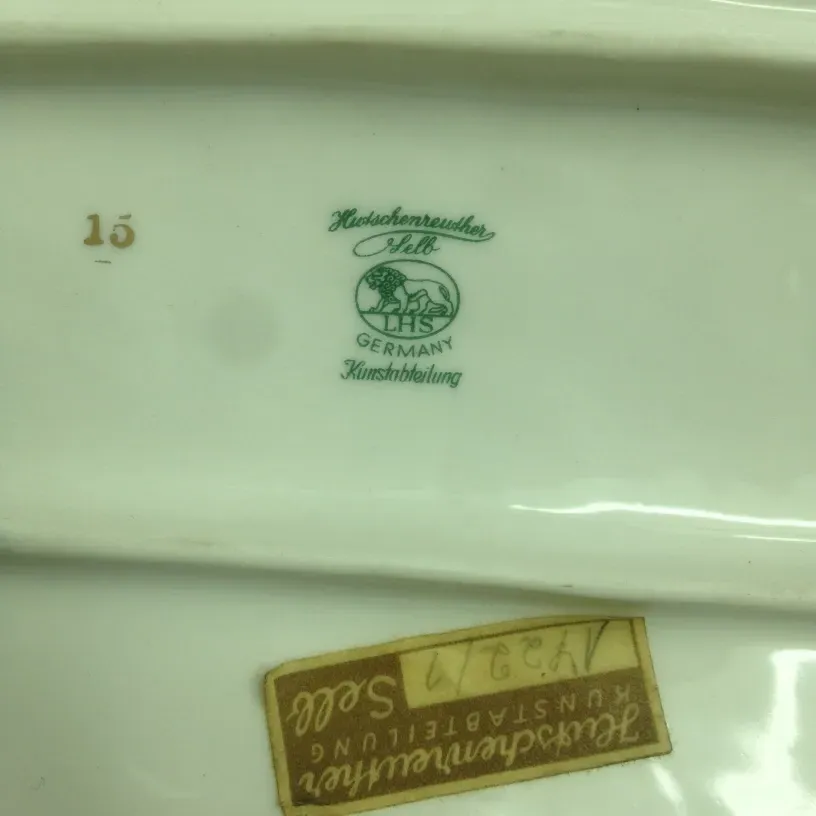
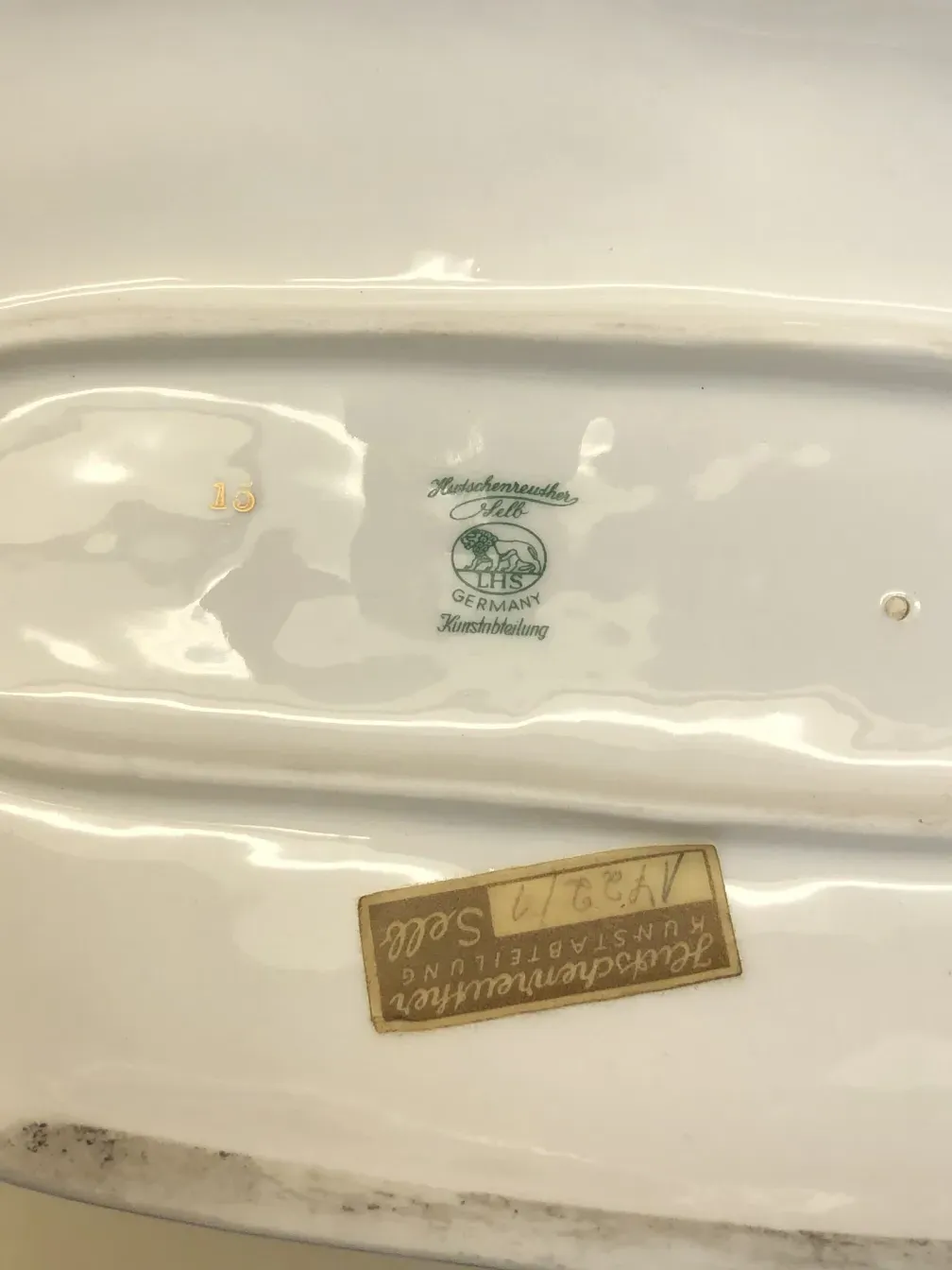
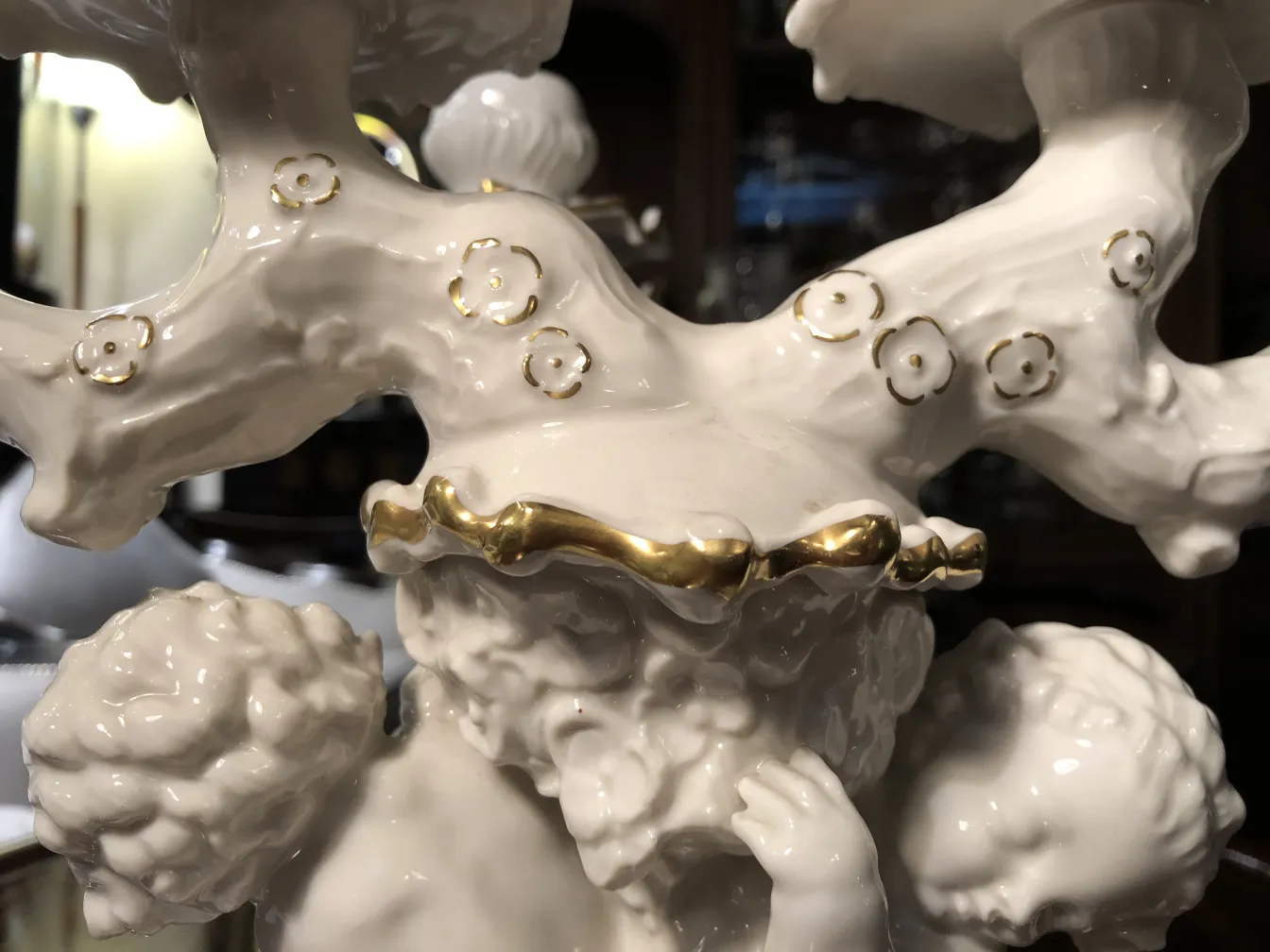
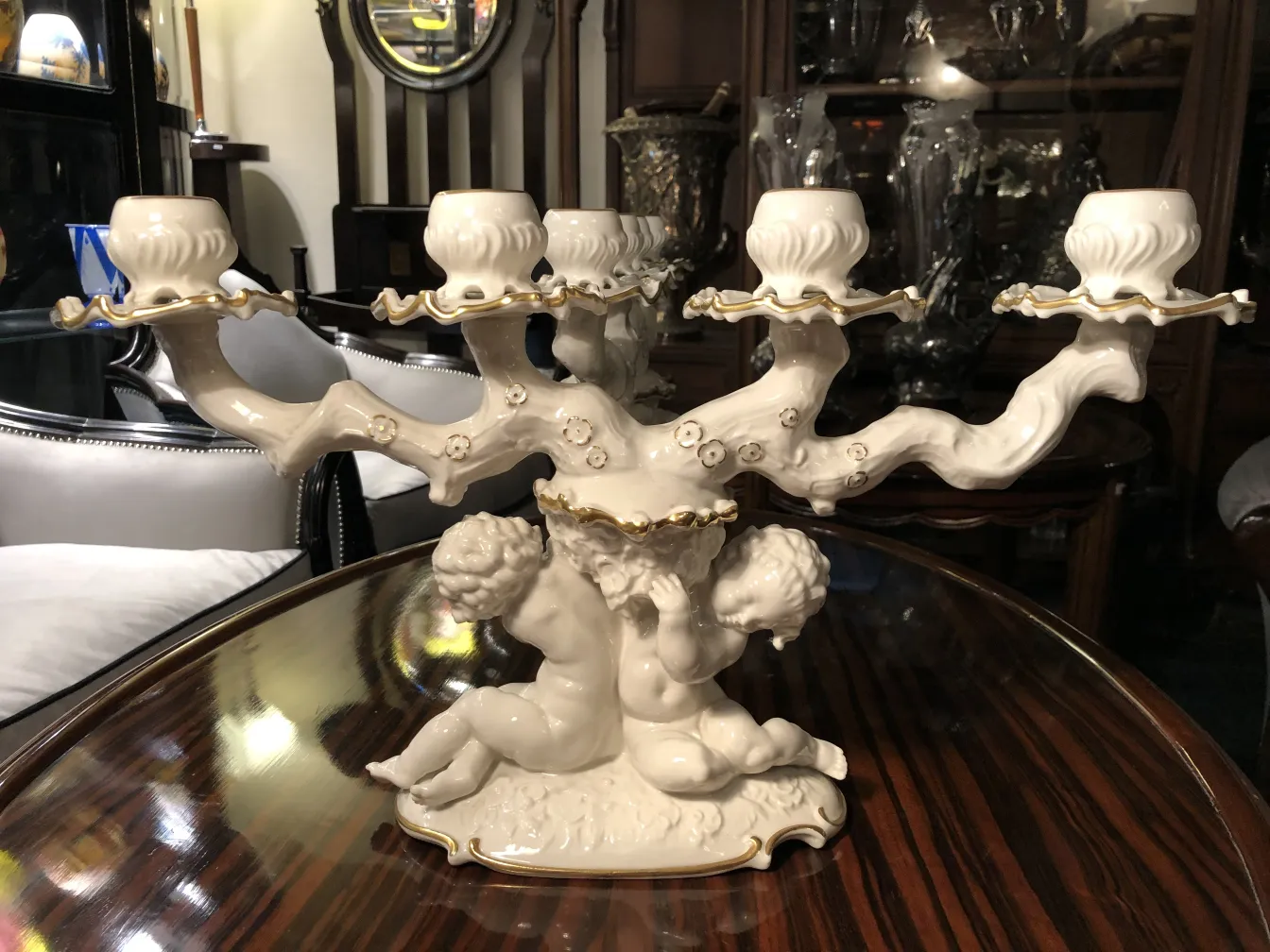
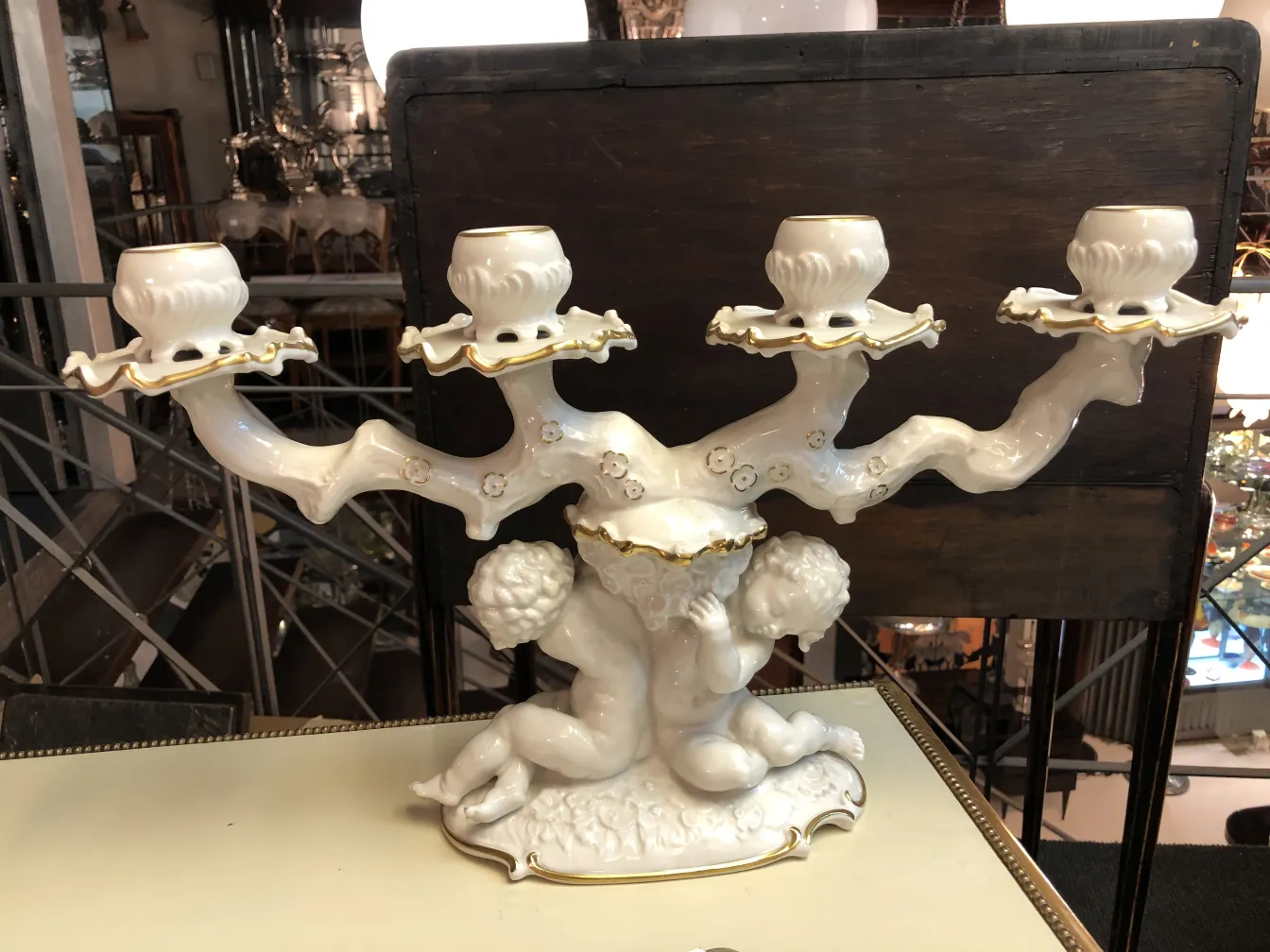
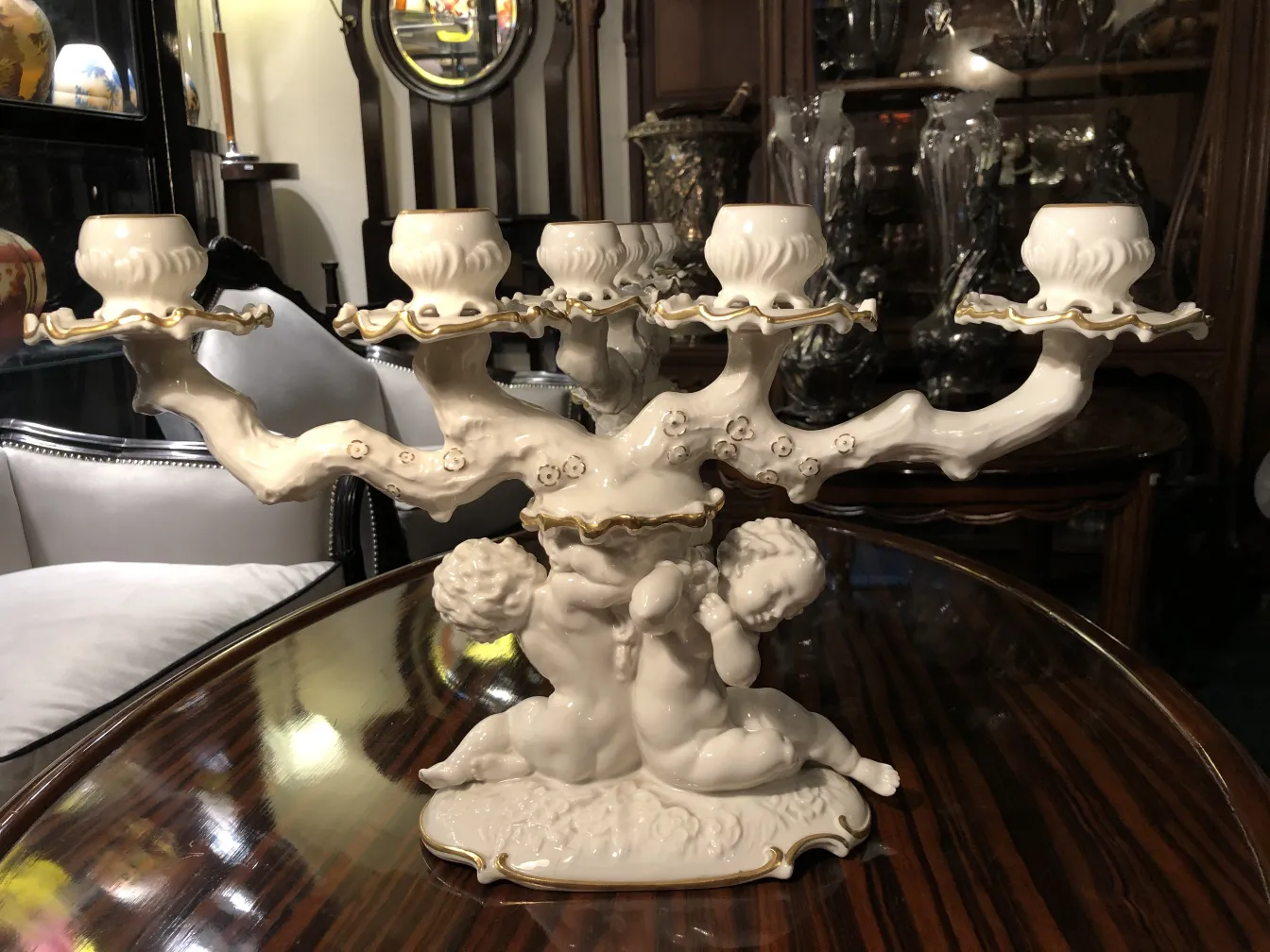
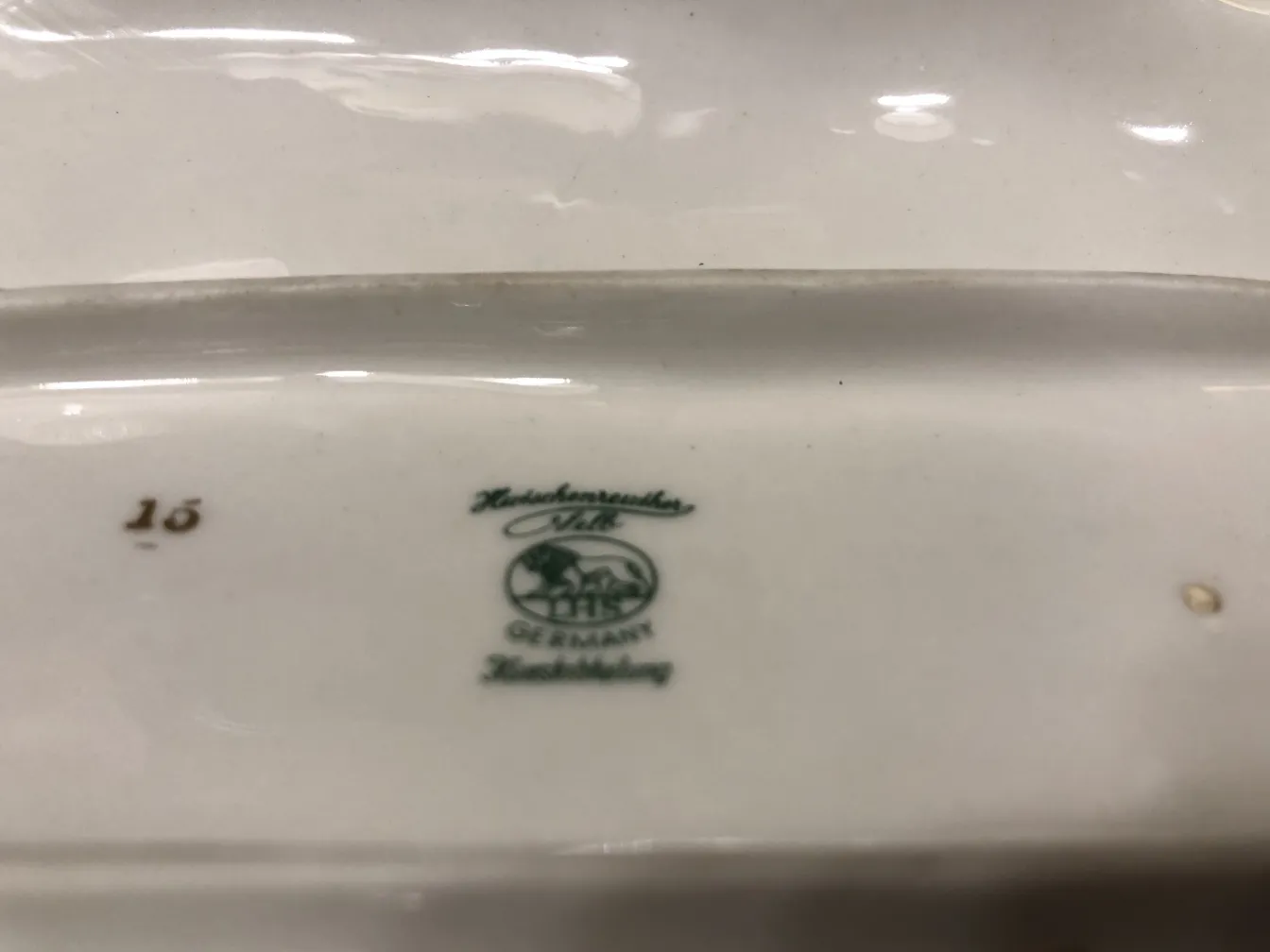
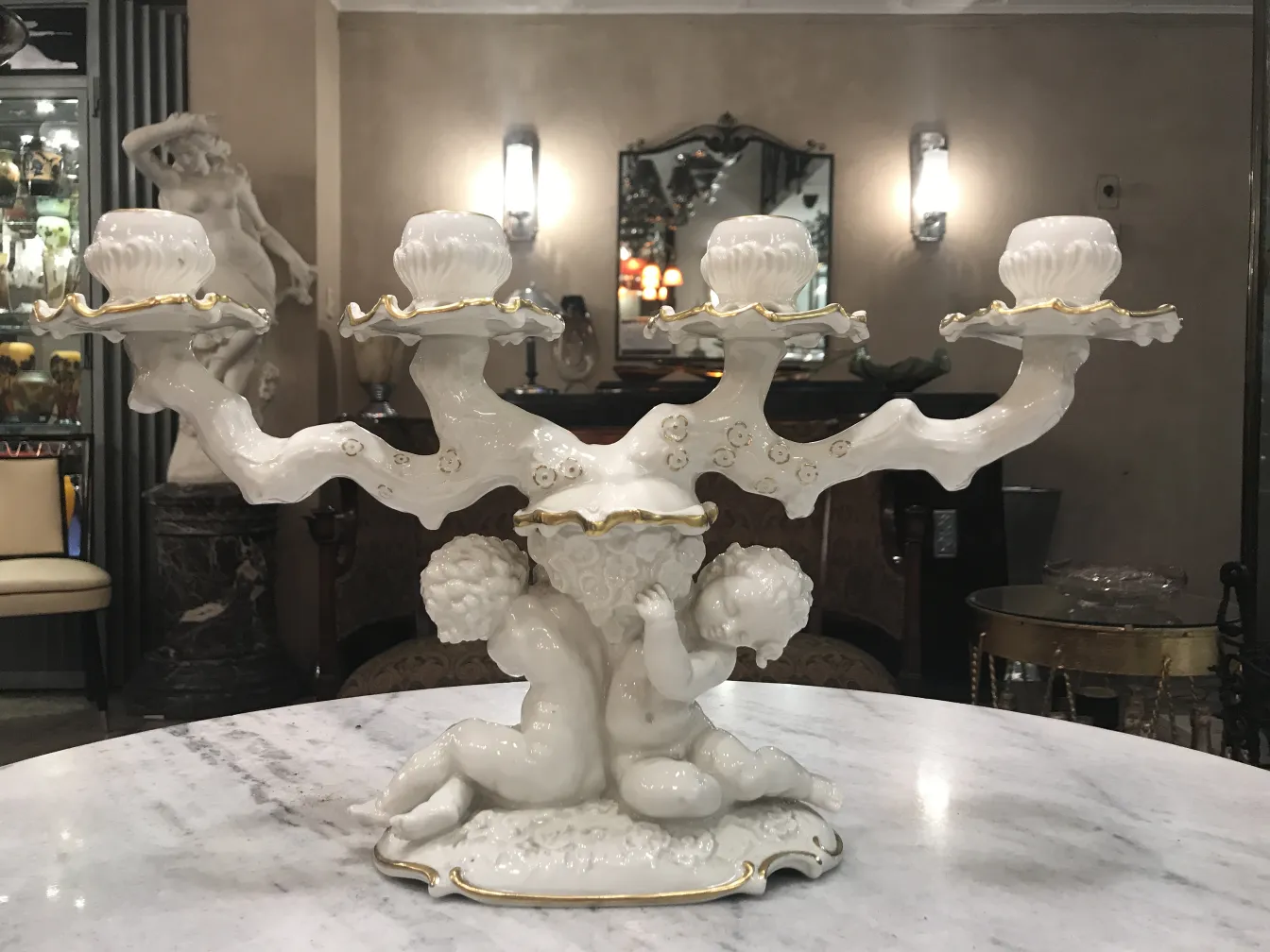
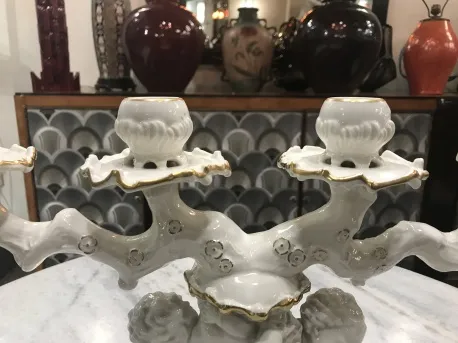
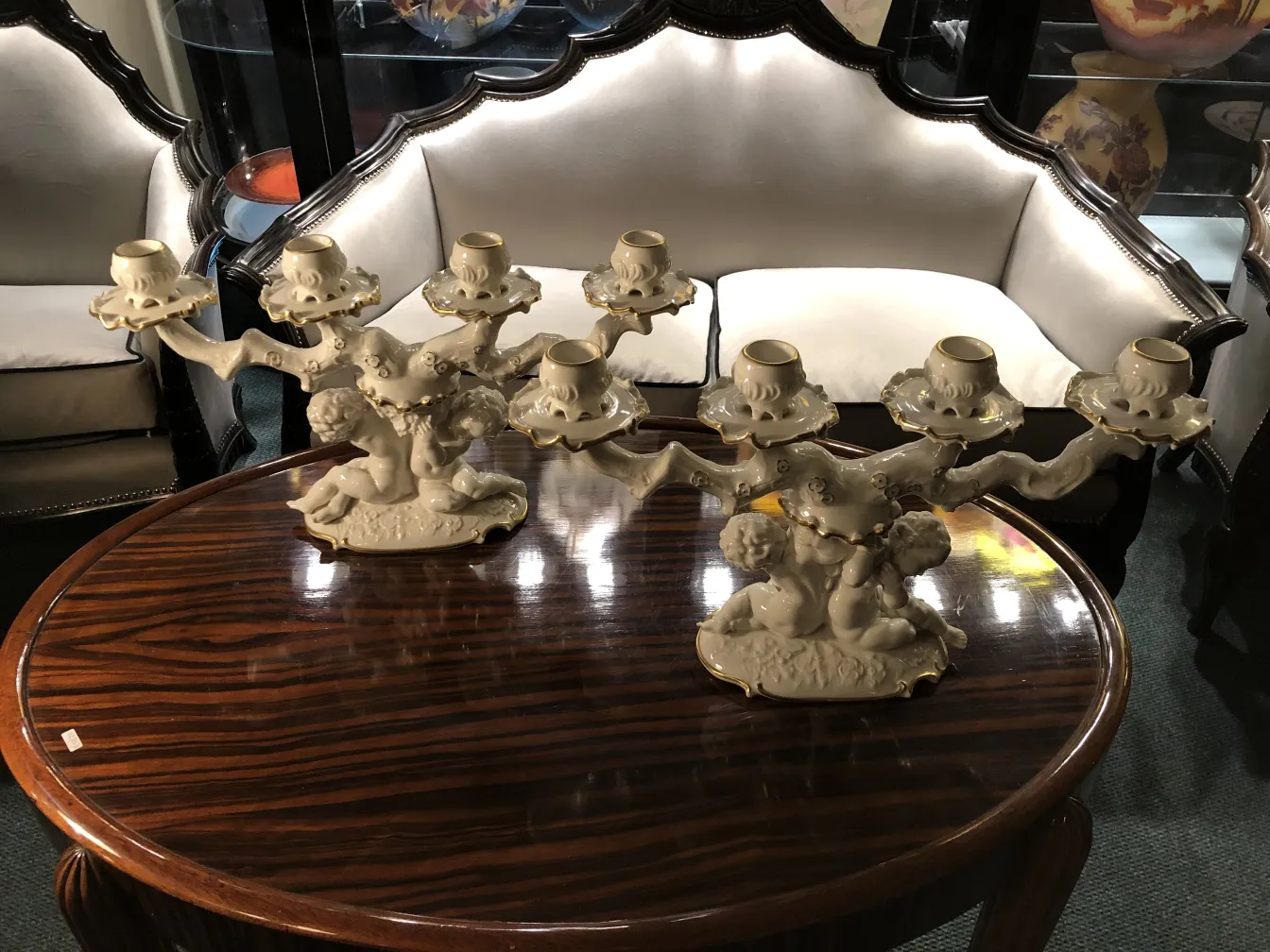
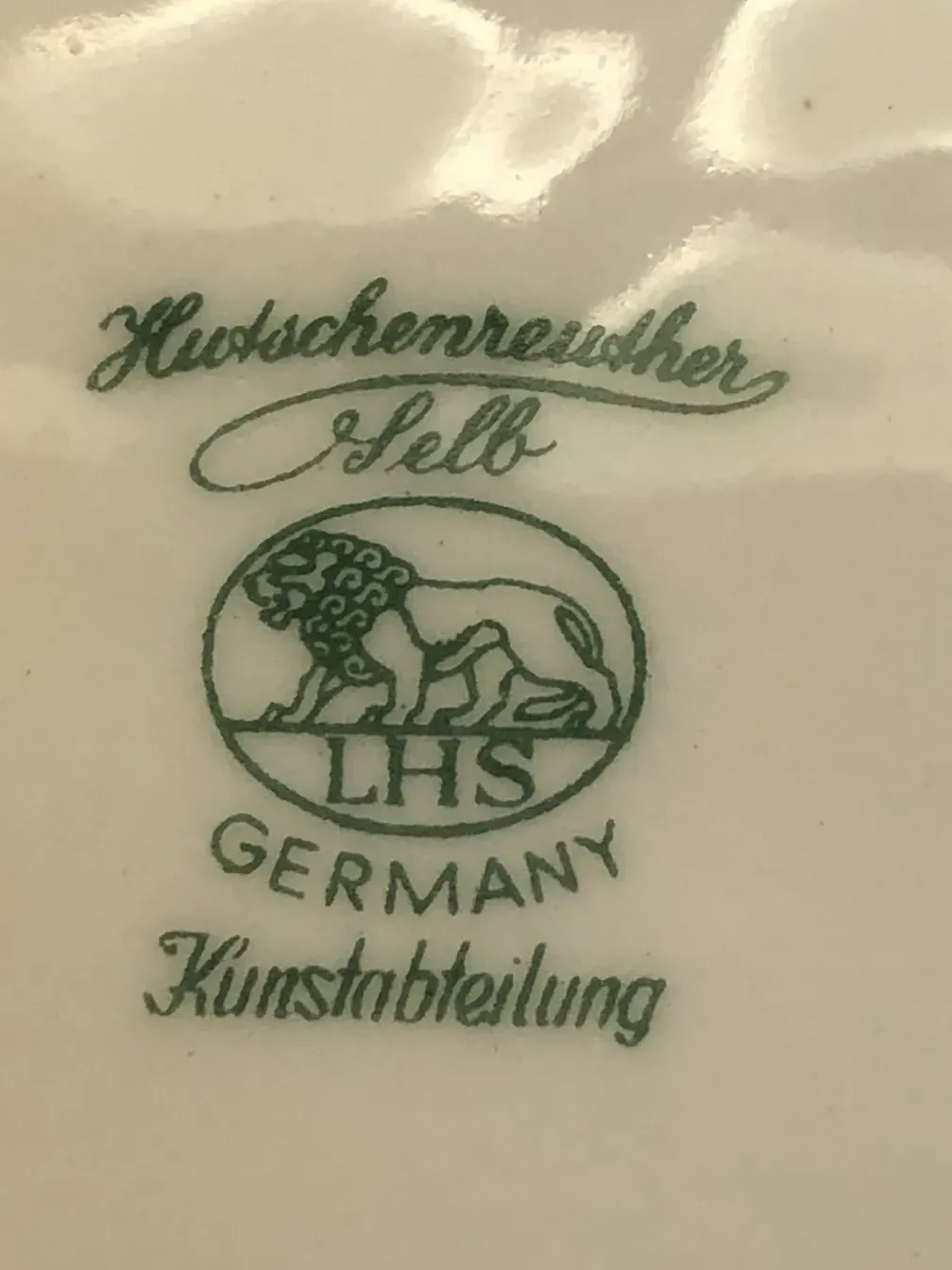
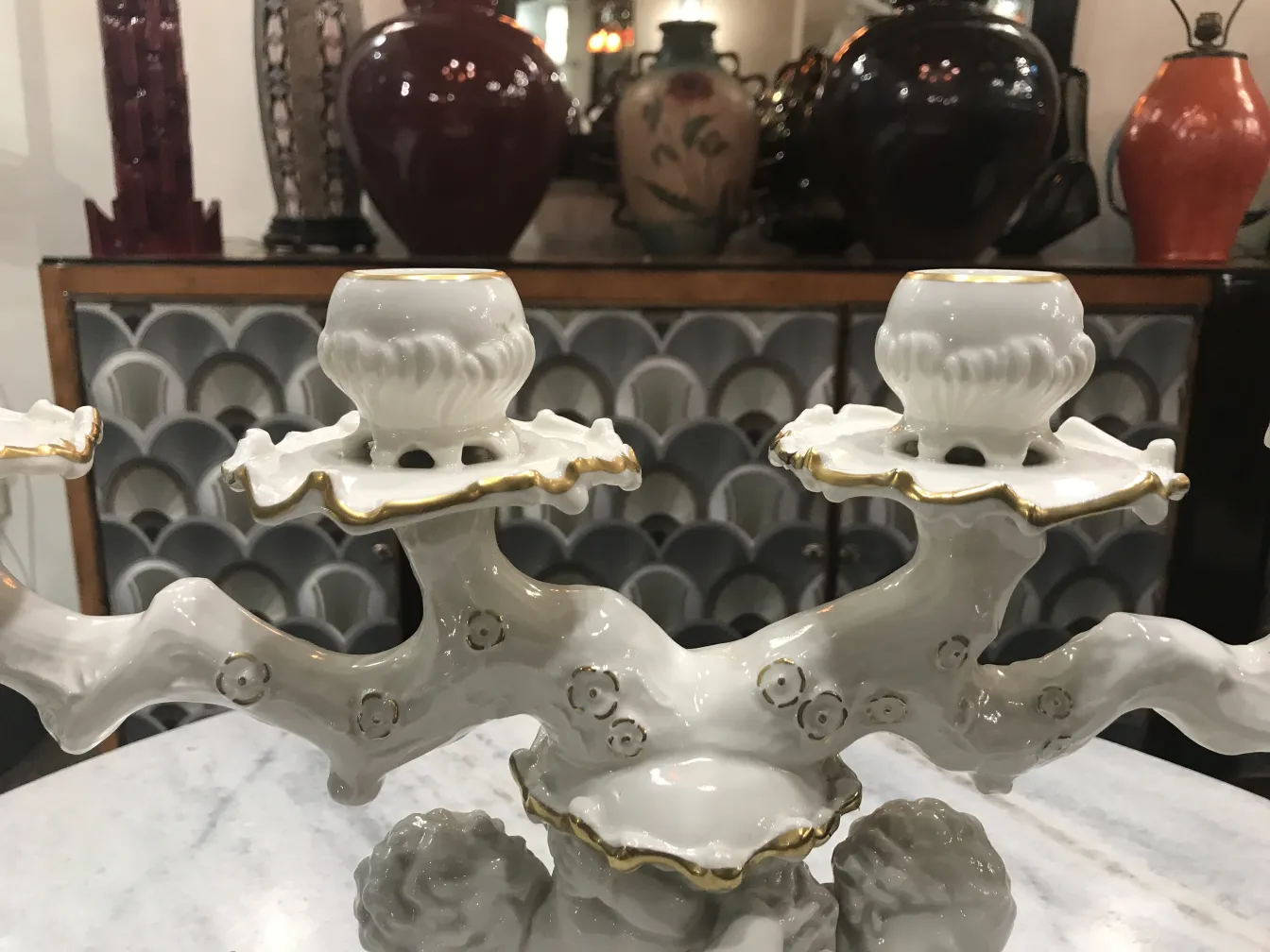
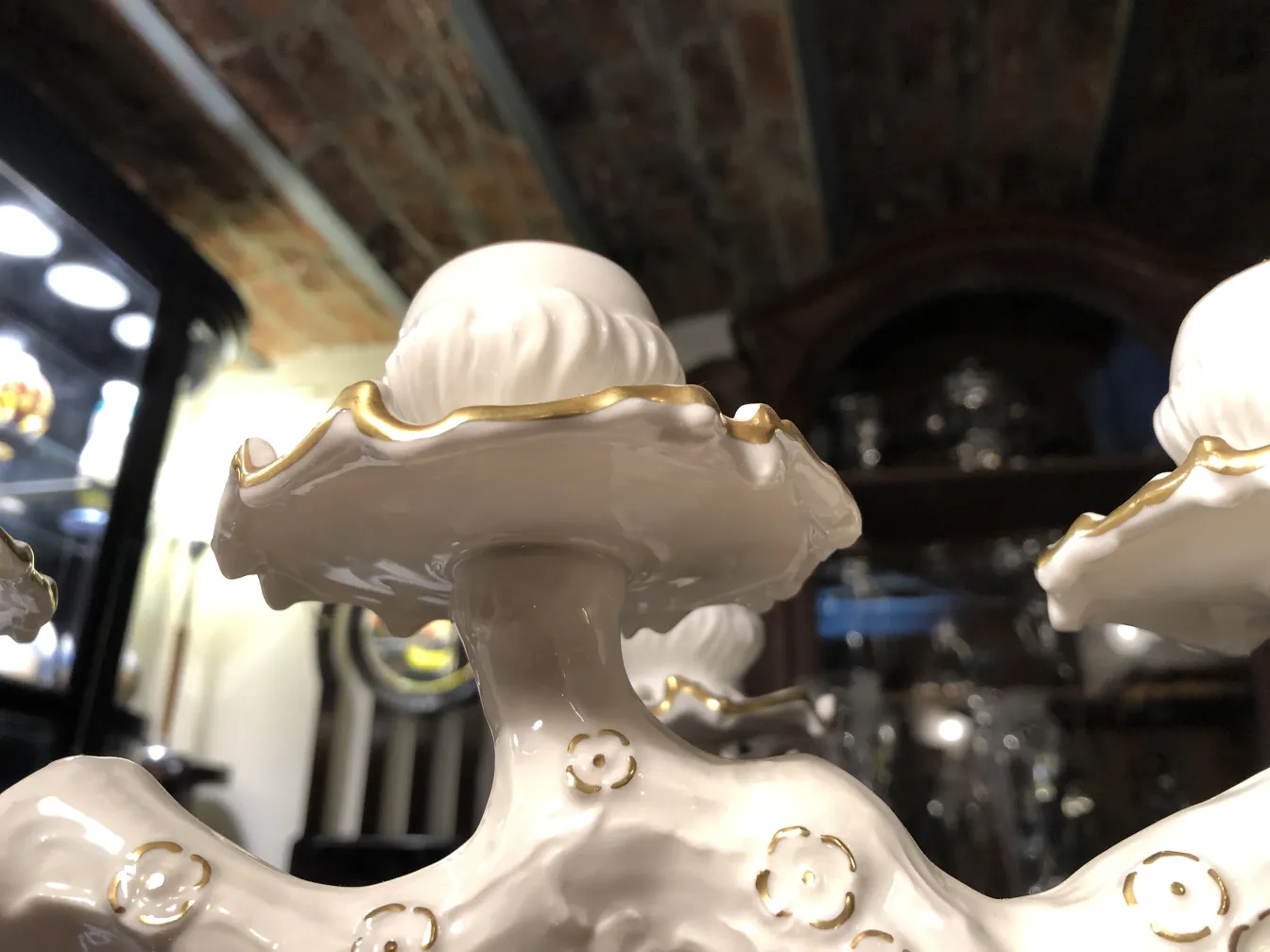
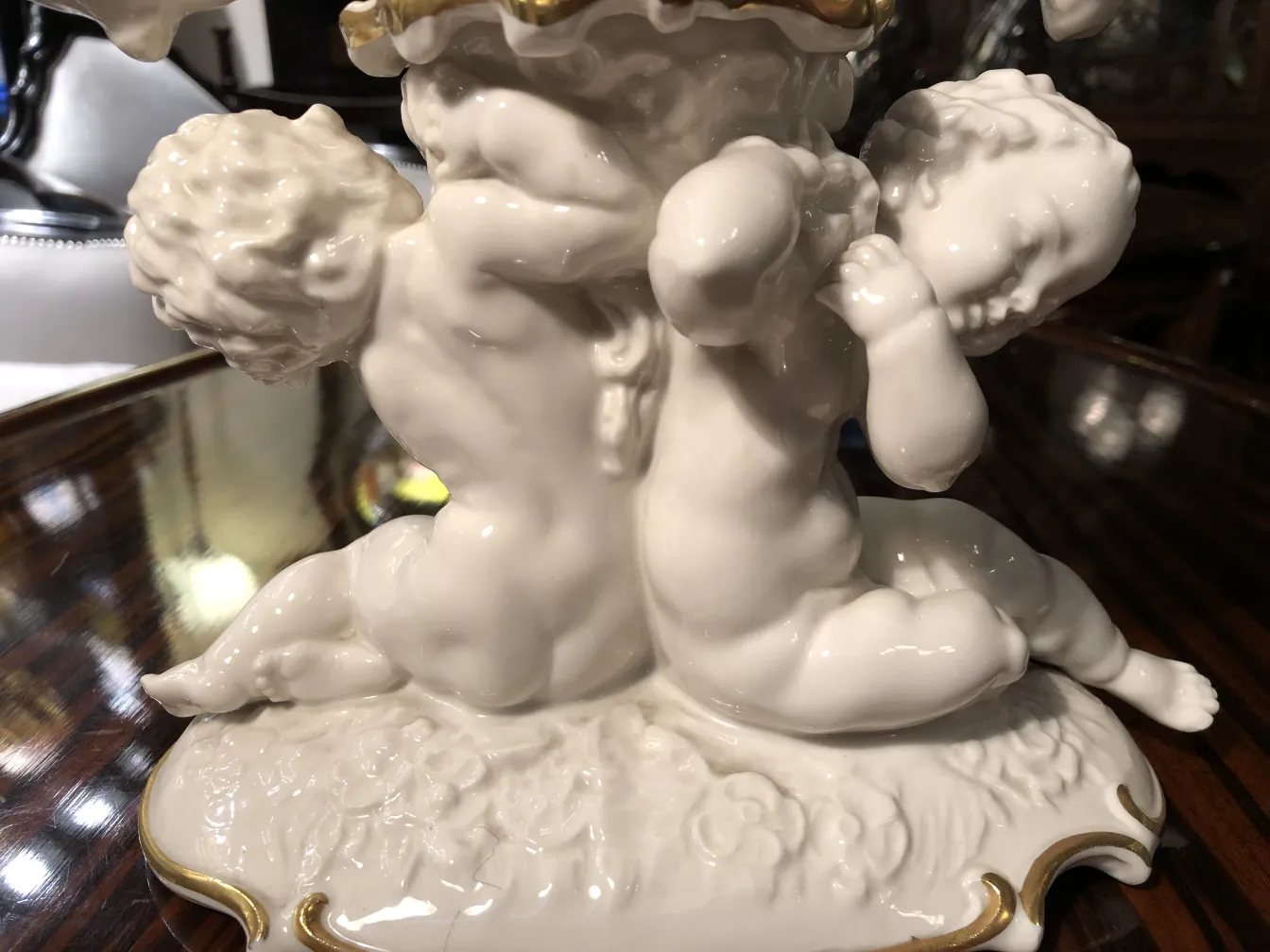
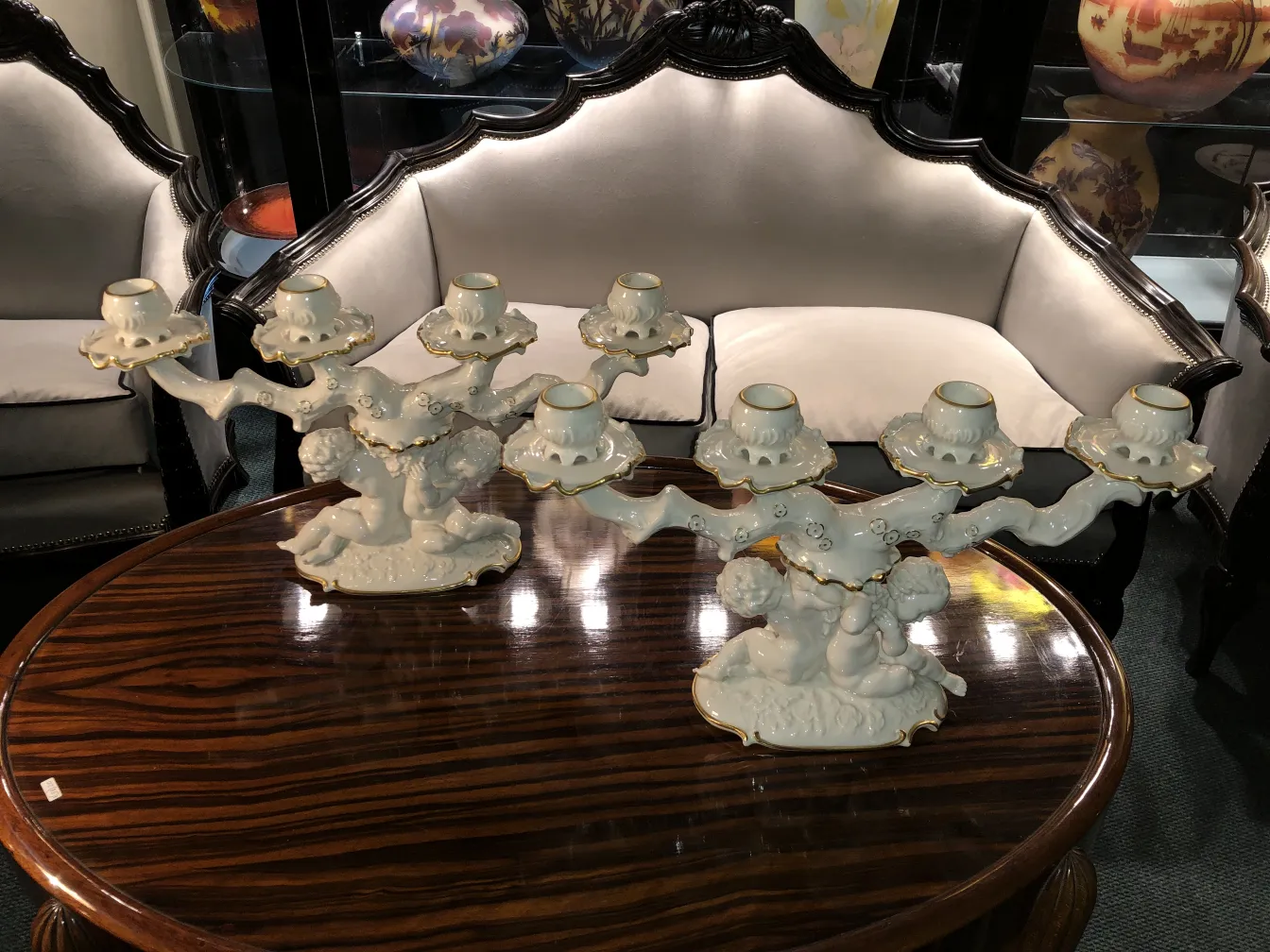
Hutschenreuther Selb is a renowned German porcelain manufacturer founded in 1857.
Lorenz Hutschenreuther, the elder son of Carolus Magnus Hutschenreuther (who founded the original Hutschenreuther factory in Hohenberg in 1814), opened his own independent porcelain factory in Selb, Bavaria.
Lorenz's factory quickly gained a solid reputation and grew, surpassing the production and renown of his father's original company.
"Hutschenreuther of Selb" was the first German porcelain company able to compete with established brands like Haviland and Wedgwood.
Hutschenreuther AG Selb rapidly expanded by acquiring other manufacturers such as Paul Müller (1917), Gebrüder Bauscher (1927), Porzellanfabrik Tirschenreuth (1927), and Porzellanfabrik Königszelt (1928).
You can find its pieces with marks such as L. Hutschenreuther or Hutschenreuther A.G. Selb.
In 1969, the two branches of the Hutschenreuther family's porcelain businesses finally merged, unifying the company.
0:00 / 0:00
Style Art Nouveau
The name "Art Nouveau" in French means "new art." It is also known as “Jugendstil” in Germany. In contrast, in Vienna and Italy it is called "Liberty".
It employs curvilinear designs with sinuous, asymmetrical lines, often based on plant forms, as well as stylized female silhouettes.
The style was used in architecture, interior design, glassware, jewelry, sculpture, painting, furniture, posters, and illustration.
New materials were introduced, such as opals and semi-precious stones.
The Art Nouveau style had its greatest momentum at the Universal Exposition of 1900 in Paris.
After that, it spread throughout Europe, the United States, and Australia.
In Paris, you can see the metro entrances, and in Belgium, its countless buildings.



 Share
Share